
REVIEW · NEW ZEALAND
Rotorua: 6 Ziplines, Swing-Bridges & Wildlife Encounters
Rotorua’s best zipline experience is as much about the forest as the flying. You’ll move through a protected native bush that most people cannot visit, crossing platforms up to 22 metres high while birds flit through the canopy. The six lines build in height and speed, so even nervous beginners have time to settle in.
I like the small groups of up to 10 and the two-guide system. I also like that your ticket helps restore the forest, rather than treating conservation as a side note. The main consideration is simple: you need to handle heights, a harness, swing bridges, and a modest amount of walking. Rain is possible, and the tour usually runs in it.
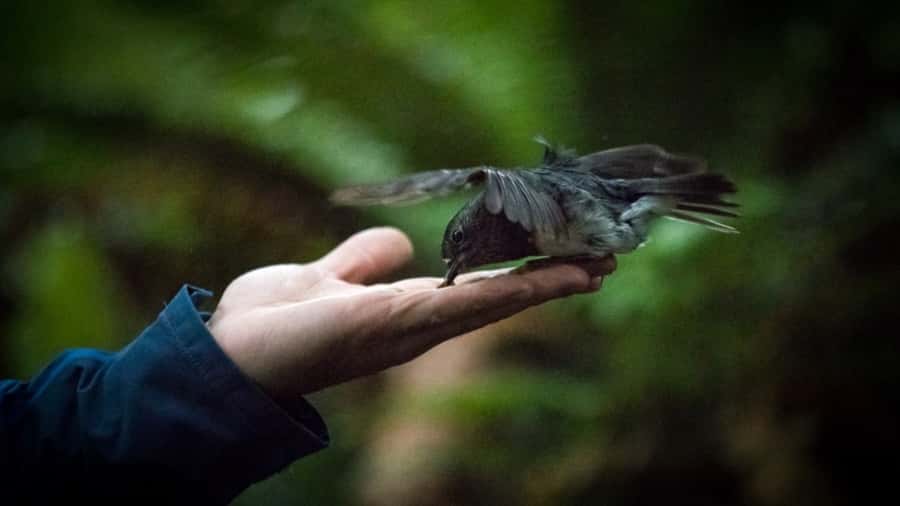
The course brings together six ziplines, two swing bridges, forest trails, and treetop platforms. You might see North Island robins, fantails, tomtits, and kererū, with some birds willing to feed from your hand.
Key points to know before you book
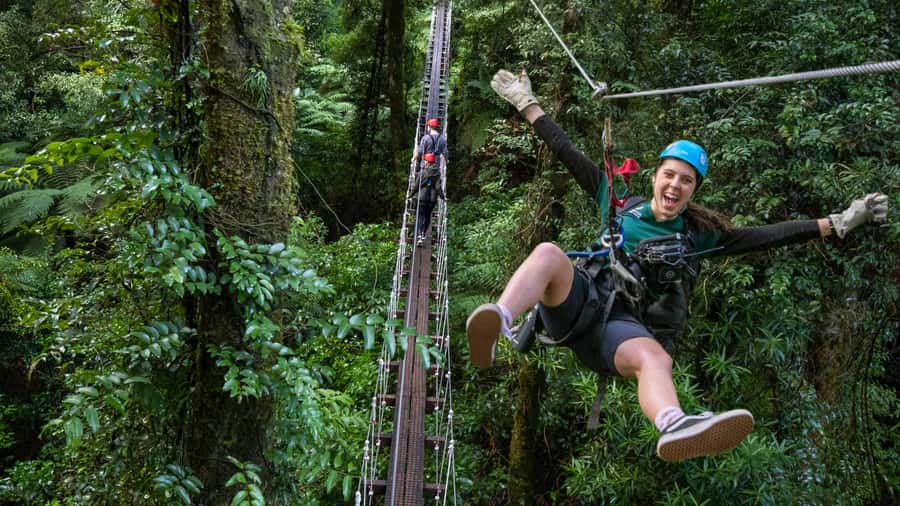
- Six ziplines build from confidence to speed: The longest is 220 metres, with flights reaching up to 50km/h.
- Ancient forest access is part of the value: You enter a protected area not open to the general public.
- Two guides stay with your group: They handle the equipment, explain each move, and help nervous participants.
- Birdlife is a real part of the outing: Predator control has helped native birds return in large numbers.
- Warm and wet-weather gear is supplied: Bring closed-toe shoes and any personal medication.
- The $118 price includes more than the rides: Safety equipment, guides, photos, transport options, and conservation support are included.
Six ziplines through a forest that is coming back
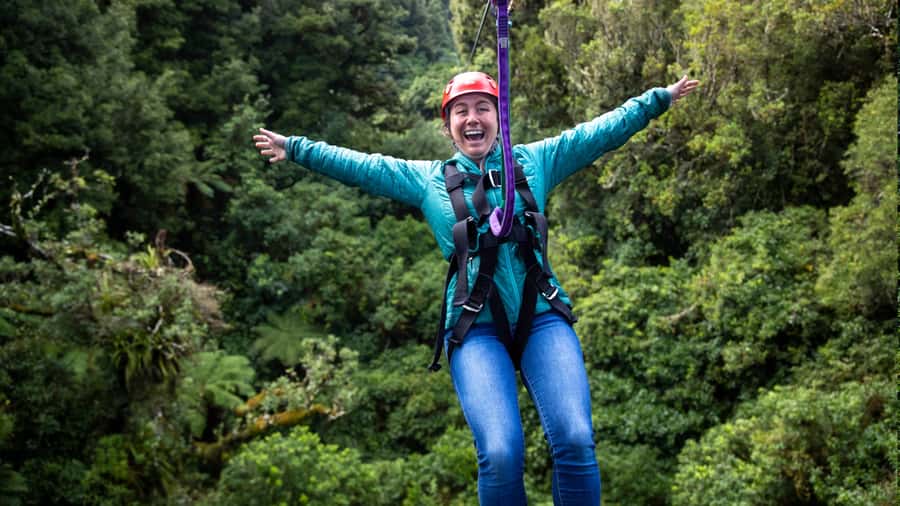
Rotorua Canopy Tours takes you into a rare patch of New Zealand native forest, not a constructed adventure park with a few trees around it. The bush is the setting, the subject of the guide talk, and one of the main reasons this experience earns its price.
The forest contains trees more than 1,000 years old. Between the lines, you walk short trails and pause on platforms where the guides explain what you are seeing. This gives the activity a useful rhythm. You get a burst of speed, then time to look around and understand the place beneath your helmet.
The conservation work matters here. Introduced predators have damaged native bird populations across New Zealand, and the project uses predator control and forest restoration to help the ecosystem recover. Your ticket contributes to that work. You are still paying for an adventure, but the money also supports the forest you came to see.
That connection makes the experience feel more substantial than a standard zipline circuit. You are not simply racing from tower to tower. You are learning why this patch of bush matters and how native species are being brought back.
A few more animal parks around New Zealand worth a look
- Phuket: White Water Rafting, Zipline, and Elephant Sanctuary
★ 4.6 · 189 reviews - Half-Day Barton Creek Cave with Optional Zipline, Butterfly Farm Or Rock Falls
★ 5.0 · 45 reviews - Chiang Mai Zipline White Water Rafting and Elephant Sanctuary
★ 4.0 · 11 reviews
A gentle start before the course gets serious
The activity begins at Rotorua Canopy Tours on Fairy Springs Road, with optional return transport from central Rotorua available depending on the booking option. A short van ride of about 10 minutes takes you toward the forest.
The first part of the forest visit includes a guided walk, scenic views, and a photo stop. This is useful if you are new to ziplining or uneasy with heights. You can get your bearings, meet the guides, and see the kind of terrain you will be moving through before the larger platforms and longer flights begin.
Two guides lead each small group. Their role is practical as well as social. They fit and check the helmet and full-body harness, explain the safety system, and manage the equipment at every platform. The best part of the guide team is the way they adjust to the group. Several families found that the guides gave nervous children time to build confidence, while first-time adults received the same calm support.
Guides including Emma, Vincent, Locki, Mika, Ben, Mitch, Sam, and Steph have been praised for helping people feel comfortable. Guide names change from day to day, so do not book expecting a particular person. The consistent feature is the two-guide format and the emphasis on clear instructions.
The 105-minute canopy course
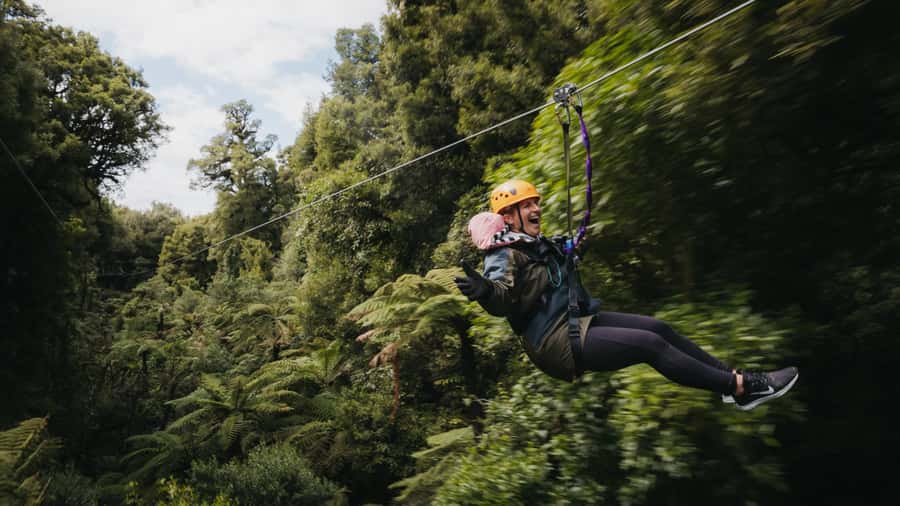
The main guided section lasts about 105 minutes. You will fly six ziplines, cross two swing bridges, walk between platforms, and stop for explanations about the forest and its wildlife.
The lines gradually increase in height, length, and speed. That progression is important. The first flight gives you a chance to learn body position and trust the equipment. Later lines feel more exciting because you have already had time to practise.
The longest zipline reaches 220 metres, and the fastest flights can reach about 50km/h. That is enough speed for a proper thrill without making the whole activity feel like a race. You have time to look at the trees and surrounding scenery, although the quick flights naturally pass in a blur.
The highest platforms sit up to 22 metres above the forest floor. At that height, the forest changes character. You look across the canopy rather than simply along a path, and the sound of native birds becomes part of the experience. If you dislike heights, the early lines and supportive guides may help, but this is not a low-level ropes course. You should be honest with yourself before booking.
The swing bridges add a different kind of challenge. They are up to 20 metres high and move underfoot, so they can feel more unnerving than the ziplines for some people. The guides control the pace and explain how to cross safely. You do not need advanced fitness, but you should be comfortable walking forest tracks, standing on platforms, and handling a low level of physical activity.
Native birds in the canopy
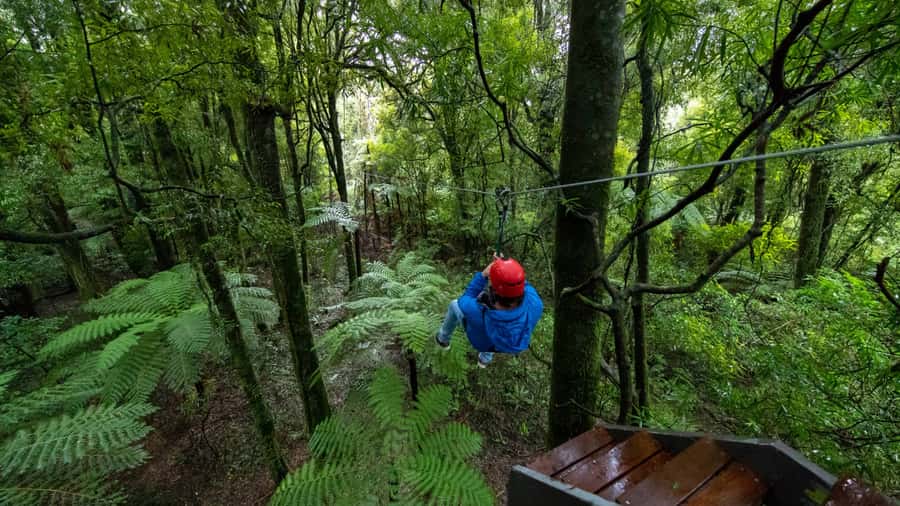
The wildlife encounters are not guaranteed, but they are one of the most appealing parts of the outing. You may see North Island robins, fantails, tomtits, and kererū. Some birds may approach closely enough to feed from your hand.
That possibility is more meaningful because the forest has been protected and restored. The birdlife is not being presented as a separate display. You are seeing wild animals in a regenerating native habitat, supported by predator control.
The guides also explain the effect of introduced animals on native trees and birds. This gives the wildlife sightings context. A fantail moving near a platform is enjoyable on its own, but it becomes more memorable when you understand that healthy bird numbers are the result of sustained conservation work.
You should keep your expectations sensible. The tour promises opportunities for wildlife viewing, not a guaranteed list of species. The ziplines and forest experience remain worthwhile even if the birds stay out of reach.
Same place, a different set of animals:
- Island Hopper Day Cruise – sailing to wildlife sanctuary island – 6 hr cruise
★ 5.0 · 301 reviews - Motuara Wildlife Sanctuary Tour and Dolphin Cruise from Picton
★ 4.5 · 180 reviews - Skip the Line: Franz Josef Wildlife Center Ticket with Optional Backstage Pass
★ 4.5 · 160 reviews - Christchurch: Orana Wildlife Park Admission
★ 4.5 · 119 reviews
Why the small group makes a difference
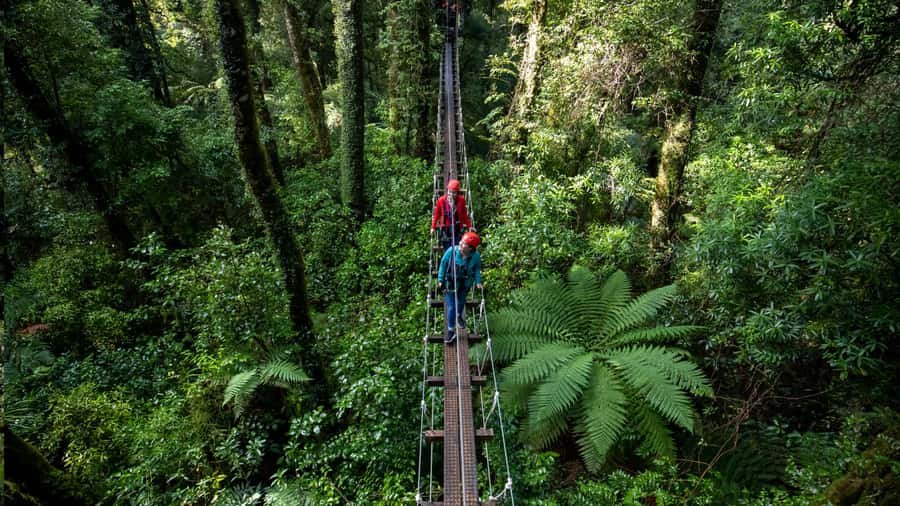
The maximum group size is 10 people, with two guides assigned to the outing. That is a strong setup for an activity where everyone must receive equipment checks and move through the course in order.
Small groups also make the forest stops more useful. You can hear the guide explain a native species without a large crowd gathering around a platform. If you need an extra moment before a line or bridge, the pace is less likely to feel rushed.
The personal attention is especially valuable for families. Children as young as six can participate, and several families found that the guides were patient with children aged eight and 10 who began with some nerves. The minimum age does not mean every six-year-old will feel ready for a 22-metre platform. Parents should consider the child’s comfort with heights, harnesses, and instructions.
The guides also bring humour to the course. That is not just decoration. A light tone can help you relax before a first flight, while clear safety instructions keep the fun grounded in sensible procedures.
What the $118 price covers
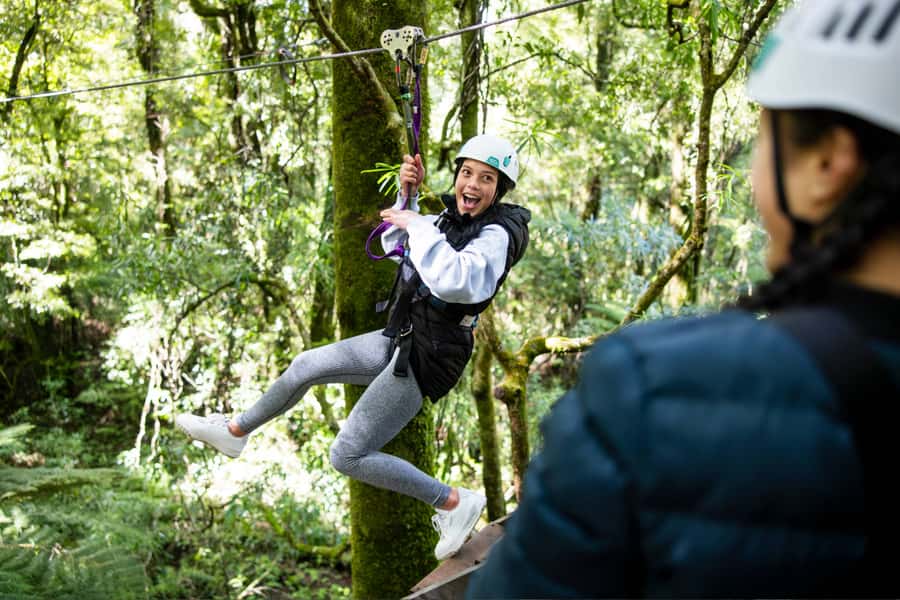
At $118 per person, this is not Rotorua’s cheapest activity. I think the price is easier to justify when you count the full package rather than only the time spent on the cables.
You receive a guided 2.5-hour forest experience, six ziplines, two swing bridges, platforms, safety equipment, warm clothing if needed, rain gear, and free photos. You also enter a protected forest that is not open to ordinary visitors, and part of the booking supports the restoration project.
The free photos are a useful extra. Photos are taken at different stages and sent after the tour, so you can focus on the course instead of trying to hold a phone while wearing gloves and a harness. They also make the package feel better suited to families and first-time participants who want a record of the day.
Optional transport from central Rotorua adds convenience if you do not have a car. The listed meeting point is Rotorua Canopy Tours at 147 Fairy Springs Road, though your exact pickup or meeting details depend on the option selected.
I would compare this with other Rotorua adventure activities by asking what you want from the day. If you only want the fastest possible zipline ride, a shorter and cheaper course may suit you. If you want flying, wildlife, forest education, and a direct conservation contribution in one outing, the value is much stronger.
Weather, clothing, and practical limits
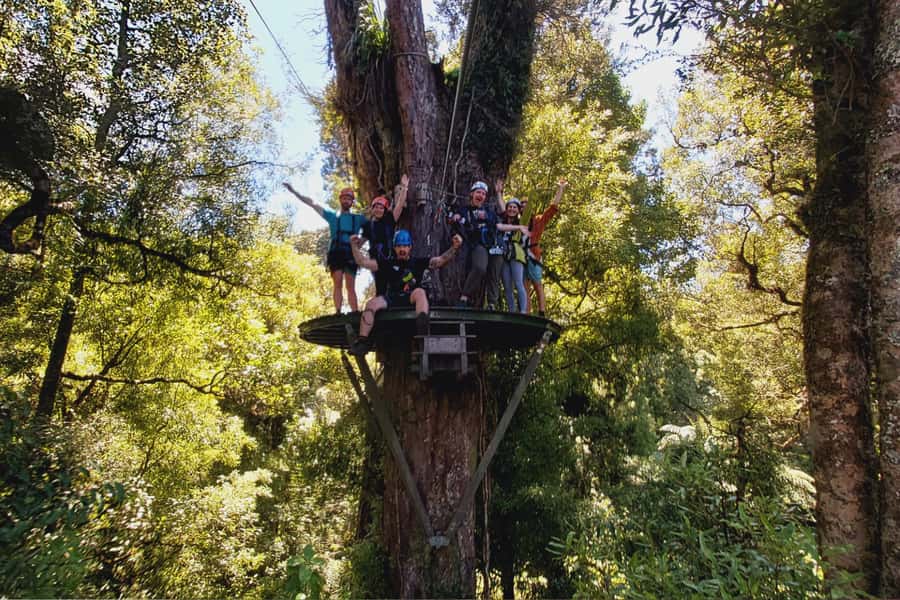
The tour runs in most weather, including rain, except in rare cases of strong winds. Rain gear is provided, and warm items such as fleeces, beanies, gloves, and windbreakers are available if needed.
I would still wear comfortable clothing and sturdy closed-toe shoes. Sandals, slides, and jandals are not allowed. You should bring personal medication and leave food planning for before or after the tour because snacks are not included.
Every participant wears a helmet and a full-body harness with leg loops and shoulder straps. You are weighed privately before the tour, and the maximum weight is 120 kilograms, or 264 pounds. The private process is designed to protect your dignity, but this limit is firm.
The activity requires a low level of fitness. You do not need prior zipline experience, but you should be able to walk forest trails, cross suspended bridges, climb onto platforms, and remain active for roughly two and a half hours.
The tour is not suitable for children under six, pregnant women, people over the weight limit, or people with mobility impairments. If you have a medical condition or accessibility concern, contact the operator before booking and read the health and safety information carefully.
A good choice for families and nervous beginners
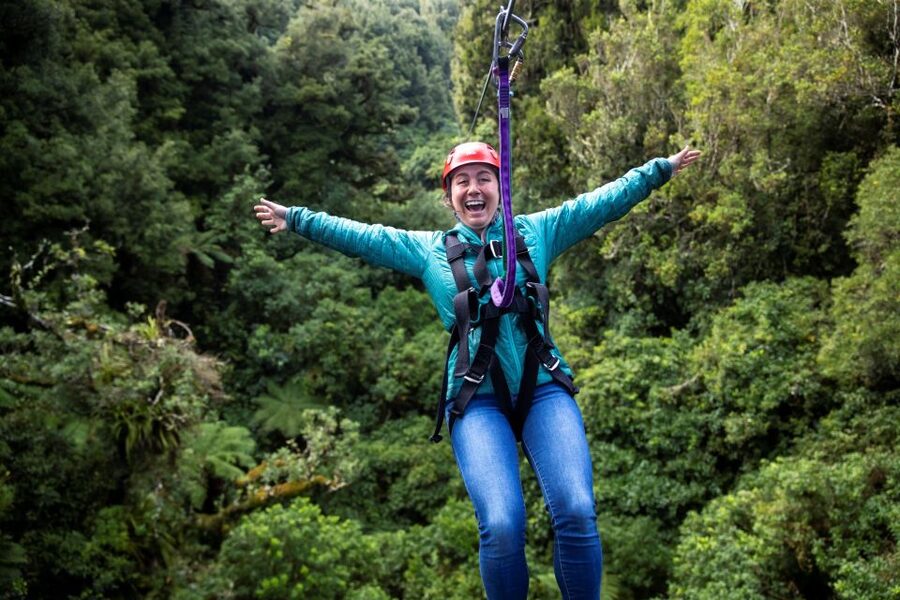
I would recommend this experience to families with children aged six and over, couples who want more than a quick thrill, and first-time zipliners who appreciate patient instruction. The gradual course design gives you a fair chance to build confidence before the longest line.
It also suits people who want a nature activity with a clear purpose. You do not need to be a bird expert. The guides explain enough about the forest, predators, and native species to make the setting easier to understand.
I would be more cautious if you have a strong fear of heights, poor balance, or limited mobility. Several nervous participants became comfortable after the first two ziplines and a bridge, but that does not remove the height or movement from the activity. The course is designed to support beginners, not to avoid heights altogether.
Rain should not automatically put you off. The forest can feel especially atmospheric in wet weather, and warm and waterproof gear is available. Still, a wet day may mean less comfortable walking and less predictable wildlife viewing.
The final walk, photos, and return
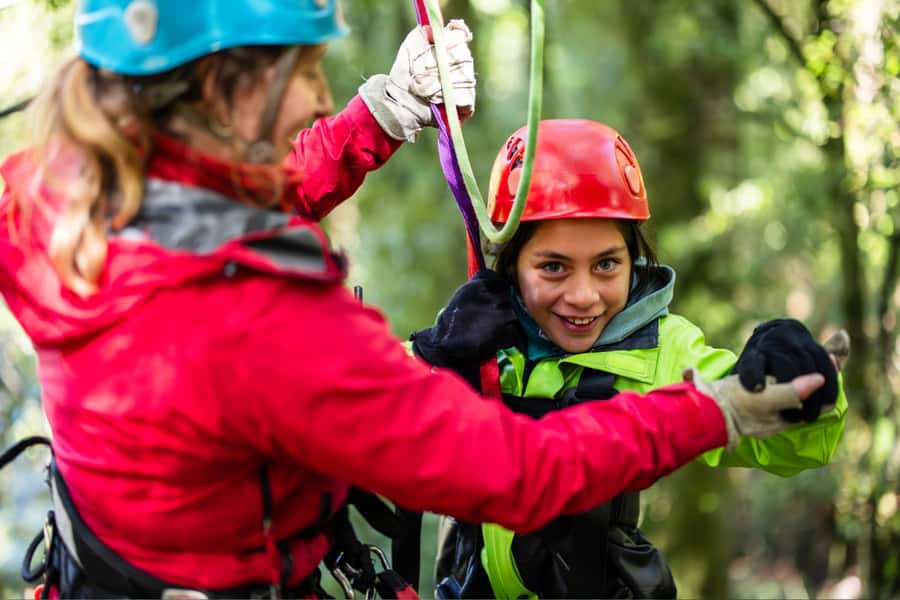
After the main canopy course, you have another short guided walk and photo stop before the van ride back. This final section gives you time to come down from the fastest part of the activity and take in the forest at ground level.
The return drive takes about 10 minutes. Drop-off is available at Rotorua Canopy Tours, with central Rotorua transport depending on the option booked.
The free photos arrive after the tour rather than forming a separate sales pitch at the end. That makes the finish straightforward. You can leave with memories of the platforms, bridges, and flights without having to buy an additional photo package.
The full duration is listed as 150 to 210 minutes. Allow the longer end of that range when planning another activity, especially if your group includes children or if transport arrangements are involved.
Should you book Rotorua Canopy Tours?
I would book this if you want a polished Rotorua adventure that joins real forest conservation with a proper zipline course. The six lines provide enough speed and height to feel exciting, while the two guides and gradual progression make it approachable for many beginners.
The strongest reasons to choose it are the protected forest access, the birdlife, the small groups, and the fact that your payment supports restoration work. The free photos and supplied warm gear also improve the value at $118.
Skip it if you cannot manage heights, suspended bridges, a harness, or a modest walk. Also skip it if you want a very short ride with no educational or conservation element. For everyone else, this is one of Rotorua’s better balanced adventure choices: active, scenic, carefully managed, and connected to the place rather than simply set beside it.
FAQ
How long does the Rotorua canopy tour last?
The activity lasts between 150 and 210 minutes, with the guided canopy course itself taking about 105 minutes. The remaining time includes van transport, forest walks, scenic stops, and preparation.
How many ziplines are included?
The tour includes six ziplines. The longest is 220 metres, and speeds can reach up to 50km/h.
How high are the platforms and swing bridges?
The treetop platforms reach up to 22 metres above the forest floor. The two swing bridges reach heights of up to 20 metres.
Is previous zipline experience required?
No. Safety equipment is provided, and the guides explain how to use it. The course gradually builds confidence, height, and speed.
What wildlife might I see?
You might see North Island robins, fantails, tomtits, and kererū. Some birds may approach closely and feed from your hand, but sightings and feeding opportunities are not guaranteed.
What is the minimum age and maximum weight?
The minimum age is six years. The maximum weight is 120 kilograms, or 264 pounds, and participants are weighed privately before the tour.
What should I wear and bring?
Wear closed-toe shoes and bring any personal medication. Warm clothing and rain gear are provided if needed. Food and snacks are not included.
Just added around New Zealand
- Wellington Zoo General Entry Tickets★ 3.9 · 7 reviews
- Dolphin & Wildlife Encounters★ 5.0 · 6 reviews
- Akaroa Shore Excursion: Banks Peninsula, Christchurch City Tour and Willowbank Wildlife Reserve★ 3.5 · 26 reviews
- Greymouth: Glacier, Heritage & Wildlife Centre Guided Tour★ 3.8 · 13 reviews
- Franz Josef: West Coast Wildlife Centre Entry Ticket -48 hrs★ 4.2 · 33 reviews
- Willowbank Wildlife Reserve Day Entry Ticket★ 4.5 · 85 reviews
- Willowbank Wildlife Reserve Day Entry★ 4.5 · 94 reviews
- Lake Tekapo: Guided Petting Zoo Visit★ 4.9 · 92 reviews
New Zealand Zoos, compared.
Motuara Wildlife Sanctuary Tour and Dolphin Cruise from Picton
Read our review →
Skip the Line: Franz Josef Wildlife Center Ticket with Optional Backstage Pass
Read our review →
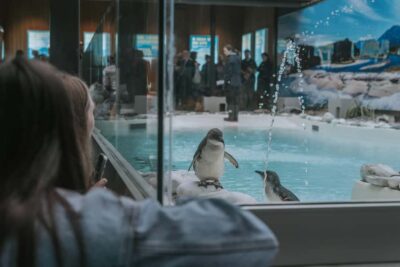
Franz Josef: West Coast Wildlife Centre Entry Ticket -48 hrs
Read our review →
Akaroa Shore Excursion: Banks Peninsula, Christchurch City Tour and Willowbank Wildlife Reserve
Read our review →Browse the lists this tour appears in