
REVIEW · NEW ZEALAND
Skip the Line: Franz Josef Wildlife Center Ticket with Optional Backstage Pass
Seeing a rare rowi kiwi moving through a darkened enclosure is the main reason to visit the Franz Josef Wildlife Centre. You can also see tuatara up close, then shift from wildlife to glaciers, West Coast stories, and New Zealand’s goal of becoming predator-free by 2050.
I like the flexible 48-hour admission and the fact that this works well on a wet Franz Josef day. I also like the optional Backstage Pass, especially when guides such as Steve and Devon are leading it. The main drawback is that kiwi eggs and hatchlings are not guaranteed, and the regular exhibit is fairly small.
Key points before you book
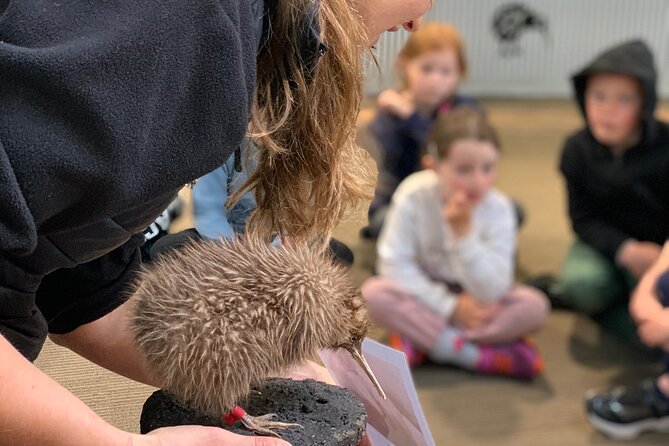
- See rowi kiwi during daylight hours: The nocturnal house lets you watch these rare birds when they are active, even though it is daytime outside.
- Add a guided backstage visit: The optional pass offers a closer look at kiwi care, tuatara, equipment, and conservation work.
- Use your ticket for 48 hours: You can return as often as you like during that period, at no extra charge.
- Plan on one to two hours: The displays are compact, but the films, glacier exhibition, and reading areas reward a slower visit.
- Expect a weather-proof stop: Most of the experience is indoors, making it useful when rain or low cloud spoils outdoor plans.
- Photography has limits: Cameras are not allowed inside the kiwi nocturnal house, though photography is available on the backstage tour.
Why the kiwi encounter matters
The West Coast Wildlife Centre gives you something that is difficult to arrange in the wild: a close look at a live rowi kiwi. These birds are rare, nocturnal, and hard to spot in their natural setting. Inside the darkened enclosure, you have a much better chance to see them walking, searching, and going about their business.
You should give your eyes time to adjust. The room is kept dark for the birds, so the first few moments can feel like looking into an empty space. Once your vision settles, you may see a kiwi moving close by without a pane of glass between you and the enclosure.
That direct view is special, but it is not a zoo-style photo stop. The birds may be active, or they may be hidden. You cannot control the timing, and photography is restricted in the nocturnal house. I see that as a fair trade for keeping the room suitable for the kiwi, but you should set your expectations before entering.
The centre also works with the Department of Conservation on kiwi conservation. The aim is not simply to display a native bird. The wider purpose is to explain how eggs, hatchlings, monitoring, and predator control can help keep kiwi populations from declining.
More Wildlife Sanctuaries in New Zealand:
- Island Hopper Day Cruise – sailing to wildlife sanctuary island – 6 hr cruise
★ 5.0 · 301 reviews - Motuara Wildlife Sanctuary Tour and Dolphin Cruise from Picton
★ 4.5 · 180 reviews - Willowbank Wildlife Reserve Day Entry
★ 4.5 · 94 reviews
Inside the West Coast Wildlife Centre
The main attraction opens every day at 8:30 a.m. Set aside at least one to two hours, even though the live-animal portion itself is not huge. The centre combines several smaller sections, and the value comes from putting them together.
You begin with the kiwi area, where you can see live birds in the nocturnal house. The lighting makes this a quiet, focused experience. Families should remind children to keep their voices low and watch patiently. A quick glance may miss the bird entirely.
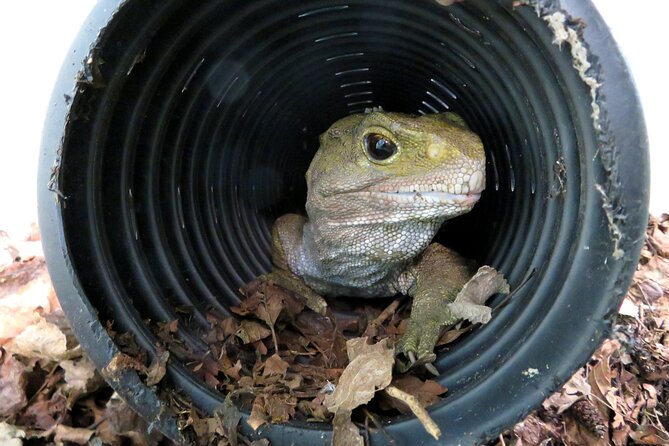
The centre also has live tuatara. These unusual reptiles are found only in New Zealand, and the displays give you an easy chance to see them at close range. They may appear still, but that is part of the fun. You get time to study their shape and behavior rather than rushing past a moving animal.
The site has cared for several tuatara, and the backstage experience can provide more detail about them. If your main interest is native wildlife beyond kiwi, this makes the optional tour more useful than a simple add-on focused only on eggs.
A free takeaway learning booklet is provided. It is handy for families because it gives children something to follow as they move through the centre. I would pick it up early, then use it to turn the visit into a small self-guided lesson rather than a quick animal viewing.
The glacier exhibition and West Coast stories
Franz Josef is best known for its glacier, but weather can block the views and outdoor conditions can change quickly. The interactive glacier attraction gives you a way to learn about the area even when rain, cloud, or poor visibility limits a walk.
The storytelling areas and films add local context. They cover the West Coast, glaciers, wildlife, and the challenges facing native species. This is not a substitute for seeing the glacier in person, but it helps explain why the region’s natural setting matters.
I especially like this mix for a family or for anyone with limited time in Franz Josef. You get wildlife, conservation, and glacier information under one roof. The centre is not only a place to see a kiwi, and you should not leave without allowing time for these other sections.
The predator-free information is another useful part of the visit. New Zealand has an ambitious goal of becoming predator-free by 2050, and the displays explain the issue in accessible terms. You get a clearer sense of why kiwi conservation requires more than incubating eggs. Habitat protection and predator control are part of the same effort.
What the Backstage Pass adds

The regular admission gives you the core visit. The optional VIP Backstage Pass changes the experience from viewing displays to hearing directly about the work behind them.
The supplied information describes about 30 minutes of behind-the-scenes access, while the centre’s own tour responses refer to a guided visit lasting roughly 40 to 45 minutes. Allow around 30 to 45 minutes for this portion, and check the exact timing when you book.
The group size is limited to a maximum of eight people. That matters because a small group makes it easier to hear the guide and ask questions. Guides including Steve and Devon have been singled out for their clear explanations, humor, and strong knowledge of the kiwi program.
The backstage tour can include:
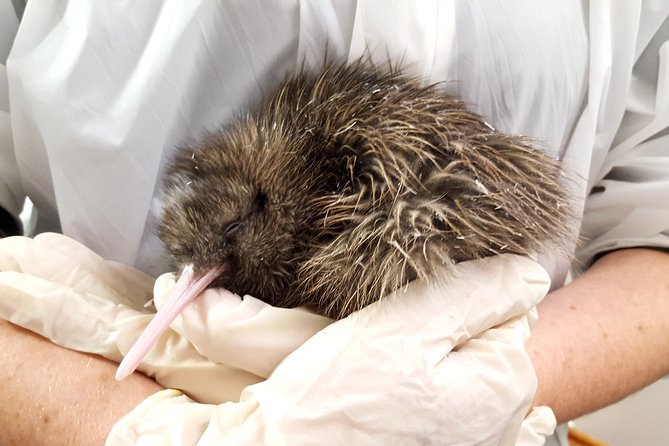
- Information about kiwi eggs and hatchlings
- Equipment used in the hatching program
- Surveillance footage and monitoring
- Details about kiwi care
- A closer look at tuatara
- Explanation of the centre’s work with the Department of Conservation
The strongest part is the explanation of what you are seeing. A dark room with two kiwi is memorable, but learning how the birds are protected gives the encounter more meaning.
You should know that the behind-the-scenes rooms may not contain eggs or hatchlings on the day of your visit. Kiwi breeding follows seasonal and conservation needs, not a visitor timetable. At some times, eggs may be present. At others, rooms may be empty except for the equipment used in the program.
That is the biggest reason to avoid treating the Backstage Pass as a guaranteed baby-kiwi viewing. You are paying for access and explanation, not a promise of a particular animal or stage of development. If the facility has no eggs that day, the guide can still explain the work, the equipment, and the conservation process.
Photography is allowed on the backstage tour, unlike inside the regular kiwi nocturnal house. That makes the pass more appealing if recording part of the experience matters to you, although you should follow the guide’s instructions around the animals.
More Skip-the-Line Tickets in New Zealand:
- Prague Zoo: Skip-the-Line Entry Ticket
★ 4.8 · 3,440 reviews - Dubai: Skip-The-Line Ticket to Butterfly Garden
★ 4.5 · 2,223 reviews - Skip the Line: Daily Admission at Woodland Park Zoo Ticket
★ 4.5 · 136 reviews - Orlando: Central Florida Zoo Skip-the-Line Ticket
★ 4.1 · 110 reviews
Is the $40.34 admission good value?
At $40.34 per person, the basic admission is not the cheapest indoor attraction you will find. The value depends on what you want from it.
If you simply want a large wildlife park, this is not that. The exhibition is small, with a focused selection of animals and displays. A short visit centered only on the kiwi could leave you feeling that the ticket is expensive.
If seeing a rare kiwi is a priority, the price becomes easier to justify. Finding a rowi in the wild would be difficult, especially during a short stay on the West Coast. The centre gives you a realistic chance to see one in a controlled setting, while also supporting conservation work.
The 48-hour validity improves the value. You can visit once for the live animals, then return later for the glacier displays, films, and predator-free information. That is useful if you arrive tired, if the centre is busy, or if you want to split the visit around another Franz Josef activity.
The backstage pass costs extra. Responses from the centre refer to an additional $30 NZD per person, though you should confirm the current supplement when booking. I would add it if you care about conservation, enjoy asking questions, or want a more guided experience. I would skip it if your schedule is tight and your only goal is a quick look at the kiwi.
The best way to plan your visit
The centre is open from 8:30 a.m. daily. Since the attraction operates all year and works well in wet weather, it can be a useful first or last stop in Franz Josef.
I would allow two hours if you want the full visit. That gives you time for the nocturnal house, tuatara, glacier displays, films, reading areas, and the booklet. Add another 30 to 45 minutes if you choose the backstage pass.
You do not need to arrange hotel pickup. Free car parking is included, and the centre is near public transportation. A cafe sells food and coffee, with major credit cards accepted, so you can make this an easy break in the middle of a day outdoors.
The ticket is mobile, which keeps the arrival simple. Confirmation is provided at booking. Children must be with an adult, and anyone using a senior ticket must show proof of age over 65.
Because the ticket cannot be refunded or changed, be careful before booking. Franz Josef weather can change your plans, but this particular purchase cannot be adjusted for a new date.
Who will enjoy this most?
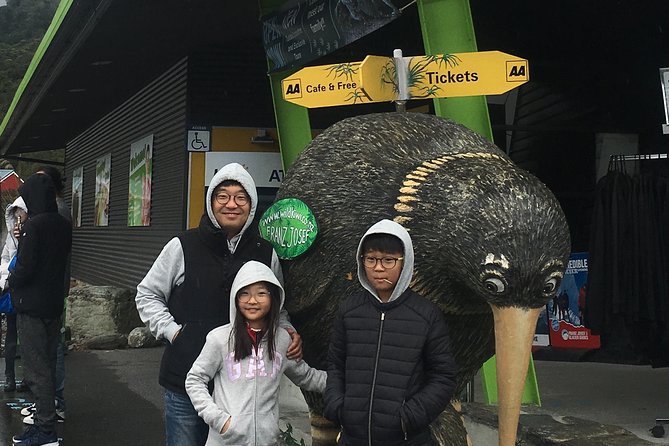
Families usually get plenty from the visit because it offers live animals, films, interactive material, and a free booklet. It also provides a reliable indoor plan if rain ruins a walk or if children need a quieter activity.
Wildlife fans should consider the Backstage Pass. The regular visit lets you see the results of the conservation work. The guided section explains the care, monitoring, and protection behind it.
This also suits anyone with only a short time in Franz Josef who wants a dependable chance to see a kiwi. You may not see eggs or hatchlings, but you can often watch live kiwi in the nocturnal house.
The centre may be less satisfying if you want a large, open-air wildlife park or a long scheduled tour. The animal collection is limited, and the attraction is compact. Its strength is focus, not size.
Small details that improve the visit
Give your eyes time to adjust inside the kiwi room. Do not expect a bright display or instant sighting.
Keep the 48-hour return option in mind. If you have time, split the visit into two short stops rather than trying to absorb every film and display at once.
Consider the backstage pass as an educational upgrade, not simply a better viewing position. It is particularly useful when Steve, Devon, or another guide can explain the conservation program and answer questions.
Do not promise children that they will see baby kiwi. Eggs and hatchlings are seasonal and may not be at the centre. Present the visit as a chance to see rare birds and learn how the program works.
If you hope to take photos, remember that the regular nocturnal house does not allow photography. The backstage pass provides a separate opportunity for photographs, subject to the guide’s instructions.
Should you book the Franz Josef Wildlife Centre?
I would book the basic ticket if you want a good rainy-day activity, have children with you, or hope to see a kiwi without relying on luck in the bush. The 48-hour validity makes the admission more useful than a single quick entry, and the glacier and conservation displays give you more than the animal viewing alone.
I would add the Backstage Pass if you want the clearest explanation of the centre’s work. The small group, hands-on information, and guides such as Steve and Devon can turn a short wildlife stop into a meaningful conservation lesson.
Skip the upgrade if your visit is rushed or if you mainly want a quick look at the animals. And book only if you accept that eggs, hatchlings, and even an active kiwi encounter cannot be guaranteed. For most visitors with a free hour or two in Franz Josef, this is a sensible, weather-proof way to connect with New Zealand wildlife.
FAQ
Where is the Franz Josef Wildlife Centre?
The centre is in Franz Josef on New Zealand’s West Coast, serving the Franz Josef and Fox Glacier area.
How long should I allow for the visit?
Allow at least one to two hours for the main attraction. If you add the Backstage Pass, allow roughly another 30 to 45 minutes.
What can I see at the centre?
You can see live rowi kiwi in the nocturnal house, live tuatara, glacier displays, West Coast storytelling areas, films, and information about the predator-free goal for 2050.
Can I see kiwi during the day?
Yes. The kiwi are kept in a nocturnal house, allowing you to see them during the centre’s daytime opening hours.
Is the Backstage Pass included in the admission?
The Backstage Pass is an optional extra. The standard ticket includes entry to the main wildlife centre and its displays.
Are eggs and baby kiwi guaranteed?
No. Eggs and hatchlings are not guaranteed. Their presence depends on the season and the conservation program.
Can I take photographs of the kiwi?
Photography is restricted inside the kiwi nocturnal house. Photography is available during the kiwi backstage pass tour.
How long is my ticket valid?
All tickets are valid for 48 hours. You can enter and leave the attraction during that period without paying again.
Is parking available?
Yes. Free car parking is included with the experience.
Is the centre suitable for children?
Yes. It is described as family-friendly, though children must be accompanied by an adult. A free learning booklet is available for visitors.
Just added around New Zealand
- Wellington Zoo General Entry Tickets★ 3.9 · 7 reviews
- Dolphin & Wildlife Encounters★ 5.0 · 6 reviews
- Akaroa Shore Excursion: Banks Peninsula, Christchurch City Tour and Willowbank Wildlife Reserve★ 3.5 · 26 reviews
- Greymouth: Glacier, Heritage & Wildlife Centre Guided Tour★ 3.8 · 13 reviews
- Franz Josef: West Coast Wildlife Centre Entry Ticket -48 hrs★ 4.2 · 33 reviews
- Willowbank Wildlife Reserve Day Entry Ticket★ 4.5 · 85 reviews
- Lake Tekapo: Guided Petting Zoo Visit★ 4.9 · 92 reviews
- Willowbank Wildlife Reserve Day Entry★ 4.5 · 94 reviews
New Zealand Zoos, compared.
Rotorua: 6 Ziplines, Swing-Bridges & Wildlife Encounters
Read our review →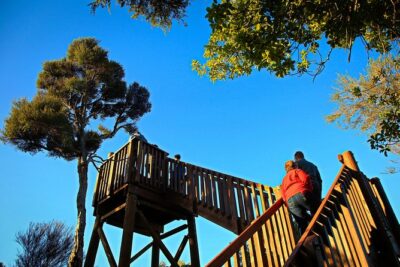
Motuara Wildlife Sanctuary Tour and Dolphin Cruise from Picton
Read our review →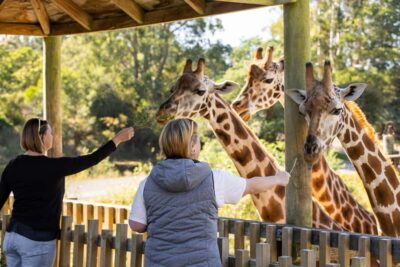
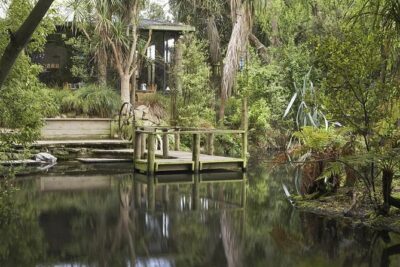

Franz Josef: West Coast Wildlife Centre Entry Ticket -48 hrs
Read our review →
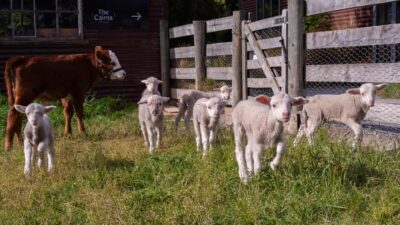
Akaroa Shore Excursion: Banks Peninsula, Christchurch City Tour and Willowbank Wildlife Reserve
Read our review →Browse the lists this tour appears in