
REVIEW · NEW ZEALAND
Franz Josef: West Coast Wildlife Centre Entry Ticket -48 hrs
Franz Josef’s West Coast Wildlife Centre gives you something rare in New Zealand: a close look at live kiwi in an open, glass-free nocturnal habitat, plus tuatara and rescued little blue penguins under one roof. The centre also houses the South Island’s largest kiwi incubation and hatching facility.
I like the strong conservation link, especially the work with rowi and Haast tokoeka, two of the world’s most endangered kiwi species. I also like the flexibility of the 48-hour pass, which lets you return for feeding times or take a second look without rushing. The main caution is supervision: the kiwi room may be unaccompanied, so visitors must follow the rules and keep noise and movement under control.
Key points
- Open kiwi viewing: See kiwi in a specially designed nocturnal room without glass barriers.
- Rare conservation work: The centre supports incubation and hatching for rowi and Haast tokoeka kiwi.
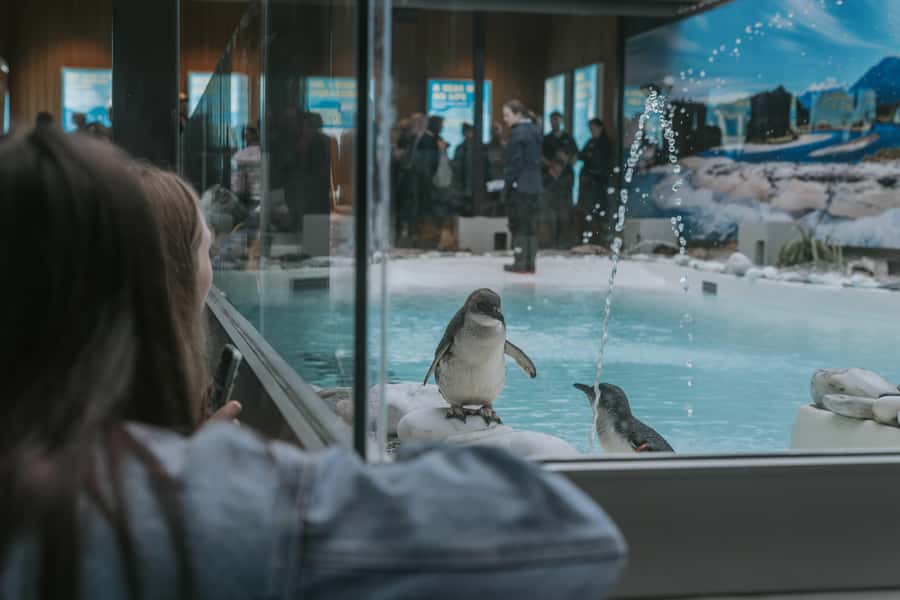
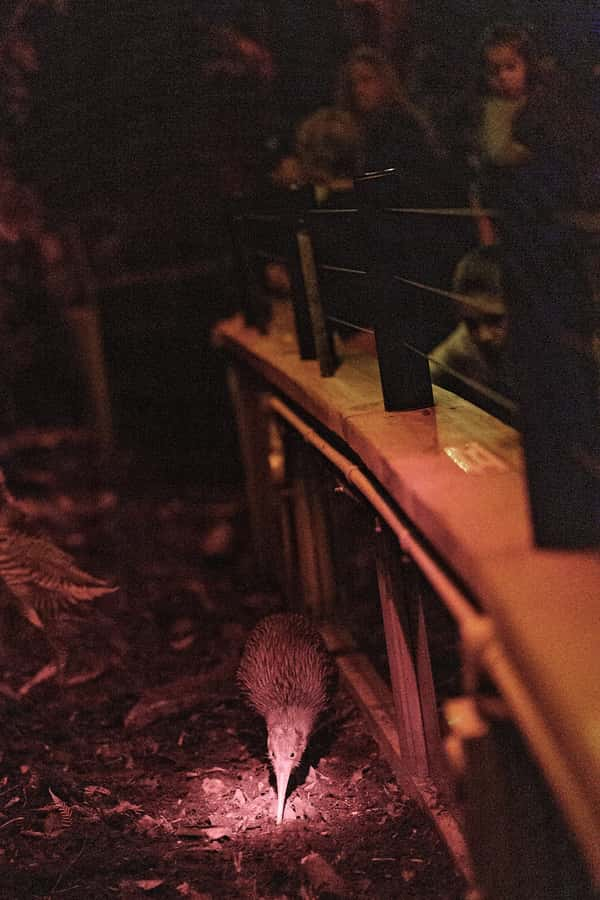
- Rescued penguins: Meet kororā, or little blue penguins, that cannot return to the wild.
- Tuatara encounter: See New Zealand’s ancient reptile in an indoor habitat.
- Useful 48-hour access: Return during two days from your first entry, including for the 11am and 3pm penguin feedings.
- All-weather stop: A practical choice when rain, wind, or poor glacier conditions interrupt outdoor plans.
Kiwi, tuatara, and penguins in one Franz Josef stop
Franz Josef is best known for its glacier and wild West Coast scenery. Weather can change quickly here, though, and outdoor plans do not always survive the rain. The West Coast Wildlife Centre gives you a reliable indoor activity with a clear New Zealand focus.
This is not a large zoo with dozens of unrelated animals. The visit centres on three native species: kiwi, tuatara, and kororā penguins. That tighter focus makes the conservation message easier to follow, especially if you take time to read the displays and watch the animals rather than racing through.
You can spend as little as 30 minutes inside, but I would allow two hours for the best experience. A quick visit covers the main habitats. A slower visit gives you time to wait for animals to appear, read the kiwi stories, attend a penguin feeding, and browse the displays.
The centre is open daily from 8am, including most public holidays. You check in at the main ticket counter between 8am and 5pm. Transportation is not included, so you need to make your own way to the attraction in Franz Josef.
More Wildlife Sanctuaries in New Zealand:
- Island Hopper Day Cruise – sailing to wildlife sanctuary island – 6 hr cruise
★ 5.0 · 301 reviews - Motuara Wildlife Sanctuary Tour and Dolphin Cruise from Picton
★ 4.5 · 180 reviews - Skip the Line: Franz Josef Wildlife Center Ticket with Optional Backstage Pass
★ 4.5 · 160 reviews
The open kiwi room and why it matters
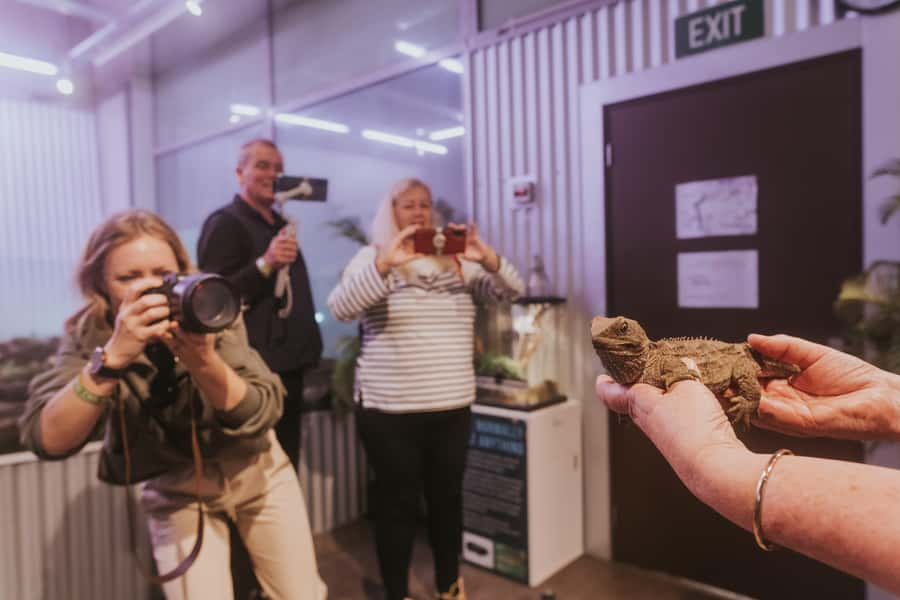
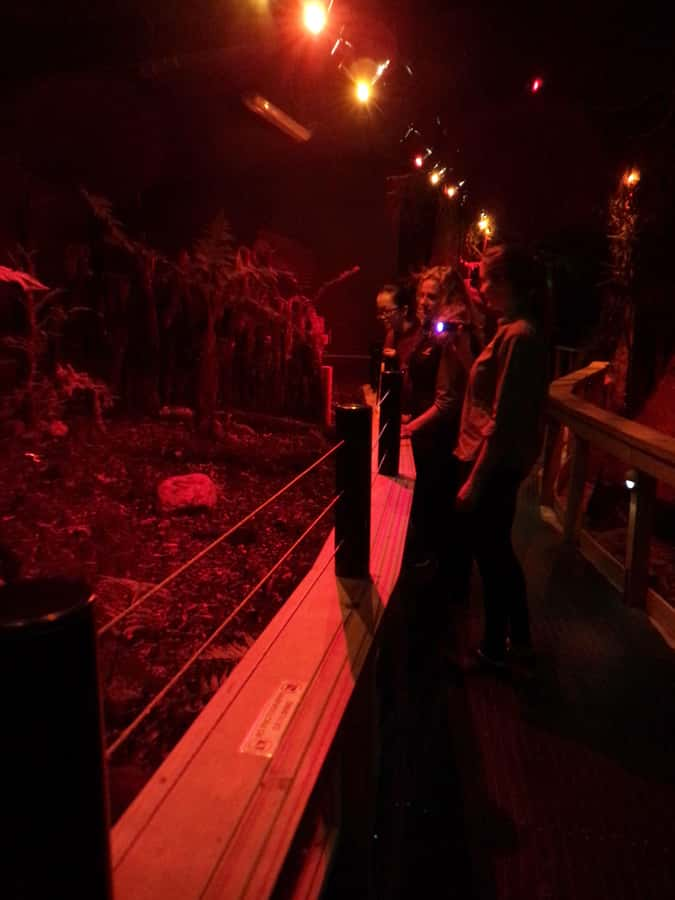
The kiwi viewing area is the heart of the centre. It recreates a nocturnal environment, so the room is dark and the birds are active during the hours when kiwi naturally move about. You do not look through a standard glass viewing panel. The kiwi habitat is designed as an open setting without glass barriers.
That arrangement can feel more natural than a conventional enclosure, but it also places responsibility on you. Keep your voice low, move carefully, and follow the instructions in the room. Kiwi are sensitive birds, and careless behaviour can cause unnecessary stress.
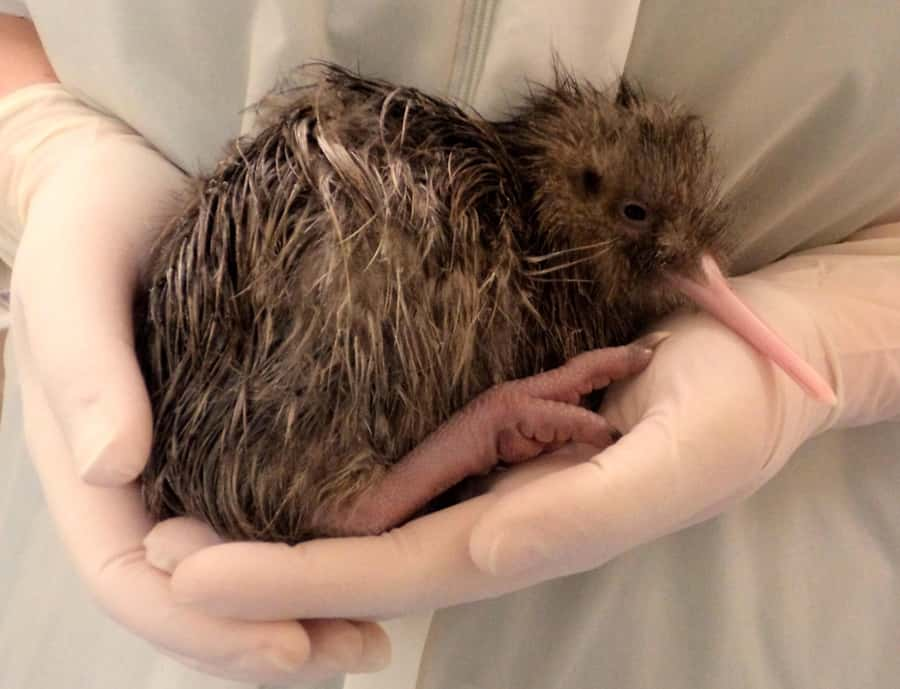
The centre is closely linked to the incubation and hatching programme for rowi and Haast tokoeka. These are not just familiar brown kiwi varieties. They are two of the rarest kiwi species in the world, and the programme gives the visit a real conservation purpose.
The incubation work also helps explain why a kiwi sighting may not be immediate or dramatic. You might see a bird moving through the dark, foraging, or pausing in the vegetation. You may see only one or two kiwi during a short visit. That is part of the nature of a nocturnal habitat, not a guarantee that every bird will perform for the crowd.
One practical concern is that the kiwi room may not always have a staff member present. A recent account described people ignoring the rules while the kiwi appeared stressed. I would treat the room as a quiet viewing area, not a place for conversation or close pursuit. If you are visiting with children, explain the rules before entering and stay with them.
The Ambassador Penguin Encounter
The Ambassador West Coast Penguin Encounter opened on 18 October 2025. It brings rescued kororā, or little blue penguins, into a purpose-built habitat at the centre. These birds cannot return to the wild, so the exhibit gives them a safe permanent home while showing you some of the problems faced by New Zealand’s seabirds.
The penguin area adds a more active element to the visit. The birds are easy to connect with because they are familiar, lively, and visible in a way that a shy kiwi may not be. Daily keeper talks add context about the penguins’ rescue stories and care.
Plan around the live feeding times if you can. Feeding takes place at 11am and 3pm. The 48-hour pass is especially useful here because you do not have to force your whole visit around one short window. You can enter one day, return the next, and choose the feeding that best fits your Franz Josef plans.
The penguin encounter is also a good reason to return after your first circuit. Your first visit may be about learning the layout. A second visit at feeding time can give you a closer look at the animals and a better sense of their behaviour.
The exhibit is new, so the overall experience may feel more polished and active than the older parts of the centre. Still, the penguins are rescued animals in human care, not wild birds in an open coastal setting. If your main goal is to see wildlife in the wild, this is different. If you want a close, educational look at kororā that cannot survive outside care, it is a meaningful addition.
Meeting New Zealand’s ancient tuatara
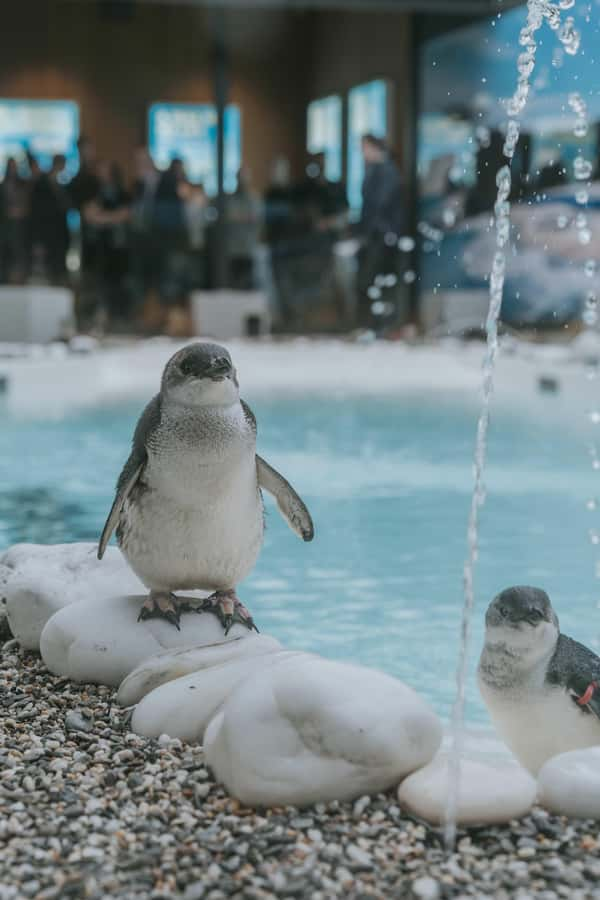
Tuatara are often described as living dinosaurs, though they are not dinosaurs in the strict scientific sense. Their lineage reaches back more than 200 million years, and the centre gives them a dedicated indoor habitat.
The tuatara encounter is quieter than the penguin section. You may see a tuatara basking, feeding, or moving slowly through the habitat. That slower pace is part of the appeal. This is an animal to observe rather than expect to entertain you.
The habitat also gives the centre a useful chance to explain how unusual tuatara are and why they matter to New Zealand. Many visitors arrive focused on kiwi, but the tuatara display adds another layer to the country’s native wildlife story.
If you have young children, the tuatara area may require a little patience. The animals may not move much during your visit. Pair it with the kiwi and penguin sections, where you have a better chance of seeing more activity.
More Zoo Entry Tickets in New Zealand:
- Christchurch: Orana Wildlife Park Admission
★ 4.5 · 119 reviews - Willowbank Wildlife Reserve Day Entry Ticket
★ 4.5 · 85 reviews - Amsterdam: ARTIS Amsterdam Royal Zoo Entry Ticket
★ 4.6 · 5,651 reviews - Rotterdam: Rotterdam Zoo Blijdorp Entry Ticket
★ 4.6 · 2,754 reviews
How to plan your 48-hour pass
The entry ticket costs $38 per person and remains valid for two days from first activation. That is a fair price if you use the flexibility, especially for a family or anyone staying in Franz Josef overnight.
A single two-hour visit may be enough for many people. The practical value of the pass appears when you return for a feeding or when your first visit is interrupted by poor timing. You can look through the centre once, then come back at 11am or 3pm for the penguins without paying for a second entry.
I would plan the visit in one of three ways:
- Short stop: Allow 30 to 45 minutes for the key habitats and main displays.
- Full visit: Allow up to two hours for kiwi, tuatara, penguins, conservation information, and the glacier stories.
- Two-visit plan: Go once during your first day in Franz Josef, then return for a penguin feeding on the second day.
The centre opens at 8am, but the stated ticket-counter hours run from 8am to 5pm. Since penguin feeding is at 11am and 3pm, check your wider Franz Josef plans before choosing a time. Glacier walks, scenic drives, and changing weather can all affect your schedule.
The pass does not include food, drinks, or transport. Food and drinks are not allowed inside the attraction, but there is a coffee shop available. The gift shop is also on site.
A useful rainy-day plan near the glacier
The West Coast Wildlife Centre makes particular sense when the weather is poor. Franz Josef’s glacier region is famous for outdoor scenery, but heavy rain or low cloud can reduce what you see outside. The wildlife centre gives you a solid activity that does not depend on clear skies.
That does not mean you should treat it as a backup of little importance. The indoor setting protects the animals and the interpretation work from the weather, while giving you a closer look at species you may not see during a walk or drive.
I would use it as part of a balanced Franz Josef day. Visit the wildlife centre in the morning, attend the 11am penguin feeding, then continue with other plans if the weather allows. On a wet afternoon, spend more time with the exhibits, return to the habitats, and use the coffee shop before heading back out.
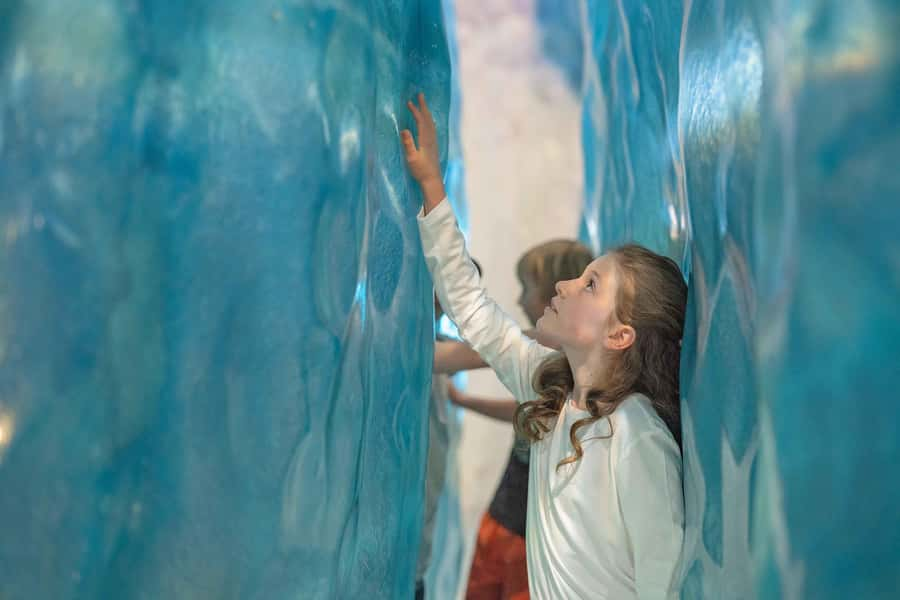
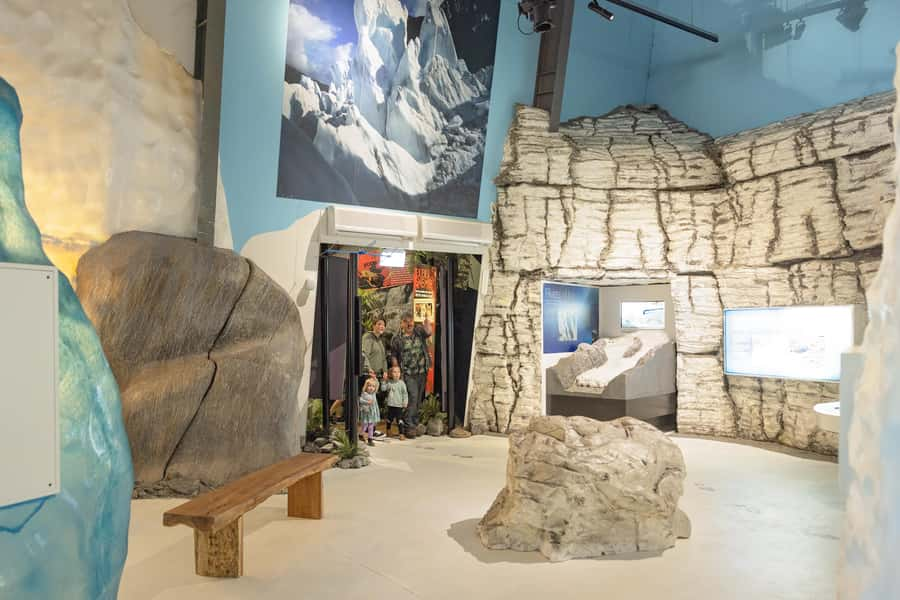
The centre also connects the animals to the nearby Franz Josef Glacier through stories about wildlife, place, and the forces that shape the South Island. You do not need a glacier walk to understand the basic link between the region’s natural setting and its conservation work.
What the $38 ticket really buys you
At $38 per person, this is not a throwaway attraction for a quick ten-minute stop. You are paying for access to specialist animal habitats, live kiwi viewing, the penguin encounter, the tuatara area, conservation displays, and two days of entry.
The price works best for:
- People staying in Franz Josef for at least one night
- Families that value flexible timing
- Anyone who wants an indoor activity in uncertain weather
- Visitors interested in New Zealand conservation rather than only scenic viewpoints
- People willing to return for a feeding or a second viewing
The value is weaker if you have only a short window and plan to spend just 30 minutes inside. It may also disappoint if you expect a large collection of animals or a hands-on petting experience. This is a focused wildlife centre, not a full-scale zoo.
The strongest part of the value is the conservation work. Your entry helps support kiwi protection, incubation, and hatching. You also get access to animals that are difficult to see in the wild, especially the rare kiwi species connected with the centre’s programme.
VIP backstage tours and access needs

VIP Backstage Pass Tours are available for an additional charge. They have limited availability, so book ahead if you want this more detailed option. The standard $38 entry does not include the VIP tour.
The regular attraction is wheelchair accessible. The host or greeter operates in English, and the available language for the experience is English.
Food and drinks cannot be taken inside. You can use the coffee shop before or after your visit, but plan accordingly if you are travelling with children who need snacks at set times.
The centre accepts cancellations up to 24 hours before the activity for a full refund. You can also reserve now and pay later, which helps if your West Coast schedule depends on weather.
Who should visit the West Coast Wildlife Centre?
I would recommend this for families, wildlife lovers, and anyone who wants more meaning from a Franz Josef stop than a quick photo near the glacier. The combination of kiwi, tuatara, and rescued penguins gives you a compact introduction to important New Zealand species.
It is also a smart choice for a rainy day. The all-weather setting removes one of the main problems with planning outdoor activities on the West Coast.
You should set realistic expectations. The kiwi room is dark, the birds may be hard to spot, and a short visit might reveal only one or two kiwi. The tuatara may be still. The penguins are rescued animals in a managed habitat, not wildlife you have found in the bush.
If you are careful and patient, those limits become part of the experience. The centre asks you to observe rather than demand action from the animals. That approach is especially important in the kiwi room, where quiet behaviour protects the birds.
Should you book this Franz Josef wildlife ticket?
Book it if you have two days in Franz Josef, want an indoor attraction, or care about seeing New Zealand wildlife alongside genuine conservation work. The 48-hour pass gives you enough flexibility to return for the 11am or 3pm penguin feeding, which improves the value considerably.
I would be more cautious if your schedule allows only a very short stop or if you expect a large zoo with constant animal activity. The kiwi viewing can be subtle, and the room may not always be supervised.
For most visitors, the best plan is simple: allow up to two hours, visit at a penguin feeding time, keep the kiwi room quiet, and return the next day if your schedule permits. At $38, that makes the West Coast Wildlife Centre a worthwhile Franz Josef stop, especially when rain puts outdoor plans on hold.
FAQ
How long is the West Coast Wildlife Centre ticket valid?
The ticket is valid for two days from your first activation.
How much does entry cost?
Entry costs $38 per person.
What animals can I see?
You can see live kiwi, rescued kororā or little blue penguins, and tuatara.
When are the penguin feedings?
Live penguin feedings take place at 11am and 3pm.
Is the attraction open in bad weather?
Yes. The West Coast Wildlife Centre is an indoor, all-weather attraction.
Is transportation included?
No. Transportation to and from the centre is not included.
Can I cancel my booking?
Yes. You can cancel up to 24 hours in advance for a full refund. You can also reserve now and pay later.
Just added around New Zealand
- Wellington Zoo General Entry Tickets★ 3.9 · 7 reviews
- Dolphin & Wildlife Encounters★ 5.0 · 6 reviews
- Akaroa Shore Excursion: Banks Peninsula, Christchurch City Tour and Willowbank Wildlife Reserve★ 3.5 · 26 reviews
- Greymouth: Glacier, Heritage & Wildlife Centre Guided Tour★ 3.8 · 13 reviews
- Willowbank Wildlife Reserve Day Entry Ticket★ 4.5 · 85 reviews
- Willowbank Wildlife Reserve Day Entry★ 4.5 · 94 reviews
- Lake Tekapo: Guided Petting Zoo Visit★ 4.9 · 92 reviews
- Christchurch: Orana Wildlife Park Admission★ 4.5 · 119 reviews
New Zealand Zoos, compared.

Rotorua: 6 Ziplines, Swing-Bridges & Wildlife Encounters
Read our review →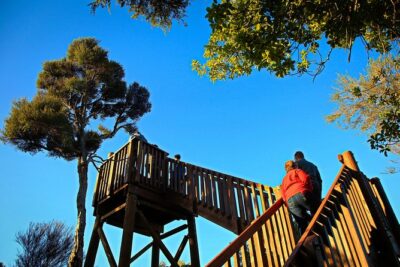
Motuara Wildlife Sanctuary Tour and Dolphin Cruise from Picton
Read our review →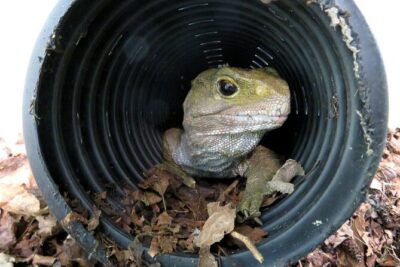
Skip the Line: Franz Josef Wildlife Center Ticket with Optional Backstage Pass
Read our review →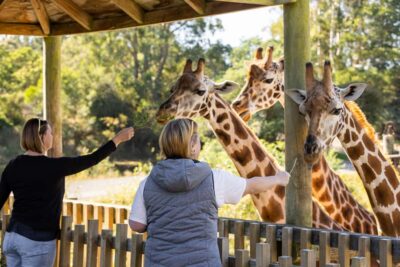
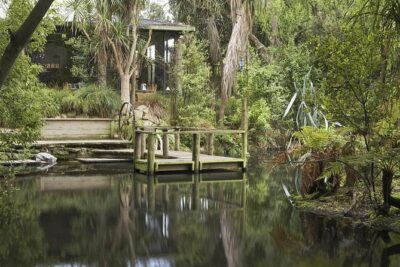


Akaroa Shore Excursion: Banks Peninsula, Christchurch City Tour and Willowbank Wildlife Reserve
Read our review →Browse the lists this tour appears in