
REVIEW · NEW ZEALAND
Christchurch: Orana Wildlife Park Admission
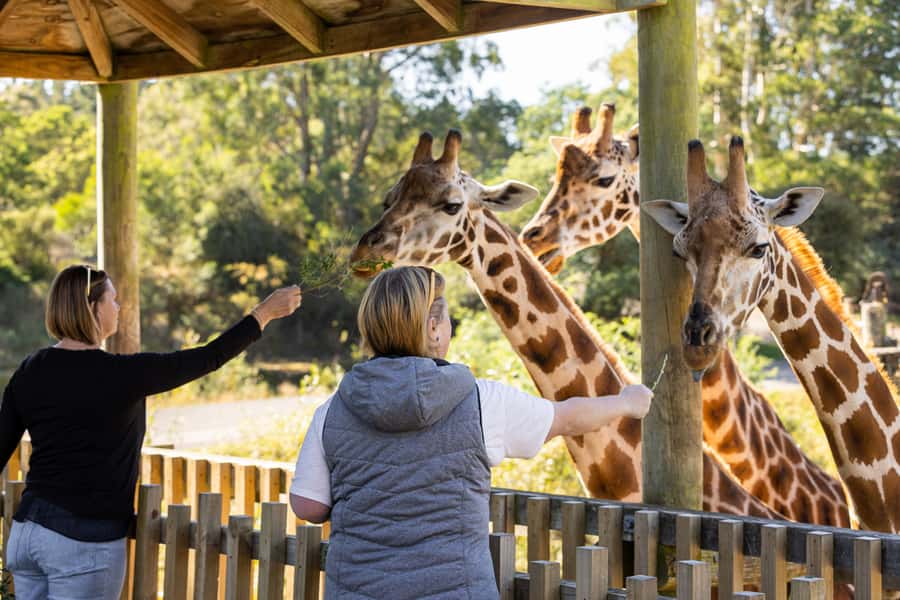
The best part of Orana Wildlife Park is the chance to get close to animals that usually stay far beyond a zoo barrier. Hand-feeding a giraffe is the headline moment, but rhino encounters, kiwi, native birds, and New Zealand’s only gorillas give the day plenty of variety.
I like the free Safari Shuttle, which saves your legs on the long loop, and the regular wildlife presentations, which give your visit a useful rhythm. The main drawback is simple: Orana is large, so you need comfortable shoes and a morning start if you want to see everything without rushing.
Key points to know before you go
- Giraffe feeding is the star encounter: Get close enough to offer food directly to these gentle giants.
- The free Safari Shuttle has eight stops: Ride the full loop or hop off near the next presentation.
- New Zealand wildlife gets proper attention: Look for kiwi, kakariki, whio, kea, native reptiles, and farmyard animals.
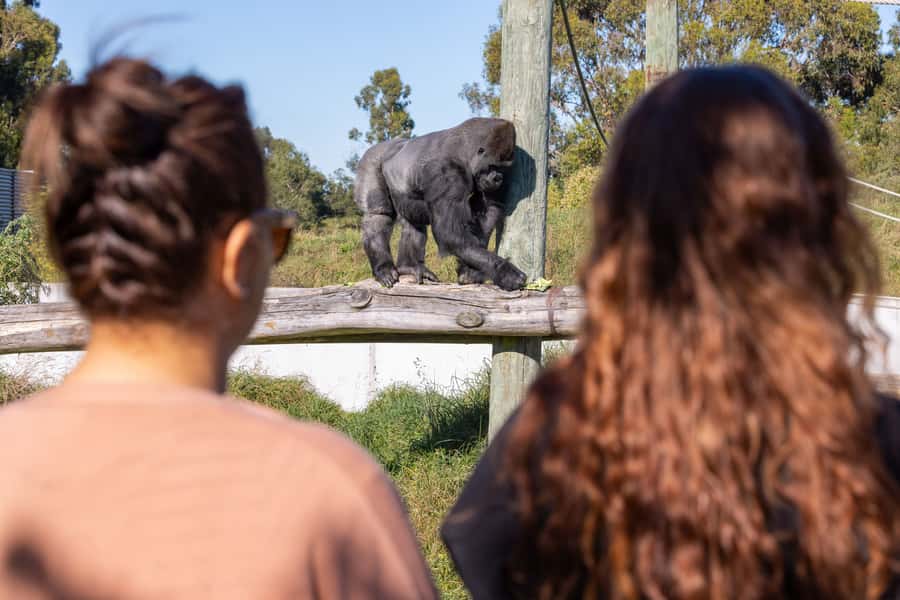
- Gorillas are a rare sight here: Orana is home to New Zealand’s only gorillas.
- Plan around the presentation schedule: Talks begin at 10:45 AM and continue through the day.
- Allow about four hours: Two hours is the minimum suggested visit, but a full day lets you see more animals at a comfortable pace.
Why Orana Wildlife Park works as a Christchurch day out
Orana Wildlife Park sits on 180 hectares at McLeans Island, about a 15-minute drive from Christchurch Airport. It is New Zealand’s only open-range zoo, so the setting feels more spread out than a compact city zoo. You move between large animal areas rather than simply walking from one small enclosure to the next.
That size is both the park’s strength and its main practical challenge. You get roomier habitats and a sense of space, but you also need to cover a fair distance. The ground is described as a flat walk, which helps, and the complimentary shuttle gives you another way to get around.
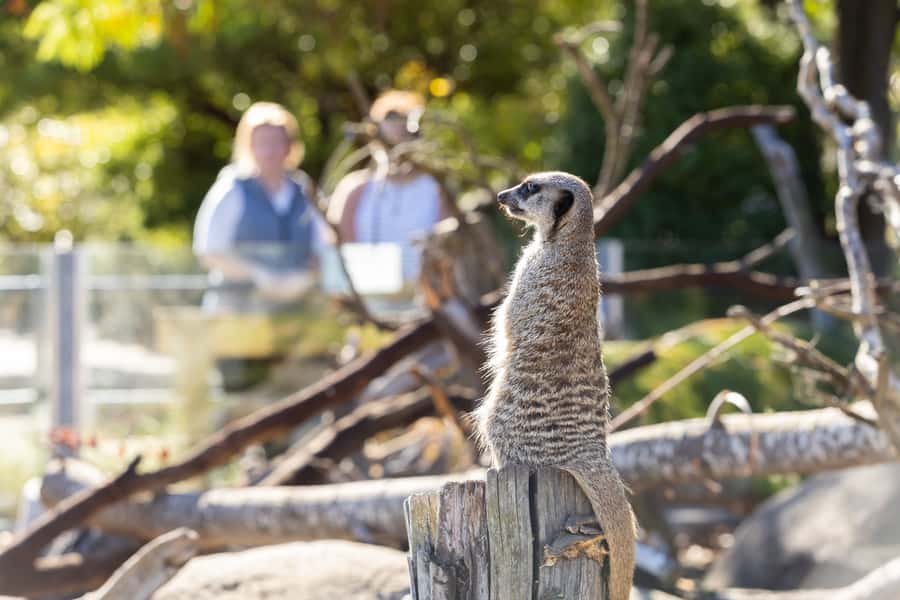
The park houses more than 1,000 animals from over 90 species. That mix means you are not coming for just one star animal. You can build a day around giraffes, big cats, gorillas, or native wildlife, then fill the gaps with birds, reptiles, monkeys, meerkats, Tasmanian devils, and domestic animals.
I would treat this as a full morning and afternoon outing, not a quick stop between airport transfers. The park opens at 10 AM, with the first regular presentation at 10:45 AM. The last admission is at 4 PM, and the park closes at 5 PM.
More Zoo Entry Tickets in New Zealand:
- Willowbank Wildlife Reserve Day Entry Ticket
★ 4.5 · 85 reviews - Franz Josef: West Coast Wildlife Centre Entry Ticket -48 hrs
★ 4.2 · 33 reviews - Amsterdam: ARTIS Amsterdam Royal Zoo Entry Ticket
★ 4.6 · 5,651 reviews
Start at 10 AM and let the talks set your route
Arrive close to opening if you want to follow the whole program. The daily presentations begin at 10:45 AM, and the schedule is designed to lead you around the park. This is more useful than wandering at random, especially on a first visit.
The wildlife guides provide information at each presentation and answer questions as you go. The talks are a good reason to pause instead of simply taking photos and moving on. You learn what you are looking at, how the animals behave, and why the park keeps particular species.
Presentations and animal encounters take place roughly every half hour, according to the practical experience of recent visitors. That spacing gives you time to walk between stops without turning the day into a race. Still, the park is large enough that you should glance at the schedule when you arrive and decide which sessions matter most to you.
A sensible plan is to attend the first presentation, use the shuttle for a longer stretch, then walk between nearby stops. If you miss one talk, do not panic. The shuttle and the loose half-hour rhythm make it possible to keep exploring and catch another activity later.
Hand-feed a giraffe at close range
Giraffe feeding is the experience most likely to become your lasting memory. You get close enough to offer food to one of the park’s tallest residents, which makes the size and reach of the animal feel real in a way that watching from a distance cannot.
The encounter is short, but it has plenty of impact. A giraffe leans down toward you, takes the food, and then pulls back up to its full height. It is a simple interaction, yet it works for children and adults alike.
Try not to make the entire visit depend on one feeding session. Animal activity can vary, and the daily schedule gives you many other stops to enjoy. If giraffe feeding is your priority, build your day around its scheduled time and arrive early enough to find the area without hurrying.
Bring your camera, but keep it ready before the animal approaches. The encounter can pass quickly, and you will want to look up from the screen as well. The better memory is the giraffe itself, not just the photograph.
Meet rhino and watch the larger mammals
Orana also gives you a close look at rhino. The chance to see such a powerful animal nearby adds a different mood to the giraffe encounter. Rhino are not delicate or decorative exhibits, and seeing one at close range helps you understand its bulk, strength, and quiet presence.
The park also features lions, tigers, zebras, cheetah, monkeys, meerkats, and Tasmanian devils. The range is broad enough to keep the day interesting even if one animal is resting or out of view. The large habitats also mean you may see animals moving through their space rather than posing beside a viewing window.
Animal activity is never guaranteed at a precise moment. One past visit found some animals temporarily off display because they were unwell, while the lions were especially lively after feeding. That is a useful reminder to keep expectations flexible. You may see a dramatic burst of action, or you may find a quieter animal simply resting.
The open-range design gives these animals more room, but it can also make some sightings less immediate. Bring patience. A few minutes of looking can pay off, especially around scheduled feeding or presentation times.
A few more animal parks around New Zealand worth a look
- Rotorua: 6 Ziplines, Swing-Bridges & Wildlife Encounters
★ 4.9 · 347 reviews - Island Hopper Day Cruise – sailing to wildlife sanctuary island – 6 hr cruise
★ 5.0 · 301 reviews - Motuara Wildlife Sanctuary Tour and Dolphin Cruise from Picton
★ 4.5 · 180 reviews - Skip the Line: Franz Josef Wildlife Center Ticket with Optional Backstage Pass
★ 4.5 · 160 reviews
Find kiwi and New Zealand’s native birds
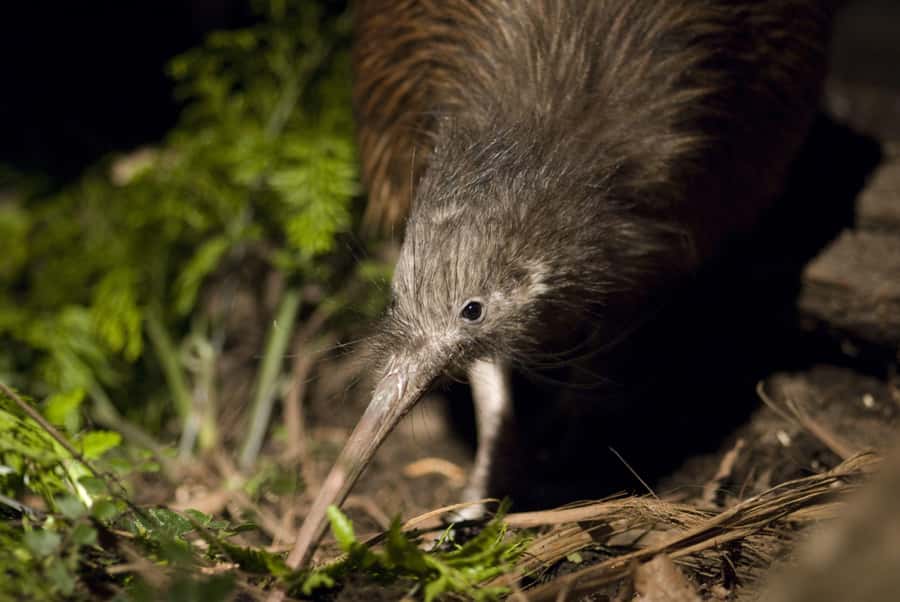
Orana is not only about exotic mammals. The native bird areas give you a chance to focus on animals that are closely tied to New Zealand, including kiwi, kakariki, whio, and kea.
The walk-through aviaries are a strong part of the visit because you enter the birds’ space instead of viewing them only from outside. That changes the pace. You are not simply ticking off species. You are moving slowly, watching for movement, calls, and small details.
Kiwi can be harder to spot than large mammals, so allow time and keep your eyes open. This is one stop where a quiet approach helps. The native bird areas also provide a good contrast with the louder, more obvious encounters elsewhere in the park.
Kea add a mischievous note to the native collection, while whio and kakariki show the range of birds protected and presented here. The park also has native reptiles, giving you another chance to focus on species that you might not see during a normal Christchurch sightseeing day.
If you are visiting with children, this section works well as a change of pace after the larger animals. It encourages observation rather than waiting for a big roar or a feeding session.
See New Zealand’s only gorillas

Orana is home to New Zealand’s only gorillas, making this one of the park’s most distinctive stops. Gorillas have an immediate presence, but the appeal is not just their size. Watching their behavior and social interactions gives the visit a more thoughtful side.
Give yourself time here instead of treating the gorilla area as a quick photo stop. The animals may be active, quiet, or partly hidden, and that variation is part of seeing living animals rather than a fixed display.
The gorillas also help explain why Orana feels different from a standard small zoo. The park’s collection includes major international species alongside New Zealand wildlife, and the open setting gives each group more room to occupy.
Use the shuttle, then walk the parts you want
The complimentary Safari Shuttle is one of the most practical features at Orana. It makes about eight quick stops around the park, so you can ride the full loop or get off near a presentation and continue on foot.
I would use the shuttle early in the day to understand the layout. A full circuit helps you see how the park is arranged, and then you can return to the areas that interest you most. It also saves energy for the animal encounters that require standing and waiting.
The best approach is a mix of transport and walking. Ride between distant areas, then stroll around individual sections. If you are visiting with young children, the shuttle can make the day much easier. If you prefer a guided introduction, you can join a guided walkabout tour, or simply explore at your own pace.
The park is well signposted, so you should not have trouble finding the main areas. Even so, do not assume you can cover every corner in a short visit. The average stay is about four hours, and at least two hours is recommended.
Facilities that make a long visit easier
Orana has two large picnic areas, a café, a children’s adventure playground, and a wildlife-themed gift shop. These are not the reason to visit, but they matter when you are spending most of a day outdoors.
The café gives you an easy lunch option, and the food has received positive practical attention from visitors. You can also bring the day to a slower pace with a picnic rather than trying to keep moving from one presentation to the next.
The playground is useful for families who need a break from animal watching. A child may enjoy giraffe feeding and gorillas, then need somewhere to run around. Planning that pause can make the whole visit more pleasant.
Wear comfortable shoes. Even with the shuttle, you will walk for a couple of hours if you want to see the main areas. Sunscreen is also a sensible choice, especially because much of the experience takes place outdoors.
The park is wheelchair accessible, and its flat walking areas make movement easier. The distance between sections may still matter, so the shuttle can be useful if you want to limit walking.
Is the $23 admission good value?
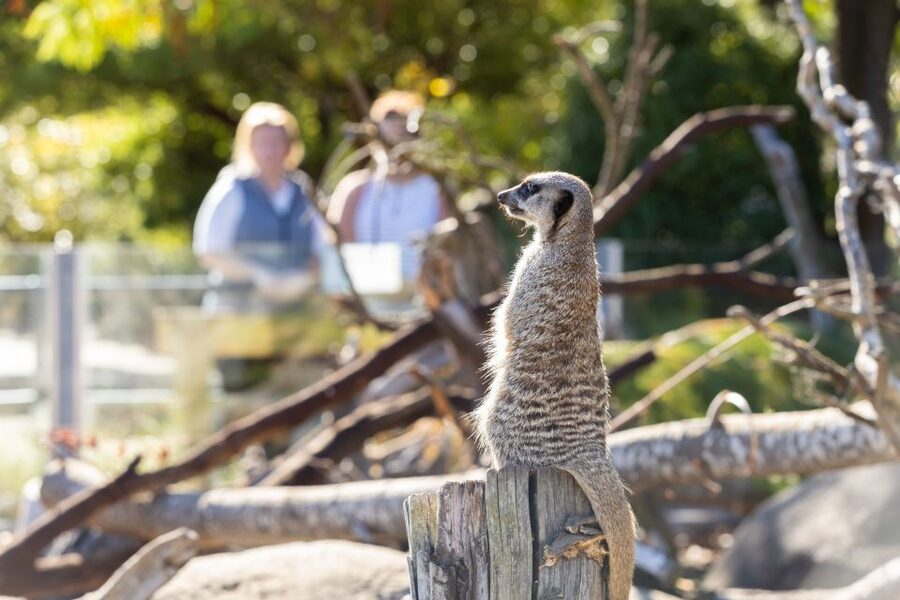
At $23 per person, admission offers strong value for a full day, particularly because the regular presentations and the Safari Shuttle are included. You are not paying a high entry price and then adding a separate charge for every worthwhile moment.
The giraffe feeding, animal talks, native bird areas, gorillas, large mammals, playground, and walking space give the admission real substance. A two-hour visit makes the price reasonable. A four-hour visit makes it better value.
Your final cost can rise if you buy food, gifts, or other extras, but you can keep the core outing simple. The included shuttle is especially helpful because it reduces the need to pay for separate transport around the park.
I would compare Orana with a short wildlife stop only if your Christchurch schedule is tight. If you have half a day or more, the admission gives you enough variety to justify the time. The value comes from the length of the visit and the number of included encounters, not from rushing through a checklist.
Who should book Orana Wildlife Park?
I would recommend Orana to families, animal lovers, and anyone with time before a flight from Christchurch Airport. The location is convenient, and the mix of big mammals and native species gives different ages something to focus on.
It is also a good choice for visitors who want more than a formal zoo setting. The open-range layout, shuttle, scheduled talks, and wide animal areas create a full outing rather than a quick indoor attraction.
You should think twice if you dislike walking, have only a very short gap in your schedule, or want guaranteed close views of every animal. Animal activity changes, and the park’s size requires some planning.
For the best day, arrive near 10 AM, check the presentation schedule, choose your top three encounters, and use the shuttle to save energy. Let the rest of the visit unfold at a slower pace.
Practical details before arrival
The meeting point is Orana Wildlife Park, 793 McLeans Island Road, McLeans Island, Christchurch 8051. The park is open from 10 AM to 5 PM, with last admission at 4 PM, and it is closed on December 25.
Your admission is valid for one day. Free cancellation is available up to 24 hours before the visit, with a full refund, and reserve now, pay later booking is available. These options help if your Christchurch plans are still shifting.
Bring comfortable shoes and a camera. I would also bring sun protection and allow more time than the two-hour minimum if giraffe feeding, native birds, gorillas, and the scheduled talks are all on your list.
Should you book this experience?
Book it if you want a substantial wildlife day near Christchurch, especially if giraffe feeding and native New Zealand species appeal to you. The combination of included presentations, a free shuttle, open-range habitats, and more than 90 species makes the $23 admission easy to justify.
Skip it only if your schedule allows less than two hours or you want a compact attraction with almost no walking. For everyone else, arrive early, follow the talks, and give yourself about four hours. That is enough time to enjoy the major encounters without treating the park like a race.
FAQ
How long should I allow for Orana Wildlife Park?
At least two hours is recommended, but the average visit lasts about four hours. Allowing most of the day gives you more time for presentations, animal encounters, walking, and the shuttle.
What time does Orana Wildlife Park open?
The park is open from 10 AM to 5 PM. Last admission is at 4 PM, and the first regular animal presentation begins at 10:45 AM.
Is the Safari Shuttle included?
Yes. The complimentary Safari Shuttle makes about eight stops around the park. You can ride the full loop or get off near a presentation and continue on foot.
Can I feed the giraffes?
Yes. Hand-feeding giraffes is one of the wildlife experiences available during the visit. Check the daily schedule when you arrive so you can plan around the feeding time.
Is Orana Wildlife Park wheelchair accessible?
Yes, the park is wheelchair accessible. The grounds are described as a flat walk, and the shuttle can help reduce the distance you need to cover.
What happens if I need to cancel?
You can cancel up to 24 hours in advance for a full refund. Reserve now, pay later booking is also available.
Just added around New Zealand
- Wellington Zoo General Entry Tickets★ 3.9 · 7 reviews
- Dolphin & Wildlife Encounters★ 5.0 · 6 reviews
- Akaroa Shore Excursion: Banks Peninsula, Christchurch City Tour and Willowbank Wildlife Reserve★ 3.5 · 26 reviews
- Greymouth: Glacier, Heritage & Wildlife Centre Guided Tour★ 3.8 · 13 reviews
- Franz Josef: West Coast Wildlife Centre Entry Ticket -48 hrs★ 4.2 · 33 reviews
- Willowbank Wildlife Reserve Day Entry Ticket★ 4.5 · 85 reviews
- Lake Tekapo: Guided Petting Zoo Visit★ 4.9 · 92 reviews
- Willowbank Wildlife Reserve Day Entry★ 4.5 · 94 reviews
New Zealand Zoos, compared.

Rotorua: 6 Ziplines, Swing-Bridges & Wildlife Encounters
Read our review →
Motuara Wildlife Sanctuary Tour and Dolphin Cruise from Picton
Read our review →
Skip the Line: Franz Josef Wildlife Center Ticket with Optional Backstage Pass
Read our review →


Franz Josef: West Coast Wildlife Centre Entry Ticket -48 hrs
Read our review →
Akaroa Shore Excursion: Banks Peninsula, Christchurch City Tour and Willowbank Wildlife Reserve
Read our review →Browse the lists this tour appears in