
REVIEW · NEW ZEALAND
Willowbank Wildlife Reserve Day Entry
Willowbank’s biggest draw is simple: you can see a kiwi in one visit, along with kea, kaka, takahe, tuatara, wallabies, capybara, and farm animals. The kiwi house is dark and quiet, so you need patience, but the chance to spot New Zealand’s shy national bird makes this a useful stop near Christchurch Airport.
I like the freedom to walk at your own pace, and I like the hands-on design, where you can feed and pat selected animals. The main consideration is that the reserve mixes native wildlife with introduced species and farm animals, so it feels more like a broad family wildlife park than a pure native sanctuary.
Key points to know before you go
- Kiwi viewing is guaranteed: The nocturnal kiwi house gives you the best chance to see one, but the dark setting requires patience and quiet.
- Plan on one to three hours: You can make a quick visit, but the paths, animal areas, play spaces, and cafe can easily fill half a day.
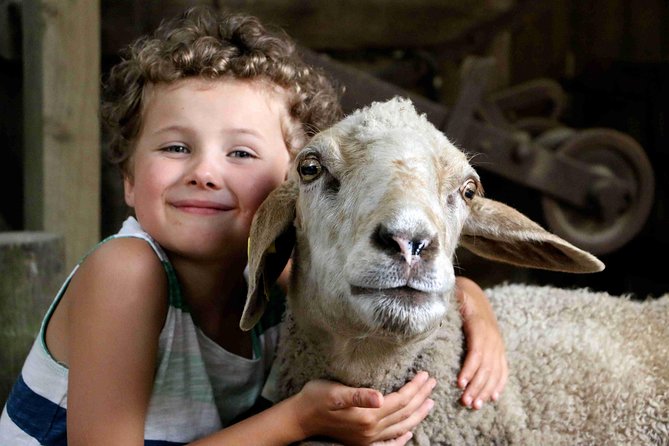
- Expect a hands-on visit: You can feed some animals and pat sheep, rabbits, and alpaca, with food-seeking deer and ducks often close by.
- A useful airport stop: Willowbank is close to Christchurch Airport and can fit neatly around a Christchurch arrival or departure.
- Good for mixed-age groups: Children get interactive animal encounters, while adults can focus on New Zealand birds, tuatara, and the peaceful wooded paths.
- Bring patience for the kiwi house: The enclosure is dark because kiwi are nocturnal, and you may need to wait quietly or let your eyes adjust.
Kiwi first, then the rest of New Zealand
Willowbank Wildlife Reserve tells the story of New Zealand through animals. That story is not limited to the famous kiwi. You get a broad look at native birds and reptiles, introduced animals, and the farm species that are part of everyday New Zealand life.
The guaranteed kiwi viewing is the reason many people choose this reserve. Kiwi are nocturnal, so the enclosure is kept dark during visiting hours. That is good for the birds, but it changes the experience for you. You are not strolling into a bright exhibit and expecting an instant photo.
Instead, you enter quietly, allow your eyes to adjust, and look carefully behind the fence. A kiwi may be moving around, resting, or partly hidden. One useful trick is to listen to staff or another quiet observer pointing out where the bird is, but you should still give yourself time to find it yourself. The reward is a real look at a bird that is difficult to encounter in the wild.
The dark room may frustrate anyone who has trouble adjusting to low light. It can also be hard to photograph the kiwi. I would treat the guarantee as a promise that kiwi are available to see, not a promise of a close, bright, perfectly framed view.
More Wildlife Sanctuaries in New Zealand:
- Island Hopper Day Cruise – sailing to wildlife sanctuary island – 6 hr cruise
★ 5.0 · 301 reviews - Motuara Wildlife Sanctuary Tour and Dolphin Cruise from Picton
★ 4.5 · 180 reviews - Skip the Line: Franz Josef Wildlife Center Ticket with Optional Backstage Pass
★ 4.5 · 160 reviews
Following the Willowbank paths
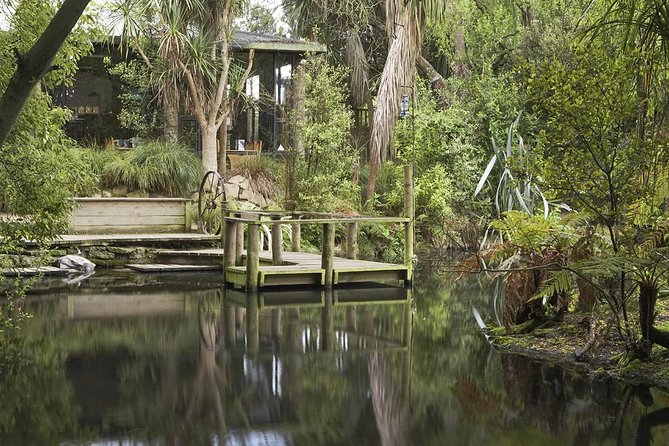
The reserve is arranged as a walk-through experience rather than a tightly timed tour. You follow paths through planted areas and animal habitats, stopping when something catches your eye. Wooden walkways cross water in places, and the setting gives parts of the visit a calm, retreat-like feel.
Allow at least an hour if you only want the main highlights. Two hours is a comfortable target for most people who want to stop at the animal areas, spend time in the kiwi house, and avoid rushing. You can stay longer if you are traveling with children, plan to eat at the cafe, or enjoy watching animals at close range.
The paths are generally easy to follow, though some gravel sections do not have especially clear signs. If you like a strongly marked route, pay attention at junctions and keep the printed or supplied directions handy if available. The reserve is large enough to feel like a proper outing, but not so large that you need a full day to cover it.
I like that the design lets you control the pace. You can linger with a favorite animal, move quickly past a familiar farm species, or return to the kiwi house if you missed a bird the first time.
Native New Zealand species up close
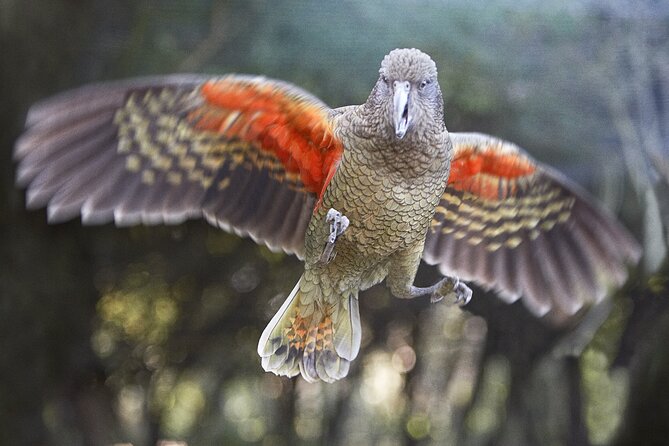
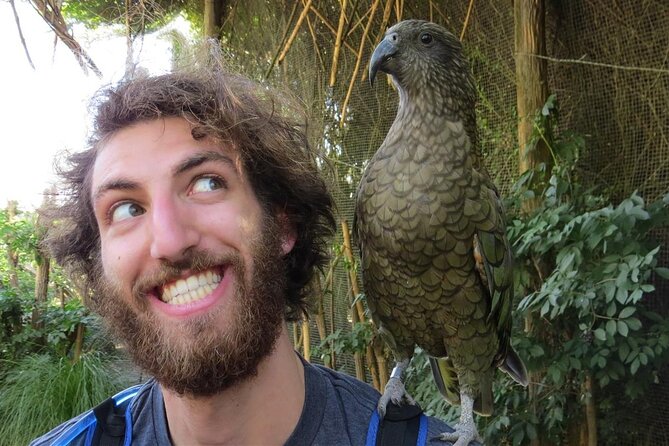
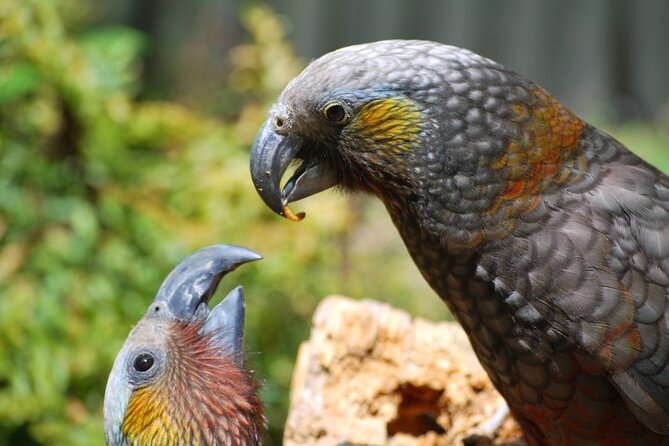
Willowbank brings several hard-to-see New Zealand species together in one place. Kea and kaka give you a look at two distinctive native parrots, while takahe and tuatara add very different pieces of the country’s natural story.
Kea are famous for their curious behavior and strong personalities. Kaka are forest parrots, and takahe are among the native birds that make a visit to a specialist wildlife reserve worthwhile. Tuatara are especially interesting if you want to see an animal that feels far older than the modern world around it.
The native section is strongest when you slow down. Do not treat it as a checklist of species. Watch how the birds use their space, read the displays, and give yourself time at the quieter enclosures. The kiwi house naturally gets the most attention, but the other native species help explain why New Zealand wildlife is so distinctive.
Willowbank also gives you a chance to see black swans, ducks, and other birds in open areas. Some birds are not behind obvious barriers, and ducks may follow you if you are carrying food. That can be amusing for children, though it also means you should keep food controlled and avoid crowding the animals.
Feeding deer, alpaca, and farm animals
The hands-on side of Willowbank is a major reason this works well for families. You can feed selected animals and pat sheep, rabbits, and alpaca. The experience is more active than simply walking past glass-fronted displays.
Food can make you popular very quickly. Deer may approach with surprising confidence, and ducks may trail behind in hope of a snack. That close contact is fun, but you should follow the reserve’s feeding rules and keep young children supervised around larger animals.
The farm section gives children an easy entry point into the visit. A child who is less interested in birds may happily spend time with rabbits or alpaca, then become curious about the native species later. Baby animals may also be present, depending on the season, but they are not something you should count on for a particular visit.
This is also where the reserve feels least like a traditional wildlife attraction and most like an interactive animal park. That will suit families and anyone who enjoys direct contact. If you prefer a strictly wild setting, the farm animals and introduced species may feel like a distraction from the native wildlife.
A few more animal parks around New Zealand worth a look
- Rotorua: 6 Ziplines, Swing-Bridges & Wildlife Encounters
★ 4.9 · 347 reviews - Christchurch: Orana Wildlife Park Admission
★ 4.5 · 119 reviews - Lake Tekapo: Guided Petting Zoo Visit
★ 4.9 · 92 reviews - Willowbank Wildlife Reserve Day Entry Ticket
★ 4.5 · 85 reviews
Capybara, lemurs, wallabies, and other introduced animals
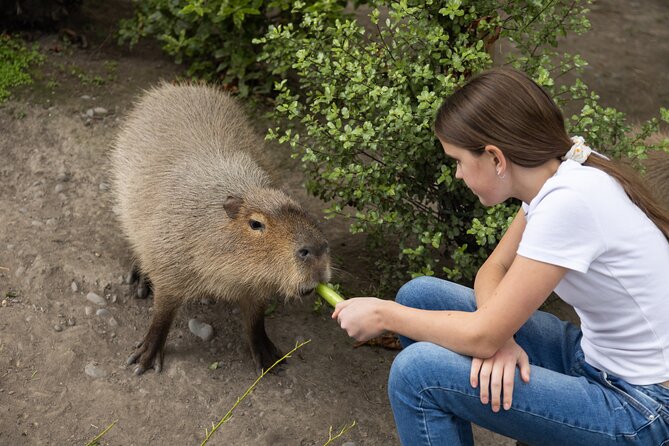
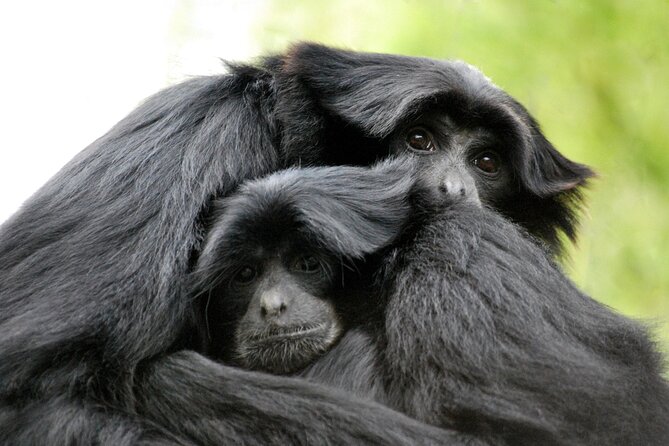
The reserve includes introduced animals such as monkeys, lemurs, capybara, and wallabies. These animals broaden the visit and help keep the experience interesting for people with different interests.
Capybara are a particular favorite for many people because of their calm, unusual appearance. Getting close to them can be a memorable part of the day, especially for children. The monkeys and lemurs add energy, while wallabies offer another distinctly Australian animal encounter in a New Zealand setting.
The wallaby area has drawn some criticism for feeling limited in room, so expectations matter. You are visiting an organized reserve, not an open wilderness area. Animal welfare and enclosure design can be judged in different ways, but the overall impression is of a park with well-cared-for animals and a range of habitats.
I would put the native section first in your priorities, then enjoy the introduced animals as an extra. That order helps you understand what makes Willowbank special while still leaving room for the playful and familiar species.
Why the kiwi house deserves extra time
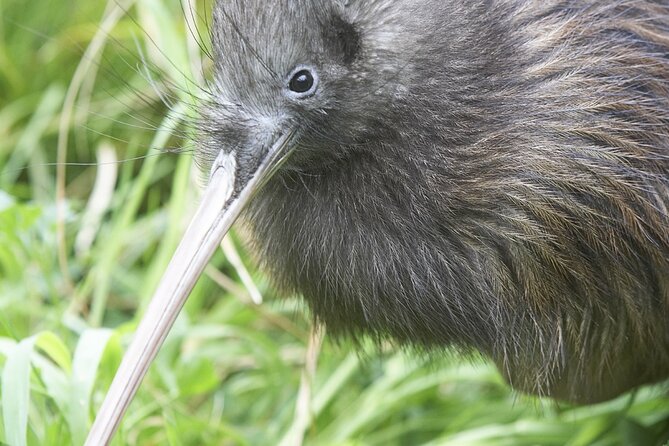
The kiwi exhibit is located toward the end of the walk, so avoid treating the first half of the reserve as the entire visit. Save enough time and energy to reach it without rushing.
Inside, keep your voice low and move slowly. The dim conditions are necessary for a nocturnal animal, but they can make the bird easy to miss. If you see nothing at first, wait near the viewing area and scan patiently rather than assuming the enclosure is empty.
One useful feature is that the kiwi viewing is guaranteed. That removes the biggest risk of visiting a wildlife park for a rare animal. Still, the guarantee does not turn the kiwi into a staged performance. You may see one moving through the enclosure, or you may spot a resting bird only after someone helps you locate it.
This is a good place to set realistic expectations with children. Explain that the goal is careful observation, not a fast, bright encounter. The quiet can become part of the fun, especially after the noisier bird and farm areas.
How much time and money should you allow?
Admission is $22.65 per person. For a reserve with kiwi viewing, native birds, tuatara, farm animals, introduced mammals, walkable paths, and interactive feeding opportunities, that is a reasonable price for a short Christchurch outing.
The value depends on how long you stay. If you rush through in an hour, the admission feels less impressive. If you spend two or three hours walking, watching animals, and using the cafe, the cost compares well with many paid Christchurch attractions.
Food and drinks are not included, but there is a cafe on site. It offers useful flexibility for families and anyone who wants to make the visit a relaxed half-day stop. A retail store is also available if you want a small souvenir or need a break from the animal areas.
The reserve can suit a tight travel schedule because you are not locked into a guided departure time. A mobile ticket lets you arrive during the day when it fits your plans. Paper tickets are also available, which is useful if you prefer not to rely on your phone.
Fitting Willowbank into a Christchurch day
Willowbank is close to Christchurch Airport, making it practical on the day you arrive or leave. It can also work as a first Christchurch activity after landing, provided your transport and timing allow enough room for the visit.
Transportation to and from the reserve is not included. The attraction is near public transportation, and a shuttle from Cathedral Square has been useful for some visits, but you should confirm the current route and schedule before relying on it.
The reserve can also work for a cruise day. Its location and flexible entry make it easier to fit into a shore schedule than a long, timed excursion. Leave enough buffer for transport, especially if you need to return to a ship or catch a flight.
The maximum group size is 200 people, though your actual experience is self-paced rather than a single group tour. On a busy day, the kiwi house and popular feeding areas may feel more crowded than the quieter paths.
Best for families, wildlife fans, and short visits
I would recommend Willowbank most strongly to families with children. The mix of feeding, patting, open paths, farm animals, and unusual native species gives children several ways to stay interested. There are also spaces where children can climb, explore, and learn.
It is also a good choice if you have never seen a kiwi. The guaranteed viewing matters, particularly if your wider New Zealand trip does not include a remote wildlife encounter. You can see several iconic species without committing to a long expedition.
Adults who prefer native conservation may find the introduced animals and farm sections less compelling. Even so, the kiwi, takahe, kea, kaka, and tuatara provide enough local character to make the visit worthwhile.
The reserve also suits people who dislike rigid tours. You can move at your own pace, stop for lunch, and spend more time with the animals that interest you. The tradeoff is that you need to manage your own route and timing.
Practical advice for a better visit
Start with a simple plan. Note where the kiwi house is, then give yourself enough time to reach it without hurrying. If the kiwi is your main goal, do not leave the reserve until you have spent a proper few minutes in the dark enclosure.
Wear comfortable shoes. The reserve has walkable paths, gravel sections, and wooden walkways, so you will be on your feet for much of the visit. Clear signs are not perfect everywhere, so keep your bearings at path junctions.
Bring patience and a quiet voice for the kiwi house. Carry food carefully around deer and ducks, and watch children closely when animals approach. Feeding is part of the fun, but close animal contact works best when you let the animals set the pace.
If you have a sensitive child or adult in your group, explain that the kiwi area is dark. The low light is not a flaw in the exhibit. It is part of giving a nocturnal bird an appropriate daytime environment.
Free cancellation is available if you cancel at least 24 hours before the experience start time. Changes or cancellations made less than 24 hours ahead are not accepted for a refund.
Should you book Willowbank?
Book it if you want a flexible, fairly priced wildlife stop with a strong chance of seeing a kiwi. The native species, animal feeding, calm paths, cafe, and airport location make it especially useful for families, cruise passengers, and people working with limited Christchurch time.
Skip it if you want only wild New Zealand species in natural settings, or if you dislike dark exhibits and farm animals. For most people, though, the mix works. The kiwi house gives the visit a clear purpose, while the capybara, wallabies, birds, rabbits, alpaca, and other animals keep the rest of the walk lively.
FAQ
How much does Willowbank Wildlife Reserve entry cost?
Admission costs $22.65 per person.
How long does a visit to Willowbank take?
The expected visit lasts about one to three hours. You can spend longer if you take your time, eat at the cafe, or visit with children.
Is kiwi viewing guaranteed?
Yes. The admission includes guaranteed kiwi viewing in the kiwi house.
Is the kiwi enclosure bright?
No. The kiwi house is kept dark because kiwi are nocturnal. You may need to let your eyes adjust and wait quietly to spot a bird.
Can I feed animals at Willowbank?
Yes. You can feed some of the animals, and the reserve also allows you to pat selected farm animals such as sheep, rabbits, and alpaca.
Which New Zealand species can I see?
You can see kiwi, kea, kaka, takahe, and tuatara, along with other birds and native wildlife.
What introduced animals are at the reserve?
The reserve includes monkeys, lemurs, capybara, and wallabies, as well as farm animals.
Is food included with admission?
No. Food and drinks are not included, but the reserve has a cafe with food options.
Is transportation included?
No. Transportation to and from Willowbank is not included. The reserve is near public transportation, and it is close to Christchurch Airport.
Can children visit Willowbank alone?
No. Children must be accompanied by an adult.
Can I use a mobile ticket?
Yes. Mobile tickets are available, and paper ticket options are also offered.
Can I cancel for a refund?
Yes, if you cancel at least 24 hours before the experience start time. Cancellations made less than 24 hours in advance are not refunded.
Just added around New Zealand
- Wellington Zoo General Entry Tickets★ 3.9 · 7 reviews
- Dolphin & Wildlife Encounters★ 5.0 · 6 reviews
- Akaroa Shore Excursion: Banks Peninsula, Christchurch City Tour and Willowbank Wildlife Reserve★ 3.5 · 26 reviews
- Greymouth: Glacier, Heritage & Wildlife Centre Guided Tour★ 3.8 · 13 reviews
- Franz Josef: West Coast Wildlife Centre Entry Ticket -48 hrs★ 4.2 · 33 reviews
- Willowbank Wildlife Reserve Day Entry Ticket★ 4.5 · 85 reviews
- Lake Tekapo: Guided Petting Zoo Visit★ 4.9 · 92 reviews
- Christchurch: Orana Wildlife Park Admission★ 4.5 · 119 reviews
New Zealand Zoos, compared.
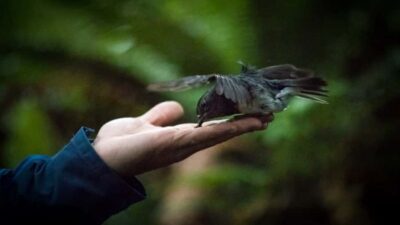
Rotorua: 6 Ziplines, Swing-Bridges & Wildlife Encounters
Read our review →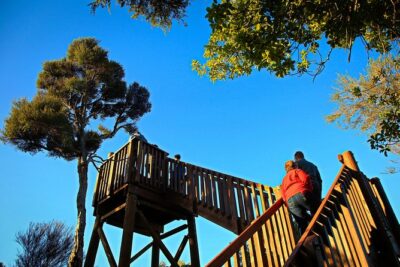
Motuara Wildlife Sanctuary Tour and Dolphin Cruise from Picton
Read our review →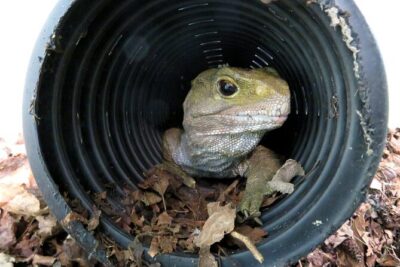
Skip the Line: Franz Josef Wildlife Center Ticket with Optional Backstage Pass
Read our review →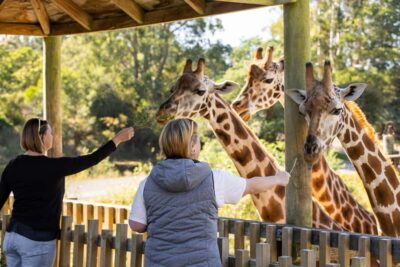


Franz Josef: West Coast Wildlife Centre Entry Ticket -48 hrs
Read our review →
Akaroa Shore Excursion: Banks Peninsula, Christchurch City Tour and Willowbank Wildlife Reserve
Read our review →Browse the lists this tour appears in