
REVIEW · TANZANIA
Zanzibar: Nungwi Kilosa Zoo Conservation Tour
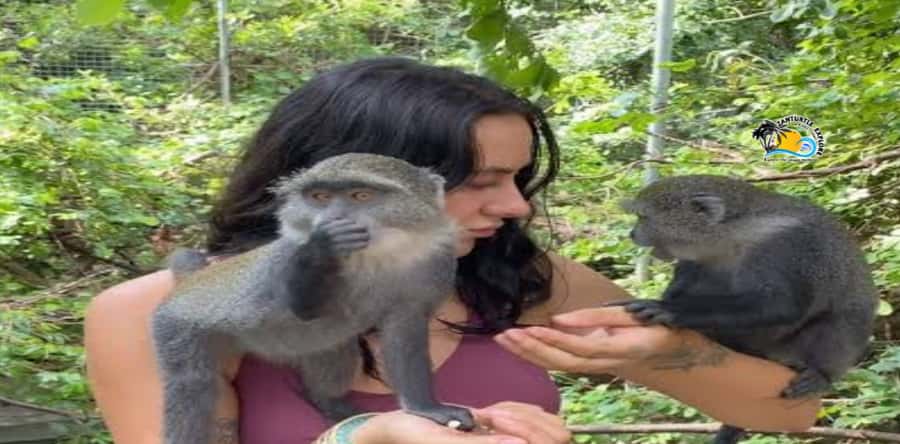
Kilosa Conservation Center gives you a close look at Zanzibar’s wildlife in a small, hands-on zoo rather than a large commercial attraction. You can learn about the Zanzibar red colobus monkey and Aders’ duiker, then feed and touch animals with a guide nearby. I like the personal scale and the clear focus on protecting local species.
I also like that hotel pickup and drop-off are included, along with entry fees, taxes, a guide, and a bottle of water. The main drawback is simple: two hours passes quickly, and this is a modest conservation center, not a full-day safari park. Bring extra water if you need more than the welcome bottle.
Key Points
- Feed the monkeys: The monkey-feeding session is the main highlight, especially for children.
- Meet Zanzibar species: Look for the red colobus monkey and Aders’ duiker, both linked to the center’s conservation work.
- Enjoy a private tour: Your group receives a guide rather than joining a large shared party.
- Learn by getting close: Touching and feeding animals makes the conservation message easier to understand.
- Use the included transfer: Pickup and drop-off from your hotel in Zanzibar are part of the price.
- Plan for a short visit: The experience lasts about two hours, with no meal included.
Why Kilosa Zoo Works Well for a Short Nungwi Outing
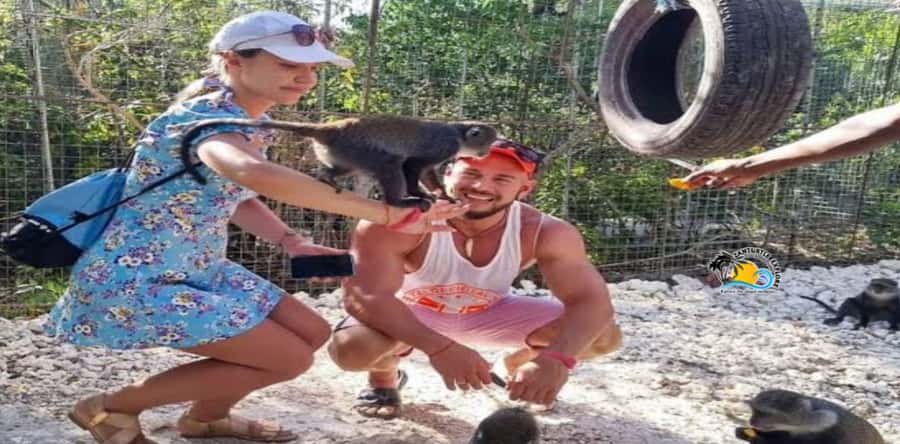
Kilosa Conservation Center is in Nungwi, in northern Zanzibar, and the visit is designed as a compact wildlife experience. You are not signing up for a long drive into the countryside or a full-day nature expedition. Instead, you spend about two hours seeing animals, asking questions, and taking part in supervised feeding.
I like this format for a day when you want something beyond the beach but do not want to lose most of your schedule. It also makes sense for families staying in Nungwi, since the visit offers movement and close animal contact without requiring a major time commitment.
The center’s purpose is not just to display animals. Its stated goals include raising awareness of conservation, protecting endangered species, and helping the local community take greater responsibility for plant and animal life. That gives the visit a useful layer of meaning, even though the facility itself is small.
You should set your expectations accordingly. This is best understood as a small conservation zoo with an interactive tour, not a safari and not a large modern zoological garden. The appeal is the direct experience: you can stand close to animals, feed some of them, and hear explanations from a guide.
A few more animal parks around the world worth a look
- Chiang Mai: Elephant Sanctuary, Waterfall & Bamboo Rafting
★ 4.9 · 9,160 reviews - Ubud: Monkey Forest, Jungle Swing, Rice Terrace, and Water Temple
★ 5.0 · 7,160 reviews - Chiang Mai: Elephant Sanctuary & Waterfall Group Tour
★ 4.9 · 5,780 reviews
Hotel Pickup Makes the Planning Easy
The tour includes pickup and return to your hotel. You meet your representative in the hotel lobby or reception area, and you are asked to provide the hotel name and room number when booking. That is useful in Zanzibar, where arranging local transport can otherwise add time and uncertainty to a short outing.
The group is private, so your visit is arranged for your party rather than built around a large shared group. This can make the two-hour schedule feel more relaxed. You can raise questions as you go, and the guide can spend more time on the animals that interest you most.
The transfer is also one reason the $45 price deserves a closer look. The fee covers transport, admission, taxes, a professional guide, a welcome bottle of water, and the opportunity to feed and touch animals. You still pay for a short activity, but you are not adding separate entry and taxi costs afterward.
The trip does not include meals or additional drinks. One German visitor specifically noted that more drinking water would have been useful, so I would carry extra water for a sunny day. The center advises comfortable shoes, a sun hat, and a camera. Pets are not allowed.
The Opening Tour: Conservation Before Animal Contact
Your guide introduces the center and explains its conservation purpose before the tour moves into the animal areas. Expect a basic but important message: plant and animal diversity needs protection, and local communities have a role in that work.
This introduction matters because it gives context to the animals you are about to see. The Zanzibar red colobus monkey is not simply a cute animal for a photograph. It represents one of the local species the center wants people to understand and protect. Aders’ duiker provides another example of Zanzibar’s distinctive wildlife.
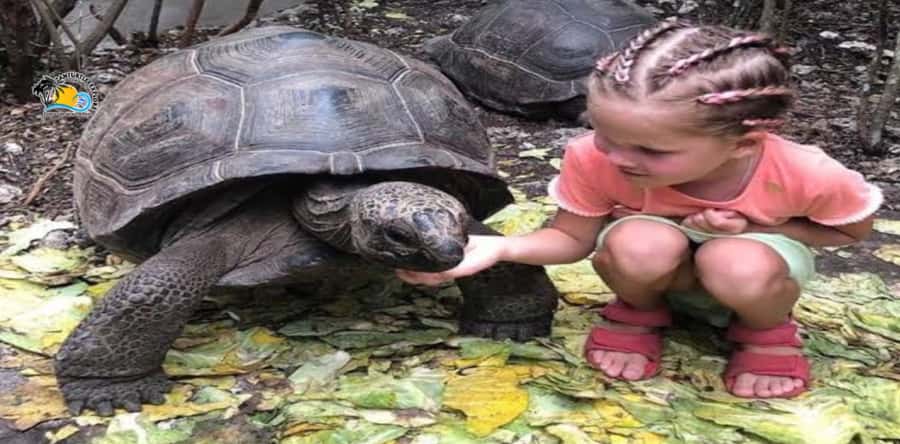
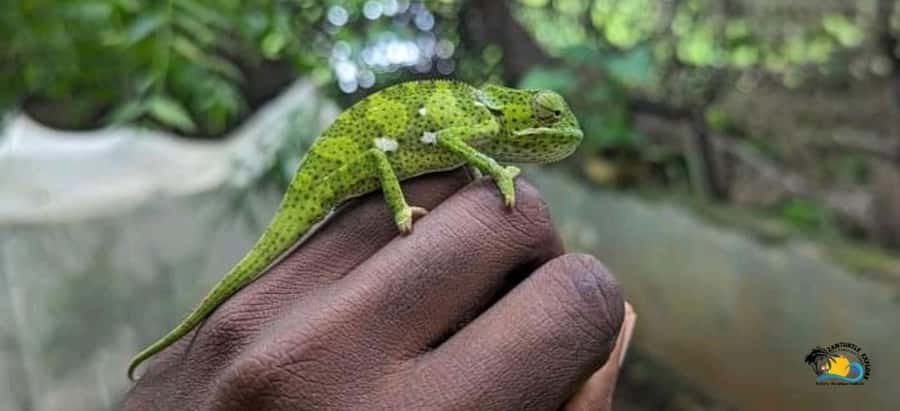
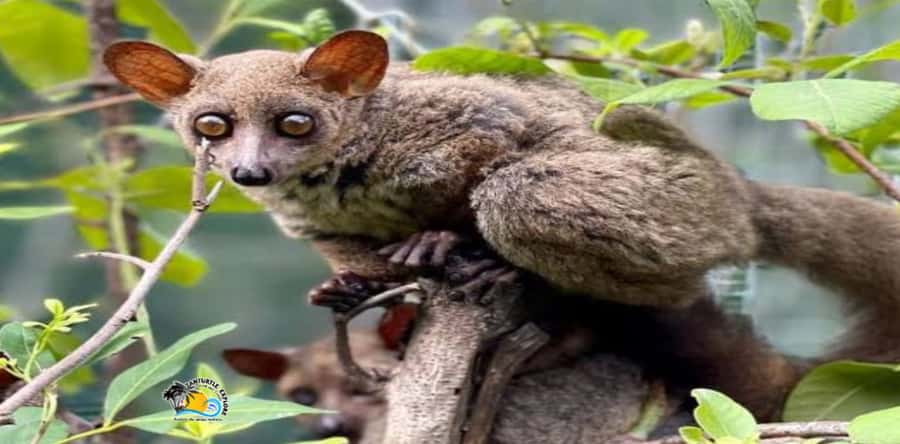
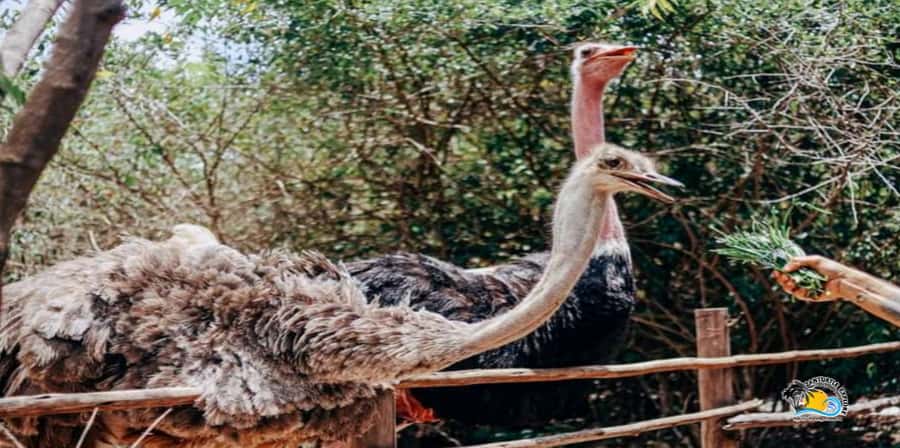
The center also works with birds and a wider collection of animals. You may see monkeys, reptiles, tortoises, ostriches, deer, and crocodiles during the visit. The exact order can depend on the guide and the day, so think of this as a guided walk through the collection rather than a fixed theatrical show.
The explanations are a major part of the experience. A good guide turns a short animal visit into a lesson about behavior, habitat, and protection. Several guides are available in Arabic, English, French, German, Italian, Polish, Portuguese, Russian, Spanish, and Swahili, so you can request your preferred language when arranging the tour.
Feeding the Monkeys Is the Main Event
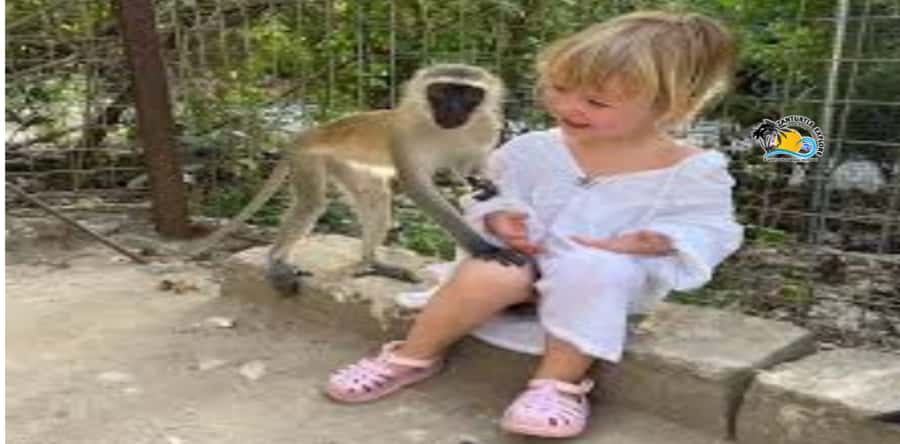
The monkey-feeding session receives the strongest praise for good reason. You do not only look through a barrier and move on. You get close enough to feed selected animals under the guide’s direction, and the monkeys are often the most engaging part of the visit.
One family described the feeding as the highlight of the day, while another French visitor focused on how close you can get to the animals. That combination tells you what makes Kilosa special: the visit is active, not just observational.
The contact also suits children. Families can give younger visitors a clear task, such as watching the feeding instructions, holding food correctly, or noticing how the animals react. The activity is short enough to hold attention, though parents should still remind children to follow the guide and handle animals gently.
You should not expect to feed every animal in the center. The opportunity is part of the guided experience, but the supplied details do not promise contact with every species. Touching and feeding take place with the guide present, which is important for both animal welfare and visitor safety.
Same place, a different set of animals:
- Amsterdam: ARTIS Amsterdam Royal Zoo Entry Ticket
★ 4.6 · 5,651 reviews - Ubud: Waterfall, Rice Terraces & Monkey Forest Private Tour
★ 4.9 · 4,894 reviews - Dubai: Aquarium and Underwater Zoo Experience
★ 4.2 · 4,872 reviews - Chiang Mai: Elephant Sanctuary Feeding Program Half-Day Tour
★ 4.8 · 4,527 reviews
Red Colobus Monkeys, Duikers, and Other Species
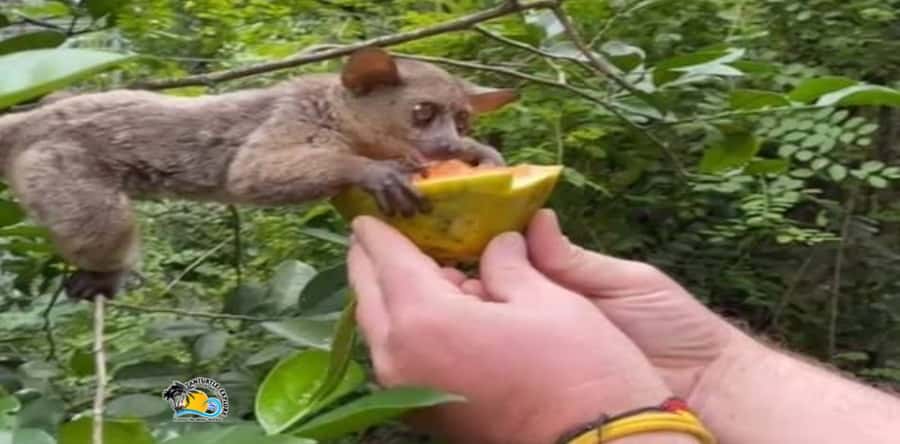
The Zanzibar red colobus monkey is one of the most meaningful animals to look for. It is a local endangered species, and seeing it gives the conservation message a clear focus. The visit can help you connect a general idea such as protecting biodiversity with a particular animal found in Zanzibar.
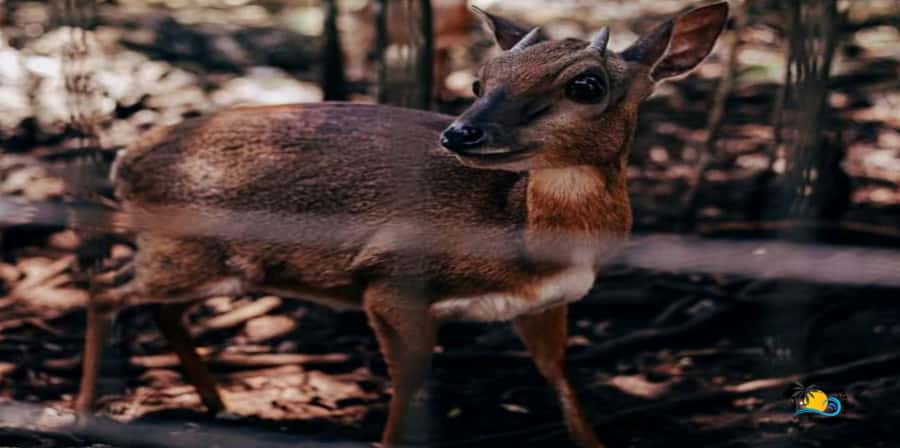
Aders’ duiker is another species that adds local character. Duikers are small antelopes, and this one is less familiar to many people than monkeys or tortoises. Ask your guide about its habits and why protection matters if it is part of your route.
The wider collection gives the tour variety. Tortoises offer a slower, calmer encounter. Reptiles show a different side of local wildlife, while ostriches and deer make the visit feel broader than a monkey center alone. Crocodiles add a more imposing stop, though the experience remains educational rather than a dramatic show.
Birds are also included in the center’s conservation work. The information provided does not name specific bird species, so I would treat the bird section as a chance to see what is present on the day rather than arrive with a fixed list.
What the Guide Adds to a Two-Hour Visit
The guide shapes the quality of the tour. You are shown around the center, given conservation information, and directed during animal contact. That structure keeps the visit from becoming a quick circuit of cages.
Mufasa is one guide specifically praised for being funny, helpful, and clear when explaining the animals. Another guide was described as friendly, smiling, and entertaining. Those details matter because a small zoo can feel flat if the explanations are rushed. Here, the guide is expected to make the animals easier to understand.
I would use the tour as a chance to ask direct questions. Ask which species are endangered, how the center supports local conservation, and which animals can be fed. The available languages are unusually broad for a short activity, but you should state your preference when booking rather than assume every guide speaks every listed language during every departure.
Since this is a private group, you have a better chance of setting the pace within the two-hour limit. The activity still has a fixed duration, so it is wise to decide before arrival which animals matter most to you.
Is $45 a Fair Price?
At $45 per person, the tour is not the cheapest way to fill two hours in Nungwi. It is also not an apples-to-apples comparison with a simple walk or an independent visit, because the fee includes several practical extras.
You receive hotel transportation, admission, taxes, a professional guide, conservation education, a bottle of water, and supervised opportunities to touch and feed animals. If you value an organized pickup and a private group, the package becomes easier to justify.
The value is strongest for families and first-time visitors who want a straightforward outing. You do not need to arrange a taxi, work out entry at the center, or decide how to approach the animals. The guide provides structure, which is especially useful when children are part of the group.
The value is weaker if you expect a large wildlife park or a long animal program. Two hours is brief, and meals and drinks are not included. You are paying for access and personal guidance, not a full-day safari or an extensive zoo visit.
Best Suited to Families and Curious Beachgoers
Families are a natural match for this tour. The chance to feed monkeys, see tortoises and reptiles, and get near animals gives children something active to do. The short duration also fits neatly between other plans.
It is a good choice for you if you want conservation information delivered in a simple, direct way. You do not need specialist wildlife knowledge to appreciate the visit. The guide explains what you are seeing, while the close contact gives the lesson a practical hook.
The activity also suits couples or solo visitors who want a brief change from the coast. A private group can make the visit feel more personal, especially if you enjoy asking questions and taking photographs.
I would be more cautious if your main goal is to see animals in a broad natural setting. The information provided describes a small zoo and conservation center, so this is not the right substitute for a safari. It is also not ideal if you want a long, slow visit, since the total time is only two hours.
Practical Tips for a Smoother Visit
Wear comfortable shoes. You will be walking around the conservation center, and practical footwear is more useful than beach sandals.
Bring a sun hat and your camera. The tour is outdoors enough that sun protection matters, and animal encounters are the part you will most likely want to remember.
Carry additional drinking water. A welcome bottle is included, but no meals or extra drinks are provided. This is one of the few clear comfort points to plan around.
Tell the operator about special requests before you reserve. The booking process allows you to write requests, and the tour offers multiple guide languages. Giving that information early is the best way to make your needs clear.
Keep the feeding session gentle and guided. The point is to interact with the animals without turning the encounter into a free-for-all. Let the guide show you what to do.
Should You Book Kilosa Conservation Center?
Book this tour if you want a short, organized wildlife outing from Nungwi, especially if you are traveling with children or enjoy close animal encounters. The monkey-feeding session, private guide, and included hotel transfer give the experience a clear purpose and solid practical value.
Skip it if you expect a major zoo, a safari, or a full-day nature trip. Kilosa is small, and two hours is the entire activity. For the right expectations, though, it offers an easy way to learn about Zanzibar’s animals while supporting a center focused on conservation and community responsibility.
FAQ
Where is Kilosa Conservation Center?
Kilosa Conservation Center is in Nungwi, in northern Zanzibar, within Tanzania’s Unguja South Region.
How long does the tour last?
The tour lasts about two hours.
What is the price?
The listed price is $45 per person.
Is hotel pickup included?
Yes. Pickup and drop-off at your hotel are included. You meet the representative in your hotel lobby or reception area.
Is the tour private?
Yes. The activity is offered for a private group.
Which animals can I see?
The center may include Zanzibar red colobus monkeys, Aders’ duikers, birds, reptiles, tortoises, ostriches, deer, and crocodiles.
Can I feed and touch the animals?
Yes. The guided tour includes opportunities to touch and feed animals under the guide’s direction.
Are meals and drinks included?
Meals and drinks are not included. A welcome bottle of water is provided.
Which languages are available?
Guides may be available in Arabic, English, French, German, Italian, Polish, Portuguese, Russian, Spanish, and Swahili.
What should I bring?
Bring comfortable shoes, a sun hat, and a camera. Pets are not allowed.
Just added around the world
- Zen In The Zoo★ 5.0 · 2 reviews
- ZANZIBAR: Jozani Forest, butterfly center & Reptile park★ 4.7 · 3 reviews
- Wuppertal: Admission to the Green Zoo Wuppertal★ 4.6 · 7 reviews
- Zanzibar: Jozani Monkeys, Butterfly Garden & Reptile Park★ 5.0 · 2 reviews
- Monkey Forest, Waterfall ,Temple and Rice Terrace★ 4.9 · 26 reviews
- Ubud :Monkey forest, Water Temple and waterfall Private Tour★ 5.0 · 2 reviews
- Wings Wildlife Park Burnie Shore Excursion★ 4.2 · 13 reviews
- Warsaw Zoo Skip-the-Line Entry Ticket with Private Transport★ 4.8 · 3 reviews
Tanzania Zoos, compared.
Zanzibar: Nungwi Kilosa Zoo & Swimming with Turtles
Read our review →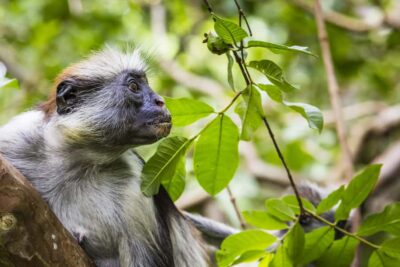
Private Wildlife Encounter at Tarangire National Park
Read our review →
ZANZIBAR: Jozani Forest, butterfly center & Reptile park
Read our review →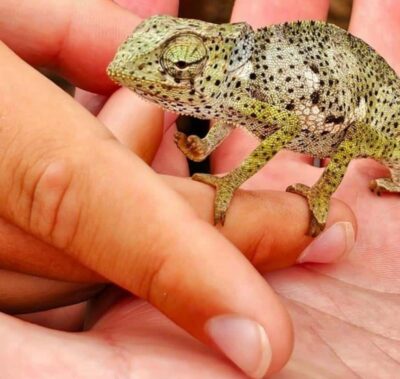
Zanzibar: Jozani Monkeys, Butterfly Garden & Reptile Park
Read our review →Browse the lists this tour appears in