
REVIEW · TANZANIA
From Moshi or Arusha: Serval Wildlife Sanctuary Trip
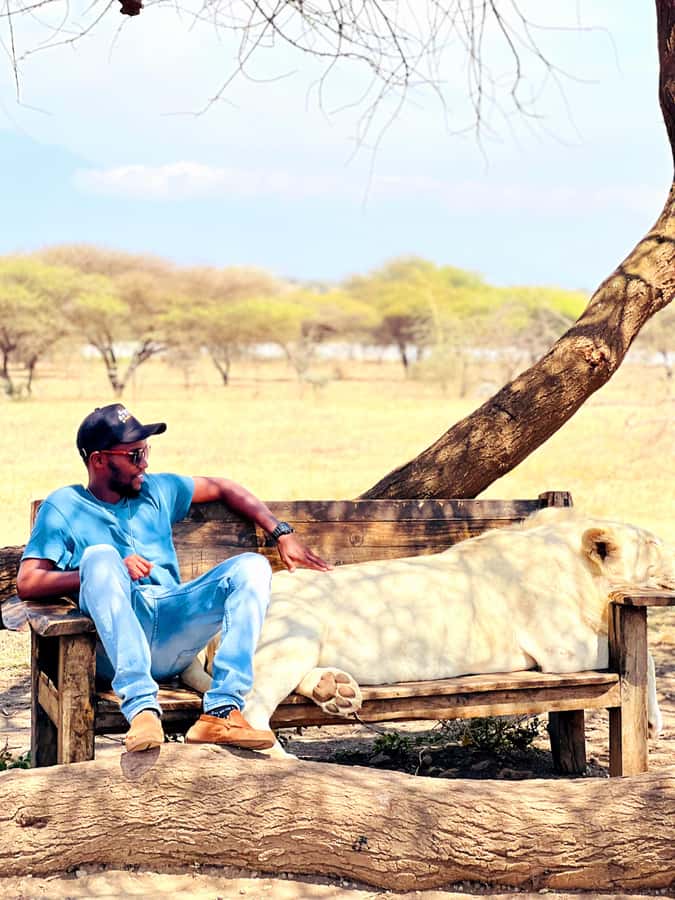
Serval Wildlife Sanctuary gives you something a standard game drive cannot: the chance to get close enough to feed and photograph animals under keeper supervision. Masai giraffes, lions, bat-eared foxes, elands, ostriches, and monkeys may all be part of your hour inside the sanctuary.
I like the short five-hour format and the easy pickup from either Moshi or Arusha. I also like the sanctuary’s animal-led approach, where each animal can choose whether to interact. The big catch is cost: the advertised $90 does not include the $120 park entry fee, making the real price $210 per person before any other personal spending.
Key points to know before you book
- One hour of close animal contact: You may feed, pet, and photograph several species during the guided sanctuary visit.
- Animal choice comes first: Keepers encourage you to respect each animal’s space and allow animals to decide when to engage.
- Pickup from Moshi or Arusha: Transport is included, with an English-speaking driver-guide.
- The total cost is higher than the headline price: Add the $120 entry fee to the $90 tour price.
- A good family option: Children can watch and feed giraffes, zebras, antelopes, and other animals at close range, according to the activity details.
- Short and flexible: The full experience lasts five hours, and you can cancel up to 24 hours ahead for a full refund.
What Serval Wildlife Sanctuary is really like
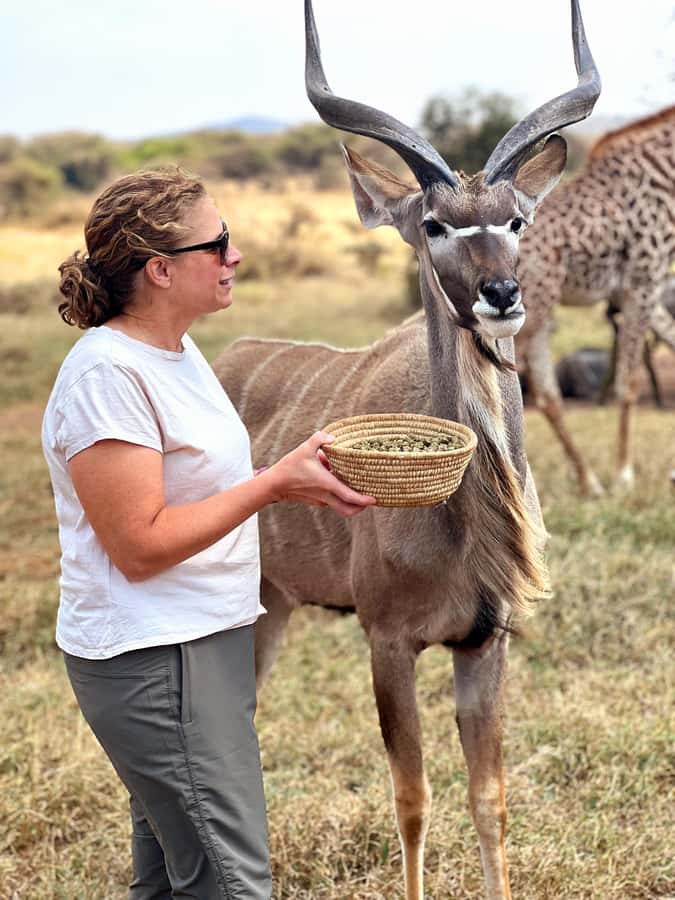
Serval Wildlife Sanctuary is designed around close, supervised contact with animals rather than a long drive through a large national park. You arrive, receive guidance from the staff, and spend about an hour feeding, petting, and taking photos with selected animals.
That difference matters. On safari, you usually watch animals from a vehicle and hope they come near. Here, you may be close enough to offer food to a giraffe or pose beside an animal, though the exact interaction depends on the animals and keeper instructions.
The sanctuary includes African lions, Masai giraffes, bat-eared foxes, elands, ostriches, and monkeys. The activity information also refers to zebras and antelopes, so you may see more species than the main list suggests. The experience is less about ticking off every animal and more about having a controlled, personal encounter.
More Wildlife Sanctuaries in the world:
- Day Tour in Mt. Field, Mt. Wellington, Bonorong Wildlife Sanctuary and Richmond
★ 5.0 · 735 reviews - Currumbin Wildlife Sanctuary General Entry Ticket
★ 4.5 · 538 reviews - Currumbin Wildlife Sanctuary Entry Ticket
★ 4.7 · 339 reviews
The 1.5-hour transfer from Moshi or Arusha
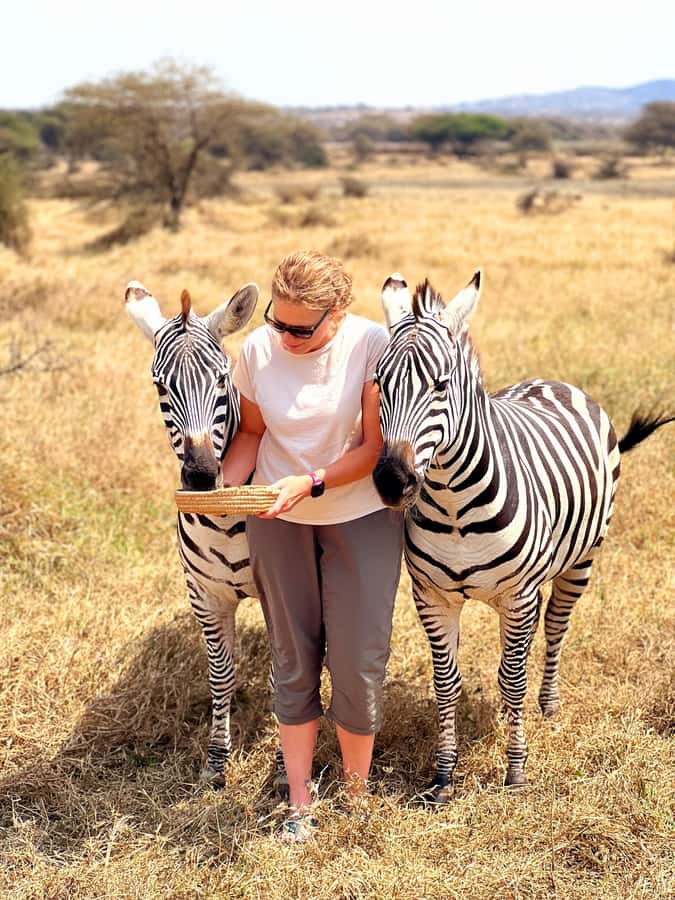
Your day begins with pickup in Moshi or Arusha. Both towns are offered as pickup and drop-off points, which makes this a useful add-on if you are already based in either place.
The listed transfer time is 1.5 hours. That is a sizable part of a five-hour outing, so I would think of this as a half-day activity with a one-hour sanctuary visit, not a full-day wildlife program. The included driver-guide handles the transport and provides drinks, which keeps the day simple.
An English-speaking live guide is included. No individual guide name is provided, so you should not book this expecting a specific named guide. The driver-guide is there to manage the transport and help with the visit, while trained sanctuary keepers supervise the animal contact.
The road time can be useful if you want a lighter day between longer safari drives or mountain activities. It also gives you a way to see wildlife without committing to a full national park excursion. Still, if your main goal is hours of animal viewing, the transfer-to-activity ratio may feel high.
Your one hour with the animals
Once you arrive, the main program lasts about one hour. That hour is active rather than passive. You can feed animals, pet them where permitted, and take pictures as the keepers guide each interaction.
Masai giraffes are likely to be a favorite because their height and calm feeding behavior make for memorable photographs. You may also get close to elands, ostriches, monkeys, and bat-eared foxes. Lions bring a different mood. They are powerful animals, and the presence of trained keepers is important here.
The setting is not a free-for-all photo session. The sanctuary says animals can choose when they want to interact. If an animal moves away or shows no interest, you are expected to respect that choice. This may mean you do not get a perfect photo with every species, but it gives the activity a more careful structure.
That approach is one of the strongest parts of the visit. The animal is not treated as a prop that must perform on demand. You still receive a close encounter, but the contact has limits designed to keep the animals comfortable.
Why the keeper supervision matters
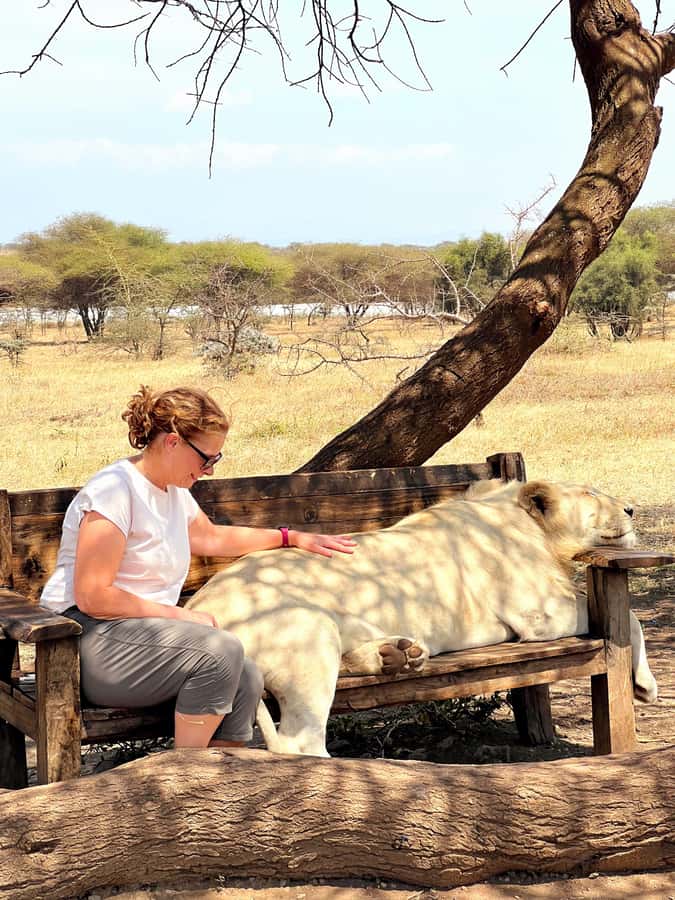
Every close wildlife experience needs clear rules. Here, trained keepers supervise the encounters and tell you how to feed, pet, and photograph the animals safely.
You should follow their instructions closely, even if you have handled animals before. Keep your movements calm, give animals room, and avoid reaching toward one that is not interested. The staff’s role is not just to help you get a picture. It is also to watch animal behavior and stop an interaction when needed.
This is especially important around lions and monkeys. The activity does not promise that every animal will be available for touching or feeding at every moment. The exact experience can change based on animal behavior and the keeper’s judgment.
For children, this structure is helpful. Kids can have a direct connection with animals while an adult team manages the encounter. Parents should still stay attentive and make sure children listen to the instructions.
A few more animal parks around the world worth a look
- Chiang Mai: Elephant Sanctuary, Waterfall & Bamboo Rafting
★ 4.9 · 9,160 reviews - Ubud: Monkey Forest, Jungle Swing, Rice Terrace, and Water Temple
★ 5.0 · 7,160 reviews - Chiang Mai: Elephant Sanctuary & Waterfall Group Tour
★ 4.9 · 5,780 reviews - Amsterdam: ARTIS Amsterdam Royal Zoo Entry Ticket
★ 4.6 · 5,651 reviews
The photo opportunities are a major draw
If your main aim is wildlife photography, Serval offers a different kind of picture from a safari. Instead of a distant animal partly hidden by grass, you may have a close view of a giraffe, fox, ostrich, or monkey.
You should think about the photographs as a bonus of the encounter, not a guarantee. Animal choice comes first, and the keepers control how close you can get. A calm animal may offer a wonderful moment, while another may ignore the group entirely.
The close range also means you will need to pay attention to the people around you. The supplied details do not state the group size or the amount of time each person receives with each animal, so you should not assume unlimited one-on-one time. If taking pictures matters most to you, keep your camera ready and listen for the keeper’s instructions.
The activity has earned a very high overall rating of 4.9 out of 5 from 14 submitted ratings. The most praised points are simple and consistent: being close to the animals, feeding them, and taking pictures. One family-focused comment gives special attention to children feeding and observing giraffes, zebras, and antelopes.
Is $210 per person good value?
The tour price is listed as $90 per person, but park entry costs an additional $120 per person. That brings the basic combined cost to $210 each.
This is the first figure I would use when comparing the activity with other things to do around Kilimanjaro. The $90 includes pickup, drop-off, a driver-guide, and drinks. The $120 entry charge covers access to the sanctuary, but it is not included in the advertised tour price.
At $210, the experience is not a budget wildlife outing. It can still be good value if you specifically want supervised feeding, touching, and close photographs. Those are not the usual features of a standard safari, where the main activity is watching from a vehicle.
The value is weaker if you only want to see animals. A short wildlife visit with a high admission cost may not suit someone who would rather spend the money on a longer park outing. I would also factor in the 1.5-hour transfer and the roughly one-hour guided visit. You are paying for a special type of contact, not a long period in the sanctuary.
Before booking, confirm that the $120 entry charge is still current and payable in addition to the tour price. The supplied information clearly treats it as separate, so plan your budget around the full $210 rather than the $90 headline figure.
Who will enjoy this half-day outing?
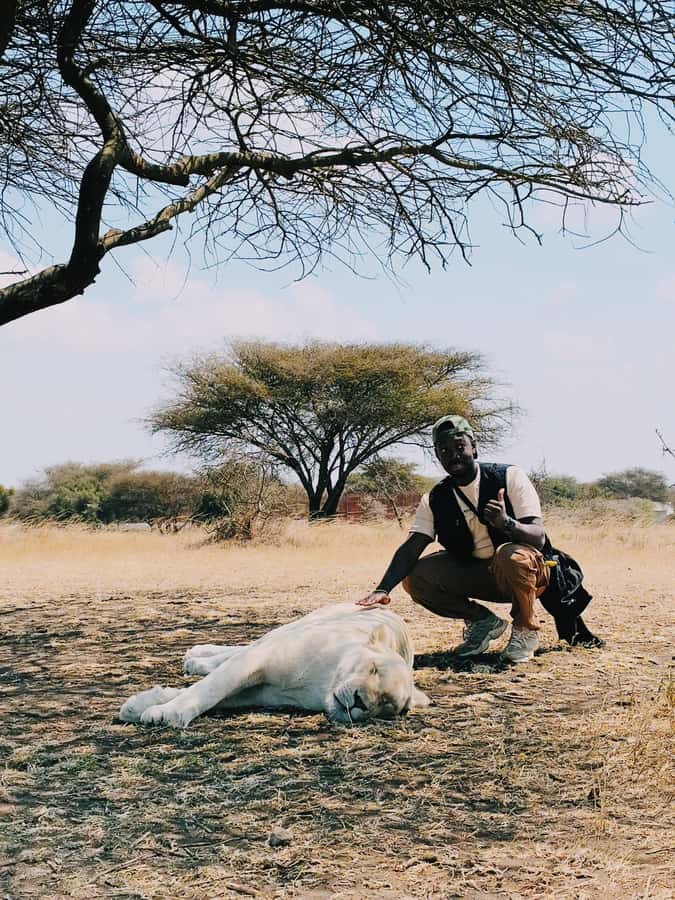
I would suggest this experience to families, first-time wildlife visitors, and anyone who wants a close animal encounter without planning a multi-day safari. The short duration works well if you are staying in Moshi or Arusha and have another activity later.
It is also a good fit for children who are excited by feeding giraffes or seeing animals at close range. The direct contact can make wildlife feel more immediate than a distant sighting from a vehicle.
Photographers may enjoy the chance to take close portraits, but should accept that the animals control the pace. You will have more intimate photo opportunities than on many game drives, yet less control over the exact pose, timing, and background.
I would be more cautious about recommending it to someone seeking a traditional safari experience. You will not spend the day tracking animals across a national park. This is a guided sanctuary visit built around managed contact.
What to bring and how to prepare
Wear comfortable clothing that allows easy movement, and bring a camera or phone with enough battery for close photos. Drinks are included, but you may still want to bring any personal items you need for a five-hour outing.
The most useful preparation is mental rather than physical. Do not expect every animal to approach you. Listen to the keepers, wait for permission before touching or feeding, and allow the animals to move away.
If you are booking for children, explain beforehand that an animal may choose not to interact. That small expectation will make the visit easier and more respectful. The best moments here come from watching animal behavior, not forcing a particular photograph.
Naturalland Expeditions provides the transport and guide service. English is the stated tour language. Since no group size, meal service, or exact starting time is provided, check those details before you pay, especially if you need to fit this outing around a flight, safari, or Kilimanjaro activity.
Booking flexibility and timing
The full activity lasts five hours, with starting times available according to the date you choose. Pickup and return are offered in both Moshi and Arusha.
You can cancel up to 24 hours in advance for a full refund. A reserve-now, pay-later option is also offered, which can help if your schedule is still changing. These policies are useful for a trip that may include several moving parts, though you should still check the exact terms shown for your selected date.
The timing makes this easier to add than a full-day safari. Just remember that the sanctuary portion is about one hour, while the overall outing includes transport and other time on site.
Should you book Serval Wildlife Sanctuary?
Book this if you want close, supervised contact with African animals and you value feeding and photography more than a long safari drive. The chance to see giraffes, lions, bat-eared foxes, elands, ostriches, monkeys, and other animals at close range is the main reason to choose it.
Skip it if the separate $120 entry charge pushes the total beyond your budget, or if you want hours of wildlife viewing in a national park. The $210 combined cost is easier to justify for families and close-contact photo seekers than for someone simply hoping to see animals.
For the right person, this is a memorable half-day near Kilimanjaro. Go with realistic expectations, respect the animals’ choices, and treat the keeper’s instructions as part of the experience rather than an interruption.
FAQ
How long does the Serval Wildlife Sanctuary trip last?
The activity lasts five hours in total. The sanctuary visit itself is listed as a one-hour guided tour, and the transfer time is listed as 1.5 hours.
Can I be picked up in Moshi or Arusha?
Yes. Pickup and drop-off are available in both Moshi and Arusha.
Which animals can I see or interact with?
The activity lists African lions, Masai giraffes, bat-eared foxes, elands, ostriches, and monkeys. The information also refers to zebras and antelopes.
Can I feed and pet the animals?
Yes. You can feed, pet, and photograph animals during the supervised sanctuary visit, subject to the keeper’s instructions and the animal’s willingness to interact.
Are park entry fees included in the $90 price?
No. Park entry costs an additional $120 per person, so the listed tour price and entry fee total $210 per person.
Is a guide included?
Yes. Pickup, drop-off, and a driver-guide are included. The live tour language is English.
Are drinks included?
Yes. Drinks are included in the tour price.
Can I cancel the booking?
You can cancel up to 24 hours in advance for a full refund. A reserve-now, pay-later option is also available.
Just added around the world
- Zen In The Zoo★ 5.0 · 2 reviews
- ZANZIBAR: Jozani Forest, butterfly center & Reptile park★ 4.7 · 3 reviews
- Wuppertal: Admission to the Green Zoo Wuppertal★ 4.6 · 7 reviews
- Zanzibar: Jozani Monkeys, Butterfly Garden & Reptile Park★ 5.0 · 2 reviews
- Monkey Forest, Waterfall ,Temple and Rice Terrace★ 4.9 · 26 reviews
- Ubud :Monkey forest, Water Temple and waterfall Private Tour★ 5.0 · 2 reviews
- Wings Wildlife Park Burnie Shore Excursion★ 4.2 · 13 reviews
- Warsaw Zoo Skip-the-Line Entry Ticket with Private Transport★ 4.8 · 3 reviews
Tanzania Zoos, compared.
Zanzibar: Nungwi Kilosa Zoo & Swimming with Turtles
Read our review →
Private Wildlife Encounter at Tarangire National Park
Read our review →
ZANZIBAR: Jozani Forest, butterfly center & Reptile park
Read our review →
Zanzibar: Jozani Monkeys, Butterfly Garden & Reptile Park
Read our review →Browse the lists this tour appears in