
REVIEW · CHIANG MAI
Chiang Mai: Elephant Sanctuary Feeding Program Half-Day Tour
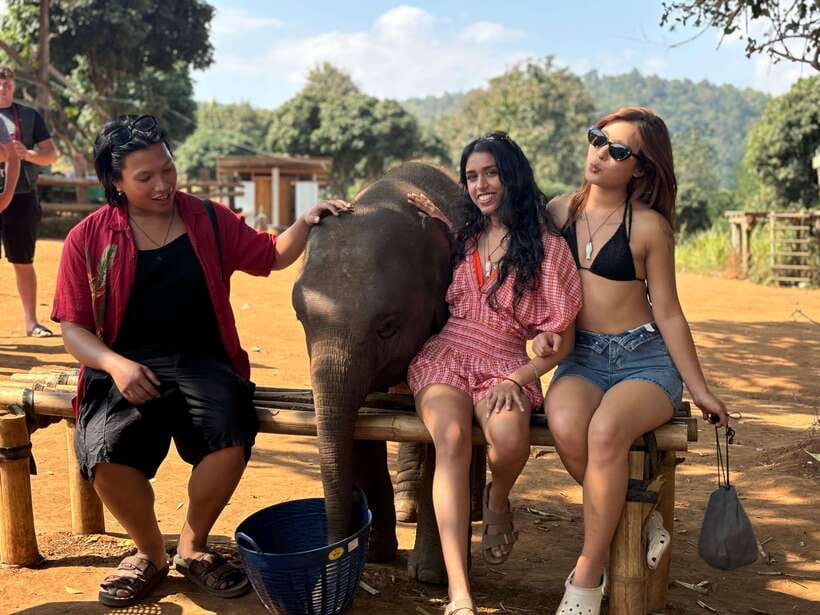
The best part of this five-hour elephant program is the close contact without riding, chains, or forced performances. At Pon Elephant Thailand, you help prepare food, feed elephants Napier grass, sugarcane, bananas, and herbal treats, then follow them through a forest setting toward the river. Guides such as Pat, Toto, Jackie, and Tuto bring plenty of energy and clear explanations.
I like two things here. First, the elephants are treated as individuals, with staff explaining their personalities, diets, ages, and habits. Second, the half-day format gives you a full morning with the animals without taking over your whole day. The trade-off is the long drive from Chiang Mai, plus walking on uneven ground and the chance of getting soaked at the river.
Key points to know before you go
- Four activity areas: Move between several stations for feeding, elephant care, food preparation, and river time.
- A forest setting: The elephants have a large natural area to roam, including more than 60 acres described by the local team.
- River bathing is optional for the elephants: You may help wash them, but the animals decide if and when they enter the water.
- Guides make the difference: Pat, Toto, Jackie, Tuto, Pan, King Kong, and others are praised for humor, patience, and clear English.
- Plan for mud and water: Bring swimwear, a towel, spare clothes, biodegradable sunscreen, and insect repellent.
- The trip suits active visitors: Expect a long ride, some walking, and a wobbly bridge on the approach to the elephants.
The road south from Chiang Mai
Pon Elephant Thailand lies south of Mae Wang, roughly 1.5 hours from Chiang Mai by road. That drive is not a quick transfer. You pass hills, forests, and local farms, so the journey gives you a gradual shift from city streets to rural northern Thailand.
Hotel pickup is available if you choose that option. You should wait in your hotel lobby 5 to 10 minutes before the arranged time. Drivers wait no longer than five minutes after pickup time, so do not treat the morning schedule casually.
Transport has earned strong marks for being clean, comfortable, and spacious. One useful point from the timing: the five-hour tour includes the trip out and back, not five hours of nonstop elephant contact. You still get several hands-on stops, but the drive makes this a half-day outing rather than a short activity near central Chiang Mai.
If you have a later flight or another booking, leave a safety margin. One family with a 3 p.m. flight found the half-day timing workable, and the driver even offered to take them to the airport afterward. That was a helpful arrangement, but you should not build a tight international travel connection around an activity whose schedule can change with weather.
More Elephant Sanctuaries in Chiang Mai
- Chiang Mai: Elephant Sanctuary, Waterfall & Bamboo Rafting
★ 4.9 · 9,160 reviews - Chiang Mai: Elephant Sanctuary & Waterfall Group Tour
★ 4.9 · 5,780 reviews - Chiang Mai: Elephant Sanctuary, Long Neck & Sticky Waterfall
★ 4.9 · 2,262 reviews
Meeting the elephant care team
On arrival, you receive a briefing about the sanctuary, the elephants, their behavior, and the rules for staying safe around them. This is more important than it may sound. An elephant may look calm, but it remains a large, strong animal with its own mood and boundaries.
The staff explain how to approach, where to stand, and how to offer food. You will hear about Asian elephants, their working history, sleeping habits, dietary needs, and the different personalities within the group. The local team also explains how the program supports nearby villages and helps protect the community forest.
The guides give the day much of its character. Pat is frequently singled out for his humor and clear explanations. Toto and Tuto are praised for making elephant facts easy to follow. Jackie is known for strong English and a light touch, while Pan, King Kong, Mr. Hod, Saki, Oom, and Lek are also named for friendly, helpful service.
The exact guide depends on the day. What matters is that the operation uses several staff members at different stations, rather than leaving you to figure out elephant etiquette alone.
Preparing food for elephants
One of the more meaningful stops is food preparation. You may help make herbal treats or vitamin balls, including special food intended for an older elephant. This turns feeding into more than a photo opportunity. You see that caring for an elephant involves daily nutrition, not just offering a few bananas.
The ingredients and exact preparation can vary, but the program includes fruit for the elephants, drinking water for you, and instruction from the team. You may handle bananas, sugarcane, and Napier grass, then offer the food directly to the elephants.
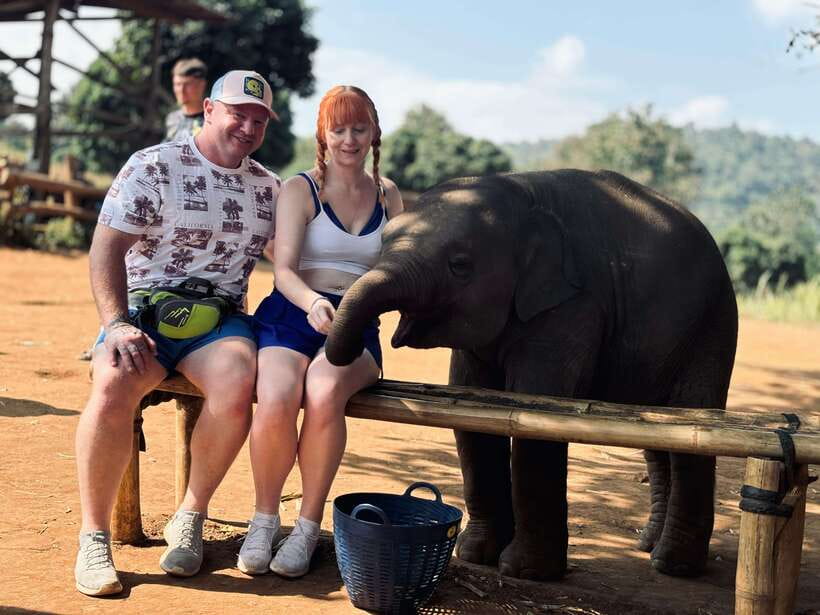
Feeding is close and memorable. Elephants may reach with their trunks, and you can watch how they take different foods. The staff keep the process controlled, which helps children and first-time elephant visitors feel more at ease.
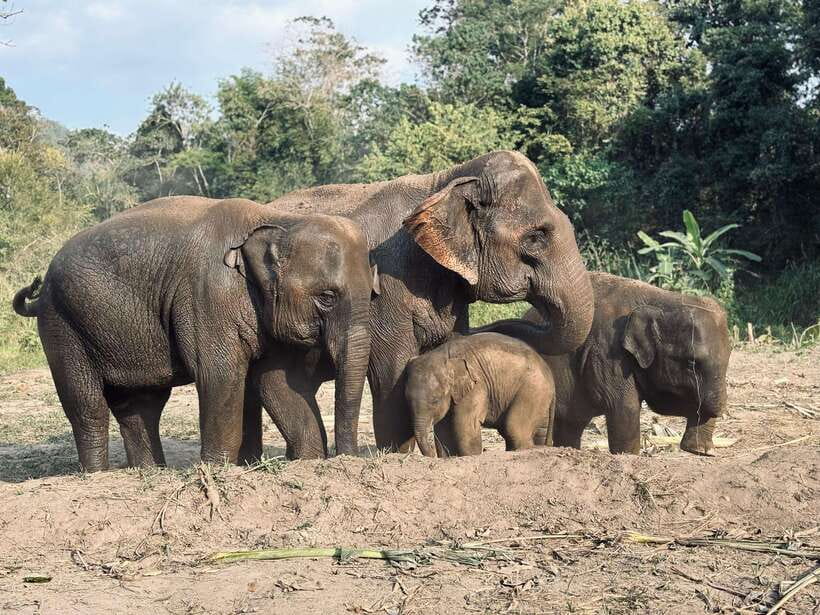
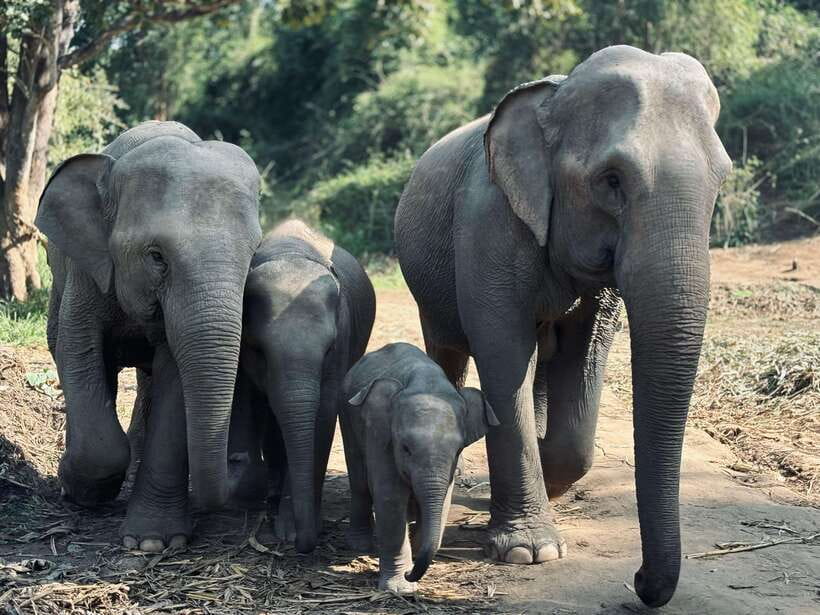
This is also where the program feels most personal. The keepers describe elephants by character and age, not simply as a group of animals. The herd includes young and old elephants, with one account noting ages from about one year to 74. Another describes a mother with three daughters, while the sanctuary also cares for a rescued bull.
Walking with the elephants through the forest
After the briefing and food preparation, you join a nature walk with the rangers. The elephants are allowed to move about rather than follow a fixed performance routine. That means the pace is partly set by the animals, which is good for them but less predictable for you.
You may walk between four activity stations, with short stretches of uneven ground. A bridge on the route has been described as wobbly but safe. It adds a little adventure, though it may unsettle anyone who dislikes heights or unstable footing.
The setting is one of the strongest features of the experience. The elephants spend time in a forest environment with room to move, rather than standing in a narrow enclosure. Several descriptions note that the animals can roam without chains and choose where to go.
Keep in mind that natural setting does not mean a completely wild elephant experience. These are cared-for elephants, many with domestic or working backgrounds. You interact with them under the direction of their handlers, and the sanctuary remains an organized visitor program.
The walk can be tiring if you have limited fitness. One person found the half-day tour a little long and noted the amount of walking. The activity is not suitable for wheelchair users, people with mobility impairments, or those with serious back problems, recent surgery, epilepsy, low fitness, or visual impairment.
Same place, a different set of animals:
- Chiang Mai: Small Group Ethical Elephant Sanctuary Tour
★ 4.9 · 1,572 reviews - Chiang Mai: Doi Inthanon and Elephant Sanctuary Tour
★ 4.9 · 1,091 reviews - 3-in-1: Doi Inthanon Tour, Elephant Sanctuary, and Trekking Trail
★ 5.0 · 1,087 reviews - Chiang Mai Elephant Sanctuary, Bamboo Rafting and Waterfall Tour
★ 5.0 · 870 reviews
Feeding elephants at close range
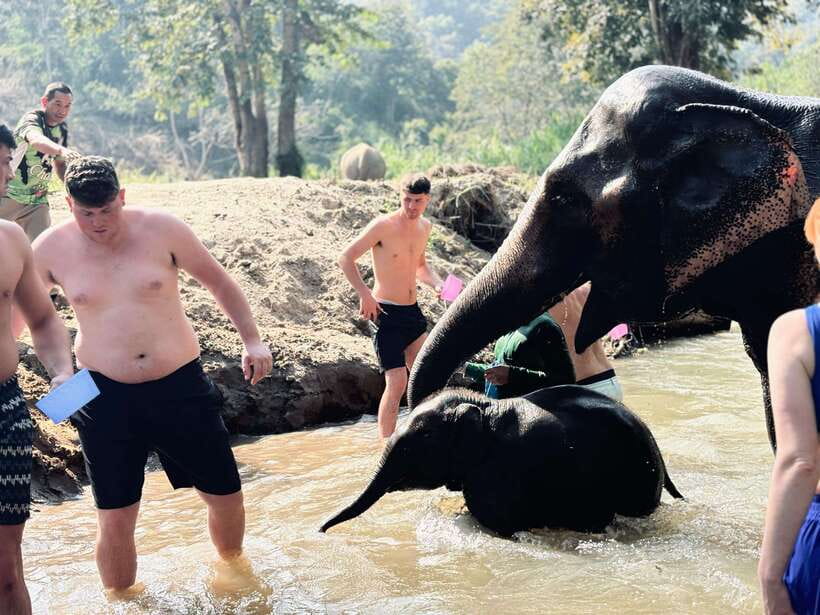
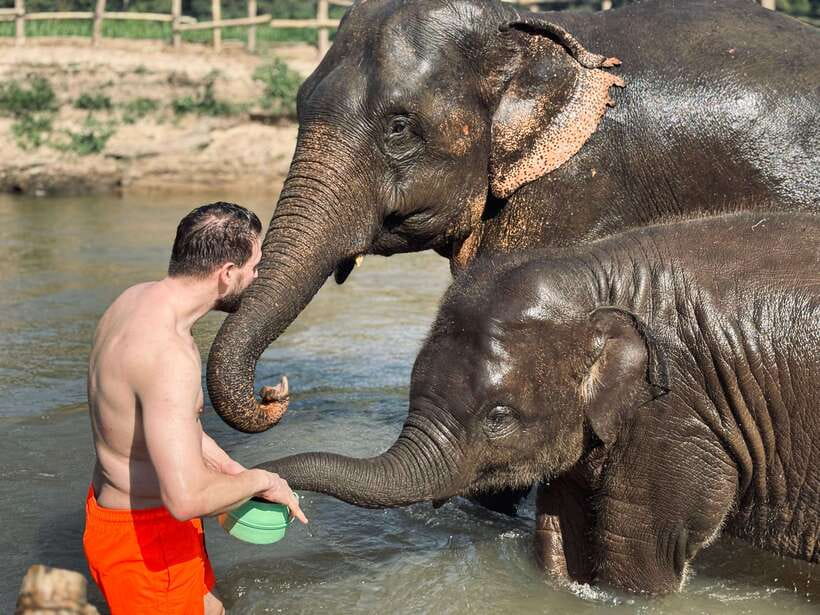
The feeding stops provide the most reliable elephant contact. You can offer bananas, sugarcane, and Napier grass while watching the animals use their trunks with surprising precision. The staff show you how to stand and how to avoid sudden movements.
You may also touch the elephants, but only as directed. The point is not to grab, hug, or pose the animal into a particular position. A calm elephant may approach closely, while another may prefer to keep moving. That difference is worth respecting.
Families can enjoy this part, though small children should stay beside an adult and follow every instruction. A six-month-old baby was welcomed and carefully supported by the guides while the parents took part. That does not mean every family arrangement will be identical, but it shows the staff are used to helping parents manage the activity.
The close contact feels more responsible because the elephants are not being ridden. Riding is prohibited, as are alcohol, drugs, fishing, littering, fires, weapons, sharp objects, and forced feeding. Party groups, including bachelor and bachelorette groups, are not accepted.
The river stop and getting wet
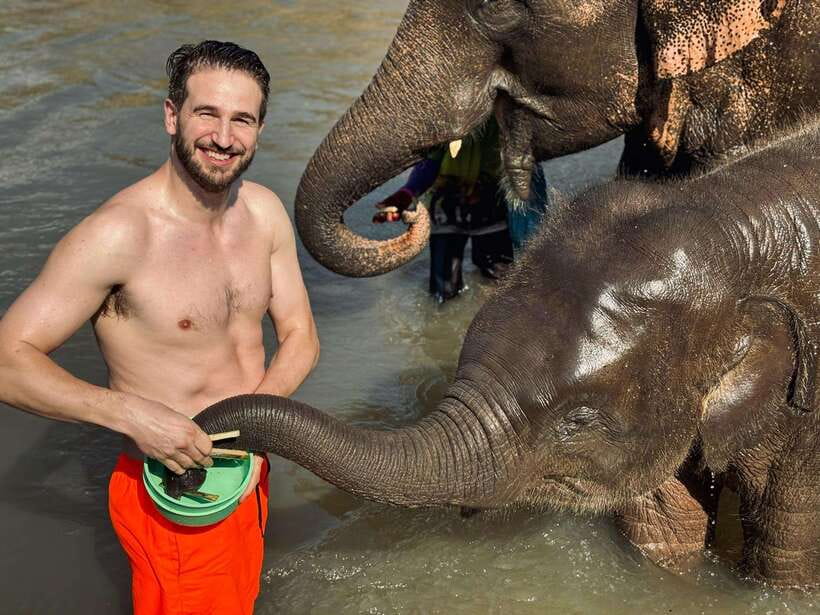
The river visit is the tour’s most playful section. If the elephants choose to enter, you can help wash them and splash in the water. Several people describe a water fight, so assume your clothes may become thoroughly wet rather than mildly damp.
Bring beachwear, clothes that can get dirty, and a full change of clothes. The program does not provide towels, so pack one. A waterproof phone pouch would also be sensible, though it is not listed as an included item.
The key rule is that the elephants decide. They are not forced to bathe, swim, or perform. If the weather is poor, water conditions change, or the elephants are not interested, the river portion may be altered or skipped.
That uncertainty is part of the ethical appeal, but it is also a practical drawback. If your only goal is to bathe an elephant, you cannot count on it. The feeding and educational parts are more dependable.
You should also expect mud, insects, and slippery surfaces. Biodegradable insect repellent and sunscreen are requested, and ordinary comfortable clothes are a better choice than anything you want to keep spotless.
How the program handles elephant welfare
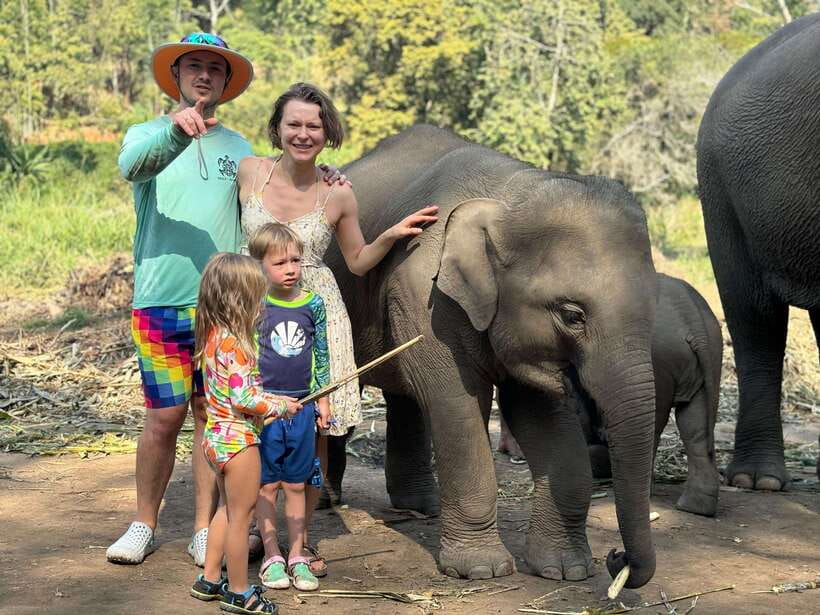
No short tour can prove every detail of an animal-care operation, so I pay attention to what you can observe directly. Here, the structure emphasizes no riding, no forced bathing, staff supervision, room to move, and explanations of diet and behavior.
The team presents the elephants as animals with choices. They may walk away, decline the river, or move at their own pace. The guides also talk about elephants rescued from hard working conditions, including animals once kept in chains.
The program supports local hill communities as well. The stated aim is to link elephant care with village income and long-term protection of the community forest. That gives your visit a wider purpose, although you should still watch how staff handle the animals during your own visit.
The strongest sign for you is the calm, ordinary care: preparing food, feeding, observing, and following the herd. The less a program depends on tricks, forced bathing, or staged behavior, the more comfortable the experience feels.
Is $27 a good value?
At $27 per person, this is inexpensive for a five-hour outing that can include transport, an English-speaking guide, insurance, elephant food, and drinking water. Hotel pickup and drop-off depend on the option you select, so check the exact booking choice before comparing prices.
A no-transfer option has been available at about 800 Thai baht. That can be a very good deal if you can arrange your own transport to the meeting point. The meeting point varies by option, so do not assume the pickup version and self-arrival version work the same way.
The value comes from the number of elements packed into one morning: a rural drive, briefing, food preparation, several feeding stops, a forest walk, and possible river time. You are not paying simply for a quick photograph beside an elephant.
The limitation is that much of your half-day goes to transport and group organization. If you want a private session or a quiet wildlife encounter with no other people nearby, this is not that. You are joining a structured activity with several stations and shared staff.
Still, for a first elephant experience in Chiang Mai, the price is strong. You receive a clear introduction to elephant care, direct contact, and a chance to support a local operation without the main attraction being elephant riding.
What to pack and what to expect
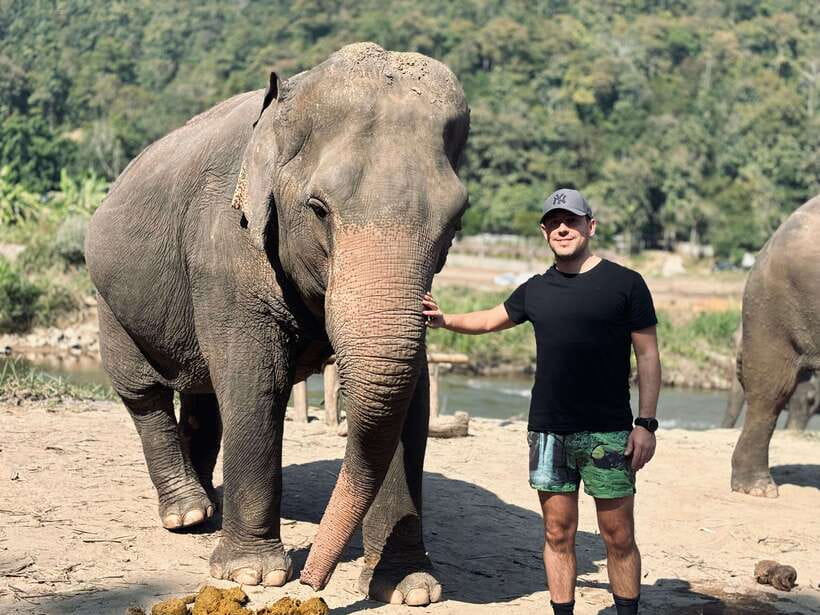
Pack light, but pack for water and dirt. I would bring:
- A change of clothes and a towel
- Swimwear or beachwear
- Comfortable clothing that can get dirty
- Closed, secure footwear suitable for walking
- Biodegradable sunscreen and insect repellent
- A charged smartphone or camera
- Cash for personal needs
- Your passport, or an accepted copy
You receive drinking water, but bring any special drinks or snacks you need. Do not bring weapons or sharp objects, alcohol, drugs, fireworks, explosives, fishing gear, skateboards, or skates.
The program is not suitable for people with animal allergies or insect allergies. Mobility limitations, back problems, epilepsy, recent surgery, and poor fitness are also listed as reasons to choose another activity.
The itinerary can change because of bad weather or other events beyond the operator’s control. Opening times may also shift. Free cancellation is available up to 24 hours before the tour, and you can reserve now and pay later, which helps if your Chiang Mai plans are still moving around.
Who should book this Chiang Mai elephant tour?
I would choose this program if you want close elephant contact but do not want riding. It suits couples, families, first-time visitors, and anyone who likes a mix of learning, light walking, food preparation, and outdoor activity.
It is especially useful if you only have half a day. The program is full enough to feel worthwhile, yet several people found the half-day length sufficient rather than wishing for a longer visit.
You should think twice if you need a guaranteed river swim, dislike wet clothes, have difficulty walking, or need a tightly fixed finish time. The drive is long, the terrain is not fully smooth, and elephant behavior cannot be scheduled like a stage show.
Should you book it?
Book it if your priorities are ethical-looking contact, good staff guidance, and strong value. The best moments come from feeding the elephants, learning their individual habits, and watching them choose where to go. The river is a bonus, not a promise.
Skip it if you want a short city activity, guaranteed bathing, or a fully private visit. For most able-bodied visitors who can spare five hours and accept a long rural transfer, Pon Elephant Thailand offers a thoughtful and unusually hands-on introduction to elephants near Chiang Mai.
FAQ
How long does the elephant sanctuary tour last?
The activity lasts five hours, or 330 minutes, including the scheduled program and transport time.
Where is Pon Elephant Thailand located?
The sanctuary is south of Mae Wang in Chiang Mai Province. The drive from Chiang Mai takes about 1.5 hours.
Is hotel pickup included?
Hotel pickup and drop-off are included only if you select that option. The meeting point may vary with the option booked.
What languages are available?
The live tour guide service is available in English and Thai.
Can I ride the elephants?
No. Riding the elephants is not allowed during this activity.
Can I bathe the elephants in the river?
You may help wash the elephants if they choose to enter the river. The animals are not forced to bathe, so this part can change at short notice.
What food can I give the elephants?
The program provides elephant fruit, and you may feed bananas, sugarcane, Napier grass, and prepared herbal treats.
Should I bring a towel?
Yes. Towels are not included, and you may get wet during the river activity.
Is the tour suitable for wheelchair users?
No. The activity is listed as unsuitable for wheelchair users and people with mobility impairments. It also involves walking on uneven ground.
Can I cancel the booking?
You can cancel up to 24 hours in advance for a full refund. A reserve-now-and-pay-later option is also available.
More Half-Day Trips in Chiang Mai
- Krabi: Ao Nang Elephant Sanctuary Half-Day Tour
★ 4.8 · 1,796 reviews - Koh Samui: Half-Day Ethical Elephant Sanctuary with Mud Spa
★ 4.8 · 574 reviews - From Johannesburg: Lion & Safari Park Half-Day Tour
★ 4.6 · 384 reviews - Ko Lanta Yai: Half-Day Ethical Elephant Sanctuary Tour
★ 4.8 · 338 reviews
Just added around Chiang Mai
- Inthanon Heaven Trail(Living Green Elephant Sanctuary)★ 5.0 · 52 reviews
- Elephant Sanctuary + Waterfall + Bamboo Rafting One Day Trip★ 4.5 · 22 reviews
- Chiang Mai Zipline White Water Rafting and Elephant Sanctuary★ 4.0 · 11 reviews
- Chiang Mai Half Day Tour: Doi Inthanon Elephant Sanctuary★ 4.5 · 22 reviews
- Chiang Mai Elephant Sanctuary and Temples Tour in Spanish★ 5.0 · 5 reviews
- ChiangMai 1DayTour:Elephant Sanctuary,king&queen pagoda,waterfall★ 5.0 · 23 reviews
- Chiang Mai ATV White Water Rafting and Elephant Sanctuary Full-Day Trip★ 4.5 · 8 reviews
- Chiang Mai: Inthanon, Elephant Sanctuary Observation & Waterfall★ 5.0 · 33 reviews
Chiang Mai Zoos, compared.
Chiang Mai: Elephant Sanctuary, Waterfall & Bamboo Rafting
Read our review →
Chiang Mai: Elephant Sanctuary & Waterfall Group Tour
Read our review →
Chiang Mai: Elephant Sanctuary, Long Neck & Sticky Waterfall
Read our review →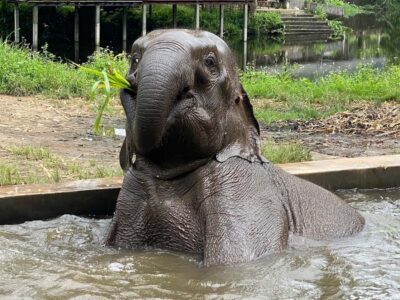
Chiang Mai: Small Group Ethical Elephant Sanctuary Tour
Read our review →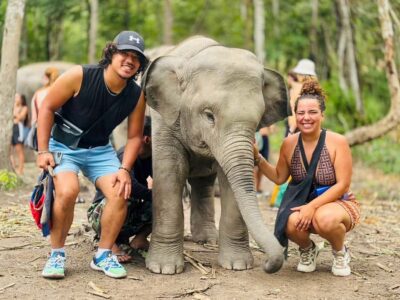
Chiang Mai: Doi Inthanon and Elephant Sanctuary Tour
Read our review →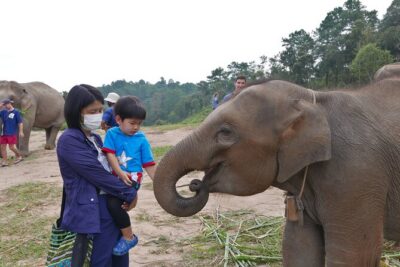
3-in-1: Doi Inthanon Tour, Elephant Sanctuary, and Trekking Trail
Read our review →
Chiang Mai Elephant Sanctuary, Bamboo Rafting and Waterfall Tour
Read our review →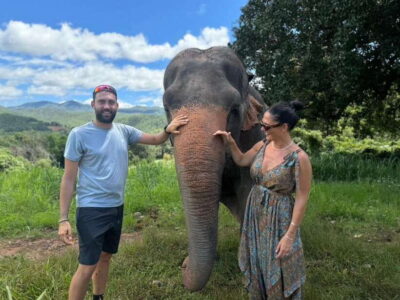
Chiang Mai: Elephant Sanctuary, Monk Trail & Doi Suthep Tour
Read our review →Browse the lists this tour appears in