
REVIEW · PATTAYA
Pattaya: Ethical Elephant Sanctuary Interactive Tour
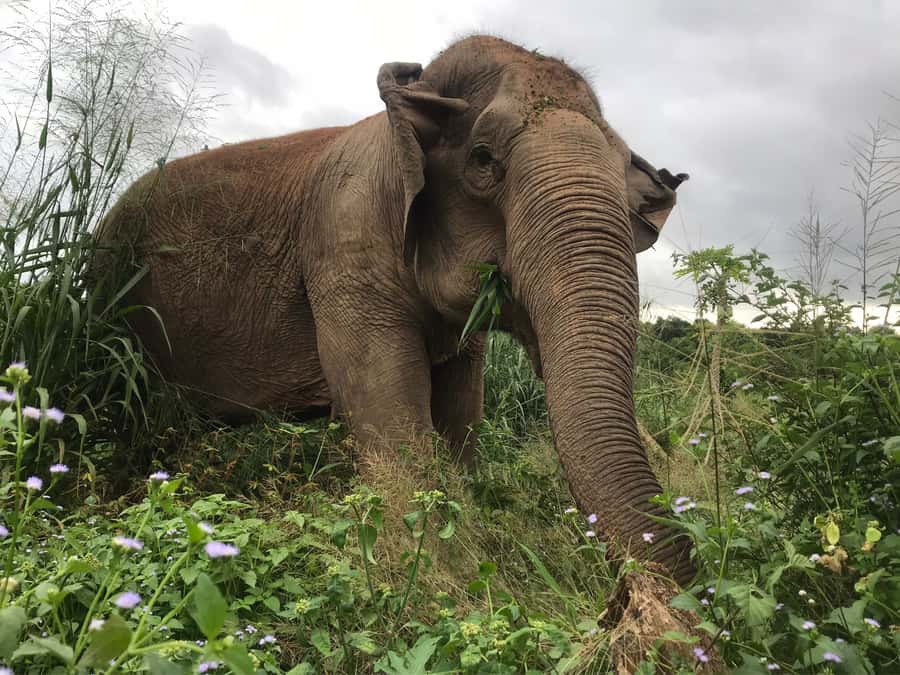
The best part of this Pattaya elephant sanctuary tour is the chance to meet rescued elephants through food, walking, mud, and water rather than riding. You prepare natural supplements, hear the story of each elephant, and spend time with them in a setting where they can roam freely. I especially like the strict no-riding rule and the chance to help feed and bathe the animals.
I also like the guides, who have been praised for clear safety advice and a warm, personal approach. Guides including Arm, Tak, and Pornpan have helped visitors understand each elephant’s background, while staff have taken photos for solo visitors and families. The main drawback is the transfer: the drive takes about 45 minutes each way, and shared hotel pickups can make the ride longer.
Key points to know before you book
- Rescued elephants, no riding: The sanctuary does not offer elephant rides and promotes animal-friendly tourism.
- Hands-on feeding: You receive bananas and sugar cane, then help prepare natural food such as elephant rice balls.
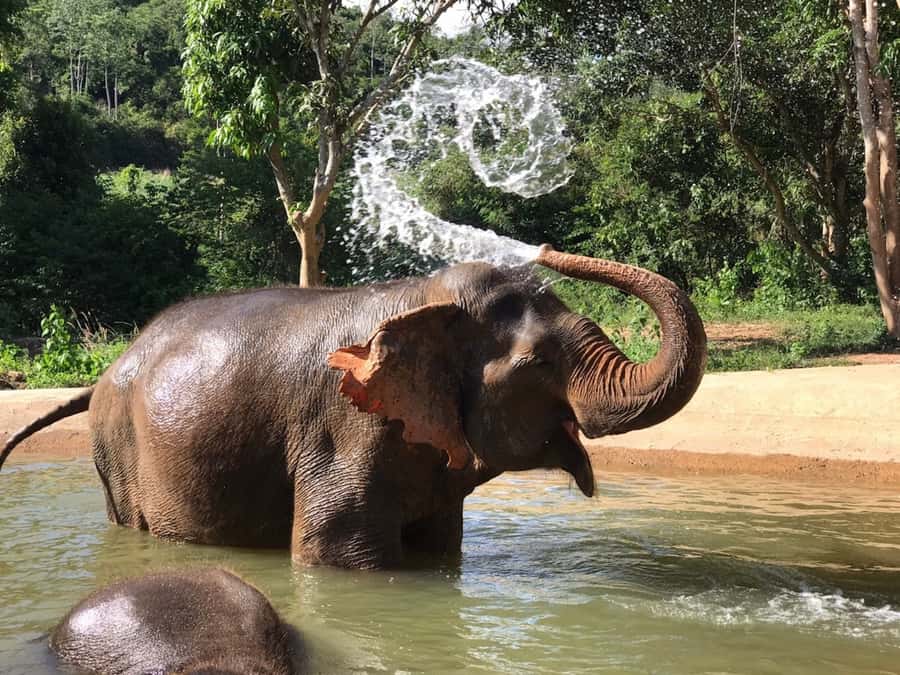
- Mud and river bathing: You can join the elephants for a mud spa, then brush and wash them in the water.
- A 45-minute transfer each way: Shared pickup is convenient, but multiple hotel stops can add time.
- Bring clothes for mud and water: Pack a towel, spare clothes, sunscreen, insect repellent, socks, and a hat.
- $109 includes more than entry: The price covers Pattaya hotel transfers, a guide, elephant food, drinking water, and two traditional Thai buffet meals.
Meeting rescued elephants outside Pattaya
This is a half-day outing from Pattaya City into Chonburi Province. Your van collects you from your Pattaya hotel, then heads through agricultural areas for roughly 45 minutes. The ride gives you a change from the city’s busy streets, but you should allow extra time if other passengers need collecting.
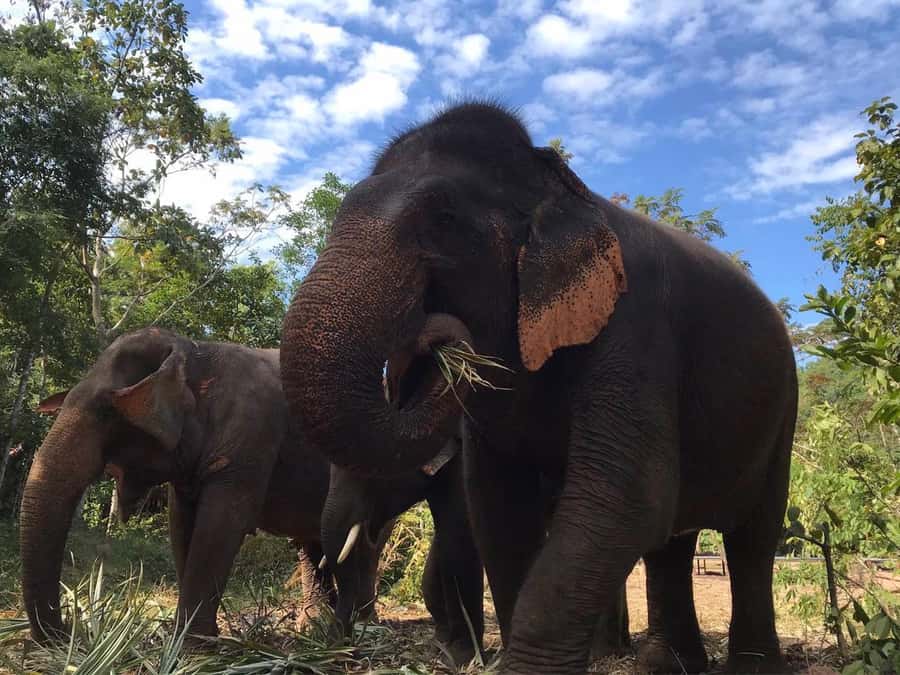
The sanctuary visit begins with an introduction to the elephants and the basic rules for approaching them. You then receive bananas and sugar cane to offer by hand. This opening activity is simple, but it gives you a useful way to begin: the elephants associate visitors with food, and you can watch how they use their trunks to inspect and collect each piece.
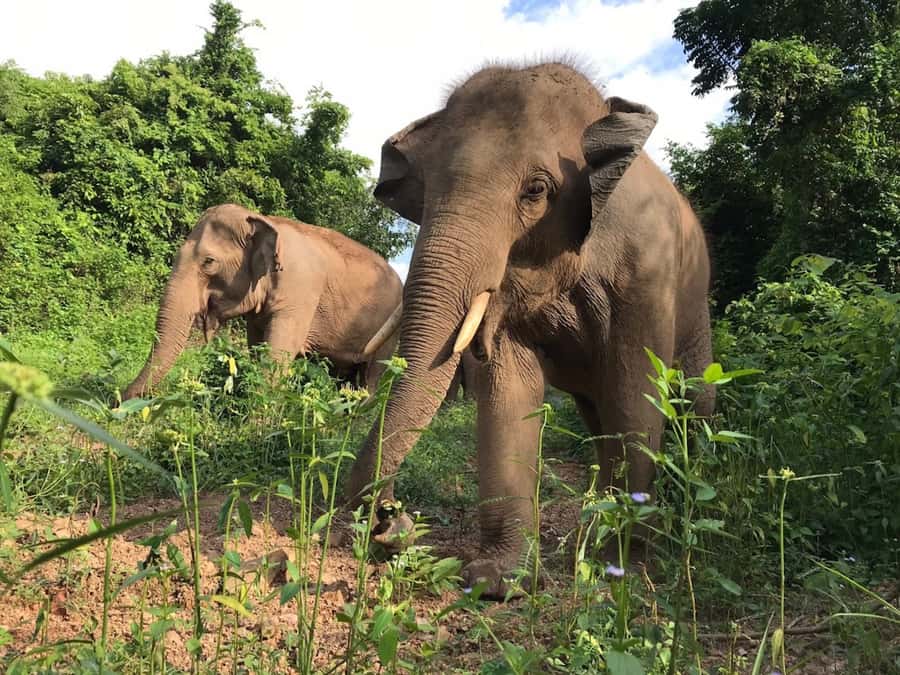
The animals have individual stories, and the guides explain how they came to the sanctuary. Names that come up during the experience include Somkid, Thangthai, Frank, and several older females. Frank is especially playful, while the older elephants help show that this is not just a quick photo stop with young animals.
You can touch, feed, photograph, and interact with the elephants, but you should still follow the guide closely. These are very large animals, and the presence of a guide matters. The staff explain how to behave around them and stay nearby during the activities, which helps families and first-time elephant visitors feel more at ease.
More Elephant Sanctuaries in Thailand:
- Chiang Mai: Elephant Sanctuary, Waterfall & Bamboo Rafting
★ 4.9 · 9,160 reviews - Chiang Mai: Elephant Sanctuary & Waterfall Group Tour
★ 4.9 · 5,780 reviews - Chiang Mai: Elephant Sanctuary Feeding Program Half-Day Tour
★ 4.8 · 4,527 reviews
What the no-riding policy means
The sanctuary’s no-riding rule is an important part of the experience. You will not sit on an elephant, and the activity does not use riding as entertainment. Instead, the program focuses on feeding, walking, bathing, and observing.
That does not make the experience completely hands-off. You still get close enough to feed the elephants, apply mud, brush them, and take photographs. The difference is that the encounter is built around care routines rather than a performance or a ride.
The sanctuary presents the elephants as rescued animals that should no longer be used for labor or riding. You will hear about the difficult backgrounds of individual elephants, which adds context to the visit. It also makes the experience more than a photo opportunity. You get a clearer sense of why responsible elephant tourism matters.
A fair point to keep in mind is that the word ethical can mean different things in different places. The information provided for this tour describes free-roaming elephants, a strict no-riding policy, and an emphasis on rescue and care. You can judge the operation for yourself while you are there by watching how staff handle the animals, how much choice the elephants have, and whether the guide respects their space.
Preparing food with the elephants
Feeding is one of the most enjoyable parts of the morning or afternoon. Bananas and sugar cane are provided, so you do not need to bring food from Pattaya. The guide shows you how to offer it safely, and you can watch each elephant’s different eating style.
The activity can also include preparing natural dietary supplements. One distinctive hands-on task is making elephant rice balls, which gives you a better idea of the daily work involved in feeding rescued animals. It is a small job, but it connects the visitor to the practical side of sanctuary care.
The guides use these moments to explain elephant behavior and lifestyle. You may notice how the animals use their trunks, how they move toward food, or how they respond to people they know. The emphasis is on observing and helping, not on forcing the elephants into poses.
If you are visiting with children, this section gives them something useful to do. It is more engaging than simply watching an elephant from behind a barrier, but you should expect to spend time outdoors in the heat. Drink water before and during the visit, and remember that the animals may not always behave on your preferred schedule.
A muddy spa with the elephants
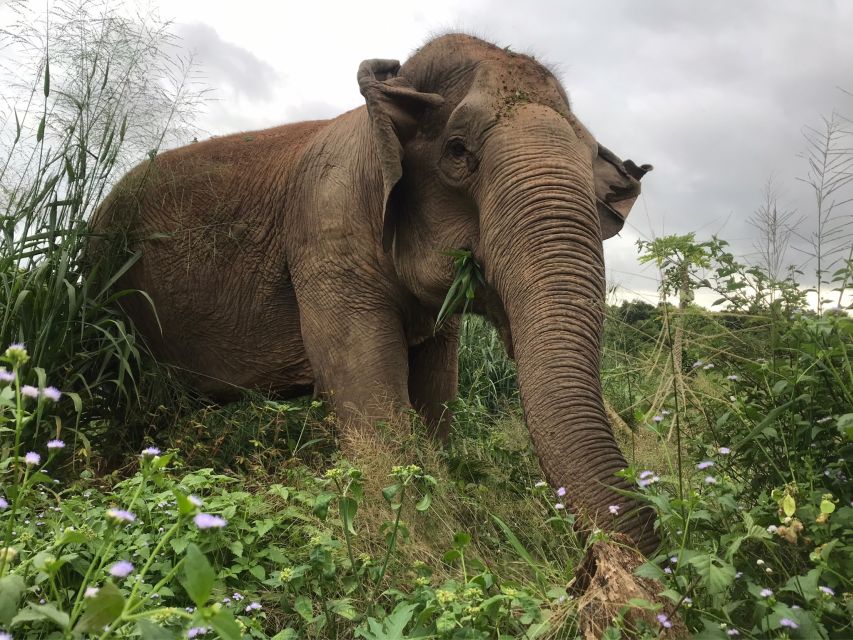
After meeting the elephants, you walk with them to a nearby mud area. Here you help apply a cosmetic mud treatment to their skin and get muddy yourself. It is playful, messy, and very different from the polished animal-photo experiences found elsewhere.
Wear clothes and shoes that you can sacrifice to the cause. The instructions specifically recommend clothing that can get dirty, and that advice is worth taking seriously. In wet weather, the ground may become especially muddy, and wellie boots are provided if rain makes the conditions difficult.
The mud activity is also a reminder that elephant care is physical work. You are not merely standing beside the animals. You are helping spread mud over their skin while staying under the direction of the staff. The guides keep an eye on the group and explain what to do.
Rain does not necessarily end the outing. One visitor described continuing with the elephants during a thunderstorm and even entering the water while rain fell. That can make the day memorable, but you should be comfortable with getting wet, sweaty, and muddy. Bring a change of clothes and a towel, not just a camera.
A few more animal parks around Thailand worth a look
- Chiang Mai: Elephant Sanctuary, Long Neck & Sticky Waterfall
★ 4.9 · 2,262 reviews - Phuket: Elephant Sanctuary Guided Tour with Hotel Transfers
★ 4.8 · 2,020 reviews - Krabi: Ao Nang Elephant Sanctuary Half-Day Tour
★ 4.8 · 1,796 reviews - A Morning with the Elephants at Phuket Elephant Sanctuary
★ 5.0 · 1,693 reviews
Bathing and swimming in the water
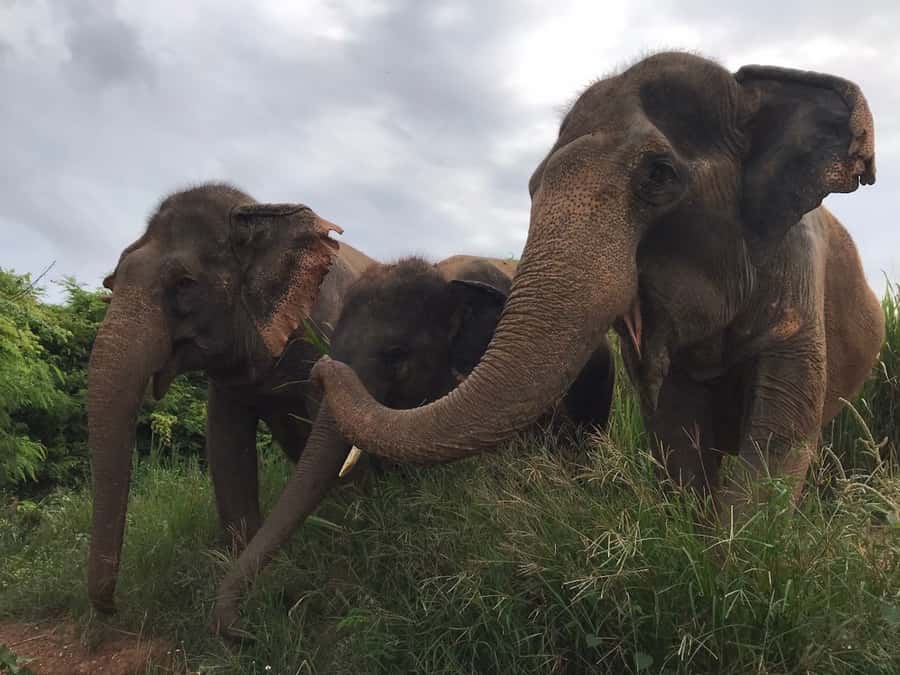
After the mud spa, you walk with the elephants to a nearby river or pool. You can enter the water, help wash and brush the animals, and swim while they wade and play nearby.
This is often the most memorable part of the tour, but it is also the point where practical details matter most. Bring swimwear or clothes suitable for getting soaked, plus a towel and dry clothing for the ride back. Water shoes can help. One visitor noted that moss made it difficult to climb out of the pond without assistance, while another advised bringing suitable footwear.
The bathing period may feel short, especially if this is the part you are most excited about. The overall sanctuary visit lasts around three hours, including the guided walk, feeding, mud activity, bathing, food, and photos, so the exact time in the water can vary.
The guides decide how the activity proceeds, and the elephants’ comfort comes first. The rules state that the animals should enter the water only if they want to. That is a good sign for anyone trying to choose a more responsible encounter. You may not get every photograph you imagined, but the animals are not treated as props.
Once the elephants are clean, you have time for final photographs. Staff may help take pictures, which is useful if you are traveling alone or want group shots with everyone in the frame. Keep your phone protected from water and mud.
Thai food, fruit, and a useful pause
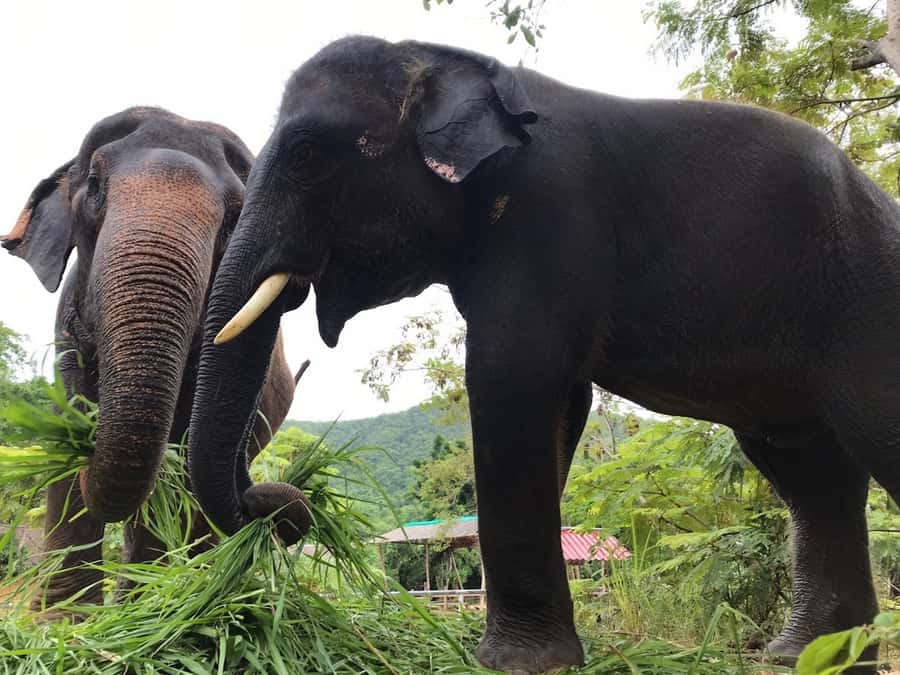
Food is included, with two traditional Thai buffet meals listed as part of the package. The visit also includes freshly cooked Pad Thai, snacks, seasonal fruit, drinking water, and other buffet dishes.
This matters because the sanctuary portion takes several hours in warm weather. You are outside, walking, standing, and working around water and mud, so a meal is more than a bonus. It gives you a proper pause before changing into dry clothes and heading back to Pattaya.
The food also adds a local touch without taking over the day. You are not visiting the sanctuary for a cooking class, but a Thai meal of Pad Thai and seasonal fruit makes the outing feel connected to Thailand rather than like a standard animal park visit.
If you have food preferences or special needs, the supplied information does not explain the menu in detail. Personal expenses are not included, so bring money for anything extra, including possible souvenirs or donations if you want to support the sanctuary beyond the ticket price.
The real cost of the Pattaya elephant tour
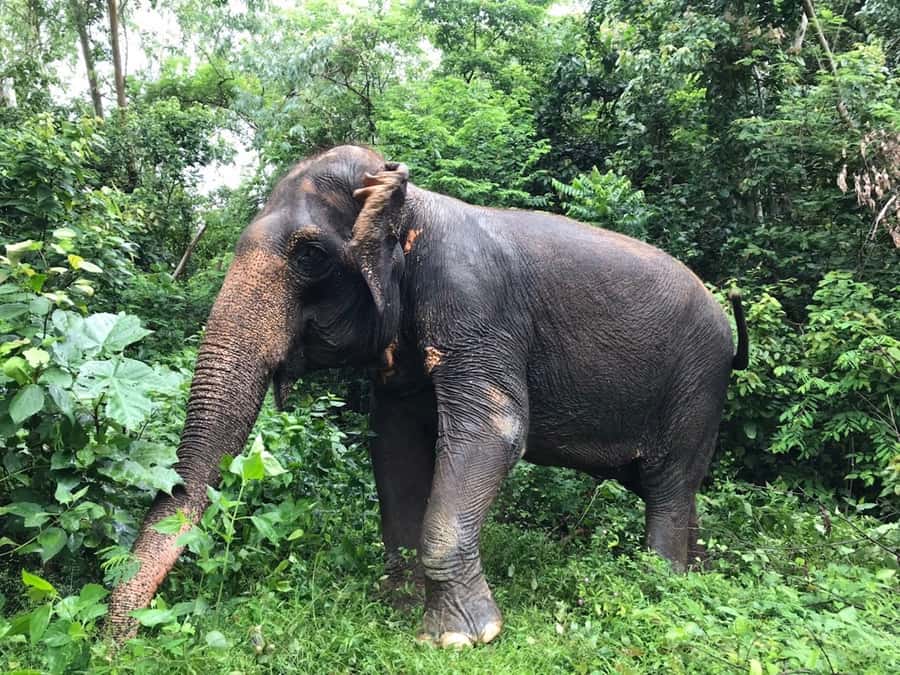
At $109 per person, this is not the cheapest animal encounter around Pattaya. The price makes more sense when you add up what is included: shared hotel transport within Pattaya City, an English-speaking guide, elephant food, drinking water, two Thai buffet meals, and the guided sanctuary program.
A private transfer option is available if selected, which may suit a family or small group that wants a more direct ride. The standard shared van is convenient, but the pickup route can be slow. Some people have found the hotel-to-hotel collection frustrating, especially when the drive to the sanctuary is already about 45 minutes.
You should think of this as a half-day experience, not a quick two-hour activity. The published duration is four to six hours, including the transfers. If you have a tightly packed Pattaya schedule, leave plenty of space around the booking.
The price also supports an experience built around rescued elephants rather than riding. I would consider it fair value if feeding, learning about the elephants, bathing, and animal welfare are your main goals. If you only want a short photograph with an elephant, you can find less involved options, but they may not offer the same time or activities.
Who will enjoy this sanctuary visit?
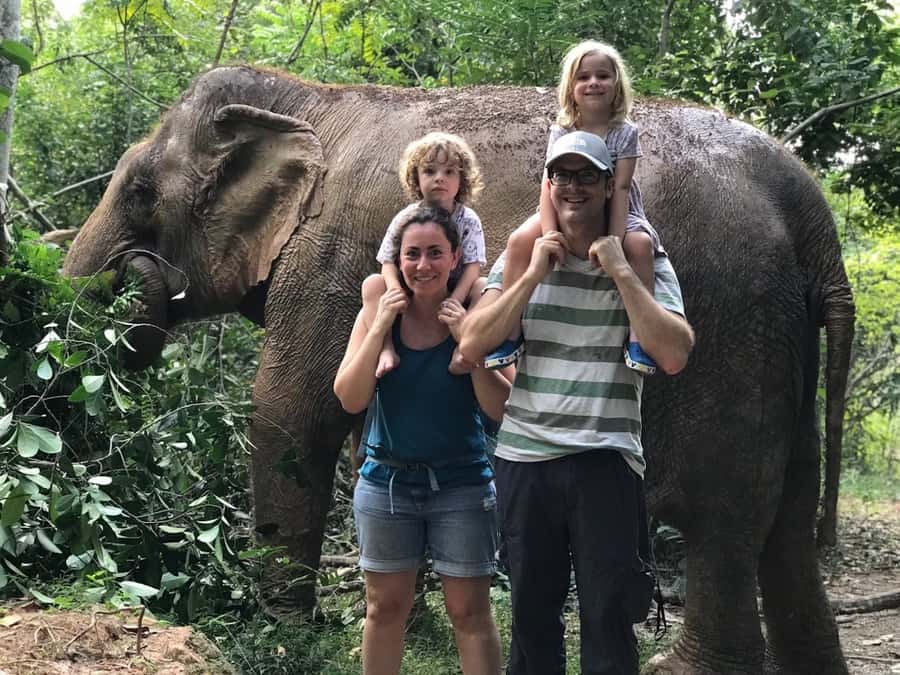
This tour suits animal lovers, families, couples, solo visitors, and anyone who wants a close elephant encounter without riding. Children are likely to enjoy the food preparation, muddy play, and bathing, though adults should keep a close eye on them around the animals and water.
It also works well for solo visitors. Staff can help with photographs, and the guided format means you do not have to arrange transport to a rural location on your own.
You need reasonable mobility. The activity includes walking, standing outdoors, entering muddy areas, and getting into the water. It is not suitable for wheelchair users.
You should skip it if you dislike heat, mud, wet clothes, insects, or the possibility that the bathing time may be shorter than expected. The sanctuary is designed for active participation, not a shaded viewing platform.
What to pack for a comfortable visit
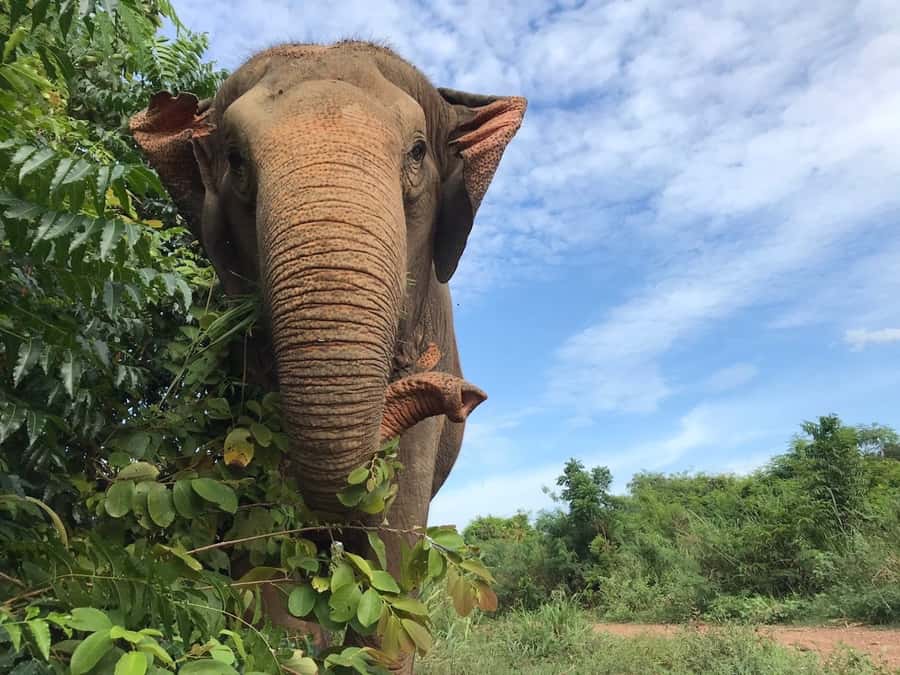
Keep your packing list simple but practical:
- Hat and sunscreen
- Insect repellent
- Towel and a full change of clothes
- Socks, especially during rainy weather
- Clothes and shoes that can get dirty
- Swimwear or clothing suitable for bathing
- Water shoes if you plan to enter the pond or river
Bring a waterproof bag for your phone and dry clothes. Drink water before the activity begins, since you may spend long periods outside in the heat.
The sanctuary provides wellie boots when rain makes the ground muddy, but socks are still recommended. Personal expenses are not covered, and hotel transfers outside Pattaya City, including Bangkok or Laem Chabang Pier, are not included.
Should you book this Pattaya elephant experience?
I would book this tour if you want a hands-on elephant encounter with a clear no-riding policy and enough time to feed, walk with, and bathe the animals. The strongest parts are the individual rescue stories, the natural food preparation, the mud spa, and the chance to see the elephants in a less restricted setting.
I would hesitate only if your schedule cannot absorb a four to six-hour outing or if shared pickup delays bother you. The transport is the weak point, not the sanctuary program itself.
For the best experience, bring old clothes, water shoes, a towel, and patience for the van. If you want a responsible alternative to elephant riding and are happy to get dirty, this is one of Pattaya’s more worthwhile day activities.
FAQ
How long does the Pattaya elephant sanctuary tour last?
The activity takes about four to six hours, including transportation. The van ride is approximately 45 minutes each way, and the sanctuary program lasts around three hours.
Is hotel pickup included?
Yes. Shared hotel transfers are included for hotels in Pattaya City. Transfers from Bangkok or Laem Chabang Pier are not included.
Can I ride the elephants?
No. The sanctuary has a strict no-riding policy and promotes sustainable tourism without elephant rides.
Can I feed the elephants?
Yes. Bananas, sugar cane, and other food for feeding the elephants are provided. You may also help prepare natural supplements such as elephant rice balls.
Can I swim with the elephants?
Yes. You can enter the water with the elephants, help bathe and brush them, and swim while they wade and play. The animals enter the water if they want to.
What should I wear?
Wear clothes that can get sweaty, wet, or muddy. Bring a hat, sunscreen, insect repellent, socks, a towel, and a complete change of clothes.
Are meals included?
Yes. Two traditional Thai buffet meals are included. The food can include freshly cooked Pad Thai, snacks, seasonal fruit, and drinking water.
Is the tour suitable for wheelchair users?
No. The activity is not suitable for wheelchair users.
Can I cancel the booking?
You can cancel up to 24 hours in advance for a full refund. You can also reserve now and pay later, subject to the booking conditions.
Just added around Thailand
- Elephant Sanctuary Small Group Tour in Phuket★ 5.0 · 3 reviews
- Phuket Guided Tour to Elephant Sanctuary with Hotel Transfers★ 5.0 · 14 reviews
- Krabi Immersive Elephant Sanctuary Experience★ 3.5 · 2 reviews
- Krabi Elephant Sanctuary and Emerald Pool Adventure★ 5.0 · 2 reviews
- Guide Tour to Khaolak Elephant Sanctuary in Small Group★ 5.0 · 47 reviews
- Ethical Elephant Observation by Samui Elephant Sanctuary★ 4.5 · 6 reviews
- Early Bird James Bond Island and Elephant Sanctuary from Khaolak★ 5.0 · 2 reviews
- Guided Tour to Takua Pa and Elephant Sanctuary in Khao Lak★ 5.0 · 4 reviews
Pattaya Zoos, compared.
Pattaya: Living Green Elephant Sanctuary Day Trip
Read our review →
Patong Highlights: Elephant Sanctuary Tour with Transfer
Read our review →
Ethical Elephant Sanctuary Tour from Bangkok & Pattaya
Read our review →
Bangkok/Pattaya: Khao Kheow Zoo Private Tour with Pickup
Read our review →Browse the lists this tour appears in