
REVIEW · PATTAYA
Patong Highlights: Elephant Sanctuary Tour with Transfer
The most meaningful part of this Patong outing is the chance to see rescued elephants behave without performing, carrying riders, or following a bathing routine. You learn each elephant’s past, prepare herbal food, and walk with them through the forest while caretakers explain their habits and body language.
I like the family-led hill tribe setting, where elephant care is tied to generations of mahout experience. I also like the small, practical activities, especially making herbal medicine balls rather than simply feeding an animal a few pieces of fruit.
The main thing to check before booking is the bathing policy. The current program says no bathing, yet some past descriptions mention washing or bathing the elephants. Also, this new sanctuary has no toilet facility, so plan accordingly.
Key points at a glance
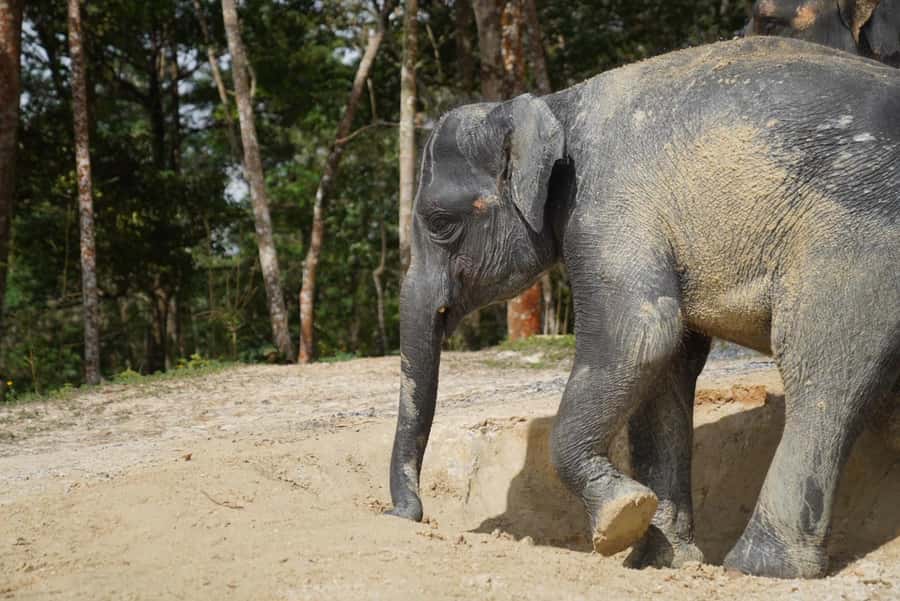
- Rescued elephants from Northern Thailand: Hear the personal stories behind the elephants’ former working lives.
- Herbal medicine ball activity: Prepare traditional food intended to support healing and nutrition.
- Forest walk without riding: Follow the elephants while they choose where to walk, rest, or bathe.
- No fences between you and the elephants: This allows natural behavior but makes following staff instructions essential.
- Optional hotel transfer: Pickup and drop-off can be included, depending on the option you select.
- A $68 ethical outing: The price is strongest for visitors who value education, direct support for caretakers, and a short trip from Patong.
Meeting rescued elephants near Patong
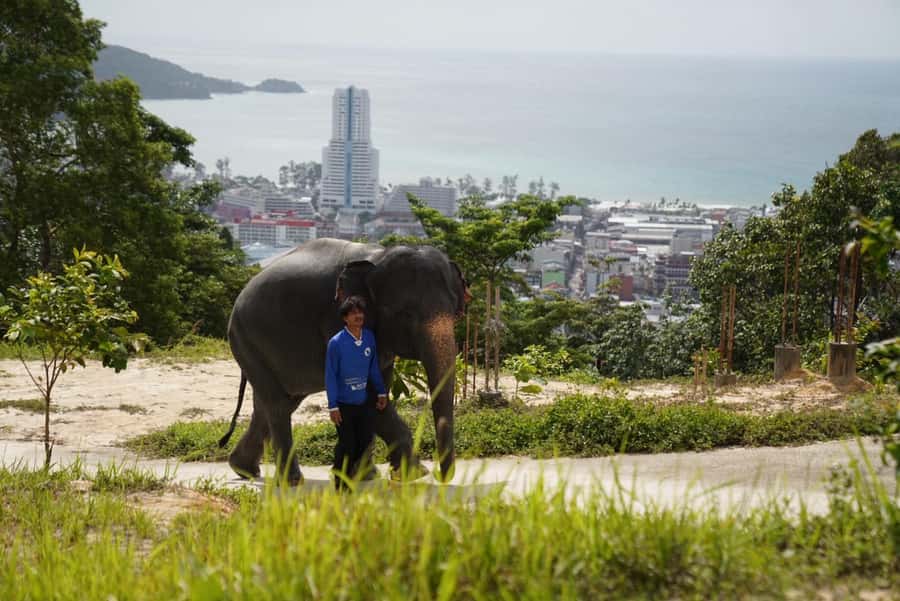
Hill Tribe Elephant Village sits in a forested area behind Patong Beach. That location matters. You can reach a quiet, leafy setting without giving up most of your day to a long journey across Phuket.
The sanctuary was created by hill tribe families who have cared for elephants for generations. The elephants here are retired from the tourism industry, and the visit focuses on their lives after work. You are not watching a stage show or taking a ride. Instead, you see how the animals respond when there is no performance to complete.
The tour lasts about 2.5 hours. That is long enough for a proper introduction, the herbal food activity, and a forest walk, but short enough to fit beside a beach day or an evening in Patong. I would see it as a focused half-day outing rather than a full-day expedition.
Your introduction begins with the elephants’ individual stories. This is more useful than a general lecture about elephant conservation because it puts the animal in front of you in human terms. You hear where the elephants came from, what their former work involved, and how their caretakers now look after them.
Some of the elephants have endured mistreatment in earlier parts of their lives. The point of the visit is not to hide that past, but to show what care can look like afterward. You will also hear about the relationship between each elephant and its mahout, or caretaker. That connection helps explain why experienced staff watch small changes in posture, movement, and mood.
More Zoos with Hotel Transfers in Thailand
- Phuket: Guided Tour to Elephant Sanctuary & Hotel Transfer
★ 4.8 · 292 reviews - Phuket : Guided Tour to Elephant Sanctuary with Transfers
★ 4.9 · 40 reviews - Bangkok/Pattaya: Khao Kheow Zoo Private Tour with Pickup
★ 4.6 · 17 reviews
Making herbal medicine balls by hand
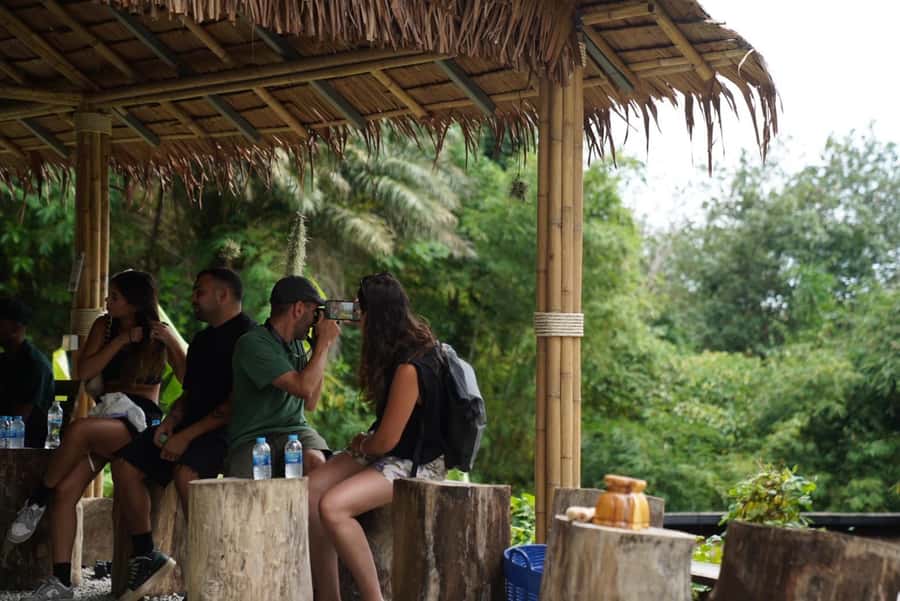
The herbal medicine activity gives you something useful to do before the forest walk. Rather than arriving, posing for photographs, and leaving, you help prepare herbal food for the elephants.
The food is described as traditional herbal medicine balls. The natural ingredients provide nutrition and support healing, making the activity part of the sanctuary’s care routine rather than a token craft project.
I like this part because it slows the visit down. You are handling the food, listening to instructions, and learning why certain items are used. It also gives you a better sense of the daily work involved in caring for a large animal with a difficult past.
You should expect a hands-on activity, but the supplied details do not specify the exact ingredients or whether every visitor prepares a ball for every elephant. Follow the caretakers’ instructions and let the staff control how and when the food is offered.
Feeding is one of the ways you may come close to the elephants, but it is not the whole point of the visit. The better experience comes from seeing feeding as one small part of a wider care program. The sanctuary is trying to support the elephants’ health, not turn every moment into an encounter arranged for photographs.
Walking beside elephants in the forest
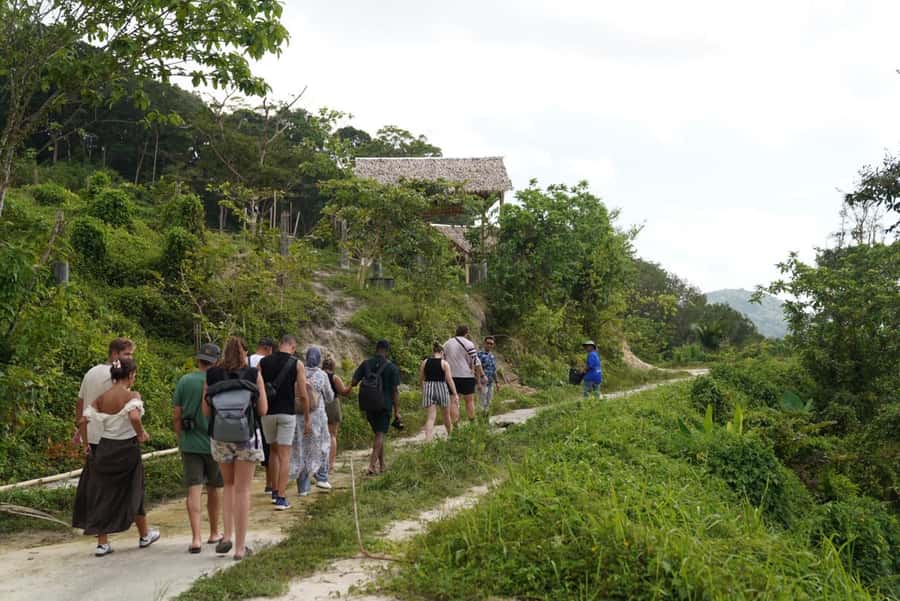
After the introduction and herbal food preparation, you walk with the elephants along peaceful jungle paths. The key word here is with, not on. Riding is not part of the program.
You are encouraged to observe rather than direct. The elephants can walk, pause, rest, or bathe where they choose. Caretakers explain their body language, social habits, and normal behavior as you move through the forest.
This pressure-free setting is the strongest reason to choose this outing over a standard elephant ride. You may not see a perfectly timed animal interaction, and that is the point. An elephant may stop when you expect it to continue, wander away from the group, or choose a shady spot. Those unscripted moments tell you more about the animal than a forced performance.
There are no barriers or fences separating people and elephants. That creates a more natural setting, but it also raises the need for discipline. You must stay close to the team’s instructions, keep your movements calm, and avoid treating the elephants like oversized domestic animals.
The sanctuary may allow you to see elephants in different parts of the grounds because they are free to choose where they go. You might find them walking, resting, or bathing without a fixed viewing point. This is better for the elephants, though it means the experience may feel less predictable than a zoo visit.
Wear comfortable shoes with enough grip for forest paths. A sun hat, sunscreen, and insect repellent are sensible choices. Swimwear is included on the recommended packing list, but the stated program specifically says there is no bathing with elephants. I would pack it only if your provider confirms that the policy has changed.
A closer look at the elephant care philosophy
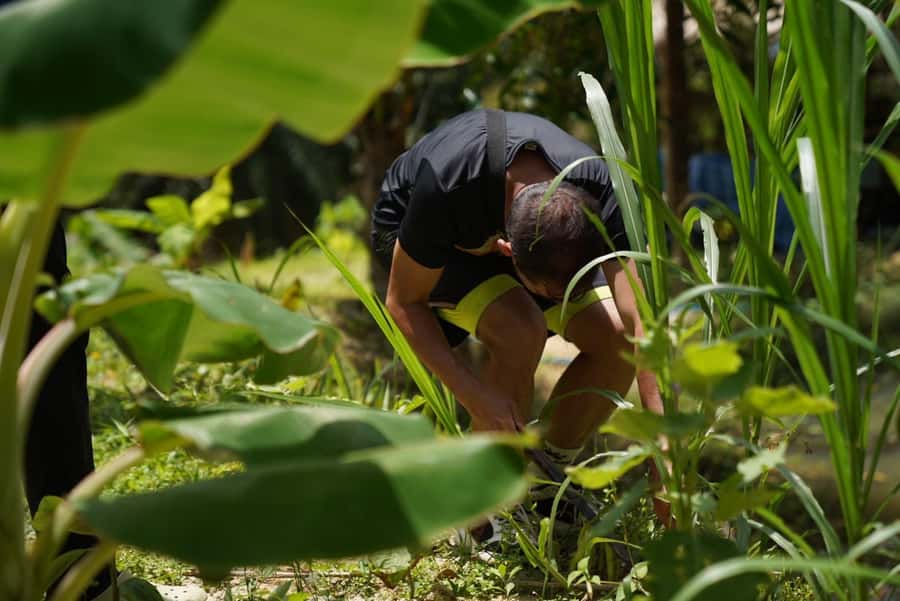
The tour’s strongest message is that ethical care involves limits. There is no riding, no performance schedule, and no forced bathing in the current description.
That distinction is worth understanding before you book. An elephant can appear calm around people and still have a history of hard labor or poor treatment. The sanctuary’s aim is to reduce pressure and allow natural choices. A good visit, then, is not measured by how many times you touch an elephant. It is measured by how much the animal can behave on its own terms.
The lack of fences is part of that philosophy. It gives elephants more freedom, but it also means the sanctuary depends on trained caretakers and visitor cooperation. Listen when staff ask you to step back, change position, or stop feeding. Those instructions protect both sides.
The caretakers’ role is central. The sanctuary is run by hill tribe families with generations of elephant experience, and local staff guide the visit in English. They explain the stories of the elephants, the herbal food, and the animals’ behavior.
No individual guide names are provided, so I would not book this expecting a particular presenter. The useful feature is the direct contact with the local caretaking team, not a celebrity guide or large production.
More Elephant Sanctuaries in Thailand:
- Chiang Mai: Elephant Sanctuary, Waterfall & Bamboo Rafting
★ 4.9 · 9,160 reviews - Chiang Mai: Elephant Sanctuary & Waterfall Group Tour
★ 4.9 · 5,780 reviews - Chiang Mai: Elephant Sanctuary Feeding Program Half-Day Tour
★ 4.8 · 4,527 reviews - Chiang Mai: Elephant Sanctuary, Long Neck & Sticky Waterfall
★ 4.9 · 2,262 reviews
What the 2.5 hours feel like
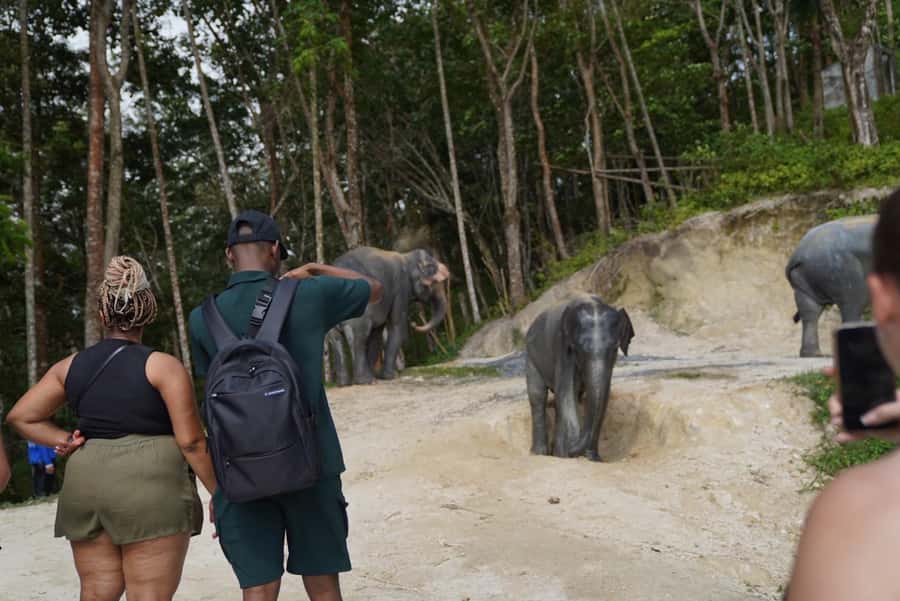
The schedule is compact but has several distinct parts:
- Arrival and orientation at Hill Tribe Elephant Village
- Personal stories about the elephants and their mahouts
- Education about elephant behavior and care
- Preparation of herbal medicine balls
- A forest walk beside the elephants
- Return to the meeting point
That structure works well for first-time elephant visitors. You get context before contact, an activity that connects you to the care routine, and time outdoors to watch the elephants behave.
The experience ends back at the meeting point. If you choose the transfer option, hotel pickup and drop-off are included. The provider arranges pickup details by confirmation message, so give a working phone number or email when you book.
Arrive at least 15 minutes before the scheduled start. Late arrivals cannot be held for the next group. You may be offered the next available schedule if one exists, but that is not guaranteed.
The no-toilet detail you need to know
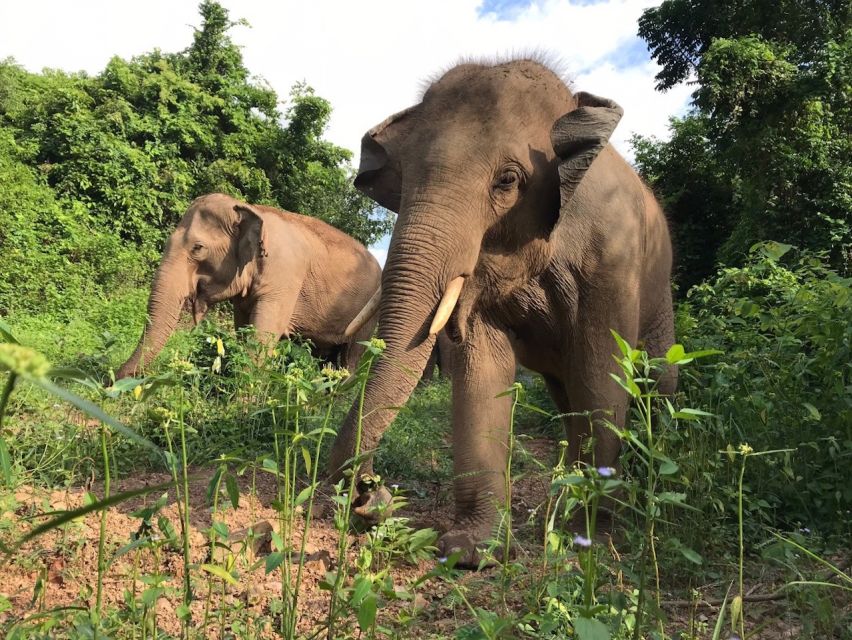
This sanctuary is newly established and does not currently have a toilet facility. That is a real drawback, especially for families with young children or anyone who needs frequent access to facilities.
The reason given is forest preservation. Avoiding construction leaves more room for the elephants and keeps the setting closer to its natural state. That is a reasonable environmental choice, but it does not remove the practical inconvenience.
Use a toilet before pickup or before arriving at the sanctuary. Do not treat this as a minor footnote when planning your day. The absence of a facility can shape your comfort more than the lack of lunch or extra activities.
The packing advice is straightforward: comfortable shoes, sun protection, insect repellent, and drinking water. Water is provided during the tour. Bring a phone or camera if you like, but keep your attention on the animals and follow the staff’s directions about safe distances and movement.
Is $68 good value from Patong?
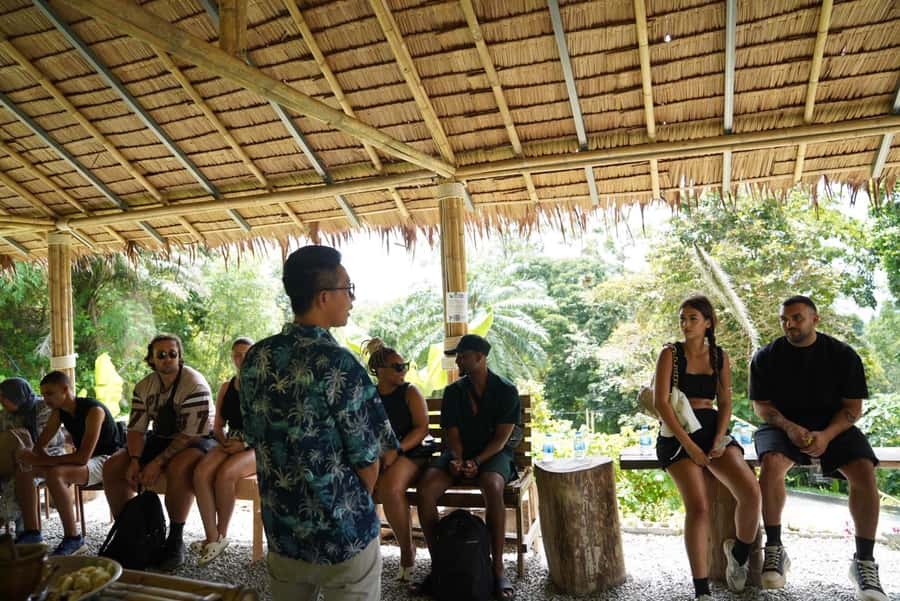
At $68 per person, this is not the cheapest elephant encounter in Phuket. The value depends on what you want your money to support.
You are paying for about 2.5 hours, an English-language guided visit, transportation if you choose that option, drinking water, insurance, the herbal medicine activity, and access to a family-led sanctuary near Patong. You are also paying for a program that avoids riding and performance-style entertainment.
The price makes sense if you want a focused, educational visit without spending an entire day away from Patong. The short transfer is useful for couples, families, and visitors with limited time.
The value is weaker if you mainly want a long bathing session, a meal, or several hours of hands-on contact. Lunch is not listed as included, although a past account praised lunch, so do not assume food is part of your package. The current description also says no bathing, despite some past accounts describing washing the elephants.
That difference should be settled before you pay. Ask the provider what the current schedule includes, especially if bathing is important to you. The program may have changed, or different departures may have followed different rules.
A flexible booking policy helps. You can reserve and pay later, and cancellation is available up to 24 hours in advance for a full refund. Those terms are useful if your Patong plans are still shifting.
Who will enjoy this sanctuary most?
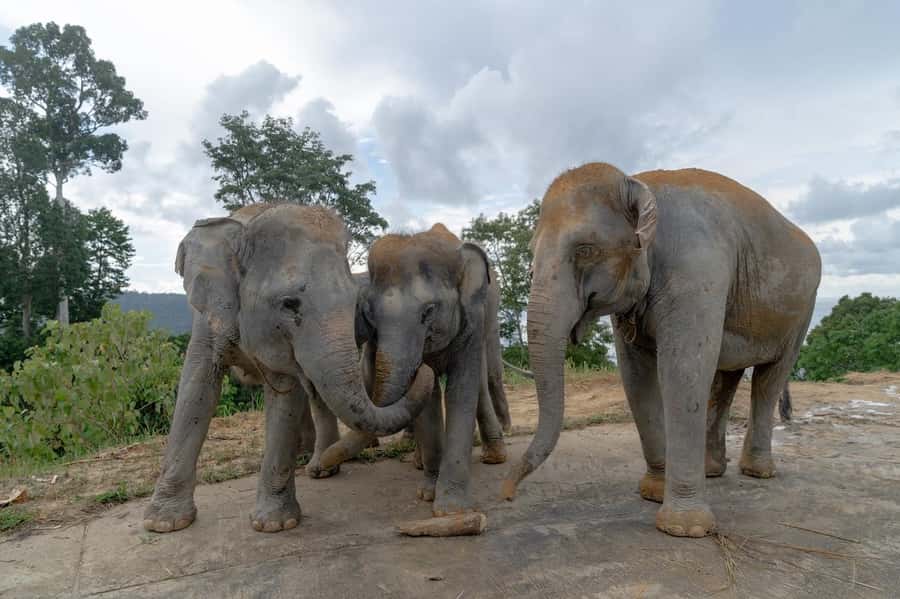
I would recommend this outing to you if you want to understand elephant care rather than collect a quick animal photo. It suits visitors who appreciate quiet observation, local caretakers, and a program that lets elephants choose their movements.
It is also a good fit for anyone staying in Patong who wants a meaningful activity without committing to a full day away. The forest location behind the beach gives you a change of scene while keeping the schedule manageable.
Families may enjoy the medicine ball activity and the stories, but parents should think carefully about the missing toilet facility. Children must also be able to follow staff instructions around free-moving elephants.
This is less suitable if you want a guaranteed bathing encounter, a polished attraction with fixed viewing areas, or a packed itinerary of activities. The sanctuary’s natural approach means the animals set part of the pace.
The experience has received a 4.7 rating from 75 reviews, and the most consistent praise centers on caring staff, clear communication, rescued elephants, and the personal stories behind them. One elephant named Frankie, the youngest of the group, is described as playful and amusing. You may hear about him during the visit, but his behavior, like that of every elephant, cannot be guaranteed.
Should you book the Patong elephant sanctuary tour?
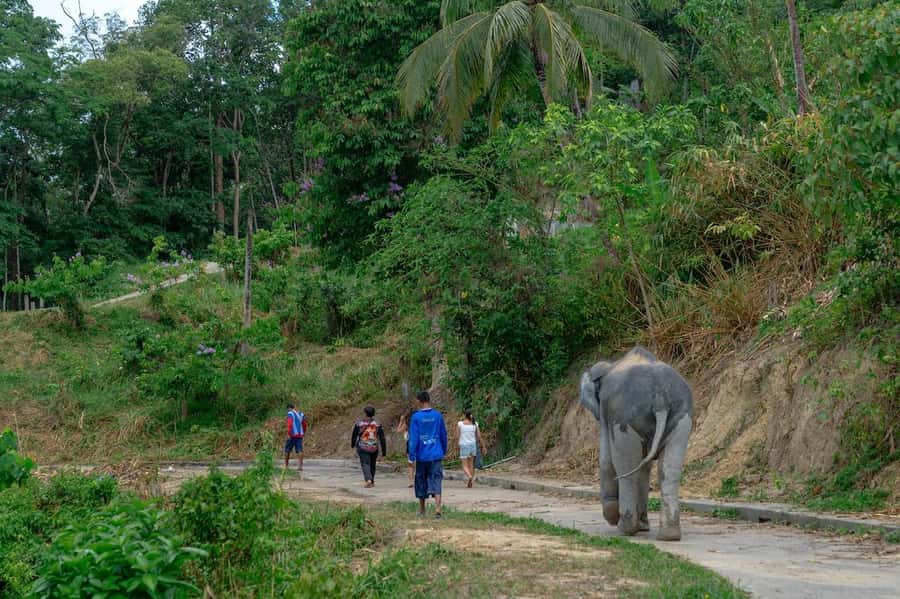
Book it if you want a short, thoughtful encounter built around rescued elephants, herbal care, and walking rather than riding. The hill tribe family connection and the chance to observe natural behavior give the visit more substance than a quick feed-and-photo stop.
Before booking, confirm the current bathing policy and plan around the lack of toilets. If those two points work for you, the $68 price is fair for a guided sanctuary visit with optional transfer, insurance, and a clear focus on respectful care.
Skip it if bathing is your main goal or if you need formal facilities on site. For everyone else, this is a practical Patong outing that puts the elephants’ choices ahead of a busy entertainment schedule.
FAQ
How long does the elephant sanctuary tour last?
The tour lasts approximately 2.5 hours and ends back at the meeting point.
Is hotel pickup and drop-off included?
Hotel pickup and drop-off are included if you select the transfer option when booking.
Is elephant riding part of the experience?
No. The program includes walking alongside the elephants and does not include riding.
Can I bathe with the elephants?
The current activity information says there is no bathing. Some past descriptions mention washing or bathing, so confirm the current policy with the provider before booking if this matters to you.
Are there toilets at the sanctuary?
No. The newly established sanctuary currently does not have a toilet facility.
What should I bring?
Bring comfortable shoes, a sun hat, sunscreen, and insect repellent. Swimwear appears on the packing list, but the current program does not include bathing. Drinking water is provided.
What language is the tour offered in?
The tour is offered in English and is led by local hill tribe caretakers.
More Trips with a Private Driver in Thailand
- 2-Hour Guided Eco-Tour & Transfer to Khaolak Elephant Sanctuary
★ 5.0 · 91 reviews - Bangkok to Moo Deng: Private Transfer To Khao Kheow Zoo
★ 4.7 · 10 reviews - Phuket: Guided Walk Tour to Elephant Sanctuary with Transfer
★ 4.8 · 5 reviews - Khao Lak: Half Day Elephant Sanctuary w/Meal&Hotel Transfer
★ 5.0 · 2 reviews
Just added around Thailand
- Elephant Sanctuary Small Group Tour in Phuket★ 5.0 · 3 reviews
- Phuket Guided Tour to Elephant Sanctuary with Hotel Transfers★ 5.0 · 14 reviews
- Krabi Immersive Elephant Sanctuary Experience★ 3.5 · 2 reviews
- Krabi Elephant Sanctuary and Emerald Pool Adventure★ 5.0 · 2 reviews
- Guide Tour to Khaolak Elephant Sanctuary in Small Group★ 5.0 · 47 reviews
- Ethical Elephant Observation by Samui Elephant Sanctuary★ 4.5 · 6 reviews
- Early Bird James Bond Island and Elephant Sanctuary from Khaolak★ 5.0 · 2 reviews
- Guided Tour to Takua Pa and Elephant Sanctuary in Khao Lak★ 5.0 · 4 reviews
Pattaya Zoos, compared.
Pattaya: Living Green Elephant Sanctuary Day Trip
Read our review →
Pattaya: Ethical Elephant Sanctuary Interactive Tour
Read our review →
Ethical Elephant Sanctuary Tour from Bangkok & Pattaya
Read our review →
Bangkok/Pattaya: Khao Kheow Zoo Private Tour with Pickup
Read our review →Browse the lists this tour appears in