
REVIEW · JAIPUR
Jaipur: Jhalana Amagarh Leopard Safari Park Guided Tour
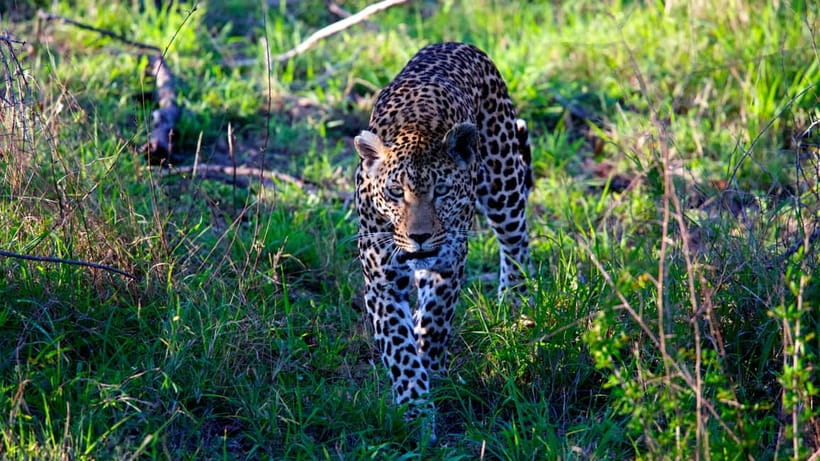
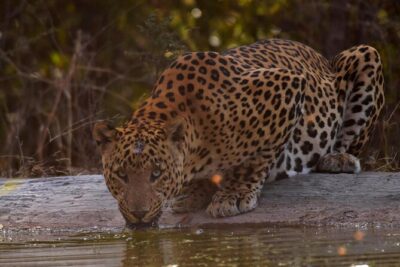
Jhalana Amagarh gives you a real chance to see leopards in the wild without leaving Jaipur. The reserve holds an estimated 30 to 35 leopards, though only six or seven are believed to use the tourism area regularly. I like the easy city access and the chance to see more than just leopards, including nilgai, spotted deer, wild boar, peacocks, jackals, hyenas, and jungle cats.
I also like that the safari is run by the Government Forest Department and takes place in a former reserve forest rather than a conventional zoo. The main drawback is simple: wildlife does not follow a schedule. You may spend the full two to two and a half hours circling the routes and still see no leopard, with no refund for a missed sighting.
Key points to know before booking
- Leopards are present, not guaranteed: Around 30 to 35 live in the wider reserve, but sightings depend on luck, weather, animal movement, and the route available that day.
- The safari is close to Jaipur: Jhalana Amagarh sits in the city area, near the airport, making it one of the easier wildlife trips to fit into a Jaipur visit.
- Two routes operate for visitors: The exact route depends on availability, and the tourism area may cover only a few kilometres.
- Shared vehicles keep the price down: The $36 rate includes entry and transport in a sharing safari vehicle, while private safari and hotel transfer choices may cost more.
- The road is rough: Expect a bumpy ride, so eat lightly before setting out and avoid this trip if you have serious back problems.
- Quiet clothing and binoculars help: Wear neutral colors, keep noise low, and bring binoculars. Flash photography is not allowed because it can disturb the animals.
Why Jhalana is Jaipur’s easiest leopard outing
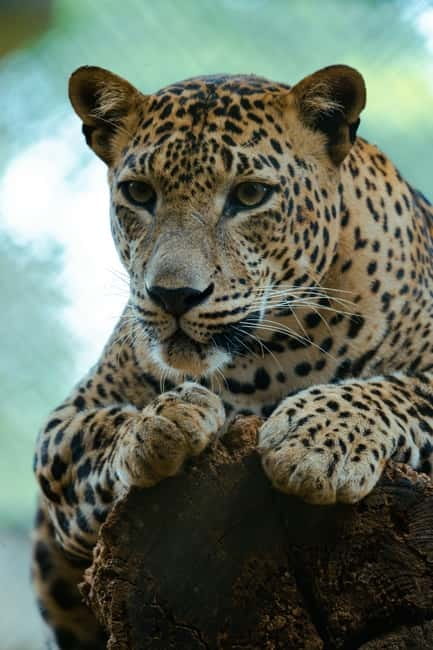
Jaipur is best known for forts, palaces, markets, and painted elephants, but its wildlife story is just as interesting. Jhalana Amagarh is a reserve forest in the Aravalli hills, surrounded by one of Rajasthan’s busiest cities. You do not need to commit a full day to reach a distant tiger reserve. You can spend a morning or afternoon looking for a leopard and still return to Jaipur in time for dinner.
The reserve covers about 23 square kilometres. The safari began operating in December 2016, and two routes are currently open for visitors. The park description also refers to more than 500 animals representing their wild counterparts across a large open area, along with more than 400 acres used by rare and endangered species. For a visitor, the important point is that this is presented as a conservation and education project, not simply an animal display.
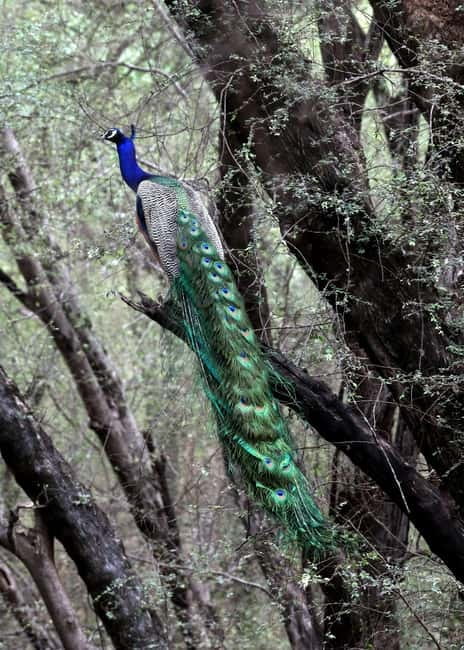
Leopards are the headline attraction, but they are not the whole reason to go. Jhalana is also home to spotted deer, blue bulls, wild boar, jackals, hyenas, jungle cats, and peacocks. Resident and migratory birds add movement and color when the larger animals stay hidden.
That variety matters. If the leopard stays out of sight, the safari can still give you a look at the dry forest habitat and its smaller wildlife. If you expect a guaranteed big-cat encounter, you may leave disappointed. If you enjoy watching for tracks, birds, deer, and changing vegetation as well as predators, the trip makes more sense.
More Big Cat Encounters in India:
- Delhi Zoo White Tigers & lions with Old Fort Visit
★ 4.5 · 5 reviews - From Johannesburg: Lion & Safari Park Half-Day Tour
★ 4.6 · 384 reviews - Hartbeespoort: Lion and Safari Park Tour
★ 4.8 · 103 reviews
Starting at Amagarh Leopard Reserve
The experience begins at Amagarh Leopard Reserve. This is both the meeting point and the place where you return after the drive. The exact start time can shift by one or two hours depending on the season, so do not build a tightly timed plan around the published hour.
That time change is worth taking seriously in Jaipur. You may have a palace visit, airport transfer, or restaurant booking later in the day. Check the confirmed start time before setting your schedule, then leave some breathing room for the safari to run its full length.
Hotel pickup and drop-off are not included in the standard arrangement. An air-conditioned car may be available if you choose that option, but you should not assume that the basic $36 price includes a transfer. If you are staying across Jaipur, allow time and money to reach the reserve yourself.
You also need to send a passport copy by WhatsApp or email after booking for park entry. That is an easy step to forget, so handle it before the day of the safari rather than waiting until you arrive.
Two and a half hours on the forest routes
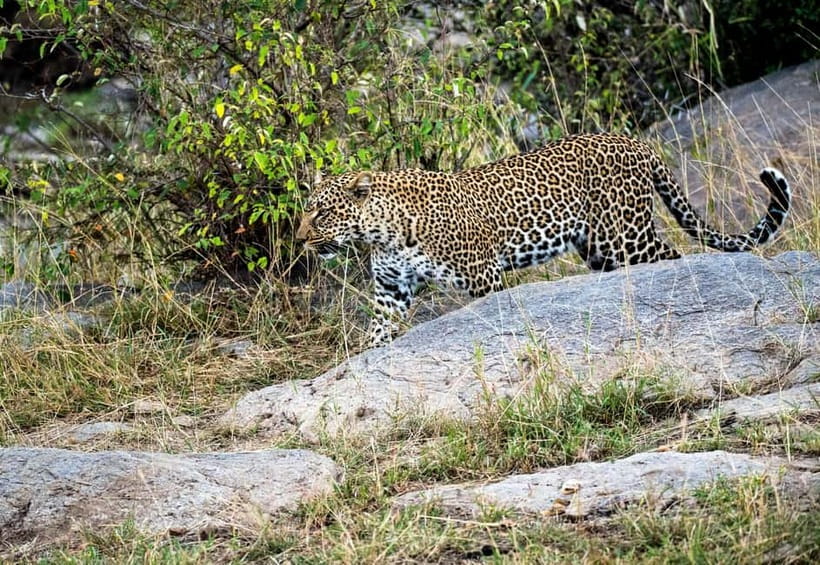
The main activity lasts about two to two and a half hours. You ride in a shared safari vehicle unless you select a private option. The route depends on availability, and the reserve currently operates two visitor routes.
The drive is not a sightseeing circuit with a fixed list of stops. Your vehicle follows the available forest road and watches for animal movement. This can mean long stretches of scanning scrub and trees, then a sudden change when a driver receives word of an animal nearby.
That uncertainty is part of the experience, but it also explains some of the mixed value. One safari may produce a memorable leopard sighting. Another may involve peacocks, a few deer, and repeated passes through the same small section of forest. The tourism area is not enormous, and one account describes the route as only a few kilometres, with the vehicle covering the same areas several times.
The driver and guide make a major difference. Drivers have been praised for their local wildlife knowledge and for working hard to locate animals. Still, even a skilled driver cannot make a leopard appear. If a leopard is reported, several vehicles may head toward the same place. You could end up in a crowded cluster of roughly ten vehicles, trying to see an animal partly hidden behind trees.
That moment can be exciting and frustrating at the same time. You may get only a distant view, and photography can be difficult. The sighting is still genuine, but it is not the quiet, private encounter that wildlife photographs often suggest.
What you might see beyond the leopard
A leopard is the star, but keep your eyes open during the whole route. Peacocks are common enough to be a regular part of the drive, and you may see spotted deer moving through the forest. Nilgai, also called blue bulls, are another important sighting, particularly for anyone interested in the animals that share the leopard’s habitat.
Wild boar, jackals, hyenas, and jungle cats are also listed among the reserve’s wildlife. These are not guaranteed sightings, and the trip does not promise a set number of species. Their presence does show why Jhalana is worth considering even if you have already seen peacocks and deer elsewhere in India.
Birdwatchers should bring binoculars. The reserve has both resident and migratory birds, but no detailed bird list or specialist bird guide is provided. You will get more from the trip if you scan trees, open ground, and rocky areas rather than focusing only on the road ahead.
The flora also deserves attention. The route crosses the Aravalli hills and dry forest, giving you a close look at the plant life that supports prey animals and provides cover for predators. The surroundings may not deliver constant action, but the changing mix of scrub, open ground, and trees is part of reading the area for wildlife.
More Safari Parks in India:
- Jhalana Panther Safari Park Tour in Jaipur
★ 4.5 · 127 reviews - Jeep Safari: A Skip the line access to Devalia Safari Park India
★ 4.5 · 19 reviews - Dubai: Dubai Safari Park Entry Pass
★ 4.4 · 1,905 reviews - Miami: Everglades Safari Park Airboat Tour
★ 4.4 · 1,267 reviews
The real cost of the $36 price
At $36 per person, the standard price includes park entry, the safari, and shared vehicle transport. For a short outing in Jaipur, that is a reasonable starting price if you value convenience and the chance of a wild leopard sighting.
The value becomes less certain if your main goal is a guaranteed animal encounter. There is no refund if leopards are not seen. There is also no refund if bad weather stops the safari during the activity. You are paying for access, transport, and an informed search, not for a confirmed sighting.
Private safari and small-group choices may make the experience more comfortable, especially if you want clearer views or more control over the vehicle. The supplied details do not give the private-option price, so check the final total before paying. A private vehicle will be harder to justify if you are on a strict budget, but it may be worthwhile for photographers or anyone who dislikes sharing space.
One practical money issue deserves attention. A booking account describes being asked to cover the share of a person who did not arrive. That may not happen on every departure, but I would confirm how shared-vehicle pricing works before the safari starts. Ask whether the quoted price is fixed per person and whether an absent passenger can affect your bill.
How to improve your chances of a good sighting
You cannot control the animals, but you can avoid making the outing harder than it needs to be.
Wear comfortable, neutral-colored clothes. Bright colors may not help you blend into the surroundings, and comfort matters on a rough road. Bring binoculars, especially if your eyesight is not strong at distance. A camera is allowed, but do not use flash.
Keep your voice low inside the vehicle. Noise can reduce the chance of animals remaining nearby, and it makes it harder for everyone to hear the guide. Smoking is not allowed.
Eat lightly before departure. The road can be bumpy enough to make a full meal uncomfortable, and one account specifically warns against eating too much beforehand. This is also not a good match for people with back problems, pregnant women, or children under eight.
Think of the safari as a patient search rather than a theme-park ride. If you need constant entertainment, the repeated forest roads may feel slow. If you like the suspense of not knowing what is behind the next stand of trees, the quiet stretches have a purpose.
Shared vehicle or private safari?
The shared vehicle is the sensible choice for most people. It keeps the advertised price manageable and gives you the basic Jhalana experience, including entry and the guided search. It also means less control over seating, timing, and how long the vehicle waits at a sighting.
A private safari may suit you if you are traveling with family or want a more personal outing. The activity offers private or small-group arrangements, though availability and exact pricing need to be confirmed. A private option will not guarantee a leopard, but it may reduce the irritation of being packed into a group when several vehicles converge on one animal.
Hotel pickup is another optional upgrade. Since the reserve is in Jaipur and near the airport, reaching the meeting point may be straightforward from some parts of the city. If you are unsure about local transport or have luggage and a tight schedule, an air-conditioned pickup can be useful. Just remember that it is not part of the basic inclusion.
Who will enjoy Jhalana most?
I would recommend this safari to visitors who want a manageable wildlife outing while staying in Jaipur. It suits first-time visitors who cannot spare a longer trip to a national park, birdwatchers who are happy to scan patiently, and anyone curious about how a city reserve supports predators.
It is also a good fit for people who understand that wild animals set the timetable. You may see a leopard at a distance, or you may see only a few deer and many peacocks. The experience is strongest when you value the search itself.
I would be more cautious if you are booking solely for a close leopard photograph. The sighting is not guaranteed, and a leopard may be partly hidden or surrounded by other vehicles. The short route and repeated loops may also disappoint if you expect a broad wilderness drive.
The activity is not suitable for children under eight, pregnant women, or people with back problems. The bumpy road is not a minor detail. It shapes the whole outing.
Booking advice and final verdict
Should you book it? I would, if you have a spare half-day in Jaipur and can accept the risk of missing the leopard. The reserve’s city location, forest setting, range of smaller wildlife, and experienced local drivers make it a practical way to add nature to a palace-heavy itinerary.
Book it with realistic expectations. The $36 price pays for a chance, not a result. Confirm the start time, the route available, what is included in your vehicle arrangement, and whether any hotel transfer or private option changes the total. Send your passport details in advance, bring binoculars, wear neutral clothes, and leave extra time around the safari.
If you need a guaranteed sighting, this is the wrong kind of outing. If you want a genuine search for a wild leopard close to Jaipur, with peacocks, deer, birds, and dry Aravalli forest along the way, Jhalana Amagarh is a worthwhile gamble.
FAQ
How long does the Jhalana Amagarh leopard safari last?
The safari lasts about two to two and a half hours. The full activity begins and ends at Amagarh Leopard Reserve.
Where does the safari start and finish?
It starts at Amagarh Leopard Reserve and returns to the same location after the wildlife drive.
Are leopards guaranteed?
No. Leopards live in the reserve, but sightings are not guaranteed. No refund is provided if you do not see one.
How many leopards live in Jhalana Amagarh?
The reserve is described as having about 30 to 35 leopards. Around six or seven are believed to have territory in the tourism area.
What other animals can I see?
Possible wildlife includes jackals, nilgai, hyenas, jungle cats, peacocks, spotted deer, wild boar, and many resident and migratory birds.
Is hotel pickup included?
Hotel pickup and drop-off are not included in the standard arrangement. An air-conditioned car may be available if you choose that option.
Is the safari private or shared?
The standard arrangement uses a shared safari vehicle. Private and small-group options may be available, depending on the choice and availability.
What should I bring and wear?
Wear comfortable, neutral-colored clothing and bring binoculars. Cameras are allowed, but flash photography should be avoided. Keep noise low and do not smoke.
Can the safari time change?
Yes. The start time may move by one or two hours depending on the season. Bad weather may also prevent the safari from taking place, with no refund if weather stops the activity during the safari.
Just added around India
- Jeep Safari: A Skip the line access to Devalia Safari Park India★ 4.5 · 19 reviews
- Same day Tajmahal tour with SOS Elephant/Bear wildlife Sanctuary★ 5.0 · 4 reviews
- Delhi Zoo White Tigers & lions with Old Fort Visit★ 4.5 · 5 reviews
- From Delhi: Taj Mahal & SOS Elephant Experience – Day Trip★ 5.0 · 8 reviews
- Bird Watching at Nandur Madhyameshwar Wildlife Sanctuary Nashik★ 5.0 · 2 reviews
- 6-Day Kerala Private Tour: Periyar Wildlife Sanctuary★ 4.5 · 3 reviews
- Tour of Pobitora Wildlife Sanctuary from Guwahati with Safari, Lunch and Guide★ 5.0 · 3 reviews
- 3 Day Camping Trip to Binsar Wildlife Sanctuary★ 5.0 · 2 reviews
Jaipur Zoos, compared.

Elephant Sanctuary for Best elephant experience in Jaipur
Read our review →Browse the lists this tour appears in