
REVIEW · JAIPUR
Jhalana Panther Safari Park Tour in Jaipur
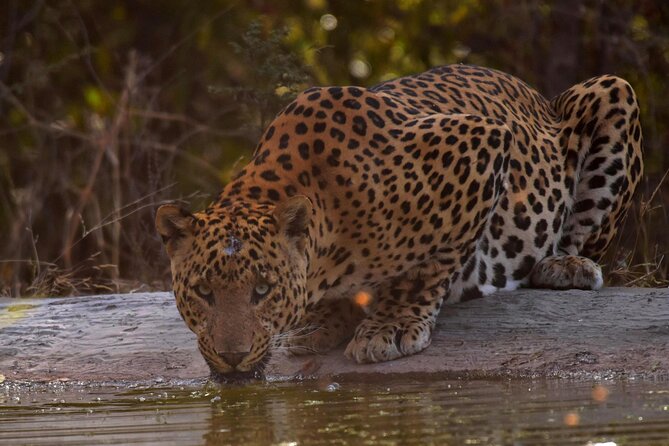
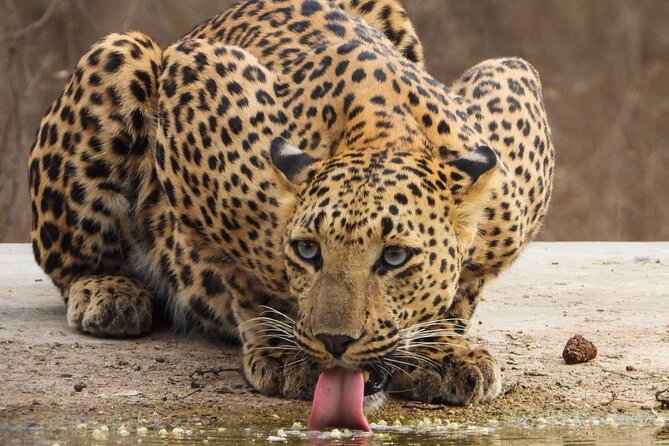
Jhalana’s appeal is simple: you can search for free-ranging leopards within Jaipur, rather than giving up a full day to reach a distant wildlife reserve. The best sightings may be brief or far off, but a good outing can bring you close enough to watch a leopard feeding, resting, or moving through the scrub.
I like the open 4×4 vehicles, which give you a clear view and make it easier to scan the trees and dry ground. I also like that permits, permit handling, the interpretation center, and still-camera fees are included. The trade-off is important: this is wild-animal watching, not a guaranteed leopard show. Some drives produce excellent sightings, while others bring only birds and smaller animals.
- Leopards near Jaipur: Jhalana offers a real chance to see free-ranging leopards without leaving the city.
- Two-and-a-half-hour safari: The drive gives your guide time to search different tracks and waterholes.
- Open 4×4 transport: You get broad sight lines for animals and birds, though weather can matter.
- Small group size: The vehicle holds a maximum of six people.
- Morning or afternoon departure: You can fit the safari around a Jaipur sightseeing day.
- Included fees: Safari permits, permit management, interpretation-center entry, and still-camera fees are covered.
Why Jhalana Is Worth Considering in Jaipur
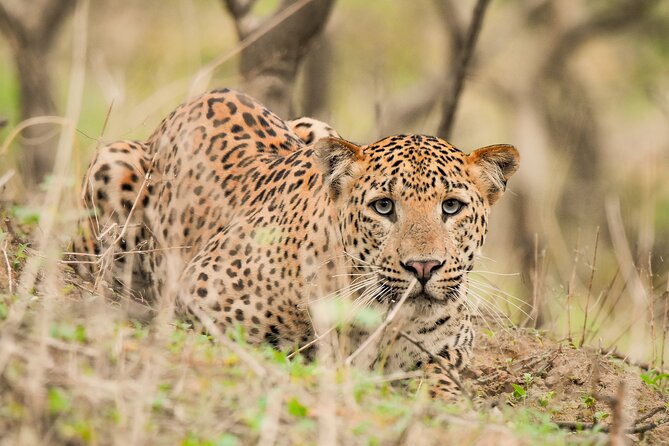
Jhalana Panther Safari Park is an urban forest reserve on Jaipur’s doorstep. It covers about 23 square kilometers and is known for its leopard population, along with hyenas, desert foxes, birds, and other smaller wildlife.
That setting makes the safari unusually convenient. You do not need to spend a day traveling far outside Jaipur to try your luck with a big cat. You can visit forts, palaces, and markets in the city, then spend roughly two and a half hours in scrub forest looking for animals that live there year-round.
I would book this for the chance to see nature in an imperfect, unpredictable setting. The area is not a vast wilderness, and the tracks are mainly dirt roads leading toward waterholes. You may also see several safari vehicles in the same area. That can feel commercial, but it also means news of a leopard sighting may travel quickly between vehicles.
The central point is this: Jhalana offers opportunity, not certainty. A leopard may be sleeping in cover, moving outside your route, or invisible in thick grass. Even an empty drive can still bring birds, smaller animals, and a close look at Jaipur’s dry forest habitat.
What the Two-and-a-Half-Hour Drive Looks Like
Your transport from the city is an open 4WD vehicle. The tour then continues through Jhalana, where a naturalist accompanies the drive and helps identify animals and birds.
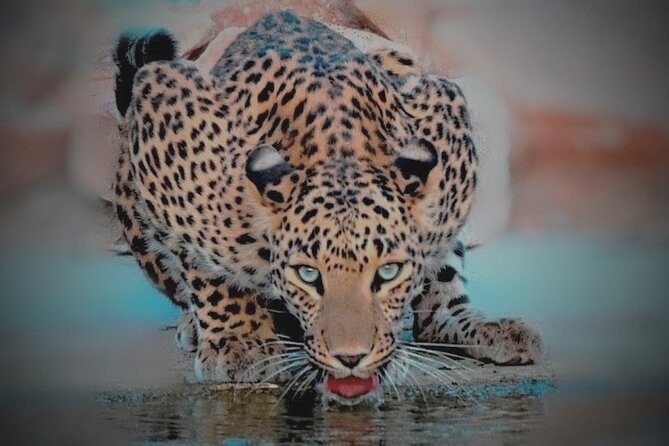
The route follows dirt tracks and reaches man-made waterholes. These water sources are useful stopping points because animals may visit them, especially during hotter periods, but they are not a guarantee of sightings. Expect repeated pauses while the guide checks the trees, scrub, tracks, and open ground.
A strong guide can make a major difference. One praised guide pointed out animals carefully and allowed enough time for photographs. Another driver quickly took the vehicle toward a leopard spotted by a different car, giving the group an unexpected chance to see it. That kind of flexibility is valuable on safari, since the animals do not follow a schedule.
The outing ends back at the meeting point. If you arrange the paid transfer option, you can be collected from a Jaipur hotel within the stated service area. Free pickup is available within 5 miles, or 8 kilometers, of the park entrance. Beyond that distance, hotel pickup and drop-off cost $35.
More Safari Parks in India:
- Jeep Safari: A Skip the line access to Devalia Safari Park India
★ 4.5 · 19 reviews - Jaipur: Jhalana Amagarh Leopard Safari Park Guided Tour
★ 3.8 · 5 reviews - Dubai: Dubai Safari Park Entry Pass
★ 4.4 · 1,905 reviews
Leopard Sightings: Hope for the Best, Expect the Wild
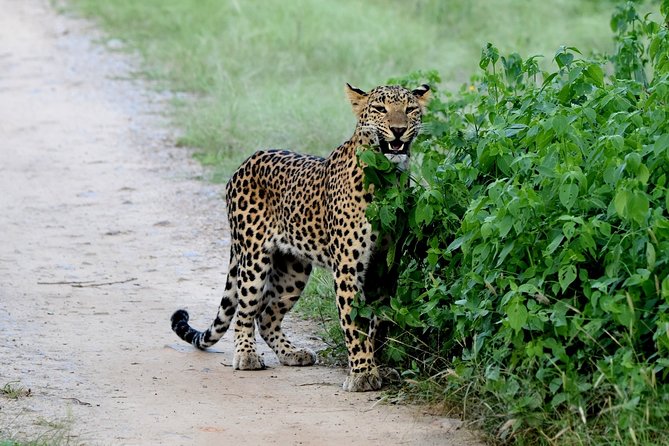
The main reason to book is the possibility of seeing a leopard. Some drives have produced two leopards, although they were resting at a distance. Another outing caught a wild leopard feeding on a dead deer, a memorable sight that shows how raw the experience can be when the timing works.
You should also prepare for no leopard at all. During the monsoon period from July through September, grass grows higher and sightings can become harder. The park is greener then, but thick cover gives animals more places to disappear. Rain can also make an open vehicle uncomfortable.
The strongest practical advice is to avoid treating the leopard as a promised attraction. If your trip depends on a close-up sighting, this tour carries real risk. If you enjoy searching, watching birds, and seeing whatever appears, the odds feel more reasonable.
Sightings are often affected by weather, grass, time of day, and luck. Morning and afternoon departures are both available, but the supplied information does not promise that one time is always better. If you have room in your schedule, the best approach is to choose the timing that suits your wider Jaipur plans.
Beyond Leopards: Birds, Hyenas, and Smaller Wildlife
Jhalana is not only about big cats. The park is home to hyenas, desert foxes, birds, and other wildlife. A guide may spend much of the drive pointing out creatures that are easy to miss without trained eyes.
This is where the naturalist earns the seat beside you. A leopard may draw all the attention, but identifying birds and small animals gives the drive more purpose when the main animal stays hidden. Guides have been praised for taking time with sightings instead of rushing past them.
You will also get a bird’s-eye sense of the forest from the open vehicle, with broad views across the scrub and tracks. Bring patience. An animal may appear only for a few seconds, and the best moment can be a small movement in the brush rather than a dramatic encounter.
The included still-camera fee is helpful if you plan to take ordinary photographs. It does not change the basic challenge of wildlife photography. A distant, sleeping leopard may be exciting in person but difficult to capture clearly, so keep your expectations sensible.
The Open Jeep: Good Views, Real Weather
The open 4×4 is the right vehicle for spotting wildlife. You can look to both sides, scan above the scrub, and follow the direction of the guide’s attention. A roof or enclosed cabin would limit some of those sight lines.
The same design exposes you to the weather. Winter temperatures can fall to about 2 degrees Celsius, particularly from November through February. Wear warm layers, not just a light jacket. Early departures may feel especially cold.
Summer, from April through June, is hot. A hat and sunglasses are recommended, and you should dress for direct sun during the drive. The rainy season runs from July through August in the provided guidance, while other information notes lower sightings through September. Wear full-length clothing during rainy months to help reduce mosquito exposure.
Rain is more than an inconvenience. One outing began comfortably in an open jeep and became unpleasant once the rain arrived. A light waterproof layer would be a practical addition, though the tour information does not specify that one is supplied.
A few more animal parks around India worth a look
- Private Elephant Sanctuary
★ 5.0 · 390 reviews - Jaipur: Elefantastic Elephant Sanctuary Tour
★ 4.9 · 44 reviews - Same Day Tajmahal at Sunrise and SOS wildlife sanctuary tour
★ 5.0 · 28 reviews - Delhi: All-Inclusive Day trip Taj Mahal with Elephant SOS
★ 4.8 · 25 reviews
Group Size and the Sharing Issue
The maximum group size is six people per vehicle. That is small enough to keep the ride more personal than a large coach excursion, and it gives each person a reasonable chance to look out.
Still, the vehicle may be shared. Do not assume that a booking described as private means you will have the jeep to yourself. One reported problem involved too many people trying to fit comfortably, while the operator stated that six people is the intended capacity and that shared groups may wait 5 to 10 minutes while the vehicle fills.
That detail matters for families and anyone who wants a guaranteed window seat. If you are particular about space, ask before booking how the vehicle will be allocated. The available information confirms a six-person maximum, but it does not promise a private vehicle for every reservation.
Is the $45 Price Good Value?
At $45 per person, the price includes the safari permit, permit management, interpretation-center visit, and still-camera fee. Those inclusions make the cost easier to judge because several standard charges are already handled.
You are paying for the wildlife search, the open vehicle, and the time of the naturalist, not for a guaranteed leopard encounter. I consider the price reasonable for someone who wants a short wildlife outing built into a Jaipur stay, especially when the alternative is organizing permits and transport alone.
The value drops if you see little wildlife, receive limited commentary, or expect a private vehicle. Some outings have been criticized for having no clear English-speaking guide, despite the tour description indicating naturalist commentary. If language support is essential, confirm it before paying.
The $35 transfer charge beyond 8 kilometers is another cost to include in your calculation. Pickup near the park is free within the stated range, but a hotel farther away will not receive the same arrangement.
Choosing the Best Season for Your Visit
Each season changes the feel of the drive.
November through February: This is the cold period, with temperatures that can reach 2 degrees Celsius. Pack warm clothing. The crisp air may be pleasant, but an open jeep can feel very cold.
April through June: Expect hot conditions. Wear a hat and sunglasses, and plan for strong sun. The heat may make a covered waterhole more interesting, but it does not guarantee that an animal will appear.
July through August: Rain is limited compared with wetter parts of India, but full-length clothing is advised because of mosquitoes. The forest can look greener, while taller grass may make leopard sightings harder.
July through September: The supplied guidance specifically notes reduced sighting chances across the monsoon months. You may still enjoy the green forest and see other animals, but book with flexible expectations.
If your priority is a leopard, season alone cannot settle the question. Weather, animal movement, and luck matter every day.
Meeting Point, Timing, and What to Wear
The stated meeting point is World of Wilders, on Central Road inside the Malviya Nagar Industrial Area, near the listed safari and Jaipur night activities. The activity ends back at the meeting point unless you arrange the available hotel transfer.
The tour lasts about 2 hours and 30 minutes. That makes it practical on a day when you also want to visit Jaipur’s main sights, though you should allow extra time around the start and return if you have a tight schedule.
Wear clothing suited to an open vehicle:
- Warm layers from November through February
- A hat and sunglasses from April through June
- Full-length clothing during the rainy season
- Comfortable clothes that can handle dust and changing temperatures
The tour is near public transportation, and most people can participate. Confirmation is received at booking. The experience is non-refundable and cannot be changed after booking, so check your date, pickup location, weather expectations, and group arrangements first.
Who Will Enjoy This Safari Most?
I would recommend it to you if you are already staying in Jaipur and want a short wildlife experience without a long intercity journey. Families, photographers, birdwatchers, and first-time safari visitors may enjoy the mix of open-air transport and expert spotting.
It also suits people who understand that wildlife watching involves missed chances. A good attitude is to treat the leopard as a bonus and the whole forest drive as the activity.
I would be cautious if you need a guaranteed big-cat sighting, a polished resort-style safari, or a fully private vehicle. The dirt tracks, waterholes, shared jeeps, and occasional crowding may feel too basic for those expectations.
The overall rating is 4.7 from 127 ratings, with 91 percent recommending the experience. That strong result fits the pattern here: excellent outings are possible, but the quality depends heavily on animal movement, weather, guide communication, and group arrangements.
Should You Book the Jhalana Panther Safari?
Book it if you want a realistic chance to see a leopard close to Jaipur and can accept that the forest makes the final decision. The strongest reasons are the convenient location, small vehicle capacity, included permit fees, and naturalist-led search.
Before paying, confirm the pickup distance, whether your vehicle will be shared, and the language ability of the guide. Pack for the season, keep your camera ready, and do not judge the safari only by the presence or absence of a leopard.
For a compact wildlife outing in Jaipur, this is a sensible choice. Just book it for the search, not for a promise.
FAQ
How long does the Jhalana Panther Safari last?
The experience lasts approximately 2 hours and 30 minutes.
What animals can I see at Jhalana Panther Safari Park?
The park is home to leopards, hyenas, desert foxes, birds, and other wildlife. Sightings are not guaranteed.
Is a leopard sighting guaranteed?
No. Leopards roam freely, and sightings can be affected by weather, grass, season, and animal movement.
What type of vehicle is used?
You travel in an open 4×4 safari vehicle.
How many people can join one vehicle?
The tour has a maximum of six travelers per vehicle.
Is hotel pickup included?
Pickup is available within 5 miles, or 8 kilometers, of the park entrance. Hotel pickup and drop-off beyond that distance cost $35.
Are safari permits included in the price?
Yes. Safari permits and permit management are included.
Is the camera fee included?
The still-camera fee is included. The information specifically refers to still photography, not other types of equipment.
Should I bring warm clothing?
Yes, if you visit from November through February. Winter temperatures can fall to about 2 degrees Celsius.
What should I wear during summer and the rainy season?
From April through June, wear a hat and sunglasses because conditions are hot. During the rainy season, full-length clothing is recommended to help reduce mosquito exposure.
Just added around India
- Jeep Safari: A Skip the line access to Devalia Safari Park India★ 4.5 · 19 reviews
- Same day Tajmahal tour with SOS Elephant/Bear wildlife Sanctuary★ 5.0 · 4 reviews
- Delhi Zoo White Tigers & lions with Old Fort Visit★ 4.5 · 5 reviews
- From Delhi: Taj Mahal & SOS Elephant Experience – Day Trip★ 5.0 · 8 reviews
- Bird Watching at Nandur Madhyameshwar Wildlife Sanctuary Nashik★ 5.0 · 2 reviews
- 6-Day Kerala Private Tour: Periyar Wildlife Sanctuary★ 4.5 · 3 reviews
- Tour of Pobitora Wildlife Sanctuary from Guwahati with Safari, Lunch and Guide★ 5.0 · 3 reviews
- 3 Day Camping Trip to Binsar Wildlife Sanctuary★ 5.0 · 2 reviews
Jaipur Zoos, compared.
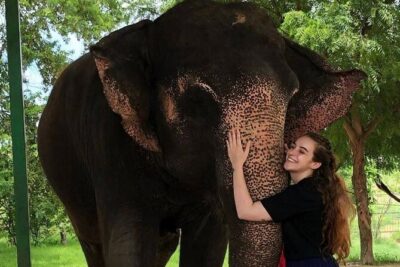

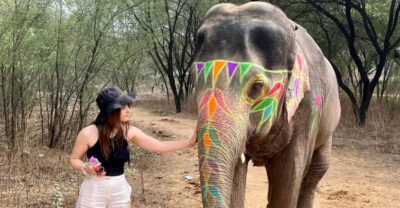
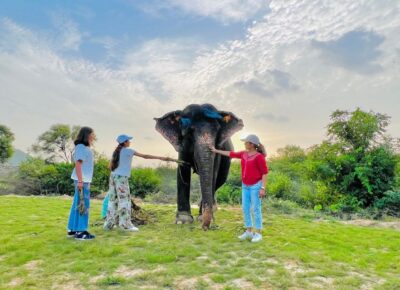
Elephant Sanctuary for Best elephant experience in Jaipur
Read our review →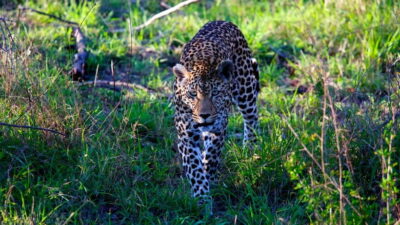
Jaipur: Jhalana Amagarh Leopard Safari Park Guided Tour
Read our review →Browse the lists this tour appears in