
REVIEW · WILDLIFE SANCTUARIES
Santa Cruz: Wildlife Sanctuary and Preservation Park Tour
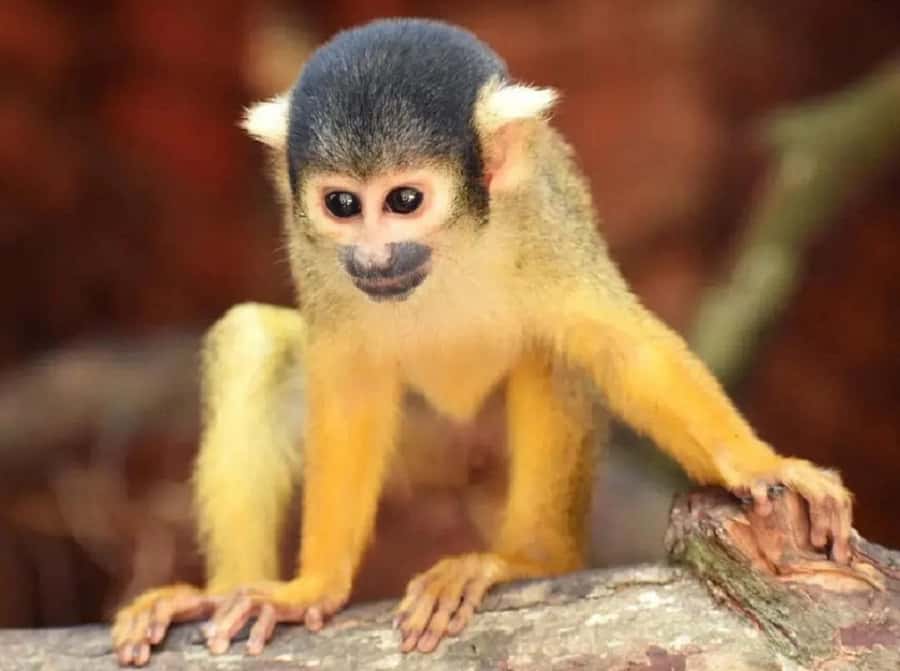
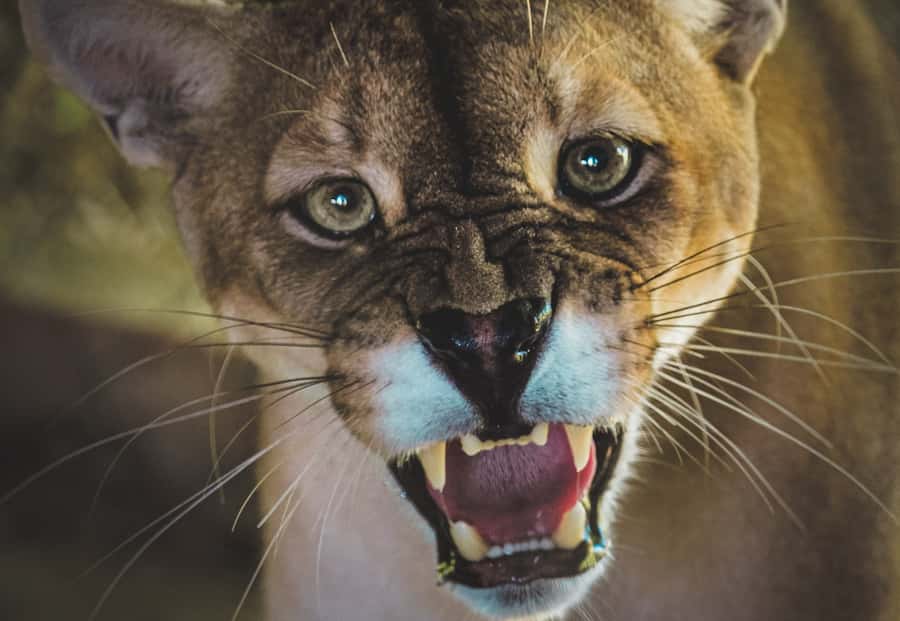
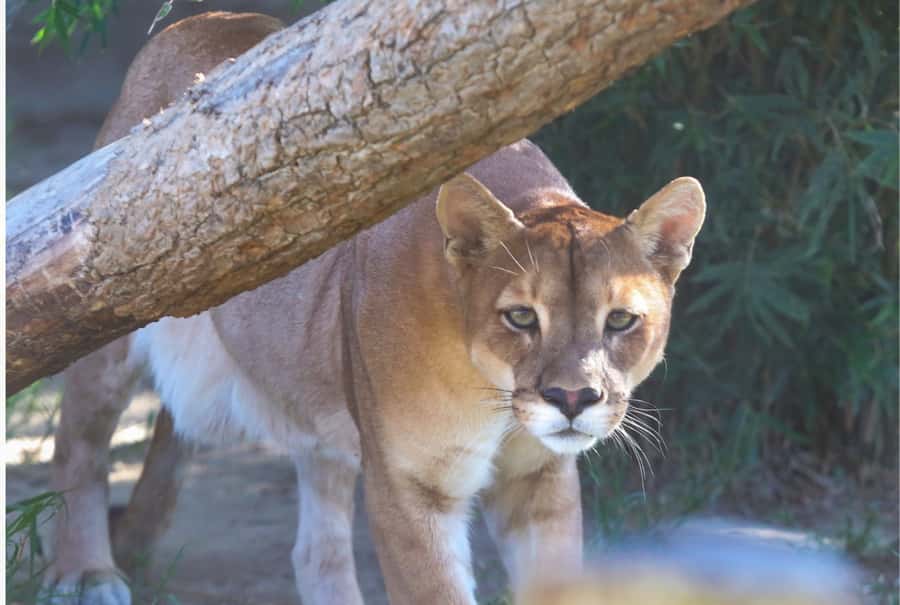
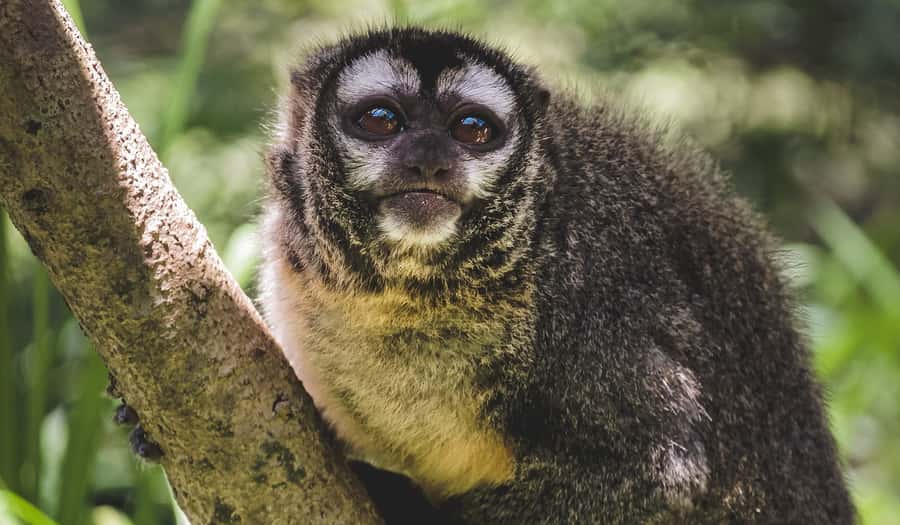
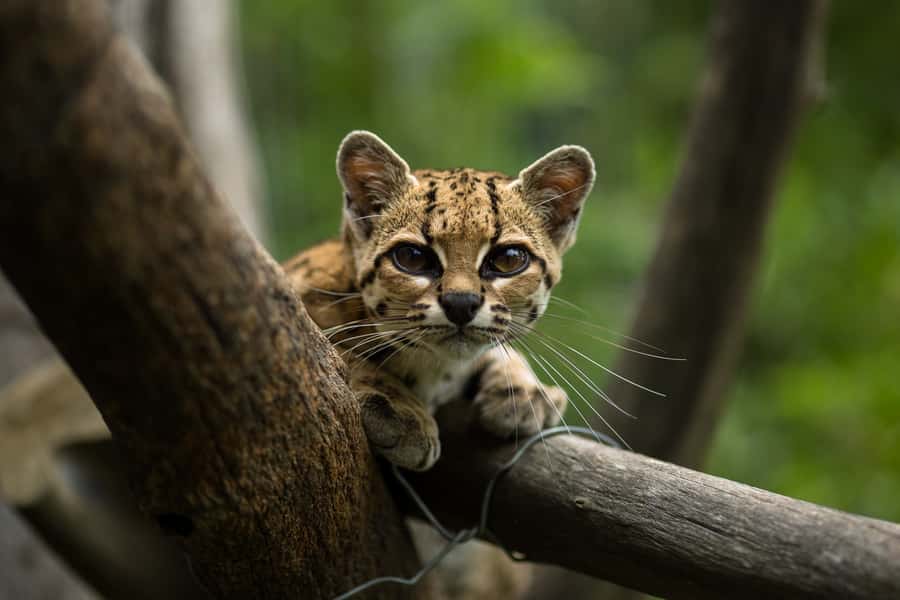
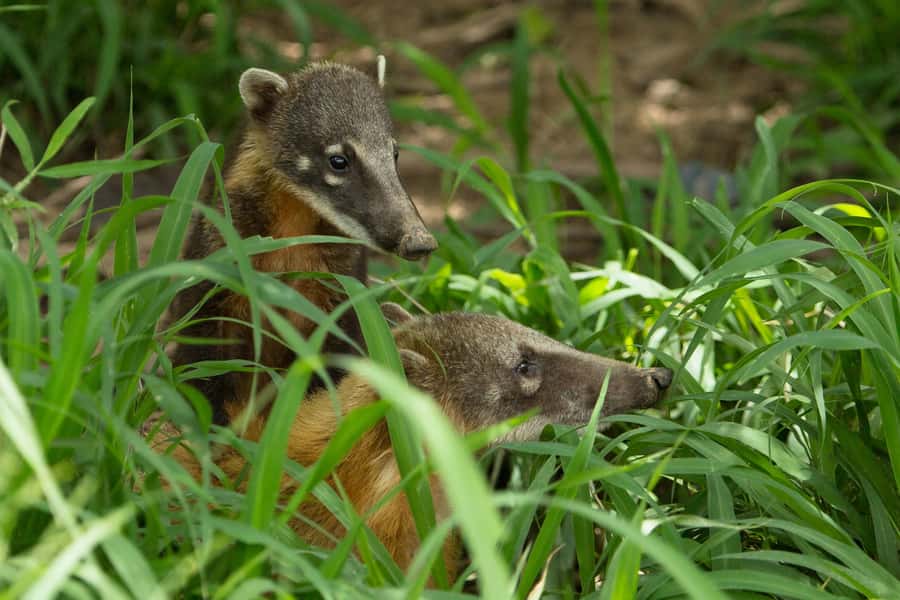
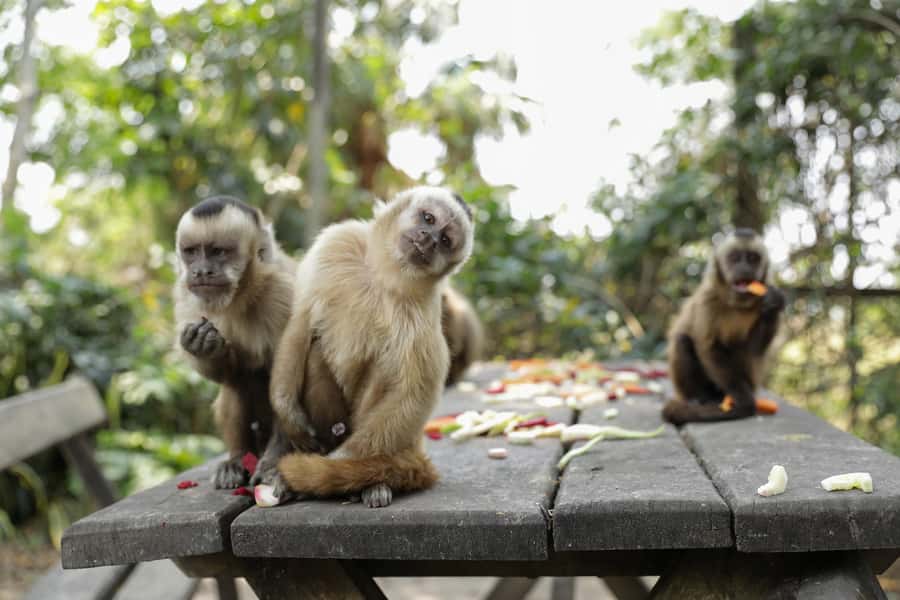
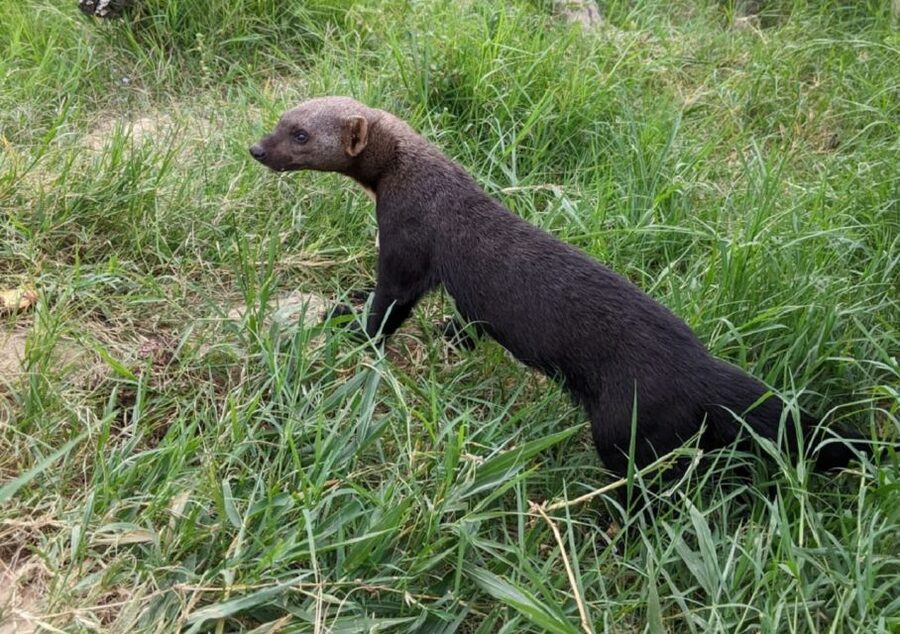
The most memorable part of this day is the close look at animals that now depend on the AFASI Foundation for safety and care. You may see five kinds of monkeys, pumas, coatis, martens, wild pigs, foxes, toucans, macaws, and land turtles, with young monkeys in the sanctuary’s kindergarten.
I like the personal scale of the place and the clear commitment behind it. I also like that the day includes more than animal enclosures: two guided walks take you through swamps, lagoons, and tropical vegetation shaped by the Gran Chaco, Amazon, and nearby Amboró region. The main consideration is the one-hour road journey, and the reserve is rustic, hot, and muddy in wet weather.
Key points to know before you go
- About 500 rescued animals: Expect monkeys, pumas, coatis, foxes, birds, wild pigs, turtles, and other animals in a working sanctuary rather than a polished city zoo.
- Two nature walks: The guided walks total about two to three hours and may include caimans, water turtles, frogs, reptiles, sloths, free-living monkeys, and many birds.
- A very personal foundation: Urs, Monica, Jorge, Benji, and Julio are involved in welcoming visitors and explaining the animals and plant life.
- Lunch is part of the experience: You receive a typical Bolivian meal, with a vegetarian option, in a homely restaurant where monkeys may watch from nearby.
- Transport is included: Pickup is provided at your Santa Cruz accommodation, with return by about 3 p.m. at the latest.
- Bring practical gear: Wear long pants and closed shoes, and pack water and insect repellent. Sandals, food, pets, loud noise, animal feeding, and touching plants are not allowed.
A personal wildlife project outside Santa Cruz
AFASI is reached by road from Santa Cruz, with the drive taking about an hour. That time matters. You are not heading to a city attraction with a short transfer and tidy paths. You are going out to a rural preservation park where the setting, the animals, and the people who care for them are all part of the visit.
The foundation’s work gives the day its purpose. The animals are not simply there to provide photo opportunities. The guides explain why they are at the sanctuary and how they are being cared for. Urs is closely associated with the project, and the day may also include help from Monica, Jorge, Benji, and Julio. Julio leads the plant and forest walk on some departures, while the first sanctuary tour may be handled by Urs or another member of the team.
The tone is friendly and personal. You can expect a welcome drink of fresh fruit juice, direct conversation with the people running the foundation, and explanations shaped by daily contact with the animals. This is useful if you want to understand the work behind a rescue center rather than simply walk past cages and read signs.
At the same time, keep your expectations realistic. The park is described as rustic, and parts of it can feel closer to a small working animal refuge than a formal zoological park. That is part of its appeal, but it also means uneven ground, heat, mud after rain, and fewer polished facilities than you might find at a major urban attraction.
More Wildlife Sanctuaries in the world:
- Day Tour in Mt. Field, Mt. Wellington, Bonorong Wildlife Sanctuary and Richmond
★ 5.0 · 735 reviews - Currumbin Wildlife Sanctuary General Entry Ticket
★ 4.5 · 538 reviews - Currumbin Wildlife Sanctuary Entry Ticket
★ 4.7 · 339 reviews
The sanctuary tour and its unusual animal encounters
The first guided visit lasts about 90 minutes. Your guide introduces the resident animals and explains their habits, behavior, and care. Five different monkey species are among the main attractions, but the collection is much broader.
You may see pumas, coatis, martens, wild pigs, foxes, toucans, macaws, and land turtles. The exact experience depends on the animals’ condition and behavior, so this is not a performance with guaranteed demonstrations. That is worth remembering when you visit any wildlife refuge.
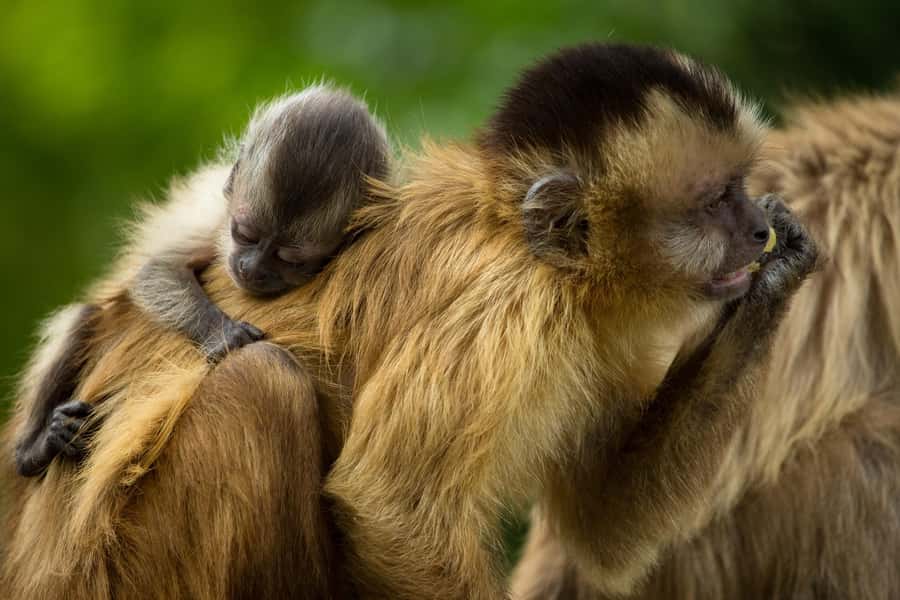
The young monkeys’ area, called the kindergarten, is a special part of the tour. Depending on the condition of the animals, you may be allowed to pet them. The rules are important here. You cannot feed the animals, make loud noise, or touch plants, and any contact with young monkeys depends on guidance from the team. The point is care first, contact second.
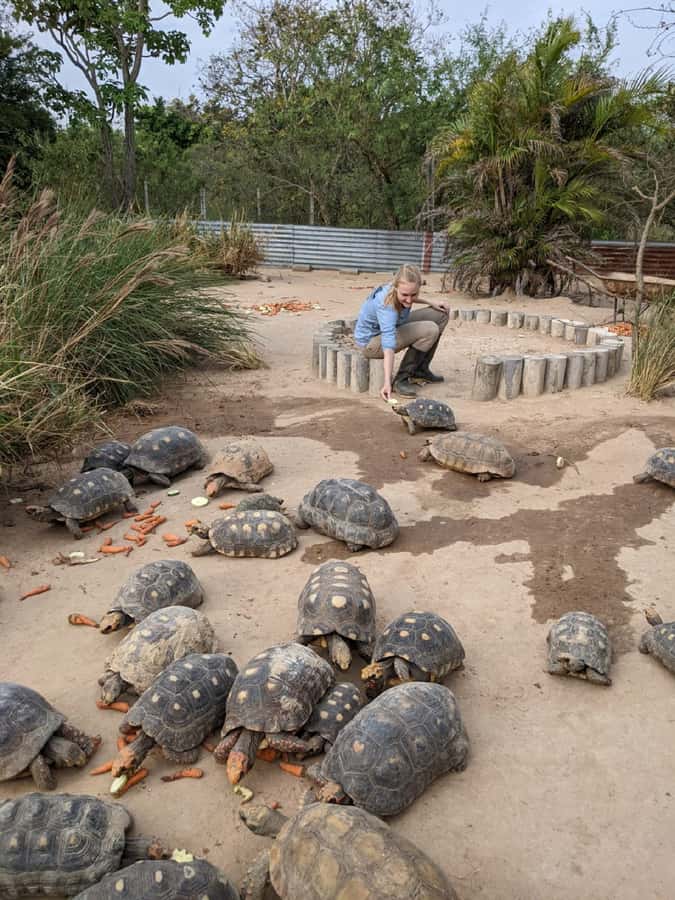
The turtles can also provide amusing close encounters. One account describes being chased by turtles, which gives you a sense of the relaxed and slightly quirky feel of the place. You may also be able to feed the tortoises, but follow the guide’s directions and do not bring your own food.
The guides are one of the strongest parts of the morning. Urs is described as deeply involved in the foundation, while the wider team adds local knowledge and practical experience. You are likely to hear stories about individual animals, not just general facts about species. That makes the sanctuary feel more like a place with ongoing responsibilities than a quick stop on a sightseeing circuit.
From lagoons to swamps on the second walk
After the sanctuary visit and a short break, you head out for the nature portion of the day. The walk passes through swamps and along picturesque lagoons. It lasts as part of a total of about two to three hours of guided hiking, and the length can be adjusted to suit your wishes.
Caimans may appear near the water, though sightings are not guaranteed. Water turtles are considered more certain. Depending on the weather, you might also see frogs and other reptiles. This is a good example of how the day works: the guides can take you to the right habitat, but they cannot control wildlife.
There may be sloths, wild monkeys, and different birds in the forest. One past outing included a free-living sloth, which shows the difference between the sanctuary tour and the walk. Inside the refuge, you see animals being cared for. Outside, you may spot wildlife living in the surrounding area.
The plant life gives the walk its own value. The reserve contains plants linked to three climate zones: the Gran Chaco, the Amazon, and the influence of nearby Amboró National Park. You are not getting a full Amazon expedition, and the walk should not be sold as one. Instead, it offers a useful look at the mix of tropical habitats around Santa Cruz.
For me, this second half keeps the day from becoming a simple animal visit. You learn to notice the plants, water, mud, and forest edges that support local wildlife. If you care mostly about close animal encounters, the sanctuary will be your main focus. If you want a broader introduction to tropical Bolivia, the forest and lagoon walk adds important context.
Lunch with monkeys watching from nearby
Lunch is served at the foundation’s homely restaurant. The meal is a typical Bolivian dish, and a vegetarian option is available. Several accounts describe the food as tasty and generous, with one meal singled out as especially satisfying after the morning outdoors.
The setting is informal. Wild monkeys may watch from nearby while you eat, adding to the unusual character of the stop. You are not dining in a formal restaurant with a long menu. You are eating at the foundation, surrounded by the people and animals connected to the project.
This meal also gives you time to speak with the team. You can ask about the foundation, the animals, and how the project is supported. Since the price includes lunch, the meal adds more than convenience. It gives the visit a social and charitable side without requiring a separate donation decision.
The heat can be tiring, so take the lunch break seriously. Drink water, cool down, and use the pause to prepare for the return journey. One person appreciated receiving a wet towel during a hot visit, but you should still arrive prepared rather than count on extra comforts.
A few more animal parks around the world worth a look
- Chiang Mai: Elephant Sanctuary, Waterfall & Bamboo Rafting
★ 4.9 · 9,160 reviews - Ubud: Monkey Forest, Jungle Swing, Rice Terrace, and Water Temple
★ 5.0 · 7,160 reviews - Chiang Mai: Elephant Sanctuary & Waterfall Group Tour
★ 4.9 · 5,780 reviews - Amsterdam: ARTIS Amsterdam Royal Zoo Entry Ticket
★ 4.6 · 5,651 reviews
Transport, timing, and the practical side
Pickup is provided directly from your accommodation in Santa Cruz. The driver takes you to the foundation, and the return taxi leaves no later than 3 p.m. This makes the experience a full-day outing without requiring you to arrange a second transfer back to the city.
The ride takes about an hour each way. That is reasonable for access to a rural reserve, but it is still a substantial part of your day. Vehicle conditions may vary. One account praised an air-conditioned taxi with seat belts and a friendly driver named Omar, while another reported a taxi without seat belts. If this matters to you, confirm the vehicle arrangements before departure and speak up if anything feels unsafe.
The trip is best treated as a warm-weather outdoor day. Wear long pants and closed-toe shoes. Shoes that you do not mind getting muddy are a smart choice, especially after rain. Sandals and flip flops are not allowed.
Bring plenty of water and insect repellent. These are not listed as included, and the heat, forest, and wet areas make both useful. Wear clothing suited to the weather, and expect your clothes and footwear to pick up dust or mud.
The rules are simple but important:
- Do not feed the animals unless the staff specifically provides food and gives instructions.
- Do not make loud noise.
- Do not bring pets.
- Do not bring food into the park.
- Do not touch the plants.
- Do not wear sandals or flip flops.
Language and group atmosphere
The experience is advertised with Spanish, English, and German availability, and the foundation team includes people connected with different language backgrounds. However, the practical activity details identify Spanish as the live guide language. If you need English or German, confirm that language when booking rather than assuming it will be available on every date.
The tour is described as taking place in small groups. A group of four was considered especially pleasant on one visit, and that size allows you to hear the guide and ask questions without feeling lost in a crowd.
Small groups matter here because the sanctuary is personal. You may need to pause while an animal is being checked, listen to a story about a particular resident, or move carefully through a muddy section of the walk. This would be harder with a large bus group.
The pace is also adjustable on the forest walk. You can ask for a shorter hike if the heat or uneven ground becomes too much, or spend longer exploring if you want more time with the plants and water habitats.
Is $85 a fair price?
At $85 per person, this is not the cheapest way to spend a day around Santa Cruz. It is a fair price if you value direct transport, a private-feeling guide experience, entry to the reserve, two guided walks, a welcome drink, and lunch.
The cost also supports a foundation caring for roughly 500 wild animals. You should not assume every dollar is a donation, but your visit helps sustain a place whose main purpose is animal care. That gives the price more weight than a standard sightseeing ticket.
The value is strongest for people who would otherwise need to arrange a taxi, entrance, a guide, and lunch separately. The package removes that work and keeps the day focused. It is less compelling if you want a polished zoo, guaranteed sightings, or a short trip with minimal time on the road.
A rating of 4.7 from 73 assessments indicates consistently strong satisfaction, though one lower score points to the same practical issue I would flag: transport quality can vary, and the road journey may feel long. Ask about seat belts and the vehicle before you set out.
Who will enjoy this most?
I would choose this day for anyone who wants close contact with rescued wildlife and a personal introduction to tropical Bolivia. It suits nature lovers, photographers, families with older children, and people who prefer small-scale projects over major attractions.
It is also a good fit if you want to meet the people behind a conservation effort. The time with Urs and the team, the explanations about individual animals, and the lunch at the foundation create a stronger connection than a standard walk through animal enclosures.
You should think twice if you dislike heat, insects, rough paths, or uncertain wildlife sightings. The sanctuary itself is accessible by guided visit, but the second half takes you through swamps and forest. Good shoes and a flexible attitude make a real difference.
This is not a substitute for a longer trip into the Amazon or Amboró National Park. It is a day trip from Santa Cruz that gives you a practical sample of local animals, plants, and habitats without requiring a multi-day expedition.
Should you book the AFASI day trip?
Book it if you want a personal, animal-focused day and you are comfortable with a rustic setting. The strongest reasons are the range of rescued species, the obvious commitment of the AFASI team, the two guided walks, and the included Bolivian lunch.
Before booking, confirm the guiding language and transport details. Pack water, insect repellent, long pants, and shoes that can handle mud. If you do that, the $85 price buys a full day with real contact with a local foundation rather than a quick photo stop.
FAQ
How long does the AFASI tour take?
It is a full-day activity. Pickup is in the morning, and the return taxi leaves for Santa Cruz by 3 p.m. at the latest.
How long is the drive from Santa Cruz?
The drive to the foundation takes about one hour. Transportation from your Santa Cruz accommodation is included.
How many animals are at the sanctuary?
The sanctuary has approximately 500 wild animals.
What animals might I see?
You may see five species of monkeys, pumas, coatis, martens, wild pigs, foxes, toucans, macaws, land turtles, and other animals. The walks may also include caimans, water turtles, frogs, reptiles, sloths, wild monkeys, and different birds.
Can I touch the young monkeys?
You may be able to pet young monkeys in the kindergarten, depending on the condition of the animals and the instructions of the staff.
Is lunch included?
Yes. A typical Bolivian lunch is included, and a vegetarian option is available.
What should I wear and bring?
Wear long pants, closed-toe shoes, and weather-appropriate clothing. Bring water and insect repellent. Shoes that can get muddy are a good idea.
Is the tour available in English or German?
The experience information lists Spanish, English, and German availability, while the live guide details identify Spanish. Confirm your preferred language when booking.
Just added around the world
- Zen In The Zoo★ 5.0 · 2 reviews
- ZANZIBAR: Jozani Forest, butterfly center & Reptile park★ 4.7 · 3 reviews
- Wuppertal: Admission to the Green Zoo Wuppertal★ 4.6 · 7 reviews
- Zanzibar: Jozani Monkeys, Butterfly Garden & Reptile Park★ 5.0 · 2 reviews
- Monkey Forest, Waterfall ,Temple and Rice Terrace★ 4.9 · 26 reviews
- Ubud :Monkey forest, Water Temple and waterfall Private Tour★ 5.0 · 2 reviews
- Wings Wildlife Park Burnie Shore Excursion★ 4.2 · 13 reviews
- Warsaw Zoo Skip-the-Line Entry Ticket with Private Transport★ 4.8 · 3 reviews
Wildlife Sanctuaries, compared.
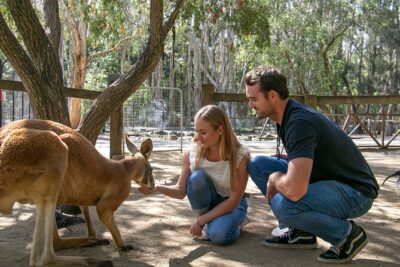
Currumbin Wildlife Sanctuary General Entry Ticket
Read our review →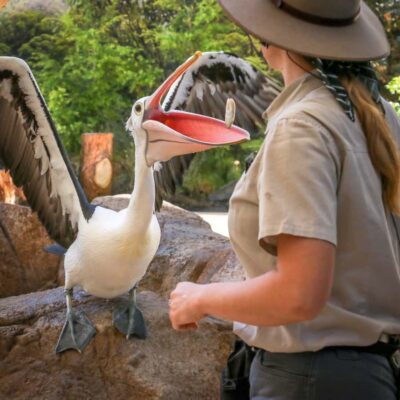
Motuara Wildlife Sanctuary Tour and Dolphin Cruise from Picton
Read our review →
Skip the Line: Franz Josef Wildlife Center Ticket with Optional Backstage Pass
Read our review →
Bonorong Wildlife Sanctuary Half-Day Tour from Hobart
Read our review →
Blue Lagoon – PRIVATE ISLAND Pink sand beach and wildlife reserve
Read our review →
Hobart: Admission Ticket to Bonorong Wildlife Sanctuary
Read our review →
Rio Celeste Waterfall Plus Sloths and wildlife Sanctuary
Read our review →Browse the lists this tour appears in