
REVIEW · THAILAND
Phuket: Patong Elephant Sanctuary Observe & Learn Experience
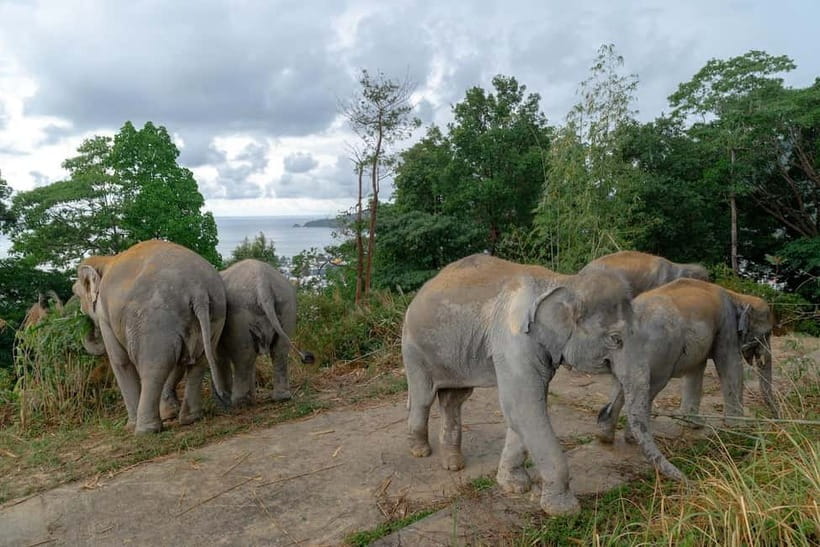
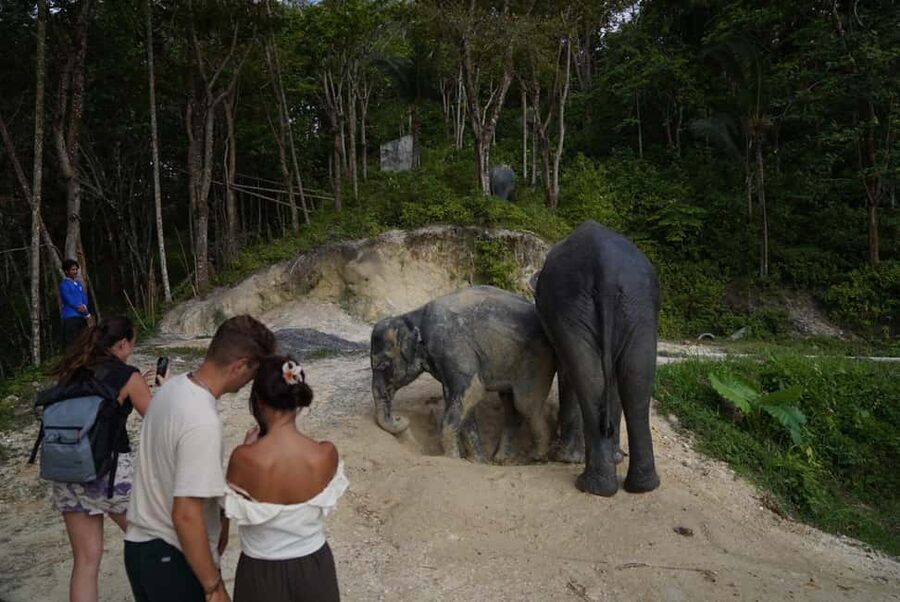
The most important feature here is simple: the elephants are not separated from you by fences. They choose where to walk, rest, eat, or bathe, while you follow strict safety instructions and keep your behavior calm. This is an observation-first visit, not a staged elephant show.
I like the quiet forest walk and the chance to learn each elephant’s background. I also like the hill tribe caretakers’ role. Guides such as Mei and Mayya have been praised for making the visit warm and personal, while explaining how the animals behave. The main consideration is that you do not control the encounter. An elephant may wander away, and the experience can feel brief if you want a long hands-on session.
Key points
- Free-roaming elephants: There are no barriers or fences separating you from the animals.
- A 90-minute visit: The program focuses on introductions, education, and a forest walk rather than a full-day outing.
- No riding or bathing: The sanctuary does not use elephants for rides or organized bathing.
- Caretaker-led stories: Hill tribe guides explain each elephant’s past, body language, and daily routine.
- Possible food preparation: Some sessions include feeding the elephants or preparing food, but contact must happen on the animals’ terms.
- Optional Phuket pickup: You can arrange transfer from anywhere in the Phuket area if you select that option.
A calmer way to meet elephants near Patong
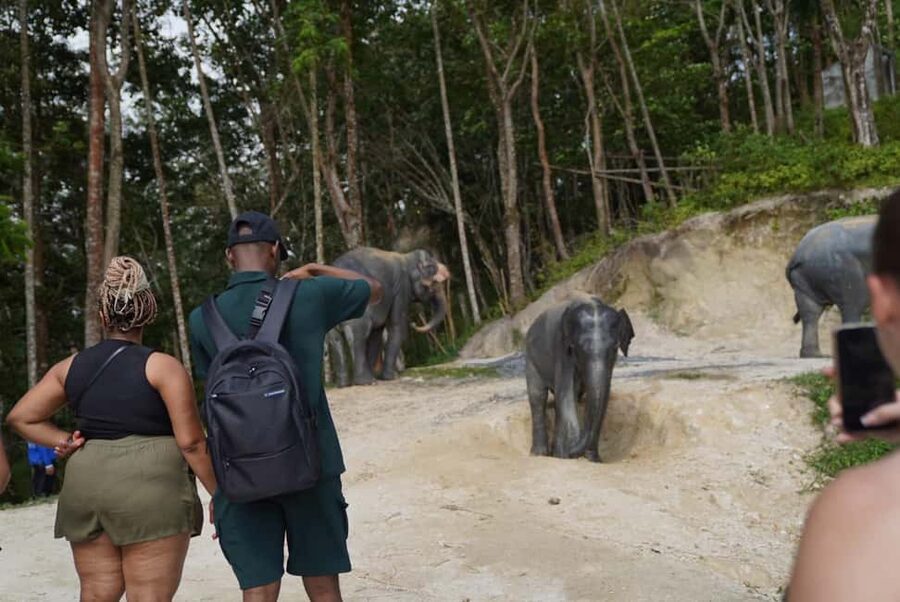
Many elephant activities ask you to do too much: ride, bathe, pose, touch, feed, then repeat. This program takes a different path. You are there to watch the elephants behave like elephants, with a guide explaining what you see.
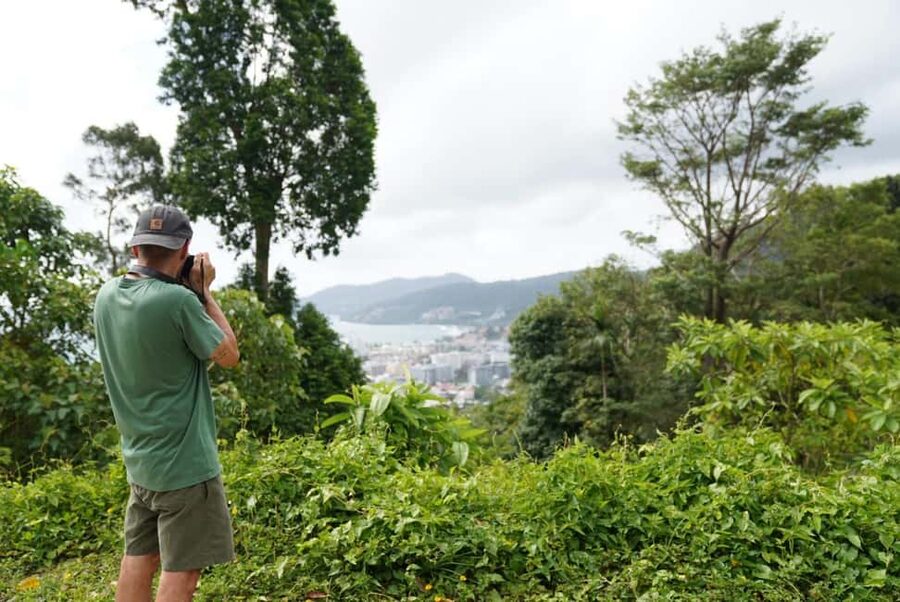
The setting is Patong Hill Tribe Elephant Village, also described as the Patong Elephant Nature Park Hill Tribe Elephant Village. The location is close enough to fit into a Phuket day, but the forest setting gives the visit a quieter feel than Patong’s busy streets.
You begin with an introduction to the elephants and their stories. The guide explains how each one came to the sanctuary and what daily life is like now. That personal background matters. An elephant is not just a large animal in a photo. It has a past, habits, moods, and social ties.
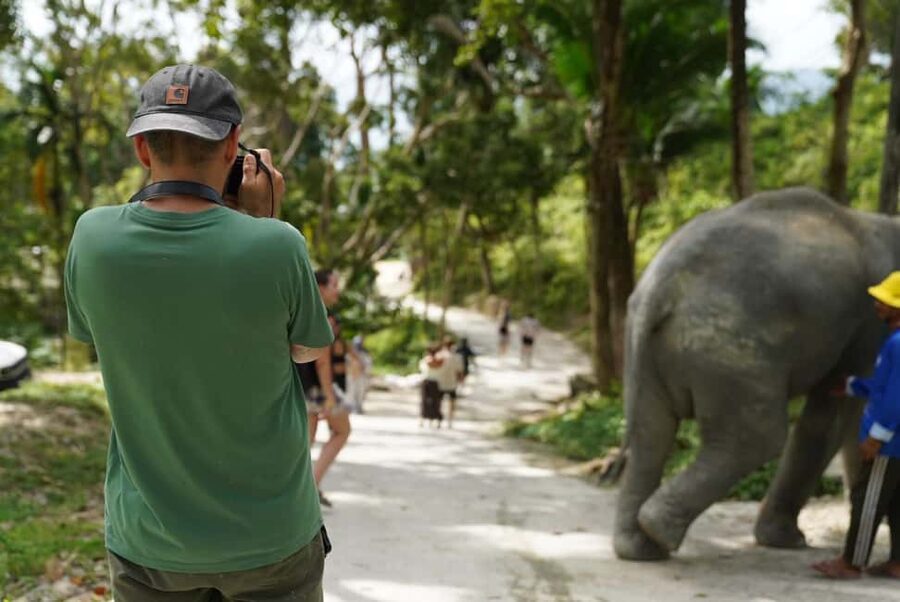
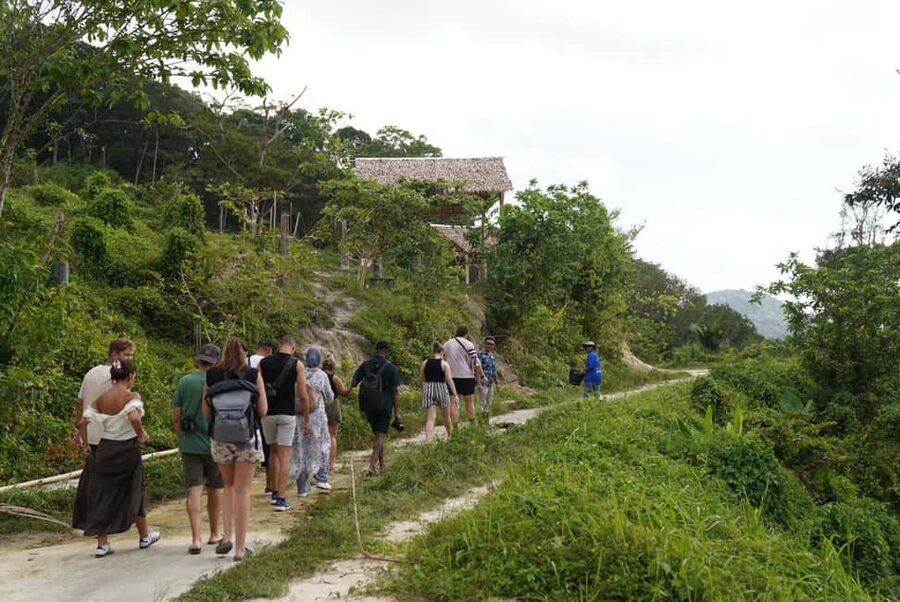
From there, you walk alongside the elephants on forest trails. You do not march them from one activity to the next. The animals decide where they want to go, and your group follows the team’s instructions.
More Elephant Sanctuaries in Thailand:
- Chiang Mai: Elephant Sanctuary, Waterfall & Bamboo Rafting
★ 4.9 · 9,160 reviews - Chiang Mai: Elephant Sanctuary & Waterfall Group Tour
★ 4.9 · 5,780 reviews - Chiang Mai: Elephant Sanctuary Feeding Program Half-Day Tour
★ 4.8 · 4,527 reviews
The first few minutes: meeting the elephants and their caretakers
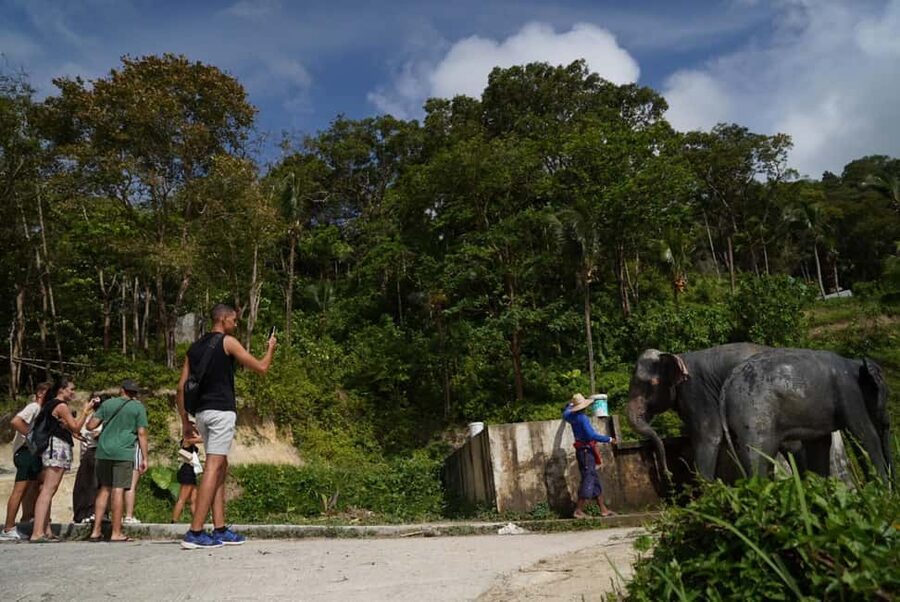
The opening talk gives the visit its purpose. You learn who the elephants are, how they came to live at the sanctuary, and how they spend their days. This is the point where you can ask questions and get a basic sense of proper behavior around them.
The caretakers come from hill tribe communities and bring lifelong experience with elephants. That does not mean you should treat the visit as a free-for-all. Their role is to read the animals and manage your group’s behavior. Listen closely, especially when the guide tells you to stop, move back, or change position.
Some sessions have included feeding the elephants or preparing food for them. You may get a closer look at what they eat and how they respond to food. Still, the central idea is respect, not guaranteed touching. An elephant can accept contact one moment and walk away the next.
Guides named Mei and Mayya have been singled out for their friendly manner and clear explanations during different visits. Guide assignments can change, so do not assume one particular person will lead your session. You can expect an English-speaking guide.
Walking the forest trails beside free-roaming elephants
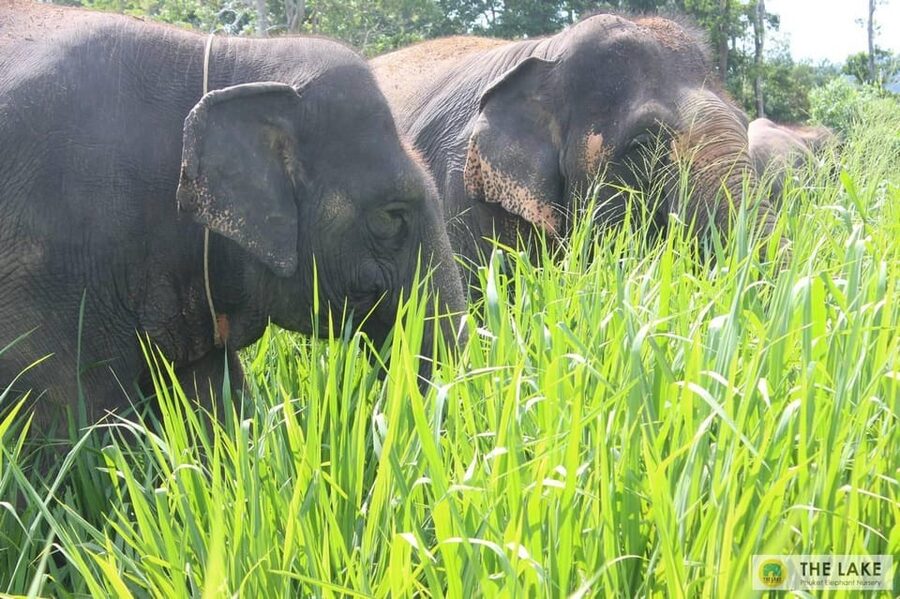
The forest walk is the heart of the program. You walk beside the elephants while the guide points out body language, social contact, eating habits, and other natural behavior.
This is different from a show where the animal waits for a command. The elephant may pause to eat, wander toward another elephant, rest, or head toward water. Your group may need to wait. That is not wasted time. It is the reason to choose this type of activity.
The absence of fences makes the experience feel more direct, but it also creates a clear responsibility for you. Keep a safe distance when told to do so. Do not approach an elephant from behind, crowd it, or reach out without permission. If the animal chooses to come near, let the caretakers guide the moment.
You might see elephants anywhere within the sanctuary, including areas where they choose to rest or bathe. The staff warns that there are no barriers dividing people and elephants. This is an important safety point, not a minor footnote. The animals have room to move, and you must be ready to follow instructions quickly.
The walk is not described as difficult, but the program takes place on forest trails. Wear practical shoes and clothing that you can move in. Bring a reused water bottle. Drinking water is included, but carrying your own bottle avoids disposable plastic and keeps you comfortable in Phuket’s heat.
What ethical means here

The strongest part of the program is its clear refusal of elephant riding and organized bathing. Those two activities often create the most obvious tourist contact, but they can also turn an animal’s care into a performance.
Here, the stated aim is to observe natural behavior. You see elephants eat, move, rest, and interact without asking them to perform tricks. The sanctuary also does not separate you from the elephants with fences, so ethical behavior depends on both the staff and the people in the group.
That open setup deserves a careful reading. No fence does not mean unlimited access. It means the elephants can move through the sanctuary, and you may encounter them in different places. You must not assume that a close photo or a touch is appropriate.
The most responsible moment may be the one you do not force. If an elephant walks away, let it go. If the guide asks you to keep back, do so. The program’s value comes from seeing the animal make choices, not from collecting a certain number of interactions.
A few more animal parks around Thailand worth a look
- Chiang Mai: Elephant Sanctuary, Long Neck & Sticky Waterfall
★ 4.9 · 2,262 reviews - Phuket: Elephant Sanctuary Guided Tour with Hotel Transfers
★ 4.8 · 2,020 reviews - Krabi: Ao Nang Elephant Sanctuary Half-Day Tour
★ 4.8 · 1,796 reviews - A Morning with the Elephants at Phuket Elephant Sanctuary
★ 5.0 · 1,693 reviews
Feeding, touching, and the limits of contact
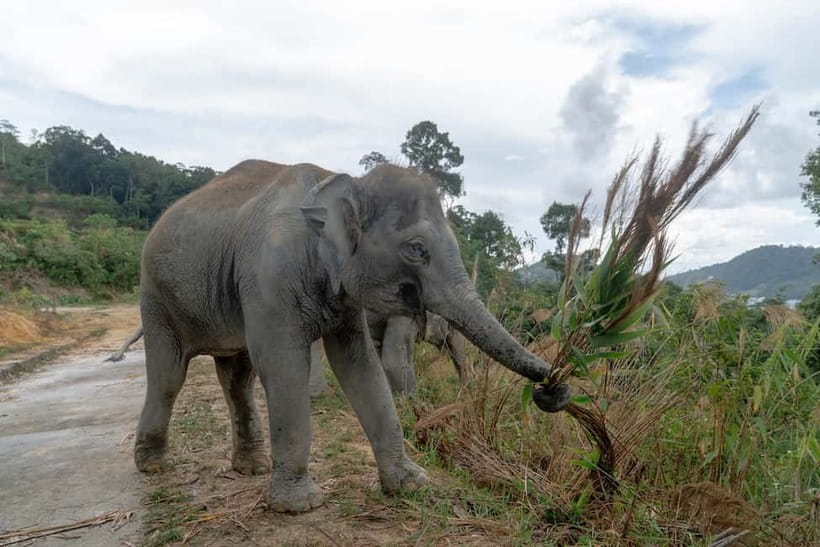
Some people want a hands-on experience, and this program may offer limited opportunities to feed the elephants or prepare food. Actual sessions have included both. You may also be allowed to touch an elephant, but only when the animal accepts the contact and the guide says it is safe.
That distinction is important. The activity is not sold as a guaranteed petting session. The main promise is education and a guided walk. Food and contact are possible parts of the encounter, not the entire reason to book it.
I would choose this program if you want a better understanding of elephant behavior. I would look elsewhere if your main goal is a long feeding line, repeated photographs, or bathing with the animals. The no-bathing policy is a plus for animal welfare, but it may disappoint anyone expecting the usual elephant camp routine.
Why the 90-minute format can work well
Ninety minutes is short, but that can be useful in Phuket. You can place the visit between other plans instead of giving up half a day. The time includes the introduction, educational talk, and forest walk, so the schedule has a clear shape.
The short duration also means you should set realistic expectations. You are not getting an all-day sanctuary program with a long meal break or several separate activities. The elephants’ movements also affect the pace. If they stop to rest or move slowly, the visit may feel less packed with activities.
I like the focus created by this format. There is little room for filler. You meet the elephants, learn how to read their behavior, walk with them, and leave. For a first elephant encounter, that is enough to make a lasting impression without turning the visit into a full-day commitment.
You need to arrive at least 15 minutes before the start. Late arrivals cannot be held for, and you may have to join the next available time if space remains. Build in extra time for the trip to the village, especially if you are making your own way there.
Getting there from Phuket
Pickup is optional. If selected, transfer is available from anywhere in the Phuket area to the Hill Tribe Elephant Village. The available drop-off areas include Pa Tong, the sanctuary, and the Patong Elephant Nature Park Hill Tribe Elephant Village.
Check the exact pickup choice when you book. The starting point depends on the option you select, so you should not assume every reservation includes a hotel transfer. If you arrange your own transport, confirm the meeting details and arrive early.
The Phuket location is worth noting because the supplied activity information also contains a Chiang Mai Province reference. The practical details point to Phuket: Patong pickup, the Patong village, and Phuket-area transfers. Use the Phuket meeting information when planning this visit.
The $51 price and what you receive
At $51 per person, this is not the cheapest quick animal encounter in Phuket. The value comes from the quality and limits of the experience rather than the number of activities.
Your fee covers the guided walk, the education session, the hill tribe caretaker’s insights, drinking water, and insurance. Hotel transfer is included only if you select the transfer option. That last point can affect the final cost, so compare the included transport choices before paying.
I think the price is reasonable for someone who wants a focused, no-riding visit led by people who can explain elephant behavior. You are paying for guidance, animal care standards, and a controlled way to observe free-moving elephants, not just a short photo opportunity.
The value is weaker if you want an entire day at a sanctuary or a long list of add-ons. At 90 minutes, the program is best seen as a well-defined introduction. It fits travelers who care more about how the encounter is handled than about packing in every possible activity.
Who will enjoy this most
This experience suits you if you want a respectful first meeting with elephants and prefer watching natural behavior to joining a performance. It also works well for people staying in Patong who want a short outing with optional pickup.
Families may appreciate the clear educational focus, but every member of the group must follow instructions carefully. The open setting requires attention. Children should stay close to their adults and listen when the guide gives directions.
It is also a good choice for photographers who value unscripted moments. You may see an elephant choose its own route, stop to feed, or interact with another animal. The tradeoff is that you cannot guarantee a perfect pose or close-up.
You may not enjoy it if you want a highly managed schedule. There are no barriers, and the elephants choose where to go. The visit is calm by design, but it is not fully predictable.
Practical advice before you go
Arrive 15 minutes early. A late arrival can mean missing the scheduled session and waiting for another opening.
Bring a reused water bottle, as drinking water is provided. Wear clothing and shoes suited to forest trails, and expect warm outdoor conditions.
Listen to the English-speaking guide from the start. The safety briefing matters more here than at a standard animal park because the elephants can move freely around the sanctuary.
Keep your hands to yourself unless the guide permits contact and the elephant accepts it. Never chase an elephant for a photograph. The best encounter may be one that lasts only a few seconds but happens without pressure.
If you need transport, select the pickup option and check the exact Phuket-area details. If you cancel at least 24 hours ahead, you can receive a full refund. The reserve-now, pay-later option also gives you flexibility if your plans are still changing.
Should you book the Patong elephant experience?
Book it if you want a short, ethical, education-led visit with elephants that are free to move around the sanctuary. The forest walk, caretaker stories, and focus on body language give the program more substance than a basic feeding stop.
Think twice if you want riding, bathing, a guaranteed touching session, or a full-day visit. Those are not the point here, and the elephants’ freedom means the encounter may not follow your preferred script.
For most people staying in Patong, the combination of optional pickup, a 90-minute schedule, no riding, no bathing, and direct caretaker guidance makes this a sensible choice. Go with patience, follow instructions, and treat the elephants’ decisions as the main event.
FAQ
How long does the elephant experience last?
The program lasts 90 minutes, or 1.5 hours.
Where does the experience take place?
It takes place at Patong Hill Tribe Elephant Village, also referred to as Patong Elephant Nature Park Hill Tribe Elephant Village.
Is hotel pickup included?
Pickup is optional. You can select pickup from anywhere in the Phuket area to the Hill Tribe Elephant Village.
Is elephant riding part of the program?
No. The experience is described as a no-riding activity.
Do visitors bathe the elephants?
No organized bathing is included. You may see elephants bathe on their own, as they can move freely around the sanctuary.
Can I feed or touch the elephants?
Some sessions include feeding the elephants or preparing food. Touching is allowed only when the animal accepts contact and the team says it is appropriate.
What language does the guide speak?
The live tour guide speaks English.
What happens if I arrive late?
You must arrive at least 15 minutes before the scheduled start. If you arrive late, the team cannot wait, and you may need to join the next available schedule if space is available.
Just added around Thailand
- Elephant Sanctuary Small Group Tour in Phuket★ 5.0 · 3 reviews
- Phuket Guided Tour to Elephant Sanctuary with Hotel Transfers★ 5.0 · 14 reviews
- Krabi Immersive Elephant Sanctuary Experience★ 3.5 · 2 reviews
- Krabi Elephant Sanctuary and Emerald Pool Adventure★ 5.0 · 2 reviews
- Guide Tour to Khaolak Elephant Sanctuary in Small Group★ 5.0 · 47 reviews
- Ethical Elephant Observation by Samui Elephant Sanctuary★ 4.5 · 6 reviews
- Early Bird James Bond Island and Elephant Sanctuary from Khaolak★ 5.0 · 2 reviews
- Guided Tour to Takua Pa and Elephant Sanctuary in Khao Lak★ 5.0 · 4 reviews
Thailand Zoos, compared.
Chiang Mai: Elephant Sanctuary, Waterfall & Bamboo Rafting
Read our review →
Chiang Mai: Elephant Sanctuary & Waterfall Group Tour
Read our review →
Chiang Mai: Elephant Sanctuary Feeding Program Half-Day Tour
Read our review →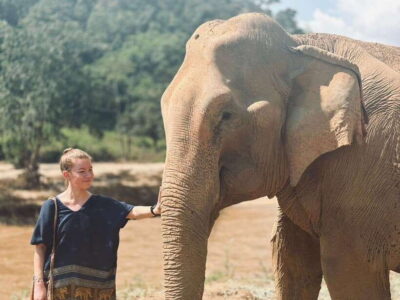
Chiang Mai: Elephant Sanctuary, Long Neck & Sticky Waterfall
Read our review →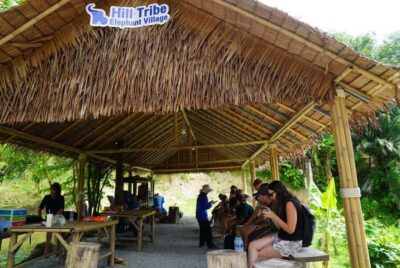
Phuket: Elephant Sanctuary Guided Tour with Hotel Transfers
Read our review →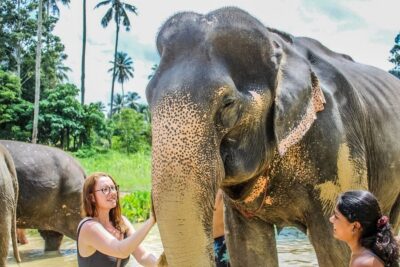
Krabi: Ao Nang Elephant Sanctuary Half-Day Tour
Read our review →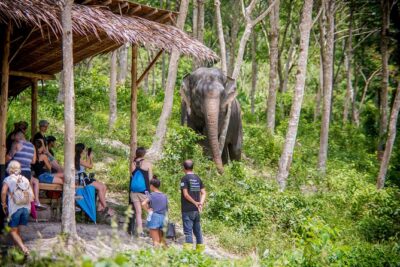
A Morning with the Elephants at Phuket Elephant Sanctuary
Read our review →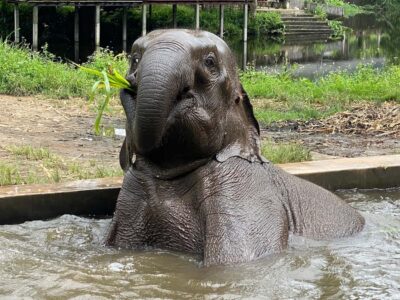
Chiang Mai: Small Group Ethical Elephant Sanctuary Tour
Read our review →Browse the lists this tour appears in