
REVIEW · BANGKOK
From Bangkok: Living Green Elephant Sanctuary Day Trip
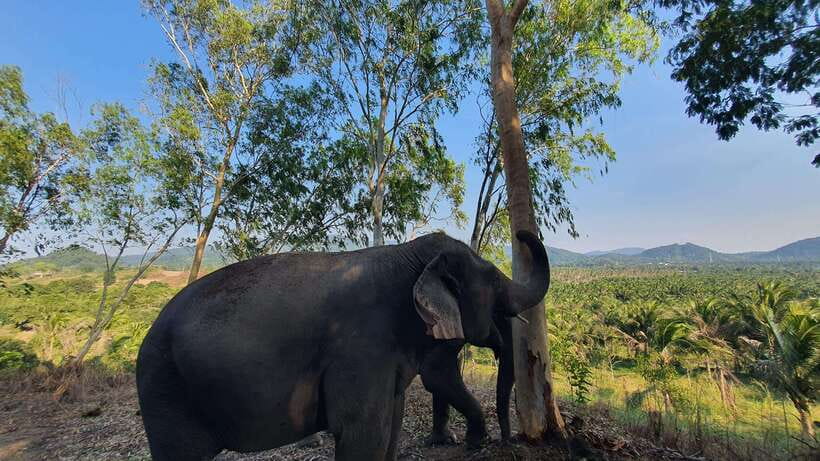
The best part of this Chonburi day trip is the chance to watch rescued elephants behave like elephants, not performers. At Living Green, they forage, walk, socialize, roll in mud, and choose when to enter the water. You can feed them and walk nearby, but the sanctuary’s stated rules are clear: no riding, no chains, and no shows.
I like two things here. First, the guides explain each elephant’s background and personality, which makes the encounter feel personal rather than like a quick photo stop. Second, the combination of forest walking and bath time gives you a fuller picture of daily elephant care. The catch is the drive: traffic can stretch the journey from the expected 1.5 hours to two or even three hours each way.
Key points at a glance
- Rescued elephants with room to roam: The 40-acre sanctuary gives the animals space to forage, walk, drink, and bathe.
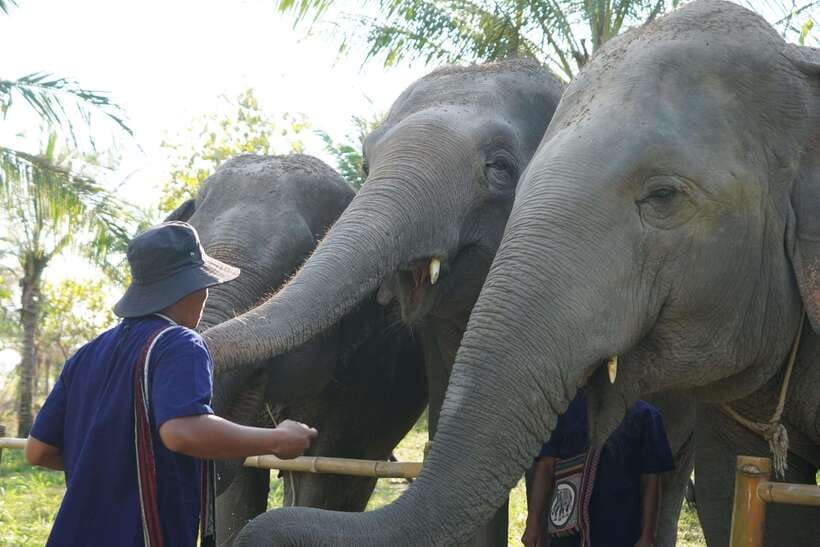
- Hands-on but supervised: You feed the elephants, walk alongside them, and may enter the water with them, always under staff direction.
- Guides with plenty of personality: Lulu, Mod, Jumbo, Crazy Man, Handsome Man, and Sexy Man are among the guides praised for clear explanations and lively humor.
- A real meal, not just a snack: Freshly prepared Ancient Pad Thai, with ingredients that can change by season, is included.
- Transport takes time: The sanctuary is outside Bangkok in Chonburi, so the experience works best as a full-day outing.
- Good value at $57: That price includes the meal, guide, clothing, sanctuary program, and transport if you select the transfer package.
Why this elephant visit feels different
Elephant tourism in Thailand requires a little thought. The phrase sanctuary alone does not tell you much. You want to know how the animals are handled, what they are asked to do, and how much control they have over the day.
Living Green’s program is built around natural behavior. You may see elephants grazing, moving between shaded areas, playing in the water, or coating themselves with mud. Mud helps cool the body and protect the skin, so it is part of normal elephant care, not a staged activity.
The interaction is still close. You can offer food by hand, walk near the elephants on forest paths, and help bathe them. But staff supervision matters. These are enormous animals, even when they are calm, and the guides explain how to approach, feed, and move around them safely.
I also like the way the program gives each elephant an identity. Guides tell you about the animals’ individual stories and personalities, rather than presenting them as one uniform group. Charlie, the young elephant mentioned often by the guides, can be a memorable highlight because of his playful behavior.
The sanctuary’s approach does not mean the experience is hands-off. You still get close enough to feel the scale and strength of the animals. The difference is that the activities are framed around care and observation, not tricks or forced poses.
More Elephant Sanctuaries in Thailand:
- Chiang Mai: Elephant Sanctuary, Waterfall & Bamboo Rafting
★ 4.9 · 9,160 reviews - Chiang Mai: Elephant Sanctuary & Waterfall Group Tour
★ 4.9 · 5,780 reviews - Chiang Mai: Elephant Sanctuary Feeding Program Half-Day Tour
★ 4.8 · 4,527 reviews
The journey from Bangkok to Chonburi
The sanctuary is in the mountains of Chonburi Province, around 1.5 hours from Bangkok in light traffic. That estimate needs a warning label. Bangkok traffic can make the outward or return journey two hours or more, especially during busy periods.
You have three main ways to join:
- Hotel pickup from Bangkok, Pattaya, and nearby areas
- A meeting point at Eakkamai Wat That Thong
- Direct arrival at the sanctuary without transfer
The hotel-transfer option is the easiest, but it is not always the fastest. Pickup times vary by hotel and by the day’s route, and the exact time is sent the evening before. The listed morning session runs roughly from 7:00 to 14:30 with hotel pickup, while the afternoon session runs about 11:00 to 18:30.
At Wat That Thong, the morning meeting time is listed as 7:30, with the afternoon option at 11:00. If you go directly to the sanctuary, the morning program runs approximately 9:30 to 13:00, and the afternoon program from 13:30 to 17:00.
The vans are air-conditioned, and some have reclining seats. Comfort can vary, though. A few vehicles have been described as old or bumpy, with limited legroom. If you get carsick, sit toward the front, bring water, and consider the morning session so you have more room in your Bangkok schedule later.
The transfer rules are simple but important. Shared pickup and drop-off must remain in the same zone, and you cannot change the drop-off point after booking. Medium and large suitcases cost an extra 200 Baht per bag, so this is better treated as a day trip than as a luggage transfer.
Arriving at the 40-acre sanctuary
On arrival, you change into traditional Mo Hom clothing. This is a practical touch for an activity that may involve mud and water, and it helps mark the shift from city sightseeing to outdoor work with the elephants.
The program begins with a local meal and an introduction to the sanctuary. Depending on your timing, you may eat soon after arrival or after the elephant activities. Ancient Pad Thai is the main dish mentioned, with ingredients adjusted according to the season. Several meals include chicken Pad Thai, fruit such as watermelon, and plenty of water.
The meal is more useful than it may sound. You are spending several hours outdoors, walking on uneven paths and possibly entering the water. Having lunch on site means you do not lose more time searching for food, and the meal gives the group a chance to settle before the main activity begins.
The sanctuary staff then explain the rules, the elephants’ backgrounds, and the purpose of the center. Guides such as Lulu, Mod, and Jumbo are often singled out for their clear explanations, patience, humor, and care for the animals. Other guides use playful nicknames, including Crazy Man, Handsome Man, and Sexy Man. The names are part of the friendly tone, but the safety briefing remains serious.
Feeding the elephants by hand
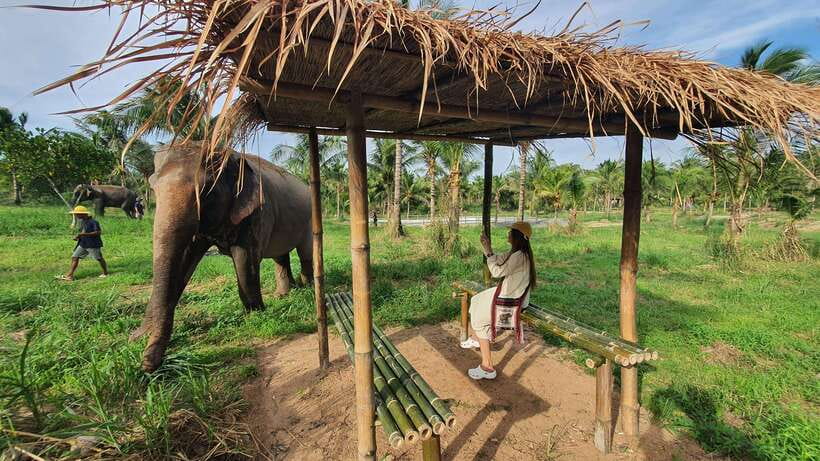
Feeding is usually your first close encounter. The elephants may be offered bananas, bamboo, or sugar cane, and you learn how to present the food safely. This is a simple activity, but it lets you see how the animals use their trunks and how differently they respond to people.
You should expect a supervised experience, not free access to the herd. The guides help manage the distance and make sure everyone gets a turn. That system is especially useful when several groups are present, since it avoids a crowd pressing around one elephant.
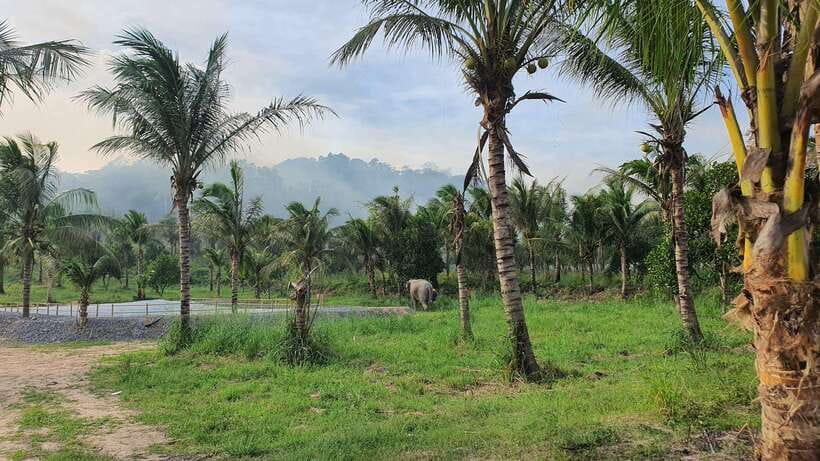
The size of the setting helps. The sanctuary is not described as a small photo enclosure. The elephants have land for walking and foraging, along with water for drinking and bathing. You may still find a sizeable group of people at popular times, but the program is divided and organized so the activity keeps moving.
This is also where the guides’ individual stories add value. Learning about each elephant’s past and personality makes the feeding feel less like handing food to an attraction and more like meeting an animal with a history.
More Day Trips in Thailand:
- From Bangkok: Pattaya Ethical Elephant Sanctuary Day Trip
★ 4.8 · 881 reviews - From Pattaya: Living Green Elephant Sanctuary Day Trip
★ 4.9 · 441 reviews - Elephant Sanctuary + Waterfall + Bamboo Rafting One Day Trip
★ 4.5 · 22 reviews - Chiang Mai 1 Day: Elephant Sanctuary, Waterfall & Bamboo Rafting
★ 5.0 · 19 reviews
Walking through the forest with the elephants
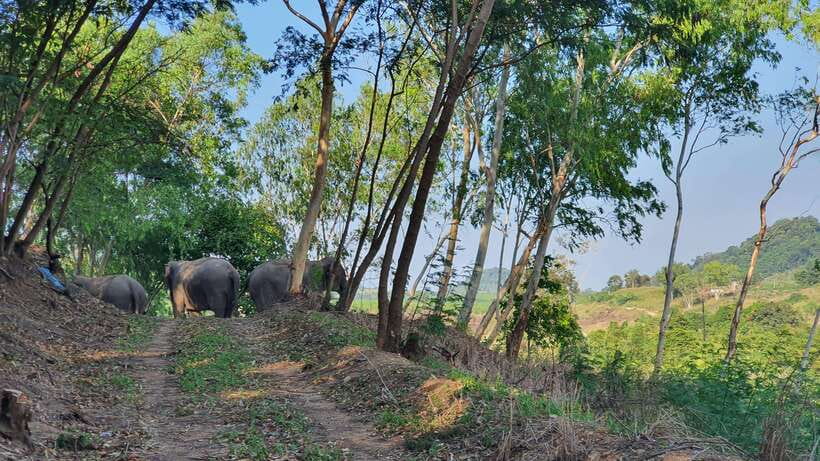
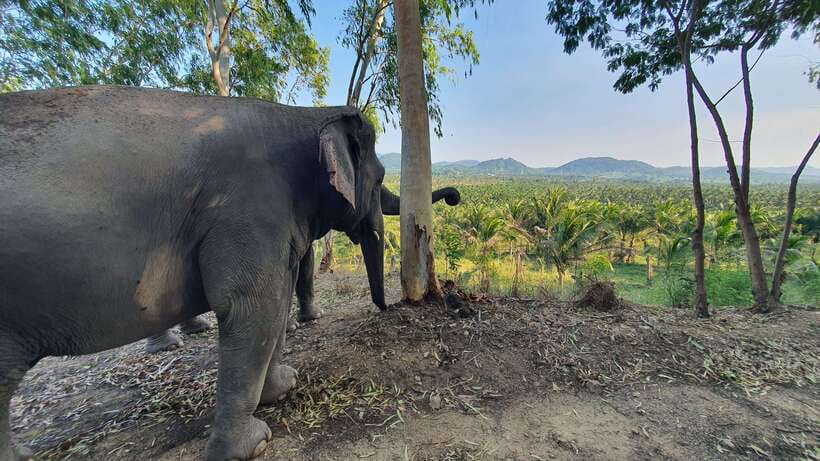
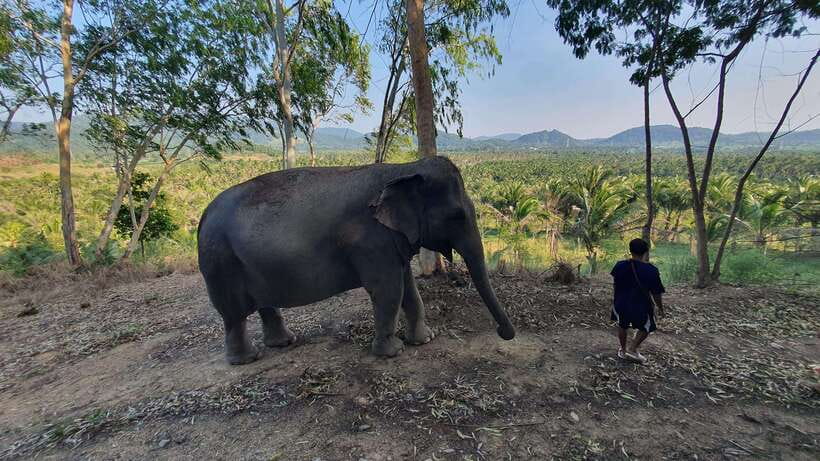
After feeding, you walk along forest paths and up a light hill. The route is not presented as a demanding hike, and the activity is suitable for most ages and fitness levels, but you should still wear comfortable clothes and sandals or sturdy footwear that can get wet.
The walk gives you a better sense of the sanctuary’s setting. Instead of staying at one feeding platform, you move through the property while the elephants walk nearby. Guides answer questions along the way and point out behavior, movement, and social interaction.
The hill brings views across the surrounding mountains. This is one of the quieter parts of the day, and it helps break up the close-contact activities. You have time to watch the elephants move at their own pace rather than constantly reaching out to touch them.
That slower pace is important. An ethical animal encounter should leave space for the animal to choose where to go. Here, the best moments may be watching an elephant forage or interact with another elephant, not posing beside it.
Bathing time and the realities of elephants
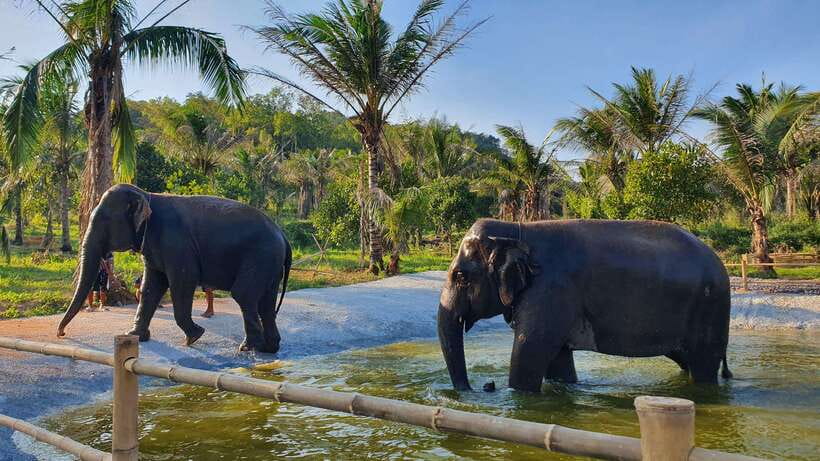
The bathing session is usually the most memorable part of the program. You may enter the water with the elephants, splash them, or help wash them while staff supervise. You can also remain on the bank and watch if you would rather stay dry.
The elephants are not forced into the water when the weather is cold. That rule tells you something useful about the program: the activity depends on the animals’ comfort and the conditions, not simply on completing a fixed photo opportunity.
You should also know what natural bathing involves. There may be mud, floating debris, and elephant dung in the water. That is not a failure of cleanliness; it is the ordinary result of sharing a pond with large animals. If that would spoil the experience for you, watch from the side instead.
Afterward, you can change and use the showers. Bring a towel and dry clothes. A swimsuit is not listed as required, but sensible water-friendly clothing will make this part easier.
The bathing area also gives you a chance to see the elephants cool themselves and cover their skin with mud. That small detail adds context to the activity. You are not simply joining an animal for a swim. You are seeing part of a normal care routine.
How much time do you really spend with the elephants
The advertised duration is inconsistent, with the general information showing anywhere from three hours to 450 minutes. The detailed schedule is clearer: the full outing takes around six to seven hours when transportation is included, while the sanctuary-only program lasts roughly three to three and a half hours.
That distinction matters. If you book hotel pickup from Bangkok, much of your day is spent in the van. The elephant program itself includes the meal, briefing, feeding, walk, bathing, changing, and departure.
At the sanctuary, the schedule is organized rather than open-ended. You arrive, eat, receive the introduction, feed the elephants, walk with them, and reach the bathing area before cleaning up and leaving. You should not expect an entire day of unstructured time among the animals.
The exact order can change because of weather, traffic, and the elephants’ behavior. That flexibility is a positive sign for animal welfare, but it also means the bathing portion is not guaranteed in cold conditions.
Is $57 good value?
At $57 per person, the cost is fair for a Bangkok day trip if you use the transfer package. You are paying for round-trip transportation, the sanctuary program, a guide, traditional clothing, a local meal, and access to the feeding, walking, and bathing activities.
A private taxi to a distant sanctuary could cost a substantial amount before you add entrance fees, food, and planning time. Shared transport is less flexible, but it removes much of the work. The price also supports a center that says it rescues elephants and focuses on care rather than riding or performances.
The trade-off is comfort and time. You may spend three to four hours on the road in heavy traffic, and shared van quality can vary. If you are staying in Bangkok for only a short time, ask yourself if a full day outside the city fits your plan.
The value is strongest for people who want an ethical, hands-on elephant encounter without arranging several separate services. It is less compelling if you want a very short outing or dislike long van rides.
What to bring and who should book
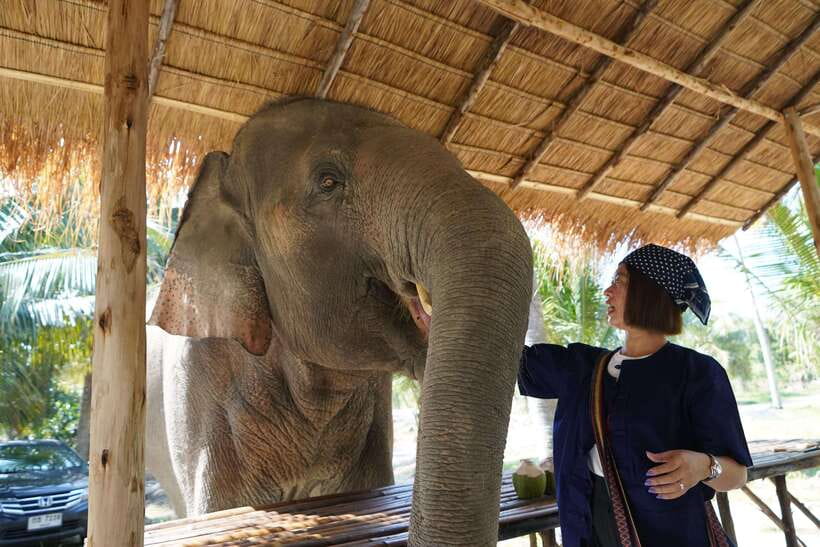
Bring a towel, a change of clothes, water, sandals, and comfortable clothing. You should also expect to get muddy or wet if you join the bathing session.
The experience suits families with children over age two, couples, solo visitors, and older people who are comfortable walking short forest paths. The activity is described as suitable for all ages and fitness levels, but children must follow staff instructions around the elephants.
It is not suitable for children under two, pregnant women, or people with back problems. Smoking, alcohol, and drugs are not allowed.
The program is conducted in English, and small-group availability can make the explanations easier to follow. The guides also take photographs during the activities, and some participants receive the images afterward, though you should not treat this as a guaranteed photography service.
For the smoothest day, check your email the evening before departure for the exact pickup time and driver details. Wear clothes that can handle mud, and do not schedule an important Bangkok appointment too close to your return.
Should you book Living Green Elephant Sanctuary?
I would book this trip if you want close contact with elephants while keeping the focus on natural behavior and animal care. Feeding, walking, and bathing provide enough variety to make the long transfer worthwhile, and the guides add useful context instead of simply directing you to the next photo.
I would hesitate only if you have limited time in Bangkok, are prone to motion sickness, or want a quiet private visit. Traffic and van comfort are the main weak points, not the sanctuary program itself.
For most people, the strongest choice is the morning session with hotel pickup, a towel, dry clothes, and a flexible afternoon back in Bangkok. At $57, it offers a practical way to support elephant care and spend several meaningful hours outside the city.
FAQ
Where is Living Green Elephant Sanctuary?
The sanctuary is in Chonburi Province, in the mountains outside Bangkok. The drive is about 1.5 hours in light traffic, though it can take two hours or more when roads are busy.
How long does the full Bangkok trip take?
The full program with transportation takes about six to seven hours. The sanctuary-only visit takes roughly three to three and a half hours, depending on the selected session.
Can I feed and bathe the elephants?
Yes. The program includes supervised feeding, walking alongside the elephants, and bathing with them. You may also watch the bathing from the side.
Are elephants forced into the water?
No. Elephants are not forced into the water when the weather is cold, and the bathing activity may change because of weather conditions.
Is transportation from Bangkok included?
Hotel pickup and drop-off are included only with the transfer package you select. You can also meet at Eakkamai Wat That Thong or travel directly to the sanctuary without transfer.
What food is included?
A local meal is included, usually Ancient Pad Thai. Menu items may change depending on seasonal ingredients.
What should I bring?
Bring comfortable clothes, sandals, water, a towel, and a change of clothes. You should bring dry clothes if you plan to enter the water or expect to get muddy.
Just added around Thailand
- Elephant Sanctuary Small Group Tour in Phuket★ 5.0 · 3 reviews
- Phuket Guided Tour to Elephant Sanctuary with Hotel Transfers★ 5.0 · 14 reviews
- Krabi Immersive Elephant Sanctuary Experience★ 3.5 · 2 reviews
- Krabi Elephant Sanctuary and Emerald Pool Adventure★ 5.0 · 2 reviews
- Guide Tour to Khaolak Elephant Sanctuary in Small Group★ 5.0 · 47 reviews
- Ethical Elephant Observation by Samui Elephant Sanctuary★ 4.5 · 6 reviews
- Early Bird James Bond Island and Elephant Sanctuary from Khaolak★ 5.0 · 2 reviews
- Guided Tour to Takua Pa and Elephant Sanctuary in Khao Lak★ 5.0 · 4 reviews
Bangkok Zoos, compared.
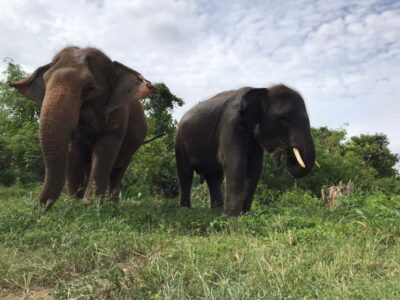
Bangkok: Pattaya Ethical Elephant Sanctuary Day Trip
Read our review →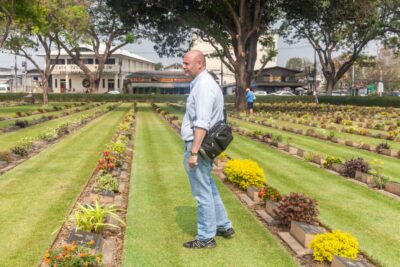
Bangkok: Elephant Sanctuary and Kanchanaburi Tour
Read our review →
Bangkok: Elephant Sanctuary & Erawan Waterfall Tour
Read our review →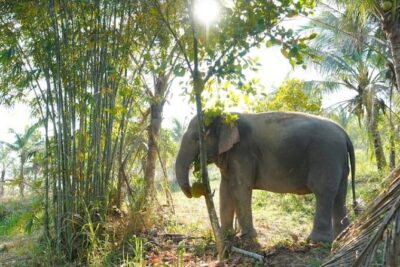
Living Green Elephant Sanctuary Tour from Bangkok and Pattaya
Read our review →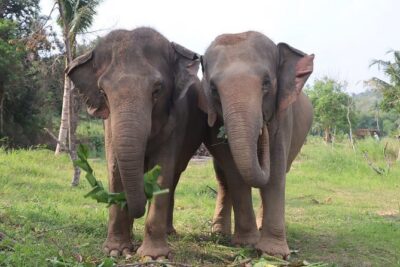
Living Green Elephant Sanctuary Experience near Bangkok & Pattaya
Read our review →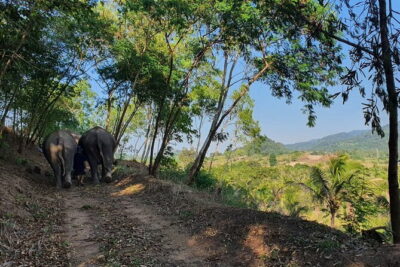

Bangkok to Moo Deng: Private Transfer To Khao Kheow Zoo
Read our review →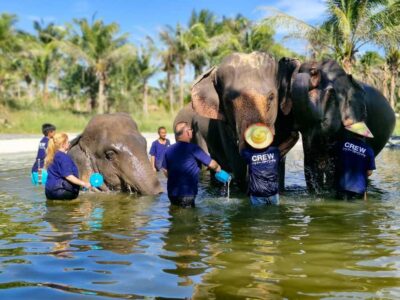
Bangkok: Elephant Sanctuary &Khao Kheow Open Zoo (Moodeng)
Read our review →Browse the lists this tour appears in