
REVIEW · ZOO ENTRY TICKETS
Cochahuasi Animal Sanctuary® Admission Ticket
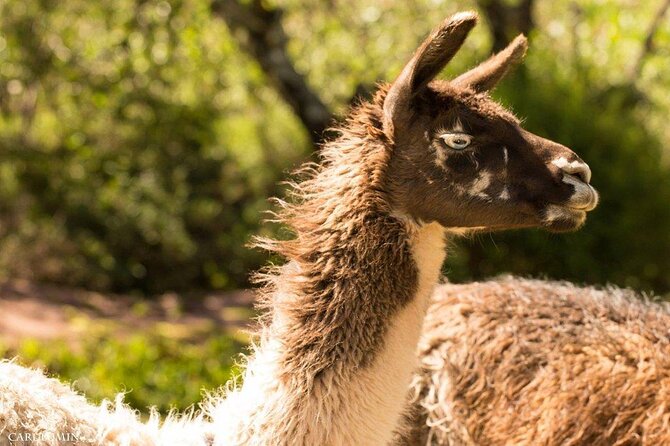
Cochahuasi Animal Sanctuary gives you a close look at rescued Andean wildlife, including condors, pumas, bears, monkeys, llamas, and alpacas. The most moving part is hearing how some animals came from abuse, illegal trafficking, or poor conditions and why certain ones can never return to the wild. I like the small-group setting and the chance to explore with a local guide rather than simply peer at cages without context.
I also like the short, easy-to-add visit from Cusco. A guided walk usually takes 45 minutes, though you can spend up to 90 minutes if you take your time. The main drawback is that the animal enclosures may feel small or poorly maintained to some visitors, so this is best approached as a working rescue center, not a polished modern zoo.
Key points to know before you go
- Rescued Andean animals: See condors, pumas, spectacled bears, monkeys, alpacas, llamas, and other animals in care.
- A guide is included: A local caretaker explains each animal’s background, treatment, and chances of returning to the wild.
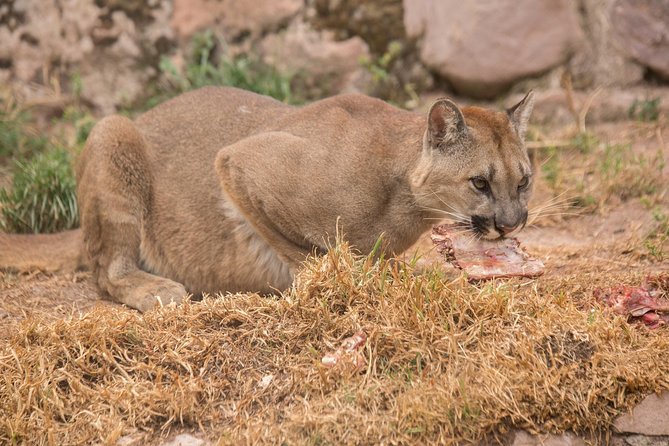
- Some animals have heartbreaking histories: Two pumas were rescued from a Lima nightclub after having their teeth and claws removed, and dentures were made so they could eat meat.
- Allow 45 to 90 minutes: The visit is compact enough for a half-day outing from Cusco.
- Arrange your ride back: The sanctuary is remote, and an Uber or taxi may not be waiting when you finish.
- Good value for wildlife lovers: Admission is listed at $10 per person, with a small maximum group size of 15.
Why Cochahuasi Matters Near Cusco
Cochahuasi is not simply a place to tick off a few South American animals. Its purpose is to care for creatures that were abused, trafficked, abandoned, or made unable to survive on their own.
That distinction matters. Some rescued animals can eventually return to the wild after treatment and rehabilitation. Others have permanent physical or behavioral problems. Human imprinting, serious injuries, and years in captivity can make release unsafe or impossible.
A visit helps you understand that difficult line between rescue and freedom. The sanctuary provides a protected home for animals that would otherwise have little chance of survival, while also trying to rehabilitate those that may be released.
You should set your expectations correctly. This is a rescue facility, not a glossy wildlife park with spacious showpiece habitats and elaborate visitor services. The setting may look basic, and some enclosures can feel small. That can be uncomfortable to see, but the guide’s explanation gives important context about the animals’ earlier lives and current needs.
More Zoo Entry Tickets in the world:
- Amsterdam: ARTIS Amsterdam Royal Zoo Entry Ticket
★ 4.6 · 5,651 reviews - Rotterdam: Rotterdam Zoo Blijdorp Entry Ticket
★ 4.6 · 2,754 reviews - From South Tenerife: Loro Park Zoo Ticket & Hotel Transfers
★ 4.4 · 2,672 reviews
The 45-Minute Walk Through the Sanctuary
Your visit begins with admission and a guided walk through the sanctuary. The local guide is included, and that makes a real difference. Without the explanations, you might see an animal behind fencing and move on. With the guide, you learn what happened to it, how it is being treated, and whether release is possible.
The standard visit takes about 45 minutes. If you stop for questions, spend time watching the animals, or have a little extra interest in the care work, allow closer to 90 minutes.
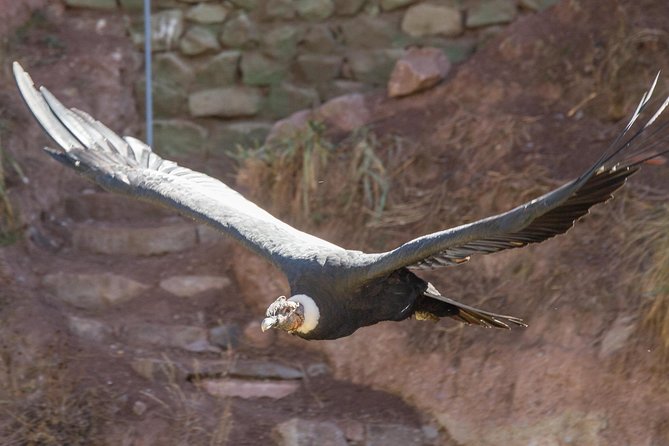
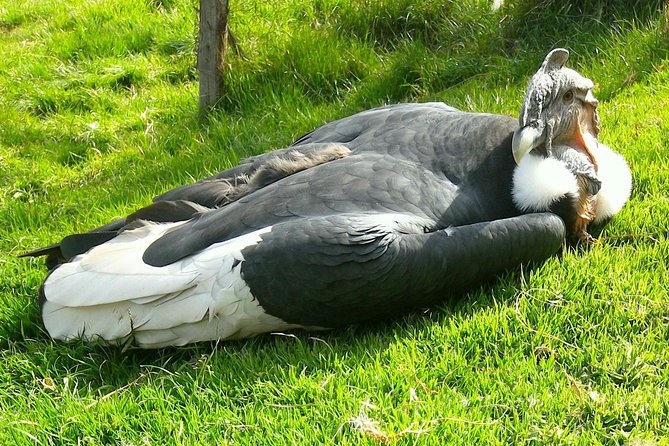
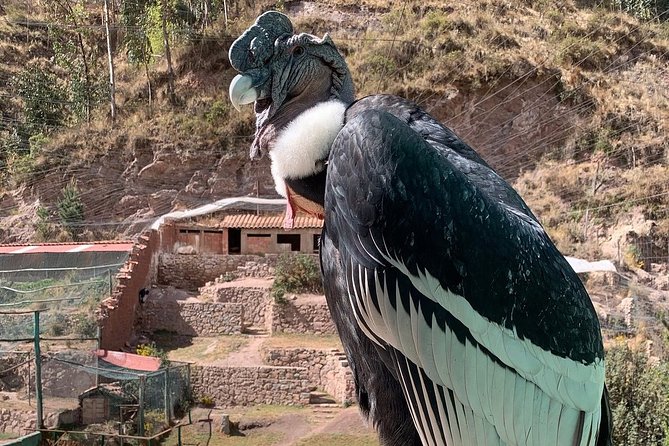
The route includes several kinds of Andean wildlife. Condors are one of the memorable sights, since seeing these large birds at close range gives you a stronger sense of their size and presence than a distant mountain sighting. You may also see pumas, bears, monkeys, llamas, and alpacas.
The experience is strongest when you listen closely to the individual stories. One especially painful example involves two pumas that had been kept in a nightclub in Lima. Their teeth and claws had been removed, leaving them unable to eat normally or defend themselves. The sanctuary arranged dentures so they could eat meat.
That story explains why release is not always the happy ending people imagine. An animal can be rescued and still need lifelong care. In cases like this, permanent protection is kinder and safer than sending an injured animal into the wild.
The Animals You Can Expect to See
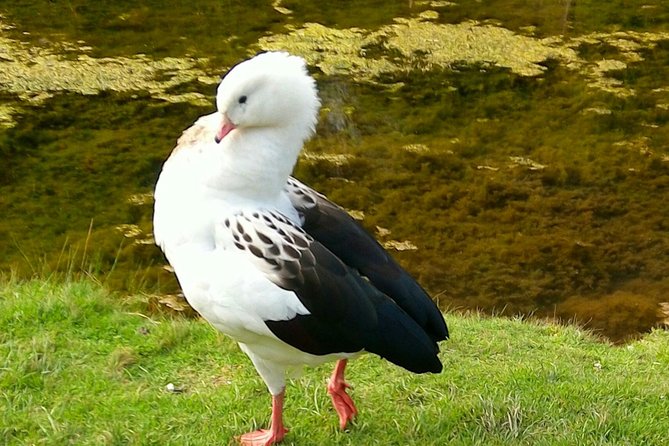
Cochahuasi focuses on animals associated with Peru and the wider Andes. The collection includes pumas, condors, bears, monkeys, llamas, and alpacas, along with other rescued creatures.
The larger animals tend to make the biggest impression, but the visit is not just about seeing a puma or taking a close look at a condor. You are also learning how human actions affect wildlife. Illegal ownership, trafficking, neglect, and attempts to keep wild animals as entertainment can leave lasting damage.
The alpacas may provide the most hands-on moment. A guide may allow you to feed or pet them, which can be a pleasant highlight for families and anyone who enjoys a gentle animal encounter. Keep in mind that any interaction should follow the caretaker’s instructions. The goal is to support the animals, not turn the sanctuary into a petting zoo.
The condors offer a different kind of encounter. Seeing them close up helps you appreciate the care required for large birds that may have been injured or otherwise unable to live independently.
Because the sanctuary is compact, you are unlikely to spend an entire day here. That is useful if your Cusco schedule is tight, but it also means the experience has limited room for long walks, extended observation, or a broad range of visitor facilities.
What the Guide Adds to the Visit
The guide is not an optional extra. It is part of the admission, and it is the best reason to book a guided visit rather than simply arrive and walk around on your own.
The caretaker explains the background of each animal and the work being done to help it. One guide was praised for speaking excellent English, and another visit was led by the owner, who answered questions while walking through the sanctuary. The guide assigned to your visit can vary, but English-language help has been available.
This personal explanation also softens the first impression some people may have. At first glance, the facility can appear basic, with animals kept behind fencing and enclosures that may seem limited. Once the caretaker explains the animals’ former conditions, you see the place less as a display and more as a rescue operation dealing with difficult cases.
I would listen for three things:
- Whether the animal can return to the wild
- What injury, abuse, or human contact prevents release
- How the sanctuary is meeting the animal’s ongoing needs
Those details turn a short visit into a useful lesson in conservation. They also help you judge the facility fairly. You may still wish the enclosures were larger or the grounds better maintained, but you will understand why the sanctuary exists and what it is trying to do.
A few more animal parks around the world worth a look
- Chiang Mai: Elephant Sanctuary, Waterfall & Bamboo Rafting
★ 4.9 · 9,160 reviews - Ubud: Monkey Forest, Jungle Swing, Rice Terrace, and Water Temple
★ 5.0 · 7,160 reviews - Chiang Mai: Elephant Sanctuary & Waterfall Group Tour
★ 4.9 · 5,780 reviews - Ubud: Waterfall, Rice Terraces & Monkey Forest Private Tour
★ 4.9 · 4,894 reviews
A Practical Trip From Cusco
Cochahuasi is roughly 30 minutes from Cusco, making it a manageable half-day outing. The main practical issue is not the visit itself. It is getting there and back.
The sanctuary is remote enough that an Uber may take you there without making it easy to find a return ride. Arrange round-trip transport in advance or ask a taxi driver to wait while you visit. One suggested arrangement cost about 100 soles total for the ride from Cusco and back, though transport prices can vary.
This is the single most useful planning tip for the experience. Do not assume you can finish the visit, open a ride app, and immediately find a car waiting outside.
Booking the admission ahead of time can help you avoid waiting in line. Confirmation is provided at booking, and the maximum group size is 15 people. That limit should keep the guided visit from becoming a large crowd, though the actual feel will depend on how many places are booked for your time.
Children must be accompanied by an adult. You should also expect a moderate level of physical activity, so wear practical shoes and be ready to walk through the sanctuary. Food and drinks are not included, so plan those separately.
Is the $10 Admission Good Value?
At $10 per person, the price is reasonable for a short, guided wildlife visit near Cusco. You are not paying only for a look at animals. Your admission supports a center caring for creatures that often need long-term treatment and protection.
The value depends on what you want. If you want a polished attraction, extensive grounds, and beautifully designed enclosures, you may feel disappointed. If you want to learn about rescued Peruvian wildlife and support a modest conservation effort, the price makes more sense.
There is one price detail to check before arriving. The admission has been listed at $10 online, while one visitor reported paying 20 soles directly at the sanctuary. Currency values change, and booking channels may have different terms, so confirm the current amount when you reserve.
If you feel strongly about the work, an extra donation may be welcome. The sanctuary’s care costs do not end when an animal is rescued, especially for animals that need lifelong housing, special food, or medical treatment.
The Main Concerns: Enclosures and Maintenance
You should not ignore the negative side of this experience. One visitor found the enclosures too small, the grounds poorly maintained, and the conditions troubling enough to feel like a continuation of earlier mistreatment.
That concern deserves a careful response. The sanctuary says its animals were rescued from abuse or illegal trafficking, and some cannot be released because of health or behavior. A cage or fenced enclosure may therefore be necessary for safety. Still, the fact that an animal was rescued does not automatically mean every part of its current setting will meet your personal standard.
I recommend deciding in advance what kind of experience you can accept. You may leave feeling grateful that the animals are safe, or you may find the enclosures hard to watch. Both reactions are understandable.
The guide’s presence is important here. Hearing the history of the two pumas, for example, changes the visit from a simple display into a look at the long-term consequences of exploitation. But the explanations do not erase legitimate concerns about space and upkeep.
Who Will Enjoy This Experience Most?
Cochahuasi is a strong choice for wildlife lovers, families with older children, and anyone who wants a short conservation stop outside Cusco. It also works well for a free afternoon, since the visit takes less than two hours and the drive is about 30 minutes each way.
You will get the most from it if you are interested in individual animal stories and conservation problems. The visit is less suitable if you want a long hike, a large open-range reserve, or a luxury attraction with extensive visitor services.
Families should keep children close and explain that the animals are rescued, not performers. Children can enjoy the alpacas and the variety of species, but the stories of abuse may be upsetting.
This is also a good fit for visitors who prefer small groups. A maximum of 15 people allows more room for questions than a large organized outing. Since a local guide is included, you do not need specialist wildlife knowledge to follow the visit.
Booking, Cancellation, and Timing Tips
Booking in advance can save time at the entrance and gives you confirmation immediately. The experience is often reserved several days before the visit, so it is sensible to arrange it before your Cusco schedule fills up.
You can cancel for a full refund if you do so at least 24 hours before the start time. Cancellations or changes made within 24 hours are not refunded or accepted, and the cut-off follows local time.
Keep your schedule flexible enough for transport. The sanctuary visit may take 45 minutes, but questions and animal encounters can stretch it toward 90 minutes. Add the drive from Cusco and a possible wait for your driver.
Bring water for yourself, since food and drinks are not included. Most important, arrange your return ride before you set out.
Should You Book Cochahuasi Animal Sanctuary?
Book it if you want a compact, guided look at rescued Andean animals and you are comfortable visiting a basic working sanctuary. The strongest parts are the personal animal stories, the close view of condors and pumas, the alpaca interaction when offered, and the chance to support long-term rescue care.
Think twice if small enclosures or rough maintenance will ruin the experience for you. This is not a polished zoo, and the conditions may raise hard questions.
For most wildlife-minded visitors, I would consider Cochahuasi worthwhile, especially with round-trip transport arranged in advance. Go for the conservation lesson and the animals’ stories, not for a perfect facility.
FAQ
How long does a visit to Cochahuasi Animal Sanctuary take?
The visit takes approximately 45 minutes to 1 hour and 30 minutes, depending on how much time you spend listening, asking questions, and observing the animals.
How much does admission cost?
The listed price is $10 per person. One visitor reported paying 20 soles at the sanctuary, so confirm the current price when booking.
Is a guide included?
Yes. Admission includes a local guide who explains the animals’ histories, care, and conservation work.
What animals can I see?
The sanctuary houses rescued animals including pumas, condors, bears, monkeys, llamas, and alpacas.
Can children visit?
Yes, but children must be accompanied by an adult.
Is the sanctuary suitable for all fitness levels?
Visitors should have a moderate level of physical fitness. The visit involves walking through the sanctuary.
Are food and drinks included?
No. Food and drinks are not included in the admission.
How many people can join the experience?
The maximum group size is 15 people.
Can I cancel for a refund?
Yes. You can receive a full refund if you cancel at least 24 hours before the experience start time. Cancellations within 24 hours are not refunded.
Just added around the world
- Zen In The Zoo★ 5.0 · 2 reviews
- ZANZIBAR: Jozani Forest, butterfly center & Reptile park★ 4.7 · 3 reviews
- Wuppertal: Admission to the Green Zoo Wuppertal★ 4.6 · 7 reviews
- Zanzibar: Jozani Monkeys, Butterfly Garden & Reptile Park★ 5.0 · 2 reviews
- Monkey Forest, Waterfall ,Temple and Rice Terrace★ 4.9 · 26 reviews
- Ubud :Monkey forest, Water Temple and waterfall Private Tour★ 5.0 · 2 reviews
- Wings Wildlife Park Burnie Shore Excursion★ 4.2 · 13 reviews
- Warsaw Zoo Skip-the-Line Entry Ticket with Private Transport★ 4.8 · 3 reviews
Zoo Entry Tickets, compared.
Amsterdam: ARTIS Amsterdam Royal Zoo Entry Ticket
Read our review →
Rotterdam: Rotterdam Zoo Blijdorp Entry Ticket
Read our review →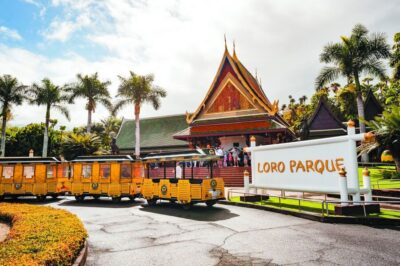
South Tenerife: Loro Park Zoo Ticket & Hotel Transfers
Read our review →


Browse the lists this tour appears in