REVIEW · CHIANG MAI
Chiang Mai: Ethical Half Day Elephant Sanctuary & Waterfall
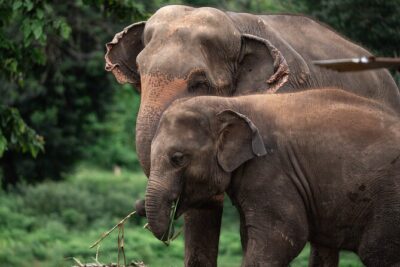
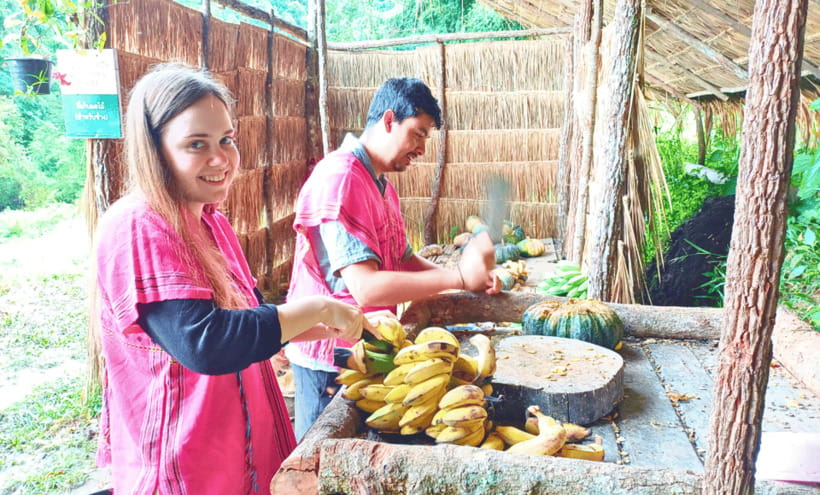
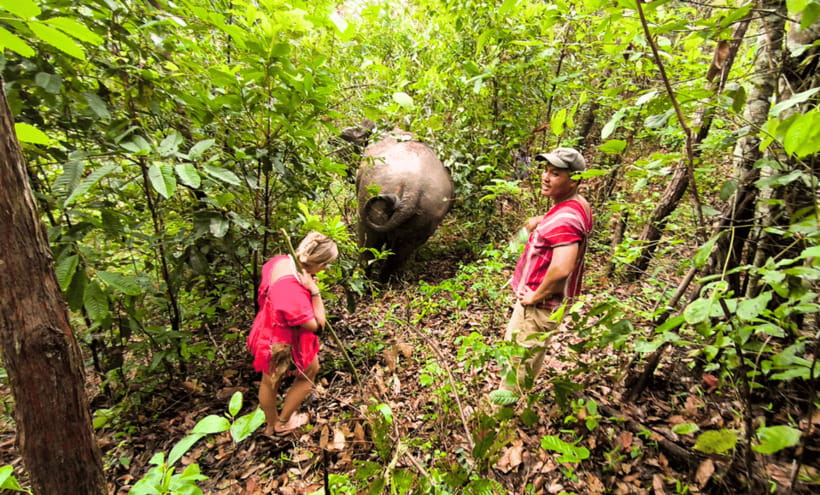
The best part of this Chiang Mai day is simple: the elephants set the pace. You help prepare and feed them, then walk beside the herd as they forage, pull at roots, and move through the jungle. You are close enough to see their behavior, but you are not asked to touch, ride, or bathe them.
I like the firm animal-welfare rules and the quiet time spent watching elephants do ordinary elephant things. I also like the useful mix of activities: a waterfall break, Pad Thai and fruit, tea, and a small Thai herbal inhaler to make and take home.
The main drawback is the road time. You spend about three hours in vans for roughly three hours at the sanctuary, and parts of the route can feel rough. If you want a quick animal encounter or have trouble walking on uneven ground, this may not be your best fit.
Key points at a glance
- No riding, touching, or elephant bathing: The focus is feeding and observation at a respectful distance.
- Mae Wang setting: The sanctuary is about 1.5 hours from Chiang Mai by minivan, with mountain and countryside views along the way.
- Elephant-led jungle walk: You follow the herd as it grazes and forages rather than making the animals perform.
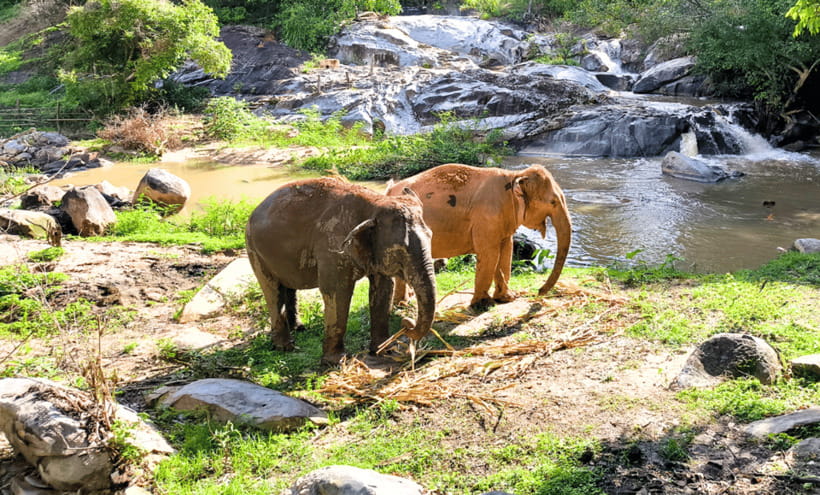
- Waterfall stop: You can cool off by the water, and swimwear is worth packing. The elephants are not bathed with visitors.
- Lunch and local craft: The day includes water, food, tea, and a handmade Thai herbal inhaler.
- Good value at $54: Pickup, guide, food, elephant feed, insurance, and the full-day transport are included.
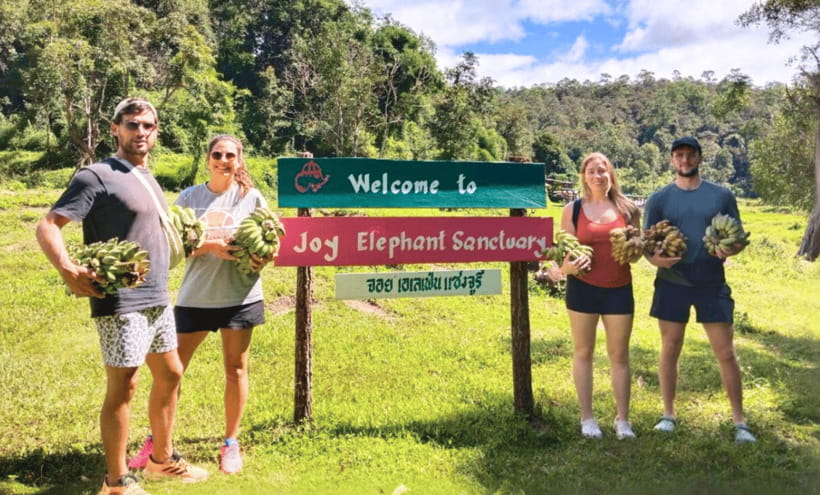
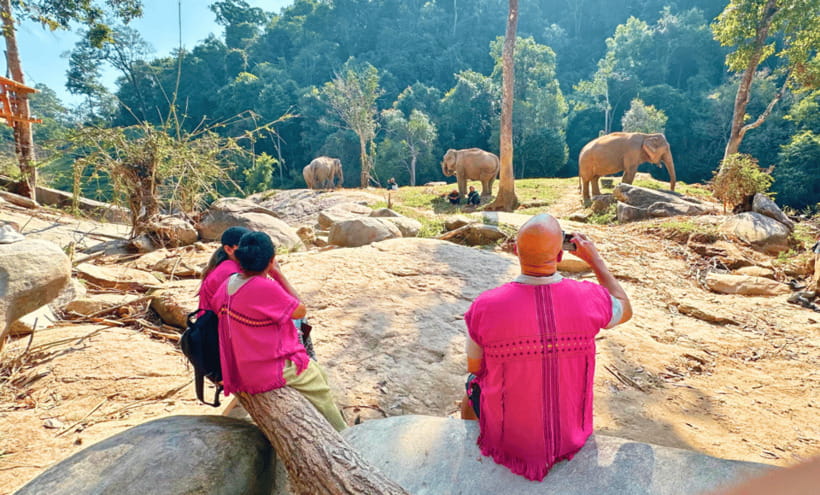
Joy Elephant Sanctuary offers the kind of elephant encounter I prefer: you observe more than you handle. The schedule gives you time to feed the elephants and watch them in the forest, but it does not turn them into props for photographs.
That difference matters. Many elephant activities are built around touching, bathing, or riding. Here, the rules are stricter. You keep your distance, follow the guide, and let the elephants decide where they go. The result is less theatrical, but far more useful if your aim is to see natural behavior.
At $54 per person, this is also a practical package. Your fee covers hotel pickup and return, an English-speaking guide, lunch, drinking water, elephant food, insurance, and a towel. The long drive is the tradeoff, but you are not paying extra for each part of the day.
The 1.5-hour ride to Mae Wang
Pickup is available from accommodation within 5 kilometers of Chiang Mai’s Old City. From there, the minivan heads toward Mae Wang District, about 1.5 hours away each way.
I would treat the drive as part of the outing, not a minor transfer. You leave the city behind and see more of Chiang Mai Province along the way. Some people find the final road bumpy, especially if a four-wheel-drive vehicle is used for part of the route, so motion-sensitive passengers should plan ahead.
The long transfer raises an obvious question: is three hours in the vehicle worth it for three hours at the sanctuary? For most people who care about responsible elephant tourism, I think it is. The setting is away from the city, and the time with the animals feels calmer because the program is not packed with staged activities.
Still, eat something before pickup, especially if you book an early session. Lunch comes after the main elephant activities, and the timing may feel late if you start the day hungry. A stop for coffee or snacks may happen, but you should not rely on it.
More Elephant Sanctuaries in Chiang Mai
- Chiang Mai: Elephant Sanctuary, Waterfall & Bamboo Rafting
★ 4.9 · 9,160 reviews - Chiang Mai: Elephant Sanctuary & Waterfall Group Tour
★ 4.9 · 5,780 reviews - Chiang Mai: Elephant Sanctuary Feeding Program Half-Day Tour
★ 4.8 · 4,527 reviews
Meeting the elephants without touching them
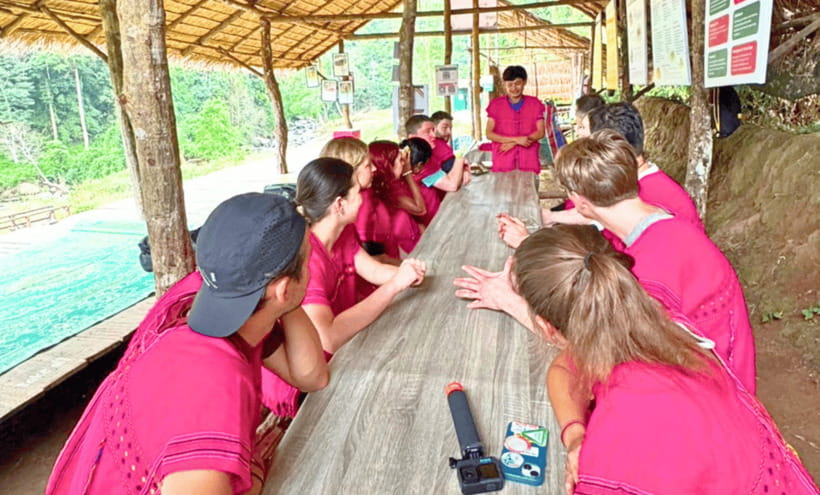
At the sanctuary, the team explains the safety rules and the purpose of the program. You learn how the elephants are cared for, then take part in preparing and offering their food.
Feeding is the closest hands-on part of the day, but it is still controlled. You may offer fruit and watch the elephants respond, while keeping the distance required by the sanctuary. You do not pet them, climb on them, or pose for contact photographs.
That may disappoint anyone hoping for a traditional elephant camp experience. I see it as a strength. An elephant is not a large domestic animal waiting for human attention. Keeping contact limited respects the animal and reduces the pressure to perform.
The guides also explain the elephants’ past treatment and the reasons for the sanctuary’s rules. The English-speaking team is described as friendly, clear, and good at answering questions. Their role is important here because ethical tourism is not only about removing bad activities. It is also about helping you understand what you are seeing.
Following the herd through the jungle
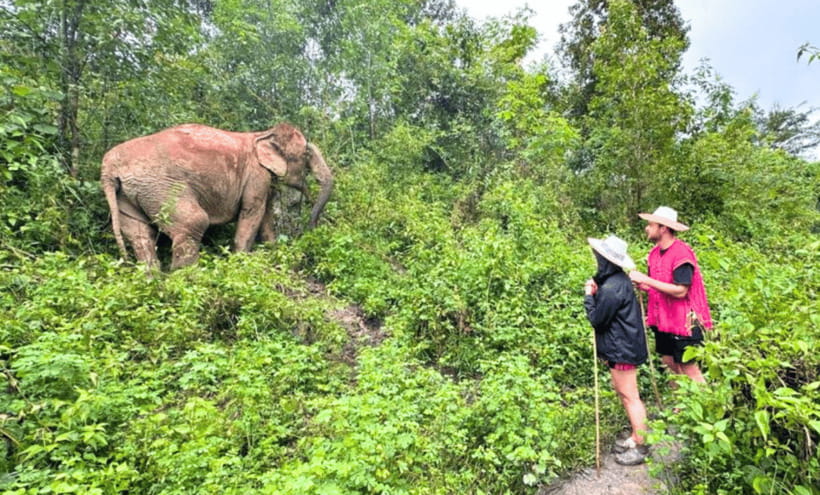
After feeding, you walk with the elephants as they move into the jungle. The route is not described as a long trek, but it does include hills, forest paths, and uneven ground. You should bring comfortable shoes and expect a slower pace.
The key idea is that you follow the elephants, not the other way around. If they stop to graze, you stop too. If they move on, the group moves with them. This creates the most memorable part of the experience because you get to watch ordinary behavior: eating, wandering, pulling at roots, and choosing a route through the trees.
One especially vivid account described an older elephant pulling an entire tree from the ground. You might see similarly forceful feeding behavior, but wildlife is unpredictable. The sanctuary cannot promise a particular action, pose, or close-up view.
Your guide will help manage the distance and keep the walk safe. The rules may feel strict at first, especially if you are used to animal encounters built around touching. Once you watch the herd settle into its own routine, the restraint makes sense.
A waterfall break, with a clear boundary
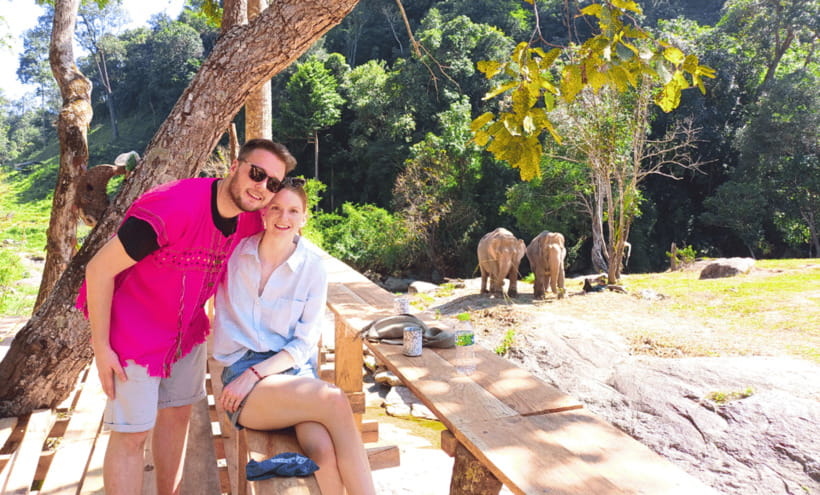
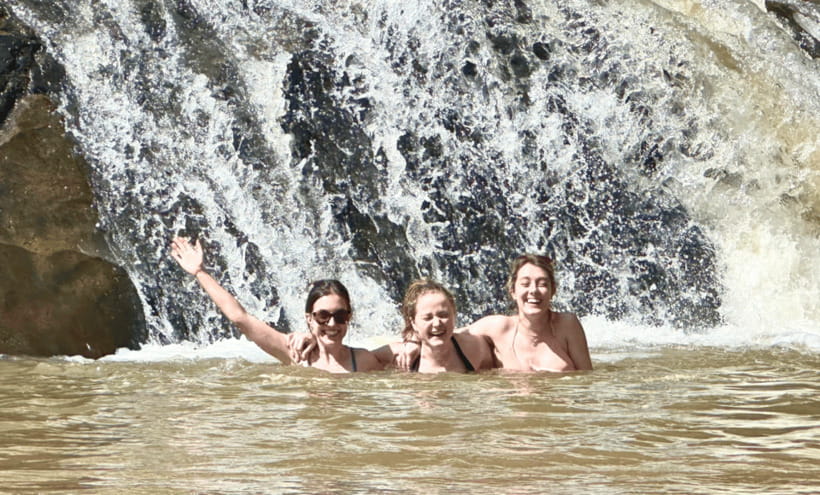
The waterfall stop gives the day a change of pace. You can sit near the water, have tea, and, depending on conditions and your comfort, cool off or swim. Bring swimwear, sandals, a towel, and a change of clothes if you plan to get in.
The important point is that this is not an elephant bathing session. The elephants are not washed or made to swim with you. Some accounts describe observing them at a distance near the water, but the program’s stated approach is observation rather than shared bathing.
Do not picture a huge cascade or a resort-style swimming hole. The waterfall is a natural stop in the Mae Wang area, and its size and water conditions may vary. One practical assessment found it smaller than expected, though still pleasant for a break.
I like this part because it gives you time to cool down after the walk without asking the elephants to provide another activity. If the water is not appealing on the day, you can simply rest, take in the forest setting, and watch from the bank.
More Wildlife and Waterfall Day Trips in Chiang Mai
- Chiang Mai: Elephant Sanctuary, Long Neck & Sticky Waterfall
★ 4.9 · 2,262 reviews - Chiang Mai Elephant Sanctuary, Bamboo Rafting and Waterfall Tour
★ 5.0 · 870 reviews - Chiang Mai Half Day Elephant Sanctuary Observation and Waterfall
★ 5.0 · 88 reviews - Experience Elephant Sanctuary + Sticky Waterfall
★ 5.0 · 84 reviews
Pad Thai, fruit, tea, and a useful souvenir
Food is served after the main elephant walk, with Pad Thai and fresh fruit mentioned repeatedly in the experience details. Vegetarian Pad Thai is available according to the supplied information, and water is included.
The meal is not the reason to book, but it adds real value to a remote day trip. You do not need to arrange lunch separately, and eating near the waterfall makes the schedule feel complete. If you need a particular diet or have allergies, ask before booking and carry your own allergy medication as advised.
Tea is also part of the pause, often described as herbal or green tea. The final activity is a Thai cultural craft, usually a small herbal inhaler known as Ya Dom. You mix or prepare local herbs and leave with a lightweight souvenir rather than another generic elephant trinket.
This is a nice touch. It connects the afternoon to Thai daily life and gives you something practical to take home. It also slows the end of the program, so the day does not finish the moment you leave the animals.
What $54 includes, and what it does not
At $54, the price is fair for a seven-hour outing from Chiang Mai. The cost includes round-trip transport, a live English-speaking guide, lunch, water, elephant food, insurance, and a towel. You are also paying for a remote setting and a program with a clear no-riding policy.
The best value comes from the combination. A simple elephant feeding visit might cost less, but it would not necessarily include the long transfer, forest observation, waterfall stop, meal, and craft activity. Here, the program fills most of a day without requiring you to organize separate transport or meals.
The cost does not include personal snacks, special drinks, or anything you choose to buy independently. Bring sunscreen and insect repellent, since you will spend time outdoors. Comfortable shoes matter more than stylish ones, and sandals are useful around the water.
The schedule is listed as seven hours, including about three hours of guided activity, 30 minutes for lunch, and roughly three hours of driving. That is a full day, even though the sanctuary portion is described as half-day. Afternoon departures are available, which may suit you if you prefer a slower morning, but an early start can leave more time for the rest of your evening.
Who will enjoy this experience most
I would choose Joy Elephant Sanctuary if you want to see elephants without supporting riding, forced bathing, or constant physical contact. It suits people who value animal welfare and are happy to watch rather than control the experience.
It is also a good choice for families with older children, couples, solo visitors, and anyone who wants a countryside outing alongside the elephant program. The craft activity and waterfall break give the day variety, which helps if you are not interested in spending every minute focused on animals.
You should think twice if you use a wheelchair, since the activity is not suitable for wheelchair users. The jungle walk may also be tiring for anyone with limited mobility, although one account noted that staff helped a participant who found the walk difficult.
This is not a polished luxury excursion. The road can shake, the waterfall may be modest, and the animals will not pose on command. Its appeal is the opposite: the day feels more grounded because you accept the limits of an animal-led program.
Practical packing advice for the jungle and water
Bring comfortable walking shoes, sandals, swimwear, a change of clothes, sunscreen, insect repellent, and any allergy medication you need. A small bag that can handle water and dirt will be more useful than a large suitcase.
You receive water and a towel, but I would still bring a refillable bottle if you use one. Pack a snack for the drive or eat before pickup, particularly for the afternoon meal schedule.
Pets and explosive substances are not allowed. The experience is not accessible for wheelchair users. Pickup is limited to accommodation within 5 kilometers of Chiang Mai’s Old City, so check that your hotel falls inside the service area before you count on the included transfer.
You can cancel up to 24 hours in advance for a full refund, and the reserve-now, pay-later option keeps your plans flexible. Starting times vary, so check the available morning and afternoon departures before choosing.
Should you book Joy Elephant Sanctuary?
Book this tour if you want quiet observation over staged contact. The strongest part is the chance to see elephants feed and move through the jungle without riding, touching, or bathing them. The guides, animal-care explanations, waterfall break, meal, and herbal inhaler make the $54 price sensible.
Skip it if three hours of road travel sounds unbearable, if you need wheelchair access, or if your main goal is to swim with elephants or touch them. Those activities are specifically outside the program.
For most people seeking a responsible elephant experience near Chiang Mai, I would choose the morning or afternoon session that fits your energy and meal needs, bring proper shoes, and accept the road as the price of reaching Mae Wang. The reward is a slower, more respectful look at elephants living on their own terms.
FAQ
Where is Joy Elephant Sanctuary located?
Joy Elephant Sanctuary is in Mae Wang District in Chiang Mai Province. The trip takes about 1.5 hours by van from Chiang Mai each way.
How long does the experience last?
The full activity lasts seven hours, including transportation from Chiang Mai, about three hours of guided sanctuary activities, a 30-minute meal stop, and the return journey.
What elephant activities are included?
You can help prepare food, feed the elephants, learn about their behavior, and walk alongside them while they forage in the jungle.
Can I touch, ride, or bathe the elephants?
No. The program does not include riding, touching, or bathing the elephants. You observe them and feed them while following the sanctuary’s distance and safety rules.
Can I swim at the waterfall?
Swimwear is recommended, and the waterfall area may be used for swimming or cooling off. The elephants are not bathed with visitors.
Is lunch included?
Yes. Lunch, fruit, and water are included. Pad Thai is provided, with vegetarian Pad Thai mentioned in the activity details.
What should I bring?
Bring comfortable shoes, swimwear, a change of clothes, sandals, sunscreen, insect repellent, and any allergy medication you need.
Is hotel pickup included?
Yes. Round-trip pickup and drop-off are included for accommodation within a 5-kilometer radius of Chiang Mai’s Old City.
More Wildlife and Waterfall Day Trips in Thailand
- Elephant Sanctuary, Wat Ban Den & Sticky Waterfall
★ 5.0 · 66 reviews - Chiang Mai: Inthanon, Ethical Elephant Sanctuary & Waterfall
★ 4.8 · 41 reviews - Chiang Mai: Inthanon, Elephant Sanctuary Observation & Waterfall
★ 5.0 · 33 reviews - ChiangMai 1DayTour:Elephant Sanctuary,king&queen pagoda,waterfall
★ 5.0 · 23 reviews
Just added around Chiang Mai
- Inthanon Heaven Trail(Living Green Elephant Sanctuary)★ 5.0 · 52 reviews
- Elephant Sanctuary + Waterfall + Bamboo Rafting One Day Trip★ 4.5 · 22 reviews
- Chiang Mai Zipline White Water Rafting and Elephant Sanctuary★ 4.0 · 11 reviews
- Chiang Mai Half Day Tour: Doi Inthanon Elephant Sanctuary★ 4.5 · 22 reviews
- Chiang Mai Elephant Sanctuary and Temples Tour in Spanish★ 5.0 · 5 reviews
- ChiangMai 1DayTour:Elephant Sanctuary,king&queen pagoda,waterfall★ 5.0 · 23 reviews
- Chiang Mai Elephant Sanctuary and Sticky Waterfall Day Tour★ 3.0 · 2 reviews
- Chiang Mai ATV White Water Rafting and Elephant Sanctuary Full-Day Trip★ 4.5 · 8 reviews
Chiang Mai Zoos, compared.
Chiang Mai: Elephant Sanctuary, Waterfall & Bamboo Rafting
Read our review →
Chiang Mai: Elephant Sanctuary & Waterfall Group Tour
Read our review →
Chiang Mai: Elephant Sanctuary Feeding Program Half-Day Tour
Read our review →
Chiang Mai: Elephant Sanctuary, Long Neck & Sticky Waterfall
Read our review →
Chiang Mai: Small Group Ethical Elephant Sanctuary Tour
Read our review →
Chiang Mai: Doi Inthanon and Elephant Sanctuary Tour
Read our review →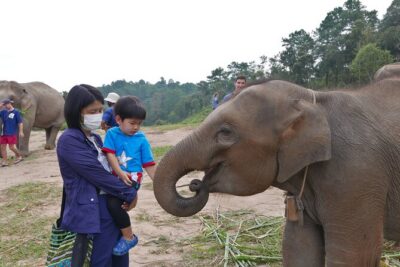
3-in-1: Doi Inthanon Tour, Elephant Sanctuary, and Trekking Trail
Read our review →