

REVIEW · ZOOS AND WILDLIFE PARKS
Barranquilla Zoo Access Ticket
Barranquilla Zoo gives you a simple way to meet Colombian Caribbean wildlife without committing to a full-day tour or a packed group schedule. The grounds are calm, leafy, and organized around animal habitats that represent ecosystems and regions, so you get both a pleasant walk and a basic lesson in biodiversity.
I like the chance to see native Caribbean species while also learning how conservation programs work. I also like the shaded, green setting, with more than 60 tree species and 80 ornamental plants. The main consideration is that the ticket covers entry only, while food, drinks, and extras such as the Live Museum and Exotic Aviary cost more or are not included.
Key points to know before you go

- Nearly 800 animals: The zoo houses animals from about 130 native and exotic species.
- A calm, leafy visit: Plants provide plenty of shade, which matters in warm Caribbean weather.
- Wildlife with a local focus: You can learn about species from Colombia’s Caribbean region as well as animals from elsewhere.
- Free guided tour option: A guided tour is not included in the ticket package, but the zoo offers a free tour on site.
- Good value at $11: The ticket is useful for a flexible family outing, especially if you plan to spend time exploring at your own pace.
- Wheelchair accessible: The venue is listed as accessible for wheelchair users.
Why Barranquilla Zoo is worth your time
The main appeal here is variety without a complicated schedule. You pay for entry, walk through the grounds, and decide how long to spend at each habitat. That suits you if you prefer to stop when an animal is active, move on when a viewing area is quiet, and avoid being tied to a guide for the entire visit.
The zoo opened in 1953 and is managed by the Botanical and Zoological Foundation of Barranquilla, which has overseen it since 1993. That long history gives the place a clear educational purpose. It is not simply a collection of cages to pass in a hurry. The habitats are arranged to represent ecosystems or geographic regions, helping you connect individual animals with the environments they depend on.
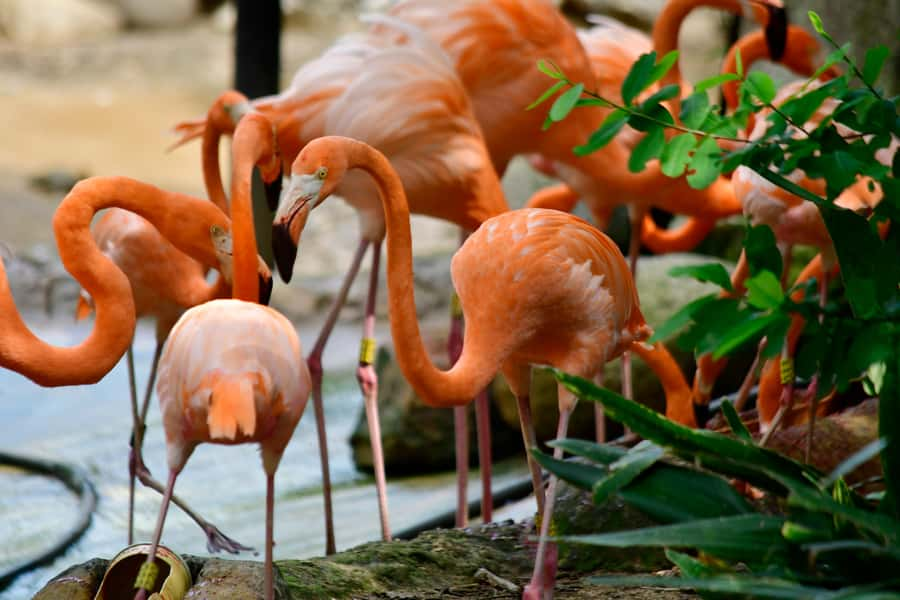
This matters most when you are visiting with children. A child may first notice the monkey climbing or the flamingos gathering together, but the setting gives you a chance to explain why habitat protection matters. The zoo receives more than 200,000 visitors each year, and ticket income helps support conservation programs and projects.
A few more animal parks around the world worth a look
- Chiang Mai: Elephant Sanctuary, Waterfall & Bamboo Rafting
★ 4.9 · 9,160 reviews - Ubud: Monkey Forest, Jungle Swing, Rice Terrace, and Water Temple
★ 5.0 · 7,160 reviews - Chiang Mai: Elephant Sanctuary & Waterfall Group Tour
★ 4.9 · 5,780 reviews
Entering a green zoo with Caribbean character
The grounds are one of the better parts of the experience. More than 60 species of trees and 80 ornamental plant species create a green setting, with plenty of shade along the paths. In a warm city, that is not a small detail. You can take your time without standing in full sun at every enclosure.
The setting also makes the visit feel less rushed. A quiet day can be especially pleasant, since you have more room to pause and watch. One useful practical point is that the zoo can be reached by Uber, while buses pass directly in front and may offer a cheaper option. You should confirm your preferred route before setting out, but public transport is worth checking if you are watching your budget.
The ticket is designed for one day, and you should treat that as a flexible window rather than a fixed tour with a strict start. Availability may show starting times when you book, so check the details for your chosen date. You are not buying a guided excursion with a packed timetable. You are buying access to explore on your own.
Meeting native species from Colombia’s Caribbean region

The zoo’s strongest educational angle is its attention to local wildlife. Colombia has an extraordinary range of habitats, and the Caribbean region has its own animals, plants, and environmental pressures. Seeing these species in one place gives you an easier introduction than trying to identify them in the wild without help.
You can expect information about animal behavior and conservation as you move around the habitats. The exact order of your visit is up to you, but the layout is meant to connect animals with geographic areas or ecosystem types. That gives the outing more meaning than a simple checklist of species.
The collection includes nearly 800 animals from 130 native and exotic species. You might find large mammals, birds, reptiles, primates, and felines as you go. A visit can include an elephant, tiger, puma, monkeys, baboons, and flamingos, though animal activity changes throughout the day.
That last point is worth keeping in mind. Animals do not perform on demand. Some may be sleeping or resting when you arrive, while others may be lively and easy to watch. A quiet animal is not necessarily a sign of poor care. In fact, calm behavior can be normal, especially during warm parts of the day.
What you might see along the paths
The animal encounters provide a good mix of scale and behavior. Large animals such as an elephant give you an immediate sense of size and strength, while the felines offer a different kind of interest. Tigers and pumas can be less active at certain times, but their presence alone makes these habitats a memorable stop.
The monkeys may provide more action. You might see small monkeys moving quickly or larger baboons displaying their social behavior. These are often the animals that keep children watching longest because there is usually more movement and interaction.
The flamingos add a quieter visual pause. Their color and group behavior make them easy to spot, and they can give you a welcome break after busier animal areas. I would not plan the whole visit around seeing every animal active, though. The best approach is to give yourself time, return to a favorite area if the grounds are not crowded, and accept that some animals will be resting.
The grounds have been described as calm and clean, with animals appearing well cared for. You should still judge each habitat for yourself, but cleanliness and shade make a real difference to the quality of a zoo visit. They also make the experience easier for families and anyone who does not want a long, tiring walk in direct sun.
Same place, a different set of animals:
- Amsterdam: ARTIS Amsterdam Royal Zoo Entry Ticket
★ 4.6 · 5,651 reviews - Ubud: Waterfall, Rice Terraces & Monkey Forest Private Tour
★ 4.9 · 4,894 reviews - Dubai: Aquarium and Underwater Zoo Experience
★ 4.2 · 4,872 reviews - Chiang Mai: Elephant Sanctuary Feeding Program Half-Day Tour
★ 4.8 · 4,527 reviews
A free guided tour, with extra activities separate
The entry ticket includes admission to the zoo, but not a paid guided package. The zoo offers a free guided tour on site, so ask about it when you arrive if you want more explanation than the habitat signs provide.
This is a useful option for first-time visitors who want context about the animals, the local environment, and the conservation work. It may also help you make better use of your time, especially if you have only part of the day. Since the supplied information does not give a fixed tour schedule, check at the entrance rather than assuming a tour will begin at a particular hour.
Several additional activities are not part of the ticket. These include the Live Museum, Exotic Aviary, and Nutrifarm. You should see these as optional add-ons, not missing parts of the basic admission. The $11 price is for zoo entry, and you can decide on the day if you want to spend more.
That separation is helpful if your group has mixed interests. One person can focus on the main habitats while another decides if an extra activity is worth the additional cost. It also prevents you from paying for features you may not have time to use.
Is the $11 ticket good value?
At $11 per person, the ticket offers fair value for a flexible day visit. You are paying for access to a sizable collection, shaded grounds, local wildlife education, and conservation support. If you take your time and use the free guided tour, the price becomes easier to justify.
The value depends on your expectations. If you want an intense, guide-led wildlife encounter with guaranteed animal activity, this is not that kind of experience. It is a city zoo visit, and animals may sleep, hide, or remain still. If you want a relaxed place to learn about animals and spend several hours outdoors, the price is more attractive.
Food and drinks are not included, and food and beverages are not allowed inside. Plan accordingly and follow the venue rules rather than trying to carry snacks through the entrance. Complementary activities are also separate, so set a spending limit before you arrive if you are visiting with children.
The booking terms add some useful flexibility. You can reserve now and pay later, and cancellation is free up to 24 hours before the visit for a full refund. That can help if your schedule in Colombia is changing, though you should still check the exact availability and time shown for your booking.
Who will enjoy this zoo most?

I would recommend Barranquilla Zoo to families, couples, solo visitors, and anyone who wants a low-pressure wildlife outing. Children get plenty to look at, while adults can focus on native species, plant life, and the conservation message.
It is also a practical choice for people who want to avoid a long organized tour. You can arrive by Uber or check the bus service that passes in front of the zoo, enter with a skip-the-ticket-line booking, and explore at your own speed.
The visit may suit wheelchair users because the zoo is listed as wheelchair accessible. You should still confirm any specific mobility needs before arrival, since general accessibility information does not describe every path or habitat area.
I would be less enthusiastic if your main goal is a highly active wildlife experience. Some animals may be resting, and the ticket does not include special animal encounters or the extra activities. The zoo works best when you treat it as an educational city attraction, not a safari.
Practical rules that affect your visit
The entry rules are strict and worth reading before you go. Pets, weapons, sharp objects, oversized luggage, drones, bikes, scooters, skateboards, skates, and fireworks are not allowed. Smoking, vaping, alcohol, drugs, and intoxication are also prohibited.
Food and drinks are not allowed inside, and you should not bring explosives or other dangerous substances. Nudity, bare feet, and riding the animals are prohibited as well. Unaccompanied minors are not permitted, so children need to visit with a responsible adult.
These rules protect the animals, staff, and other people in the zoo. They also tell you what kind of outing this is: a controlled conservation and education space, not a casual picnic area. Dress for a warm walk, wear proper footwear, and plan your visit around the fact that you cannot bring snacks or drinks through the entrance.
How to make the most of your day
Start by checking the available time shown for your date. Since the ticket is valid for one day, you have room to explore rather than rush from one habitat to the next. If you want the free guided tour, ask about it early so you can fit the rest of your visit around it.
Use the shaded areas as natural pauses. The plant collection is part of the experience, not just decoration, and it gives you a chance to cool down while still learning about the zoo’s setting. If an animal is resting, move on and return later instead of waiting too long at one enclosure.
Keep the extra activities in mind, but do not assume they are included. The Live Museum, Exotic Aviary, and Nutrifarm are separate from the entry ticket. If your group has limited time or money, the main zoo areas provide the core experience.
Most of all, slow down. The strongest moments may come from watching a monkey’s behavior, seeing flamingos together, or noticing how a habitat is organized around a region. You will get more from the visit if you pay attention to the connection between animals, plants, and conservation rather than simply counting species.
Should you book Barranquilla Zoo?
Book it if you want an affordable, flexible outing with native Colombian wildlife, shaded paths, and a clear conservation purpose. The $11 entry price is reasonable for a one-day visit, especially if you make use of the free guided tour and take time with the nearly 800 animals.
Think twice if you want guaranteed close animal activity, included food, or a full package of special attractions. The zoo is calm and sometimes quiet, and the extra activities are not included. For families, plant lovers, and visitors who prefer to explore without a fixed tour, it is a sensible choice.
FAQ
Where is Barranquilla Zoo located?
The activity information lists the location as Magdalena, Colombia. The experience is provided by Zoológico de Barranquilla.
How much does admission cost?
The listed price is $11 per person.
How long is the ticket valid?
The ticket is valid for one day. Check availability for the starting times offered on your chosen date.
What does the ticket include?
The ticket includes entry to Barranquilla Zoo.
Is a guided tour included?
A guided tour is not included with the ticket package, but a free guided tour is available at the zoo.
Are food and drinks included?
No. Food and beverages are not included, and food and drinks are not allowed inside the zoo.
Are the Live Museum, Exotic Aviary, and Nutrifarm included?
No. These complementary activities are not included with the entry ticket.
Is the zoo wheelchair accessible?
Yes. The activity information lists Barranquilla Zoo as wheelchair accessible.
Just added around the world
- Zen In The Zoo★ 5.0 · 2 reviews
- ZANZIBAR: Jozani Forest, butterfly center & Reptile park★ 4.7 · 3 reviews
- Wuppertal: Admission to the Green Zoo Wuppertal★ 4.6 · 7 reviews
- Zanzibar: Jozani Monkeys, Butterfly Garden & Reptile Park★ 5.0 · 2 reviews
- Monkey Forest, Waterfall ,Temple and Rice Terrace★ 4.9 · 26 reviews
- Ubud :Monkey forest, Water Temple and waterfall Private Tour★ 5.0 · 2 reviews
- Wings Wildlife Park Burnie Shore Excursion★ 4.2 · 13 reviews
- Warsaw Zoo Skip-the-Line Entry Ticket with Private Transport★ 4.8 · 3 reviews
Zoos and Wildlife Parks, compared.

Chiang Mai: Elephant Sanctuary, Waterfall & Bamboo Rafting
Read our review →
Ubud: Monkey Forest, Jungle Swing, Rice Terrace, and Water Temple
Read our review →
Chiang Mai: Elephant Sanctuary & Waterfall Group Tour
Read our review →
Amsterdam: ARTIS Amsterdam Royal Zoo Entry Ticket
Read our review →
Ubud: Waterfall, Rice Terraces & Monkey Forest Private Tour
Read our review →
Dubai: Aquarium and Underwater Zoo Experience
Read our review →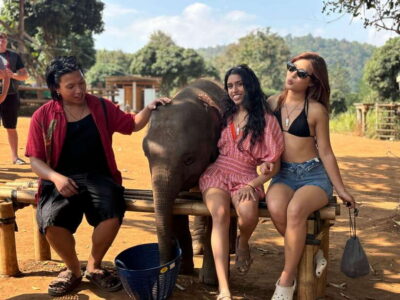
Chiang Mai: Elephant Sanctuary Feeding Program Half-Day Tour
Read our review →