

REVIEW · GERMANY
Stuttgart: Wilhelma Zoological-Botanical Garden Ticket
Stuttgart’s Wilhelma is not just a zoo. It is a zoological-botanical garden set among Moorish buildings, subtropical plant houses, and themed animal habitats. I like the unusual mix of wildlife and flowers, and I especially like the chance to see koalas and Europe’s only quokkas at Terra Australis. The main drawback is time: an afternoon is not enough for the full site.
I also appreciate that every standard ticket includes a €1 conservation contribution, so your admission helps wildlife projects beyond Stuttgart. Plan on at least three or four hours, and use the routed map to keep your visit organized. If you want the gardens, aquarium, and animal exhibits without rushing, give Wilhelma most of a day.
Key points to know before you go
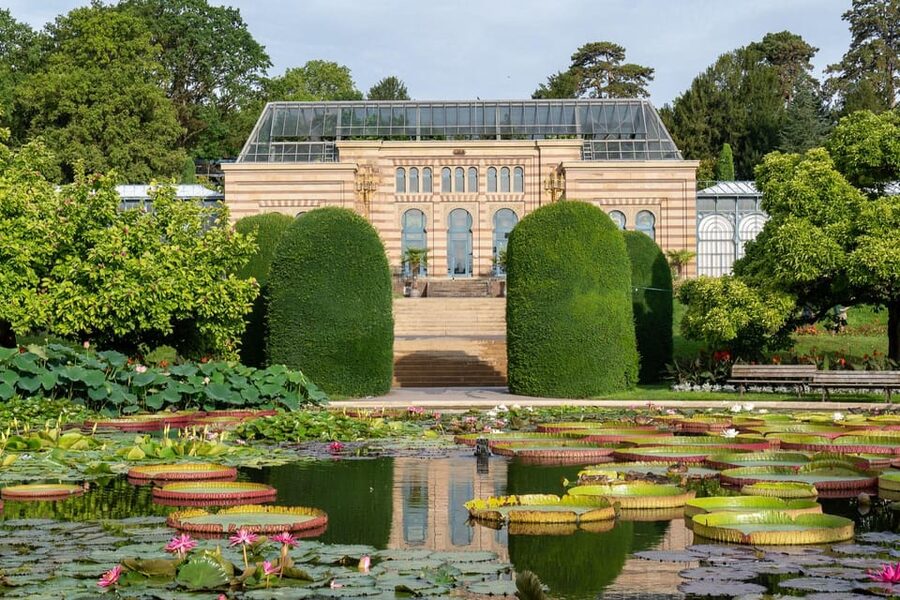
- More than 11,000 animals: See about 1,200 species from all continents, including koalas, giraffes, and unusual Australian wildlife.
- A zoo with botanical depth: Moorish gardens, subtropical terraces, orchids, palms, and seasonal flowers are central to the visit.
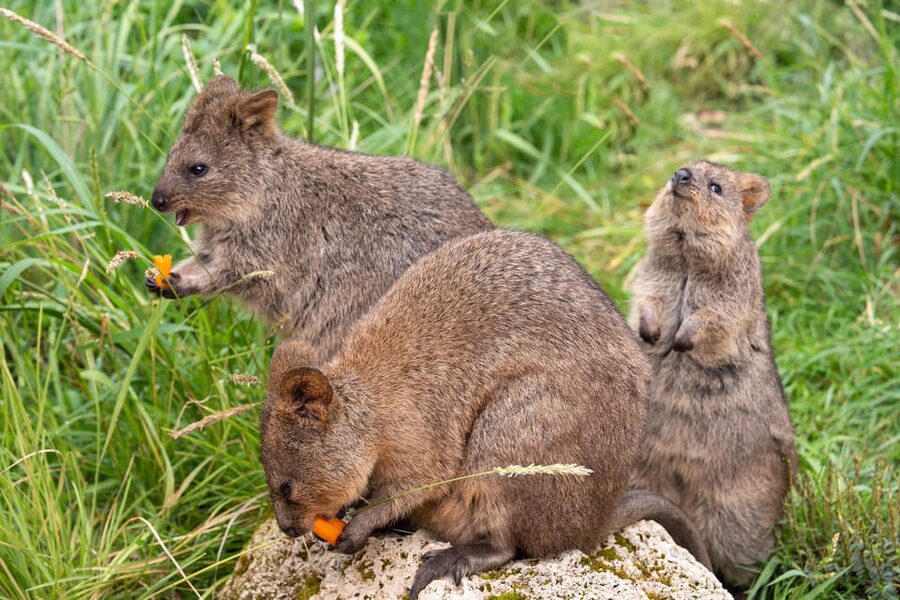
- Terra Australis is a highlight: This modern area includes nocturnal species, koalas, and quokkas found nowhere else in Europe.
- One ticket covers the grounds: Admission includes the animal exhibits and botanical gardens for one day.
- Allow several hours: Three to four hours works for a brisk visit, but a full day is better for families and garden lovers.
- Practical booking terms: Tickets cost $26 per person, can be canceled up to 24 hours ahead, and are wheelchair accessible.
Why Wilhelma feels different from an ordinary zoo
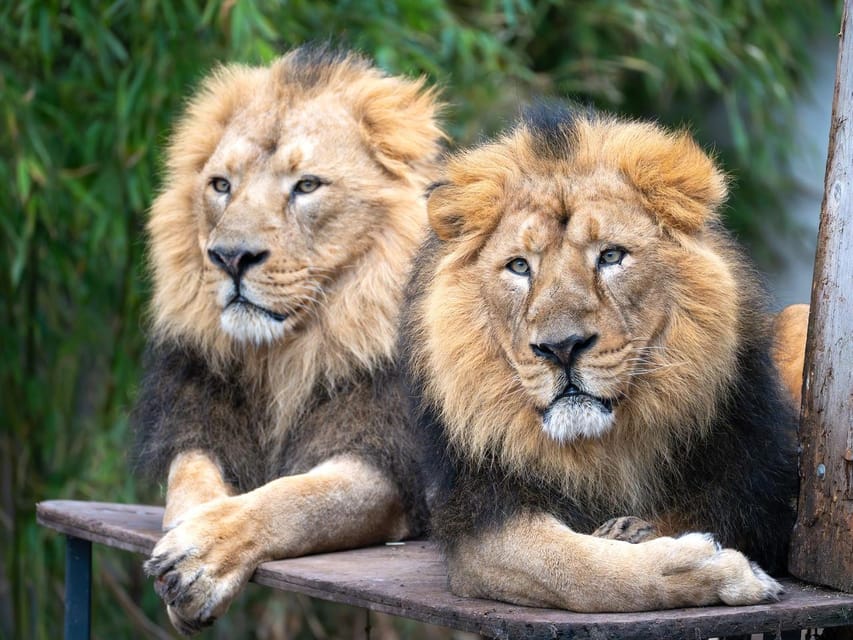
Wilhelma gives you two kinds of sightseeing in one place. You can watch animals from around the world, then turn a corner and find orchids, palms, or a formal garden framed by 19th-century Moorish architecture.
That setting changes the pace. Instead of moving only from one enclosure to the next, you pass through gardens and historic structures between the animal areas. I like this arrangement because it gives you quiet breaks, especially useful if you are visiting with children or if you need a slower afternoon.
The collection is large: more than 11,000 animals representing roughly 1,200 species. That number can sound abstract, but it matters when planning your visit. Wilhelma is not a small city zoo you can quickly circle in an hour. You need to make choices, keep an eye on the map, and leave room for the plant displays.
The site also serves educational, conservation, and scientific purposes. Interactive exhibits connect the animals to wider questions about habitats and species protection. This gives the visit more substance than simply checking off a list of appealing animals.
A few more animal parks around the world worth a look
- Chiang Mai: Elephant Sanctuary, Waterfall & Bamboo Rafting
★ 4.9 · 9,160 reviews - Ubud: Monkey Forest, Jungle Swing, Rice Terrace, and Water Temple
★ 5.0 · 7,160 reviews - Chiang Mai: Elephant Sanctuary & Waterfall Group Tour
★ 4.9 · 5,780 reviews
Starting in the Moorish Garden
The Moorish Garden is a natural place to begin because it introduces Wilhelma’s most distinctive feature: the combination of architecture, planting, and animal exhibits. The design reflects the park’s historic character, with gardens arranged around buildings and paths that make the visit feel more like exploring a grand park than entering a basic animal collection.
I would not rush through this first section. Take a moment to look at the building details and the planting before heading toward the larger animal areas. The historic setting is one of the reasons Wilhelma feels special, and it is easy to miss when children are eager to reach the next enclosure.
The garden also helps you get your bearings. A routed map lets you follow the attractions in a planned order, which is useful because the grounds contain several themed zones. You can follow the route at a steady pace rather than repeatedly checking where you have already been.
Spring is a particularly appealing time for the garden sections, when flowers add color to the paths and planted areas. Seasonal displays change the feel of the grounds, so the botanical side is not simply filler between animal exhibits.
Terra Australis and the rarest animal sightings

Terra Australis is one of the strongest reasons to set aside plenty of time for Wilhelma. It is described as one of Europe’s most modern facilities, with naturalistic enclosures for animals from Australia and the surrounding region.
The area includes nocturnal species, which gives you a different kind of animal visit. You may need to slow down and look carefully rather than expecting every animal to be immediately visible. That slower pace is part of the appeal, especially for anyone interested in how zoo spaces can reflect the habits of the animals they house.
Koalas are a major draw. They are kept in only three other zoos in Germany, making Wilhelma an unusual stop for anyone who has a particular interest in Australian wildlife. The collection also includes quokkas, which are kept at Wilhelma alone throughout Europe according to the supplied information.
That detail gives Terra Australis real value. You are not simply seeing familiar zoo favorites in another setting. You have a chance to see animals that are rare in European collections, along with other species from down under.
I would make this area a priority early enough in your visit that you are not forced to skip it at the end. The site includes many other attractions, and an afternoon arrival can leave you without enough time for the botanical areas, aquarium, and Australian exhibits.
Amazonia, Mountain Worlds, and global habitats
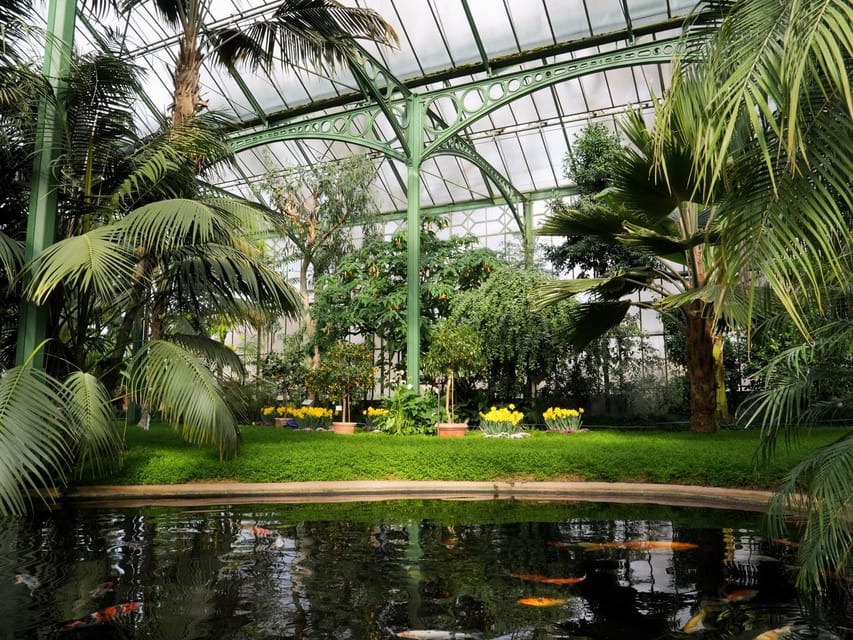
Wilhelma groups several parts of the collection into themed worlds, including Amazonia, Terra Australis, and Mountain Worlds. Each area focuses on animals and plants connected with a particular region, which makes it easier to understand the relationship between the species and their home environments.
Amazonia brings the focus to tropical ecosystems. The value here is not only the animals themselves, but the chance to see how plant life and animal life are presented together. If you enjoy botanical gardens, this kind of pairing gives the visit a clearer purpose.
Mountain Worlds provides a different setting and a change of pace from tropical areas. The themed approach helps you compare habitats rather than seeing the collection as a long series of unrelated enclosures.
African giraffes and Australian koalas are among the animals you might expect to encounter, but the variety extends across every continent. I recommend using the map rather than trying to choose only the most famous animals. The less obvious sections may become the most rewarding parts of a visit because they show the range of Wilhelma’s collection.
For families, these themed areas also create useful stopping points. You can set a simple goal for each section, then pause in the gardens before moving on. That works better than trying to cover the entire site at top speed.
Same place, a different set of animals:
- Amsterdam: ARTIS Amsterdam Royal Zoo Entry Ticket
★ 4.6 · 5,651 reviews - Ubud: Waterfall, Rice Terraces & Monkey Forest Private Tour
★ 4.9 · 4,894 reviews - Dubai: Aquarium and Underwater Zoo Experience
★ 4.2 · 4,872 reviews - Chiang Mai: Elephant Sanctuary Feeding Program Half-Day Tour
★ 4.8 · 4,527 reviews
Botanical highlights beyond the animal enclosures
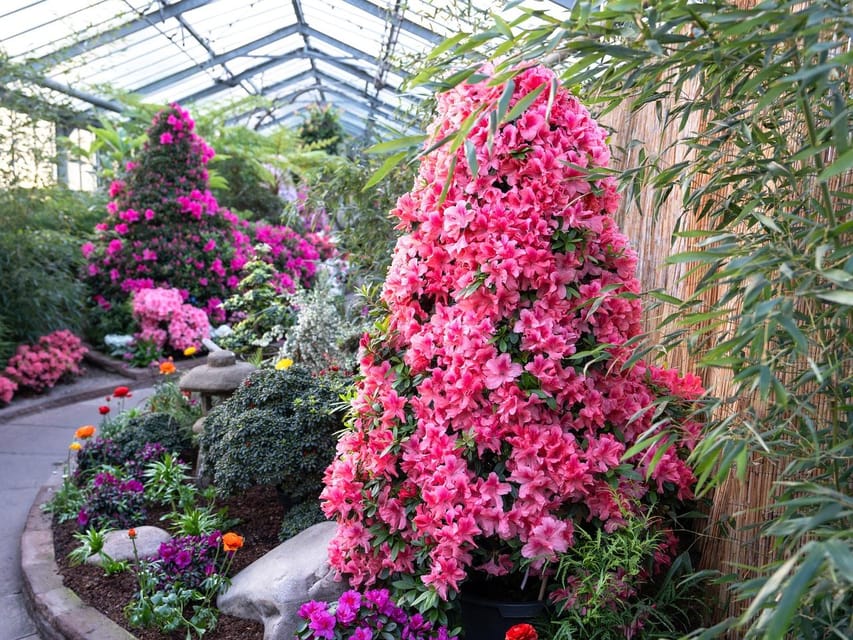
The botanical collection deserves equal billing. You can walk through subtropical terraces, the Historical Greenhouse Row, and displays filled with orchids, palms, and seasonal plants.
The greenhouses are especially useful if the weather is less pleasant outside. They also provide a clear change from the open animal habitats, so I would not treat them as an optional extra. Visitors who arrive late can easily run out of time before seeing them, as a partial afternoon visit may cover the animals but leave the botanical garden and aquarium untouched.
Orchids and palms give the greenhouse areas an international feel, while the seasonal displays provide something that changes during the year. In spring, the flowers are a strong reason to spend extra time outside among the gardens.
I like this side of Wilhelma because it makes the admission more worthwhile for adults who are not focused only on animals. A standard zoo ticket can feel expensive if you are not interested in every enclosure. Here, the gardens, architecture, and plant houses provide several different ways to spend the day.
If you are visiting with a family, the botanical areas also offer a calmer break. Children may race toward the next exhibit, but the planted terraces and greenhouse row give you places to slow down without leaving the attraction.
Interactive exhibits and conservation work
Wilhelma uses educational exhibits and interactive programs to explain global ecosystems and conservation. These features matter because they give context to the animal displays. You can learn not only what an animal is, but why its habitat and survival matter.
The conservation contribution is built into the ticket price. Standard ticket types, except Kids and Youth tickets, include €1 for wildlife conservation projects around the world. The money supports endangered species and their habitats.
That is a small amount, but it is a useful idea. You do not need to make a separate donation or search for a conservation desk. Your admission includes a direct contribution, making the visit slightly more meaningful without changing the basic ticket process.
The interactive displays are also a good reason to avoid treating Wilhelma as a quick photo stop. I would allow time to read and explore them, especially if you are visiting with children who learn better through exhibits than through long labels.
Photography for personal use is welcome. Commercial photography requires permission, and you should not touch or feed the animals. The same care applies to the plants, buildings, and facilities.
How long you need and how to plan the day
The ticket is valid for one day, and the practical question is how much of that day you want to use. Three to four hours is a reasonable target for a focused visit. That gives you time to see a good share of the animal areas and some of the gardens.
I would choose a full day if you are traveling with family, enjoy plants, or want to see the aquarium as well as the animal and botanical exhibits. An afternoon arrival can work, but it creates a clear risk: you may see the animals and miss the greenhouse areas or aquarium.
A routed map helps you follow the attractions in a sensible order. Use it at the beginning, not only when you are already tired. Mark the sections you most want to see, then leave time for gardens and pauses.
The visit is self-guided. There is no personal guide included, so you control the pace. That is a benefit if different people in your group want different things, but it also means you need to organize your route yourself.
Comfortable walking shoes make sense because Wilhelma combines multiple animal zones, gardens, and buildings. The available information confirms wheelchair accessibility, but it does not provide detailed route information for every section, so anyone needing specific access details should check directly before booking.
Is the $26 ticket good value?

At $26 per person, Wilhelma is best judged as a full-day attraction rather than a short zoo visit. The ticket includes one day of access to all animal exhibits and the botanical gardens, so the value improves the longer you stay.
The price makes particular sense if you plan to visit Terra Australis, the themed worlds, the greenhouse row, and the seasonal gardens. You are paying for a wide mix of experiences: wildlife, architecture, horticulture, education, and conservation.
The value is weaker if you arrive late and see only a portion of the grounds. One afternoon can be enough for a pleasant visit, but you may leave the botanical garden or aquarium for another time. I would not book this as a quick stop between several other Stuttgart sights unless you are happy to accept a partial visit.
The conservation euro is included in most standard ticket types, which adds a modest social benefit. Kids and Youth tickets are excluded from this contribution, according to the ticket information.
You can reserve now and pay later, which helps if your schedule is still changing. Free cancellation is available up to 24 hours before the visit for a full refund. Pets are not permitted, although assistance dogs are allowed.
Who will enjoy Wilhelma most
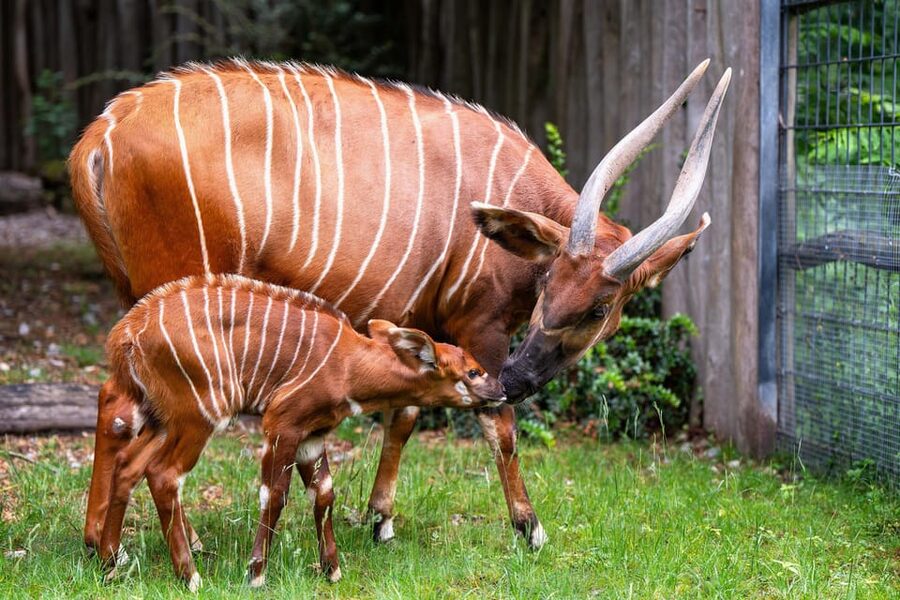
I recommend Wilhelma to families who want a full, flexible day with plenty of variety. Children can focus on koalas, giraffes, and other animals, while adults can spend more time with the architecture, orchids, palms, and seasonal flowers.
It also suits anyone who likes botanical gardens as much as zoos. The plant collection is not a minor side feature, and the Moorish setting gives the entire visit a visual identity that many standard zoos lack.
Animal enthusiasts should make Terra Australis a priority, especially for the koalas and quokkas. The unusual Australian collection gives Wilhelma a strong reason to visit even if you have seen other European zoos.
The main mismatch is for anyone seeking a short, tightly guided tour. There is no personal guide included, and the attraction is large enough that you need to manage your own route. If you prefer a quick highlight reel, select a few key zones and accept that you will not see everything.
Should you book Stuttgart’s Wilhelma?
I would book Wilhelma if you can give it at least half a day, and preferably most of a day. The best value comes from combining Terra Australis and the other themed animal areas with the Moorish Garden, greenhouse row, and seasonal botanical displays.
Book it with realistic expectations. This is a large, self-guided park, not a short animal encounter. Arrive early enough to follow the map, save time for the gardens, and make Terra Australis a priority if koalas or quokkas are high on your list.
For $26, the mix is strong: rare Australian animals, more than 11,000 animals overall, historic architecture, extensive plants, educational displays, and a built-in conservation contribution. If you are in Stuttgart and enjoy both nature and culture, Wilhelma is a practical choice. If you only have a spare hour or two, save it for another visit when you can do the place justice.
FAQ
How much does admission to Wilhelma cost?
The listed price is $26 per person.
How long is the ticket valid?
The ticket is valid for one day.
What does the ticket include?
It includes entry to Wilhelma, access to all animal exhibits, and access to the botanical gardens.
Does the ticket include the aquarium?
The supplied information indicates that Wilhelma includes an aquarium area, but the ticket details do not separately state its admission terms. An afternoon visit may not leave enough time to see it along with the gardens and animal exhibits.
Is Wilhelma wheelchair accessible?
Yes, the activity is listed as wheelchair accessible.
Can I bring a pet?
No. Pets are not allowed, but assistance dogs are permitted.
Can I cancel my booking?
Yes. You can cancel up to 24 hours in advance for a full refund.
Does the ticket support conservation?
Yes. All ticket types except Kids and Youth include a €1 conservation contribution supporting wildlife projects and endangered species habitats worldwide.
Just added around the world
- Zen In The Zoo★ 5.0 · 2 reviews
- ZANZIBAR: Jozani Forest, butterfly center & Reptile park★ 4.7 · 3 reviews
- Wuppertal: Admission to the Green Zoo Wuppertal★ 4.6 · 7 reviews
- Zanzibar: Jozani Monkeys, Butterfly Garden & Reptile Park★ 5.0 · 2 reviews
- Monkey Forest, Waterfall ,Temple and Rice Terrace★ 4.9 · 26 reviews
- Ubud :Monkey forest, Water Temple and waterfall Private Tour★ 5.0 · 2 reviews
- Wings Wildlife Park Burnie Shore Excursion★ 4.2 · 13 reviews
- Warsaw Zoo Skip-the-Line Entry Ticket with Private Transport★ 4.8 · 3 reviews
Germany Zoos, compared.

Leipzig: 1-Day Hop-On Hop-Off Bus and Leipzig Zoo Ticket
Read our review →
Cologne: Ferris wheel in front of the Cologne Zoo
Read our review →
Browse the lists this tour appears in