
REVIEW · SINGAPORE
Singapore Zoo: Entrance Ticket with Tram Ride
Singapore Zoo gives you an unusually close look at animals living in spacious, carefully planted habitats, with moats and timber barriers often replacing obvious cages. I especially like the free-ranging orangutan habitat and the mix of viewing points, including underwater galleries, raised platforms, and glass observatories. The guided tram is also useful, not just a ride for tired legs.
I like the zoo’s shade, clear signs, and wide range of family facilities. You can see white tigers, Asian elephants, pygmy hippos, sun bears, otters, and proboscis monkeys in one day. The main drawback is size: you will walk a lot, and food, seating, and tram stops can become less convenient when the park is busy.
Key points to know before you go
- Start with the guided tram: The English audio commentary gives you a quick introduction to the park and helps you save energy for the exhibits.
- Expect a full-day visit: The zoo opens from 8:30 AM to 6:00 PM, with last admission at 5:30 PM.
- Look for the orangutans: Singapore Zoo is known for its free-ranging orangutan habitat, one of its most distinctive features.
- Plan around the heat: Many paths are shaded, but Singapore remains hot and humid. Comfortable shoes and water matter.
- Build in family time: KidzWorld, animal shows, feeding sessions, a wet-play area, and the waterpark add much more than animal viewing.
- Use the ticket strategically: The $38 price is strongest when you stay for several hours and make use of the tram, shows, and family areas.
Why Singapore Zoo feels different from a standard city zoo
Singapore Zoo is not a quick collection of rows and cages. The setting is built around open habitats, planted paths, water, and viewing points that let you watch animals from different angles.
Many exhibits use moats or wooden fencing to separate you from the animals. That makes the park feel less hard-edged, though it also means some animals may be farther away at certain moments. You are seeing a living environment, not a display arranged for constant close-up viewing.
The zoo holds more than 2,800 animals from over 300 species of mammals, birds, and reptiles. That is enough variety for a serious animal day, but the park still works well for families because the paths are clearly signed and the layout is easy to follow.
The setting is one of the main reasons to come. Shaded paths help with Singapore’s heat, and raised platforms, glass observatories, and underwater galleries give you more than one way to see the animals. You might watch an animal from ground level, then find a higher viewpoint that changes the whole scene.
More Zoo Entry Tickets in Singapore:
- Singapore: Morning Zoo Ticket with Hotel Pickup
★ 4.3 · 127 reviews - Singapore Zoo Entry Ticket
★ 4.0 · 20 reviews - Amsterdam: ARTIS Amsterdam Royal Zoo Entry Ticket
★ 4.6 · 5,651 reviews
Begin with the tram to get your bearings
The guided tram is included with admission and comes with English audio commentary. I would use it near the start of the day, especially if you are visiting with children, older family members, or anyone who does not want to begin with a long walk.
The tram gives you a broad look at the park before you choose which areas deserve more time. It also lets you rest while still seeing the grounds. Several areas are spread out, so this is more useful than a simple novelty ride.
You can also walk the zoo’s paths and use the tram as a break. A practical plan is to take the tram early, then return on foot to the animals and shows that interest you most. Some ticket holders have used the tram in a hop-on, hop-off way, but check the day’s operating details when you arrive.
The tram is not a replacement for walking. It provides an overview, while the best viewing points and smaller exhibits may require you to leave the vehicle and follow the paths.
Orangutans, white tigers, and animals worth planning around
The free-ranging orangutan area is one of the park’s signature features. Rather than keeping these great apes in a small indoor enclosure, Singapore Zoo gives them a habitat designed for movement and climbing. The result is a more natural setting, although the animals may not always be close to the viewing area.
The white tiger is another major draw. It is one of the animals many families make a point of seeing, and the exhibit gives you a chance to watch a large predator at a respectful distance. As with any zoo, activity depends on the animal and the weather, so do not expect every creature to be moving when you arrive.
The animal list reaches well beyond the usual headline species. Look for Asian elephants, pygmy hippos, otters, sun bears, and proboscis monkeys. The last of these are especially interesting because their unusual appearance and long noses make them easy to remember.
You will also find birds and reptiles, along with a waterfall aviary and a separate bird park area. This variety matters if you are visiting with children who may lose interest after a few large mammals. One section can feel calm and slow, while the next offers something more active or unfamiliar.
The zoo also includes animals that children already recognize, such as horses and sheep. That mix works well for younger children, while older children can focus on species they are unlikely to see at home.
Shows and feeding times add structure to the day
Animal shows and feeding sessions give your visit a timetable. Without them, a large zoo can become a long walk with no clear rhythm. Check the schedule when you arrive and choose one or two events rather than trying to fit in everything.
The elephant show is a popular choice for families because it combines animal behavior with a closer look at the animals’ size and personalities. There may also be chances to feed elephants after the show, depending on the arrangements in place that day.
Keeper talks can be especially useful. They explain what you are seeing and give the animals more context than a sign alone. The English commentary on the tram is helpful for orientation, while the talks can add detail at individual exhibits.
Do not build your whole day around one event. Shows and feeding times are useful anchors, but the animals may be more active at other moments. Leave room to stop when you find an exhibit holding your attention.
A few more animal parks around Singapore worth a look
- Morning at the Zoo with 1-way Transfer (Free & Easy)
★ 4.0 · 1,882 reviews - Singapore Zoo: 1-Day Entrance E-Ticket
★ 4.4 · 528 reviews - Singapore Zoo
★ 4.5 · 8 reviews - Singapore Zoo & Night Safari Day ( Tickets & Transfer )
★ 4.5 · 7 reviews
A full day for families, not only animal fans
KidzWorld opens from 9:00 AM to 6:00 PM and gives younger children a place to connect with animals and play. The zoo also has a wet-play area and a tropical-animal-themed slide and spray shack in the waterpark.
Pack swimwear for children if you expect to use the water areas. This can turn a hot afternoon into the easiest part of the day, particularly for children who have had enough of walking.
The family facilities make the zoo more flexible than a simple animal park. Children can see elephants and orangutans, then cool off in a play area. Older children may prefer the tram, shows, and unusual species, while younger ones may be happiest with the familiar farm animals and water play.
The size is still worth taking seriously. One parent noted that tram stops can be far apart, and the paths require plenty of walking. Strollers can be rented on the spot, and wagons and mobility scooters are also available. If you bring a small child, a stroller can save the day.
Walking, shade, food, and the practical side
The paths are generally well laid out and clearly signed. A figure-eight style route can help you cover the main areas without constantly backtracking, though your exact route will depend on show times and the exhibits you choose.
Wear comfortable shoes. This is one of those attractions where a pair of attractive but stiff shoes becomes a bad decision by lunchtime. The tram reduces the effort, but you should still expect substantial walking if you want to see the park properly.
Shade is a real advantage. Several sections provide protection from direct sun, and this makes a long visit more manageable. Still, shade does not remove the heat. Carry water, take breaks, and use cafes as rest stops rather than waiting until everyone is exhausted.
There are bistros, cafes, and restaurants across the complex, with drinks, ice treats, fruit, and full meals available. Food quality and price can vary. One cafe received criticism for expensive, disappointing food, although the fruit cup was considered a better choice.
Seating can be the bigger issue. If you find a useful table during a busy period, keep it while your group takes turns buying food. This is a small but practical point, especially for families with tired children.
Getting there from central Singapore
Public transport can work well. One route used by visitors goes by MRT to Khatib, followed by a short bus ride directly to the zoo. Another route used Marsiling and bus 926. The exact route, fare, and payment options may change, so check a current journey planner before setting out.
A taxi is another option. One quoted ride from the city area cost about $15 each way, though your fare will depend on where you start and traffic conditions.
If you use the bus, do not assume every tourist transit card will work. A past visit required cash for a fare of about S$1.90, so having small change is sensible. The experience provider does not include hotel transport, so you arrange your own way to the zoo.
Allow time for the journey and the park itself. Arriving near opening time gives you cooler walking conditions and more choice for shows. The last admission is at 5:30 PM, but arriving late leaves too little time to justify the ticket.
Is the $38 ticket good value?
At $38 per person, this is not a cheap short stop. It becomes fair value when you treat it as a full-day outing rather than a two-hour attraction.
You receive one-day admission and the guided tram with English audio commentary. The park also includes the main animal areas, viewing structures, shows, feeding sessions, and family facilities. If you stay for several hours, the cost compares more favorably with paying separately for several small attractions.
The ticket works best for families, animal lovers, and first-time visitors who want one large wildlife attraction in Singapore. It is less suitable if you have only a brief gap in your schedule or dislike walking in hot weather.
Online admission can also save time at the entrance. Some ticket holders used a special counter or found little delay exchanging their booking, but mobile tickets have sometimes needed to be exchanged for printed tickets. Bring the booking details and allow a few minutes at the entrance rather than assuming you will walk straight through.
The activity is non-refundable, so choose your day carefully. Singapore weather can change quickly, and rain may affect how much time you want to spend outdoors.
Best ways to plan your one-day visit
I would arrive close to opening time, take the tram first, and listen to the English commentary. Then choose one major animal area, one show or keeper talk, and a family activity before stopping for lunch.
A sensible order looks like this:
- Start with the tram for an overview and a rest.
- Visit the orangutan habitat and the larger mammal areas while energy is high.
- Fit in an elephant show, keeper talk, or feeding session.
- Stop for lunch and reserve seating if possible.
- See the white tiger, otters, sun bears, pygmy hippos, and proboscis monkeys.
- Use KidzWorld or the wet-play area during the hottest part of the afternoon.
- Finish with any missed bird, reptile, or smaller animal areas.
You do not need to follow this order exactly. The main lesson is to avoid treating the zoo as one long march. Alternate walking with the tram, shows, food, and water play.
Who should book Singapore Zoo
Book this experience if you want a full day outdoors and prefer animal habitats with open views, plants, moats, and varied viewing points. Families will find the mix of animals, shows, KidzWorld, and water play particularly useful.
It also suits adults who enjoy wildlife and want to see species such as proboscis monkeys, sun bears, pygmy hippos, and free-ranging orangutans. The tram is a welcome extra for anyone who wants to cover more ground without walking every path.
Think twice if you have limited time, dislike heat, or want a quick city-center activity. The zoo is large, food can be costly, seating may be scarce at busy times, and the $38 ticket makes most sense when you stay for much of the day.
FAQ
How long is the Singapore Zoo ticket valid?
The ticket is valid for one day.
What are Singapore Zoo’s opening hours?
Singapore Zoo is open daily from 8:30 AM to 6:00 PM. Last admission is at 5:30 PM.
Is the guided tram ride included?
Yes. The one-day admission includes a guided tram ride with English audio commentary.
What language is available on the tram audio guide?
The audio guide is available in English.
What age qualifies for a child ticket?
Children from 3 through 12 years old qualify for a child ticket.
Is KidzWorld open during the same hours as the main zoo?
KidzWorld is open from 9:00 AM to 6:00 PM.
Is the ticket refundable if plans change?
No. This activity is non-refundable.
Just added around Singapore
- Singapore Zoo Entry Ticket★ 4.0 · 20 reviews
- Singapore Zoo & River Wonder Day Ticket & Transfer★ 5.0 · 2 reviews
- Singapore Bird Paradise & Zoo Full Day (Ticket & Transfer )★ 4.0 · 4 reviews
- Singapore Zoo & Night Safari Day ( Tickets & Transfer )★ 4.5 · 7 reviews
- Singapore Zoo with Tram Ride Experience for Tourist★ 4.5 · 3 reviews
- Singapore Zoo★ 4.5 · 8 reviews
- Jurong Bird Park Bird Photography★ 3.0 · 2 reviews
- Breakfast In the Wild at Singapore Zoo Promo★ 4.5 · 3 reviews
Singapore Zoos, compared.
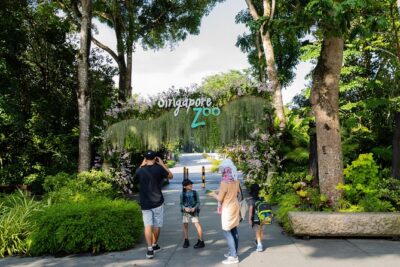
Morning at the Zoo with 1-way Transfer (Free & Easy)
Read our review →
Singapore: Morning Zoo Ticket with Hotel Pickup
Read our review →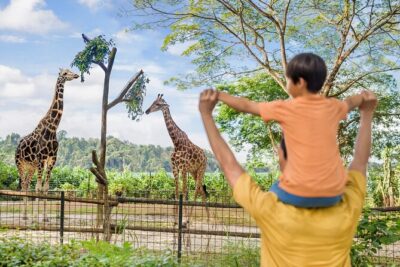
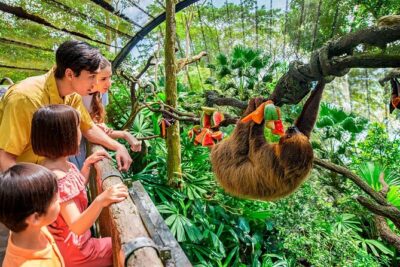
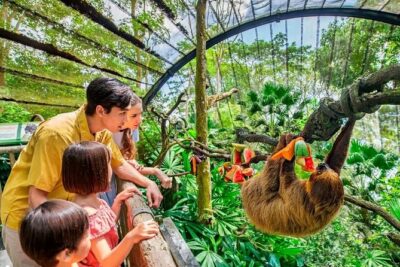
Singapore Zoo & Night Safari Day ( Tickets & Transfer )
Read our review →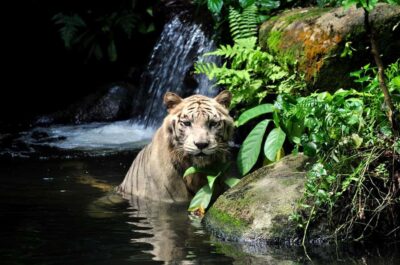
Singapore: Zoo & Night Safari Combos with Hotel Pick & Drop
Read our review →
Singapore Bird Paradise & Zoo Full Day (Ticket & Transfer )
Read our review →Browse the lists this tour appears in