
REVIEW · INDIA
Shimla: Wildlife Sanctuary & Water Catchment Guided Tour
Shimla’s best escape from traffic may be a forest road rather than a famous viewpoint. This private tour takes you into the Water Catchment and Wildlife Sanctuary, where old streams, thick woodland, and quiet trails replace the city’s crowds. The forest also protects the source of Shimla’s water, so you get nature and useful local history in the same outing.
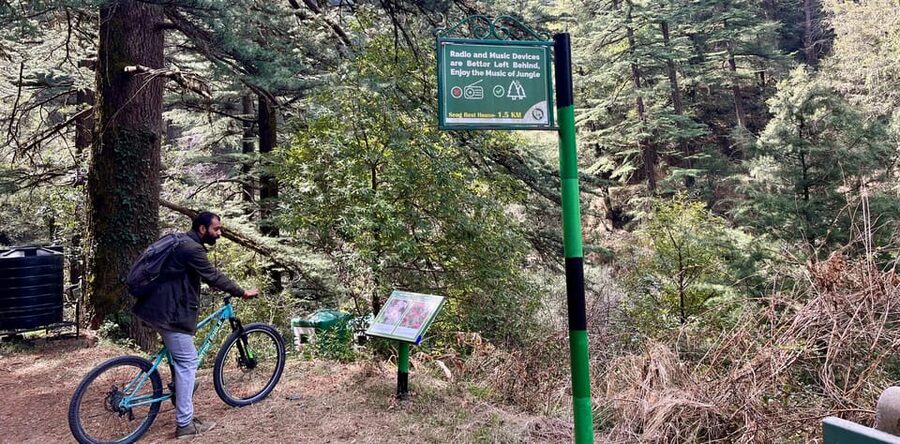
I like the choice of transport: a bicycle adds a little fun and independence, while an e-rickshaw or walking tour works better if you want a slower pace. I also like the guides’ personal approach. Pawan has helped visitors with pickup details and mobility concerns, while Raghav is praised for explaining Shimla’s plants, animals, and water system clearly.
The main consideration is that this is a protected sanctuary, not a wildlife park with guaranteed sightings. You may see no animals at all, and that is part of the point. The sanctuary is closed on Mondays, and the four to five-hour outing requires comfortable shoes and warm clothing.
Key points to know before booking
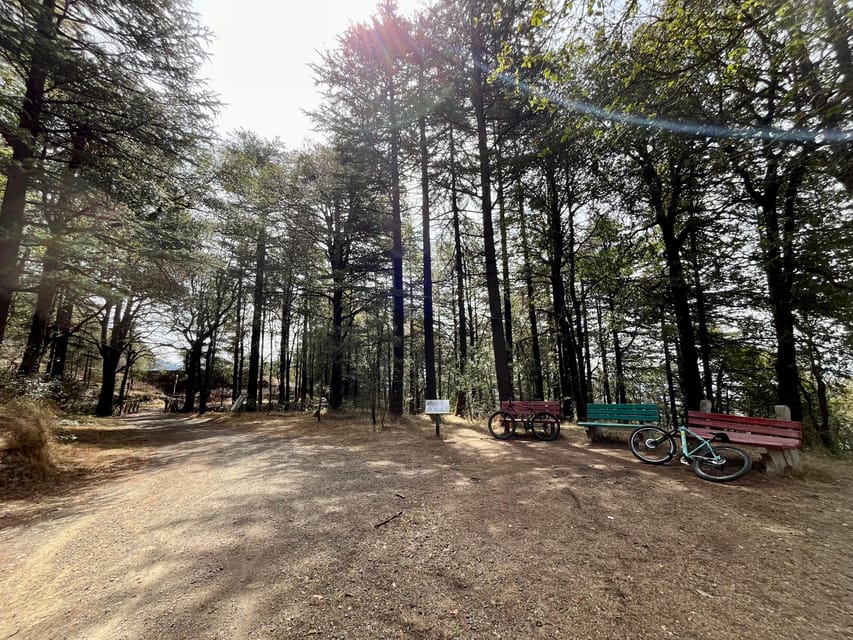
- A quiet forest escape from central Shimla: The sanctuary offers a peaceful setting away from city noise and crowded streets.
- Three ways to explore: Choose a bicycle, an e-rickshaw, or a guided walk, depending on your energy and comfort.
- A 100-year-old water system: Seog Water Tank and the surrounding catchment explain how Shimla’s water was collected and moved during the British era.
- Wildlife is protected, not displayed: The forest allows animals to live naturally, so sightings are possible but never promised.
- Private pickup and guiding: Hotel pickup and drop-off are included for centrally located Shimla hotels, with English or Hindi guiding.
- Best in spring, early summer, and autumn: April to mid-June and October to November offer the recommended visiting periods.
Entering Shimla’s protected water forest
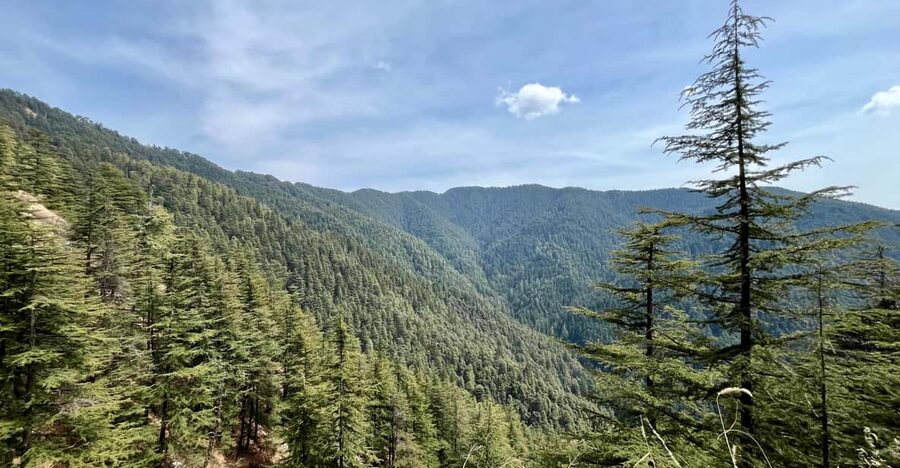
The Shimla Water Catchment and Wildlife Sanctuary covers 10.25 square kilometres between about 1,900 and 2,620 metres above sea level. That elevation gives the forest a cool mountain feel, but it also means conditions can change. Pack a warm layer even if Shimla feels mild when you leave your hotel.
The sanctuary is different from a standard sightseeing stop. There are no animal enclosures, viewing platforms, or scripted wildlife shows. Instead, you follow roads and walking trails through a protected forest, with the chance to spot birds, plants, herbs, or wildlife along the way.
I like this honest approach. The aim is to leave the animals alone, not draw them into view. Gill, who cycled through the area, found the quiet off-road route especially comfortable because it was not crowded. Gill also accepted not seeing wildlife, since a protected animal living undisturbed is a better result than a forced sighting.
The forest is linked to Chail Sanctuary by a corridor to the south. That connection matters because it gives animals room to move through a wider natural area. The sanctuary also surrounds Charabara Village on three sides, adding a local human setting to what might otherwise feel like a remote woodland.
More Wildlife Sanctuaries in India
- Same Day Tajmahal at Sunrise and SOS wildlife sanctuary tour
★ 5.0 · 28 reviews - Bondla Wildlife Sanctuary with Lunch in Spice Plantation in Goa
★ 4.5 · 12 reviews - Private Day Tour Of Kumbhalgarh Fort & Wildlife Sanctuary From Udaipur
★ 4.5 · 10 reviews
Pickup from Shimla and choosing your pace
The tour begins with pickup in Shimla and ends with drop-off in the city. Pickup and return are included for centrally located hotels, which saves you from arranging transport to a forest entrance on your own.
This is a private group experience, so you can select the format that fits your day. The bicycle option gives the outing the most energy. You ride along forest roads for part of the route, with time to stop and listen to the guide. The cycling is off-road, but the available comments describe the route as manageable rather than punishing.
If you do not cycle regularly, do not assume you must choose the bike. The walking option lets you take the same forest setting at a gentler pace. Christa described the hike with Raghav as beautiful and not strenuous, with the route winding through the forest. That makes the walking choice a sensible pick for anyone more interested in plants, waterworks, and calm than speed.
The e-rickshaw option is the practical middle ground. You can see the sanctuary without committing to a long ride or extended hike. Since the exact balance of riding, stopping, and walking can depend on your selected option, ask for the format that best matches your mobility before booking.
Pawan has been particularly attentive to arrangements. He contacted one couple several days before arrival to confirm pickup details and discuss mobility issues. That sort of preparation is useful in Shimla, where hotel access and road arrangements can require a little planning.
The first forest section, about one hour
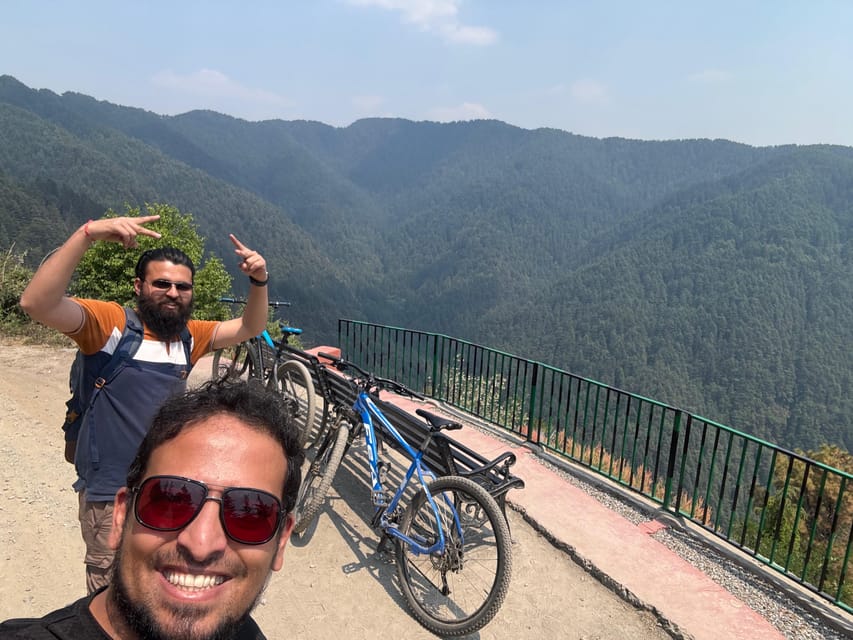
After pickup, you enter the sanctuary for the first main section, listed as roughly one hour of hiking or bicycle touring. This is where the city begins to fall away and the forest becomes the focus.
The route passes through dense greenery, with trees, plants, herbs, and streams forming the main points of interest. Your guide can explain what you are seeing and place the forest in the wider story of Shimla. Raghav, in particular, has been praised for connecting the natural setting with the history of the region.
Do not expect a fast sightseeing circuit. The value comes from moving slowly enough to notice the forest. On a bicycle, you cover more ground and enjoy the quiet pleasure of riding on an uncrowded route. On foot, you have more time to pause, ask questions, and watch for small signs of life.
The sanctuary receives about 1,600 millimetres of rain each year. That rainfall feeds 25 perennial streams, including God Ki Nala and Churat Nala. These waterways help explain why this place was selected for Shimla’s water supply in the first place.
For photography, this opening section is a good time to keep your camera ready. The attraction is not one grand view, but the changing combination of forest, water, road, and mountain air. Bring your camera, but keep noise low. Smoking, alcohol, fireworks, littering, and loud behaviour are not allowed.
Seog Water Tank and Shimla’s old water supply
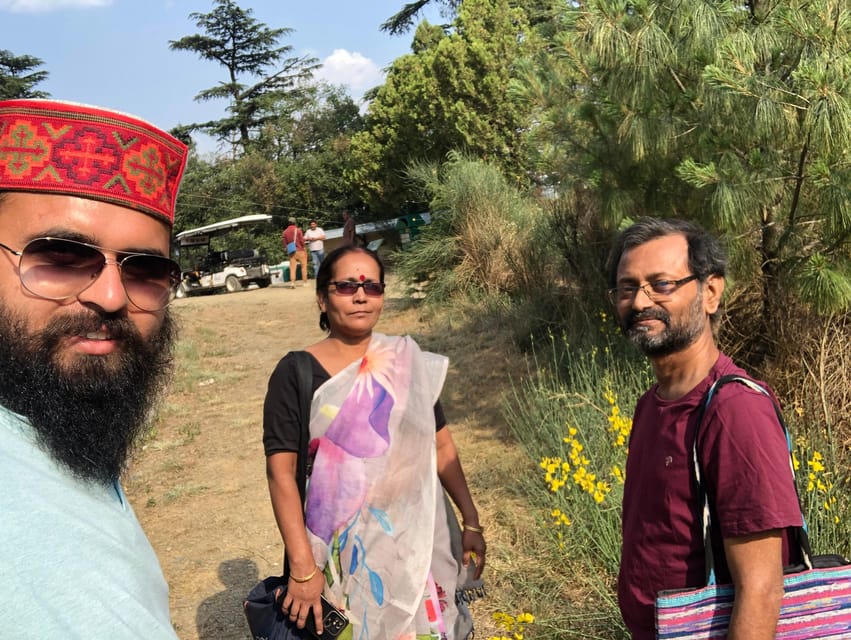
The central stop is Seog Water Tank, with about an hour set aside for a break. This is more than a place to pause and eat a snack. It shows how a mountain city once handled its water needs.
More than 100 years ago, a large tank was built to hold stream water during the rainy season. The stored water could then be used to supply Shimla. During the British era, steam pumps moved the water, an unusual arrangement for its time.
That practical engineering story gives the sanctuary extra meaning. You are not simply looking at an old tank in the woods. You are seeing part of the system that helped support Shimla as it grew into an important hill station.
The filtering process is another worthwhile detail. Water moved through the catchment system before reaching the reservoir, helping provide the city with cleaner water. The setting is peaceful, but the purpose was serious and highly practical.
This is the point where a good guide makes a real difference. Pawan and Raghav are both associated with clear explanations of the area, but the exact guide assigned to you may vary. Ask questions about the streams, the tank, and how water was carried onward to the city.
The hour-long break gives you time to eat food you bring with you. Food and drinks are not included, so pack lunch or at least snacks and water. Do not count on buying refreshments inside the sanctuary.
Same place, a different set of animals:
- Private Elephant Sanctuary
★ 5.0 · 390 reviews - Jhalana Panther Safari Park Tour in Jaipur
★ 4.5 · 127 reviews - Jaipur: Elefantastic Elephant Sanctuary Tour
★ 4.9 · 44 reviews - Delhi: All-Inclusive Day trip Taj Mahal with Elephant SOS
★ 4.8 · 25 reviews
Returning through the forest
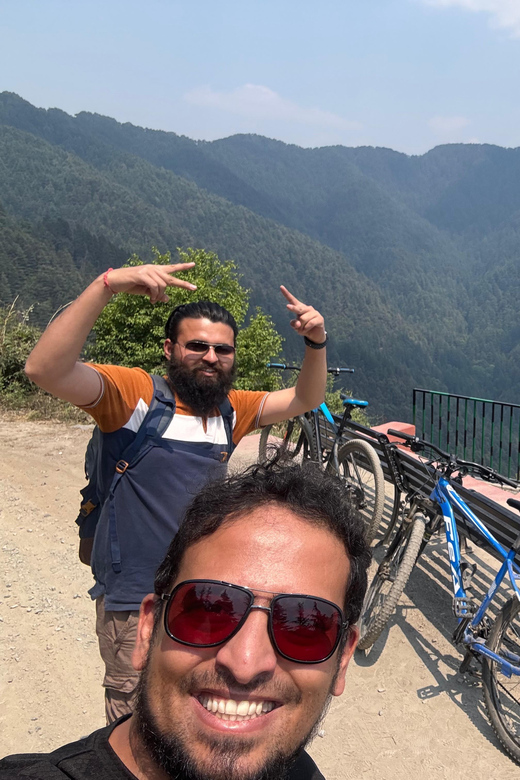
After Seog Water Tank, you spend about another hour hiking or cycling through the sanctuary before returning to Shimla. This second section gives the outing a relaxed rhythm: enter the woods, understand the water system, then enjoy the forest again with the city return ahead.
If you choose the bicycle, the return route is where the ride can feel most enjoyable. You already know the setting, so you can focus less on getting oriented and more on the quiet road, trees, and changing views. The route is not presented as a difficult athletic challenge, but you should still be comfortable riding on an off-road surface.
The walking option remains a good choice for nature watchers. The sanctuary is home to a range of trees, plants, herbs, and wildlife, but the guide cannot promise a particular animal. Keep your expectations realistic and your senses open. A quiet walk with no dramatic sighting can still be a successful visit.
The e-rickshaw gives you the least physical demand, though the sanctuary experience may feel less intimate than walking. If you have back problems or are pregnant, this activity is not considered suitable. Anyone with limited mobility should discuss the chosen option before confirming.
The full experience takes four to five hours, including pickup, the two forest sections, and the water tank stop. It is long enough to feel like a proper half-day outing, but short enough to fit around other Shimla plans.
What the $26 price gets you
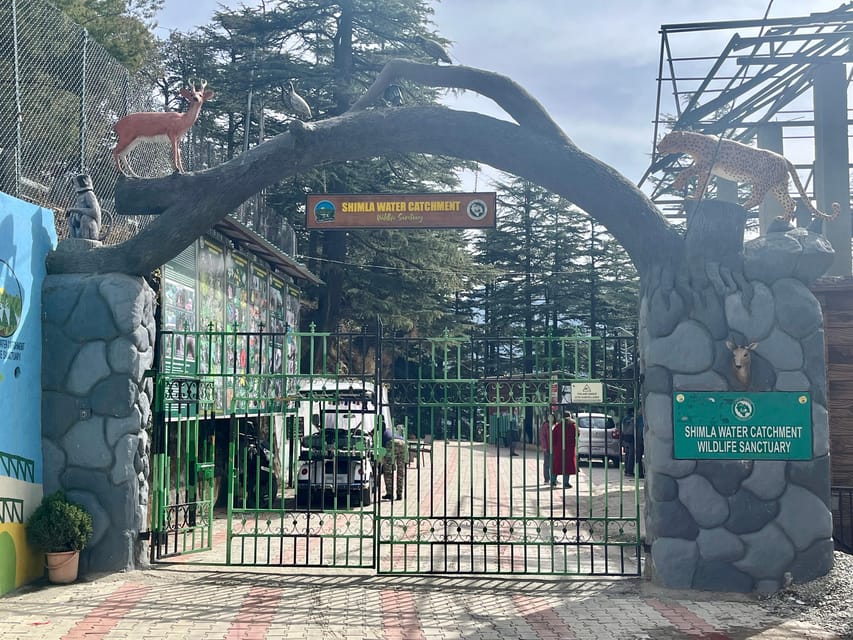
At $26 per person, the value is strongest if you want transport, access, and explanation in one booking. The price includes a private local guide, pickup and drop-off from a centrally located Shimla hotel, sanctuary entry permission, hiking trail access, and your selected bicycle, e-rickshaw ticket, or guided walk.
That package is more useful than a simple admission ticket. The sanctuary’s history is easy to miss if you only pass through it. A guide can connect the streams, tank, pumps, forest corridor, and Shimla water supply into one clear story.
The private format also matters. You are not tied to the pace of a large group, and you can choose cycling, walking, or the e-rickshaw according to your comfort. English and Hindi guiding are available.
The price does not include food or drinks, so budget for your own supplies. It also does not cover anything outside the listed inclusions. Still, for a four to five-hour private outing with transport and equipment, I consider the price fair, especially if you value a quieter experience over another crowded Shimla attraction.
Free cancellation is available up to 24 hours before the start for a full refund, and you can reserve now and pay later. Check the available starting times before booking, since the sanctuary operates only from 10:00 to 16:00, Tuesday through Sunday.
Wildlife expectations and the best seasons
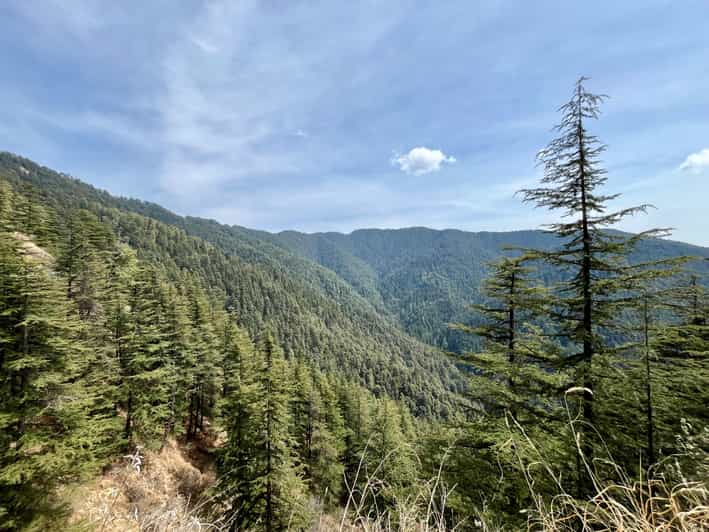
The sanctuary is designed to protect wildlife in its natural setting. That means you should not book this as a guaranteed animal-spotting trip. You might see wildlife, birds, or signs of animals, but you might also spend the entire outing among trees and streams.
For many people, that is a strength. You get a more respectful nature experience, with less noise and no feeding or staged encounters. The peaceful atmosphere is one of the tour’s most praised features, and the absence of crowds helps you notice the forest itself.
The recommended periods are October to November and April to mid-June. Winter months can be crisp, so warm clothing is important. Summer offers a pleasant break from Shimla’s built-up centre, though mountain weather can still shift.
The sanctuary is closed on Mondays. From Tuesday through Sunday, opening hours are 10:00 to 16:00. Build the outing around those hours rather than treating it as a flexible early-morning or evening walk.
Who will enjoy this outing most
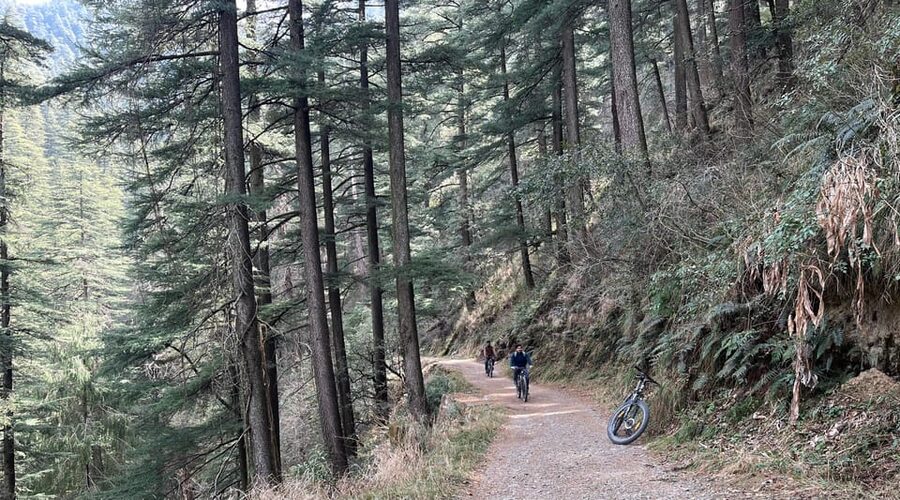
I would choose this tour if you want a quiet half-day outside Shimla and prefer local nature to a checklist of monuments. It suits couples, small private groups, photographers, nature watchers, and anyone who wants to understand how the city’s water system worked.
The bicycle format is best for confident riders who want a little motion and do not mind an off-road route. The walking option is better if you enjoy listening to a guide and taking your time. The e-rickshaw is the simplest choice when you want forest access with less physical effort.
Families should consider the walking distance and the sanctuary rules before booking. The activity is not suitable for pregnant women or people with back problems. Pets are not allowed, and the setting is not appropriate for party groups or loud entertainment.
I also recommend bringing comfortable shoes, warm clothing, water, snacks, food, and a camera. The sanctuary is a place for quiet observation, not a picnic party or a noisy group outing.
Should you book the Shimla sanctuary tour?
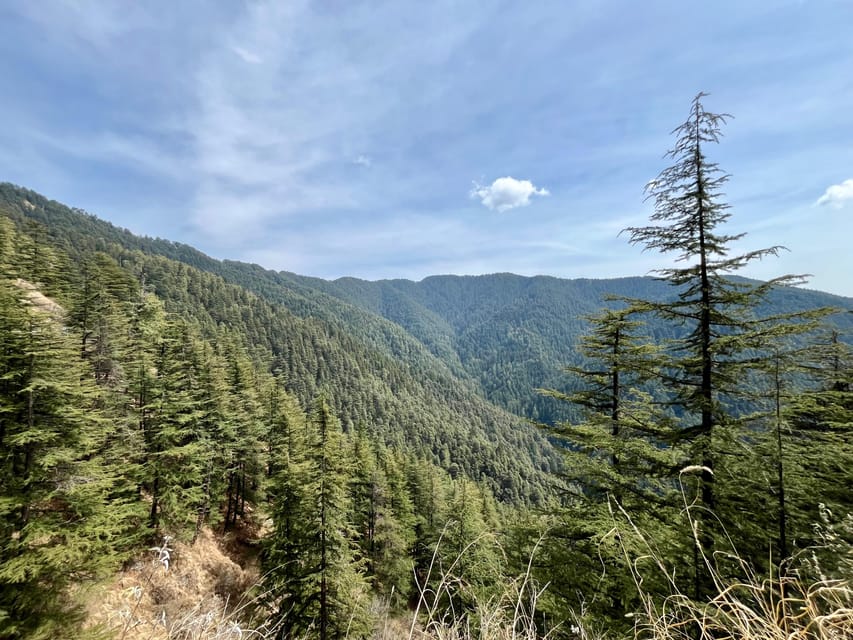
Book it if you want to trade Shimla’s traffic and crowds for forest roads, streams, and a useful story about water engineering. The private format, hotel pickup, transport choices, and local guiding make the $26 price reasonable for a half-day escape.
Choose the walking option if peaceful nature and explanation matter most. Pick the bicycle if you want the most playful version of the outing. Choose the e-rickshaw if comfort is more important than exercise.
Skip it if you need guaranteed wildlife sightings, a packed schedule of major landmarks, or a completely effortless sightseeing ride. The sanctuary rewards patience. Its best moments may be a quiet forest road, an old tank, or a guide explaining how rainwater once kept Shimla supplied.
FAQ
How long does the Shimla Water Catchment tour last?
The experience lasts about four to five hours, including pickup and drop-off, the two forest sections, and the stop at Seog Water Tank.
What transport options are available?
You can choose a bicycle tour, an e-rickshaw tour, or a guided walking tour. The selected option should be confirmed when booking.
Is hotel pickup included?
Pickup and drop-off are included for centrally located hotels in Shimla.
Is the tour private?
Yes. This is a private group experience with a local guide.
Which languages are available?
The tour is available with live guiding in English or Hindi.
When is the sanctuary open?
The sanctuary is open Tuesday through Sunday from 10:00 to 16:00. It is closed on Mondays.
Should I expect to see wildlife?
Wildlife sightings are possible, but they are not guaranteed. The sanctuary protects animals and allows them to live naturally.
What should I bring?
Bring comfortable shoes, warm clothing, a camera, food, snacks, and water. Food and drinks are not included.
Just added around India
- Jeep Safari: A Skip the line access to Devalia Safari Park India★ 4.5 · 19 reviews
- Same day Tajmahal tour with SOS Elephant/Bear wildlife Sanctuary★ 5.0 · 4 reviews
- Delhi Zoo White Tigers & lions with Old Fort Visit★ 4.5 · 5 reviews
- From Delhi: Taj Mahal & SOS Elephant Experience – Day Trip★ 5.0 · 8 reviews
- Bird Watching at Nandur Madhyameshwar Wildlife Sanctuary Nashik★ 5.0 · 2 reviews
- 6-Day Kerala Private Tour: Periyar Wildlife Sanctuary★ 4.5 · 3 reviews
- Tour of Pobitora Wildlife Sanctuary from Guwahati with Safari, Lunch and Guide★ 5.0 · 3 reviews
- 3 Day Camping Trip to Binsar Wildlife Sanctuary★ 5.0 · 2 reviews
India Zoos, compared.




Same Day Tajmahal at Sunrise and SOS wildlife sanctuary tour
Read our review →
Delhi: All-Inclusive Day trip Taj Mahal with Elephant SOS
Read our review →
Jeep Safari: A Skip the line access to Devalia Safari Park India
Read our review →
Bondla Wildlife Sanctuary with Lunch in Spice Plantation in Goa
Read our review →Browse the lists this tour appears in