
REVIEW · THE USA
San Diego: San Diego Zoo Safari Park 1-Day Ticket
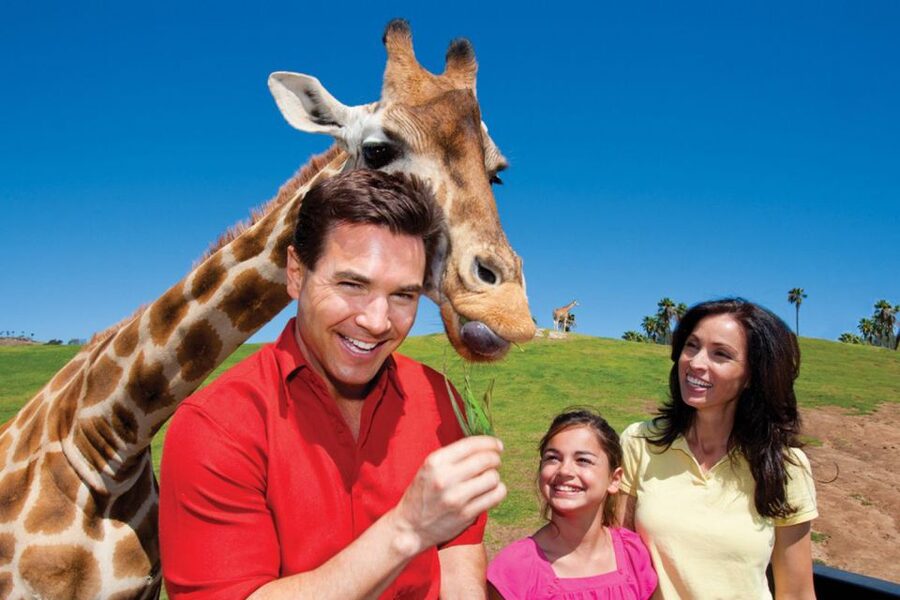
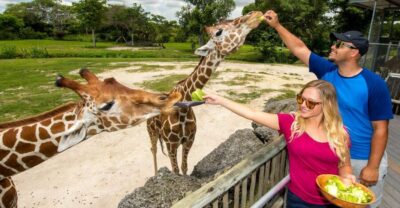
The San Diego Zoo Safari Park gives you something the city zoo cannot: wide open animal habitats spread across 1,800 acres. Lions, elephants, giraffes, cheetahs, birds, and rhinos live in spacious settings that feel more like a working wildlife preserve than a row of small exhibits. The Africa Tram Safari is the natural centerpiece, but you will need most of a day to see the park properly.
I especially like the open-field views and the park’s strong conservation purpose, with species work taking place in more than 35 countries. I also like the calm, leafy paths, the free-flight bird aviary, and the chance to see California condors up close. The main drawback is scale: there is a lot of walking, the map can be hard to follow, and popular areas grow crowded by midday.
Key points to know before you go
- Arrive at opening time: The park can feel peaceful early, then much busier by noon.
- Africa Tram is included: The guided ride runs from 10 a.m. to 4:15 p.m., but it is subject to availability and has its own line.
- Plan for a full day: The park covers 1,800 acres, with trails, shows, animal areas, and viewing stops spread far apart.
- Bring sun protection: Shaded paths are available, but a hat and comfortable shoes will make the day easier.
- Expect extra costs: Food, drinks, parking, and special safari experiences are not included.
- Children have a seasonal deal: Kids 11 and younger receive free admission during October when visiting with a paying adult.
Why this feels different from a regular zoo
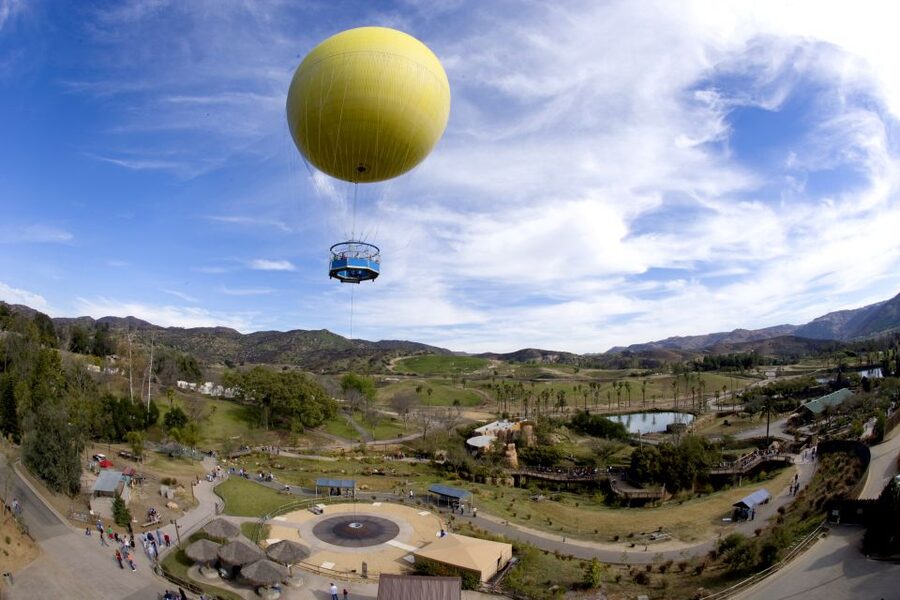
The Safari Park is about space. Instead of moving from one compact animal house to the next, you follow roads and trails through broad habitats where animals may be close, far away, or temporarily out of sight. That unpredictability is part of the appeal, though it means you should not expect every animal to pose on command.
The park covers 1,800 acres and houses more than 3,000 animals from about 375 species. The setting also includes extensive native plant life, shade trees, and leafy paths. I would allow a full day, particularly if you want to ride the Africa Tram, watch a show, stop for lunch, and visit the major areas without rushing.
The park supports conservation work in more than 35 countries. That gives the visit more weight than a simple day of animal viewing. Displays and talks connect the animals you see with endangered species protection, breeding programs, and habitat concerns.
More Safari Parks in the USA
- Miami: Everglades Safari Park Airboat Tour
★ 4.4 · 1,267 reviews - Orlando: Drive-Thru Safari Park at Wild Florida
★ 4.7 · 560 reviews - San Diego Zoo Safari Park 1-Day Pass: Any Day Ticket
★ 4.0 · 378 reviews
Getting there from San Diego
The entrance is at 15500 San Pasqual Valley Road in Escondido, about an hour’s drive from San Diego. You make your own way there, since hotel pickup and drop-off are not part of this ticket.
If you drive, parking is not included, so add that cost to your budget. Once you arrive, use the mobile voucher at the entrance turnstiles. You can bypass the ticket window, which is useful during busy periods, but this shortcut applies only to admission. It does not give you priority for the Africa Tram.
The park is wheelchair accessible. Electric chairs are available to rent, and that can make a major difference if long distances are difficult for you. The paths are clean and many have shade, but the park’s size remains the main physical challenge.
Start with the Africa Tram
The Africa Tram Safari is included in admission and runs daily from 10 a.m. to 4:15 p.m., subject to availability. It is the easiest way to see some of the park’s large African animal areas without covering every foot of ground yourself.
The tram offers a guided ride through broad animal collections. You get a moving view rather than the close, glass-fronted look found in some zoo exhibits. Animals may be active or resting, and your guide will point out what is visible along the route.
Go early if the tram is a priority. The admission line and tram line are separate, and skipping the ticket window does not reserve a seat on the tram. One practical approach is to enter as soon as the park opens, check the day’s tram arrangements, then build the rest of your route around that information.
The tram ride is a good choice for families, older adults, and anyone who wants a general introduction to the park. It also helps you save energy for the walking trails. Keep in mind that the ride is not a private safari, and it does not replace the closer animal viewing available in other areas.
Lion Camp and the big-cat areas
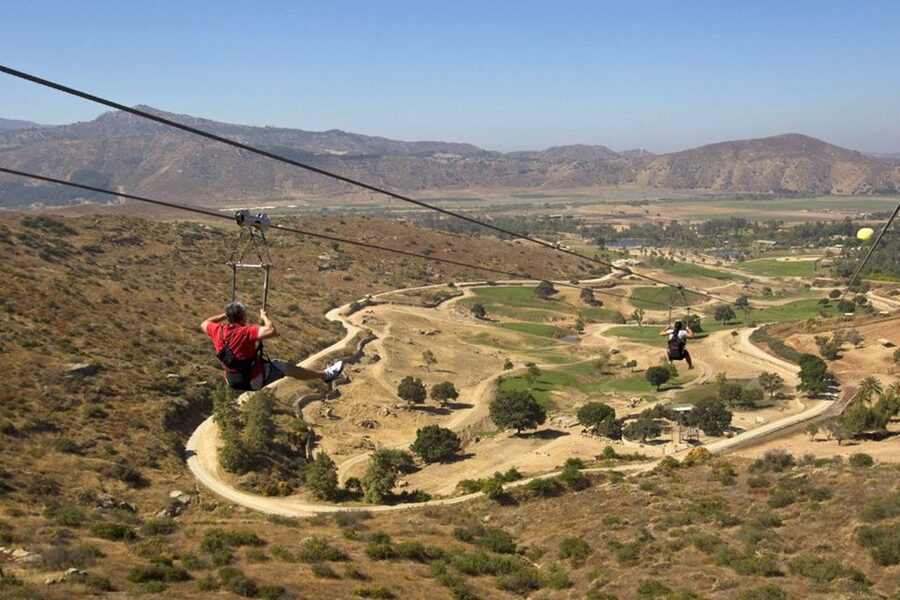
Lion Camp gives you a close look at the African lion pride. A glass viewing area lets children and adults get face to face with the cats when they approach the edge of the habitat.
This is one of the park’s more reliable crowd-pleasers because the viewing feels immediate without putting the animals under pressure. The glass also makes it easier for young children to see, though busy periods can mean waiting for a clear spot.
The Tiger Trail focuses on Sumatra, a region known for volcanoes, rainforest, and unusual wildlife. The area covers Sumatran tigers along with orangutans, rhinos, and elephants. It also explains the problems facing the critically endangered Sumatran tiger.
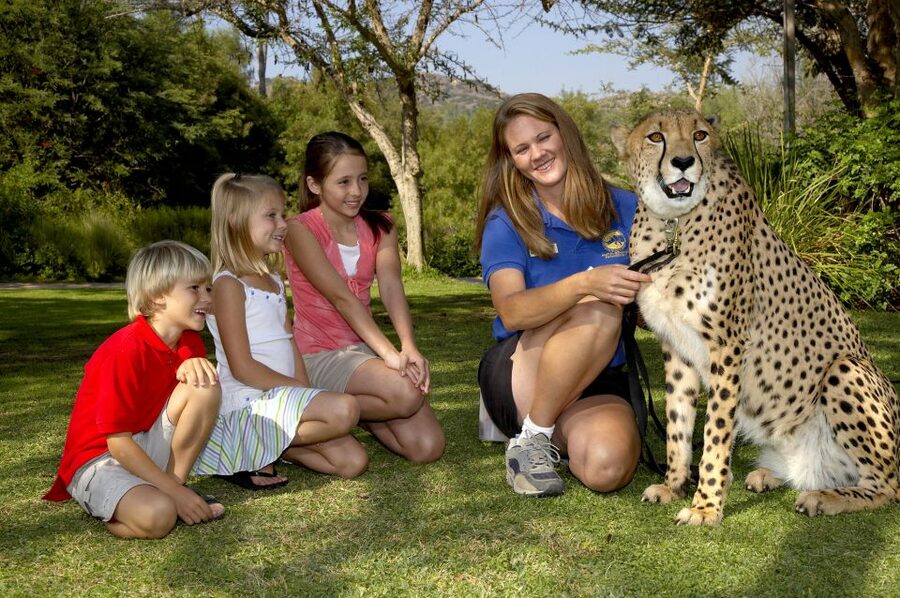
Cheetah Run adds a different kind of excitement. The park also presents Cheetah Tales in the Heart of Africa area, where you can meet cheetah ambassadors and learn about them through animal care presentations. The separate Animal Encounters program may include ambassadors such as cheetahs, alligators, and servals, with trainers present. Schedules can change, so check the daily program when you enter.
Same place, a different set of animals:
- San Diego Zoo 1-Day Pass: Any Day Ticket
★ 4.5 · 4,248 reviews - Florida Everglades Airboat Adventure and Wildlife Encounter
★ 4.5 · 1,791 reviews - Orlando: Everglades Airboat Ride and Wildlife Park Ticket
★ 4.7 · 1,459 reviews - San Diego Zoo Admission Ticket
★ 4.7 · 1,332 reviews
Elephants from the overlook
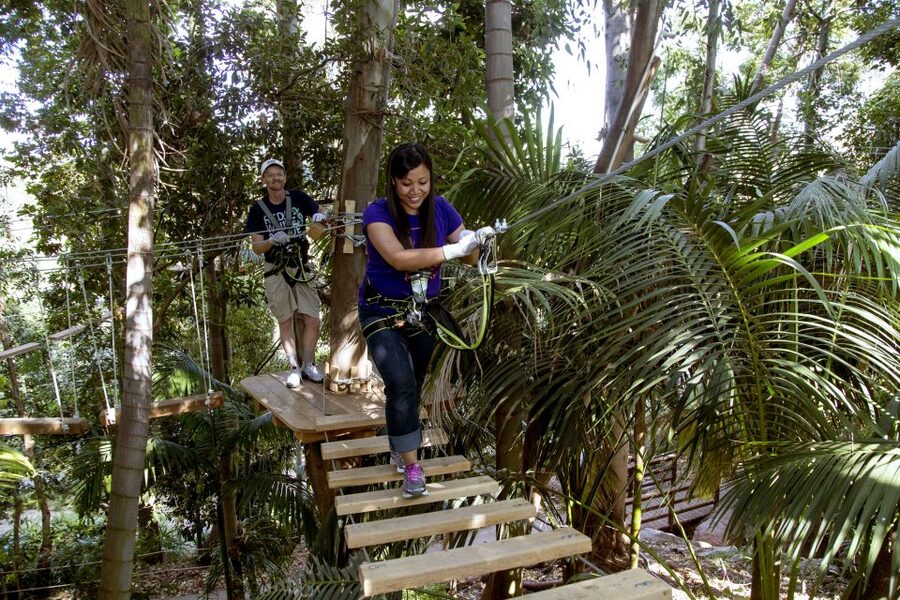
The Elephant Overlook uses an elevated walkway to bring you closer to the elephant herd. The height gives you a useful view into the habitat, including younger elephants born at the park.
Morning Elephant Enrichment is another worthwhile stop. You can watch the herd receive treats and take part in activities designed to keep them active. If elephants are high on your list, make this area a priority early in the day, since schedules and animal participation can change.
The overlook is a good example of the park’s approach. You see the animals in a broad setting rather than a cramped enclosure, and the viewing structure gives you a better angle without crossing into the habitat. At the same time, open spaces mean an elephant may be farther away than you hope.
Heart of Africa and Jamison Research Island
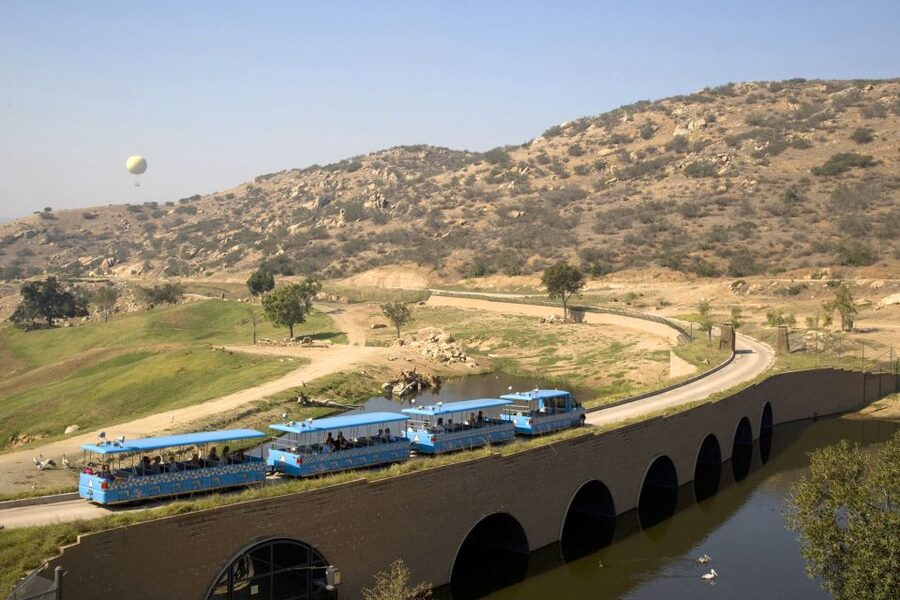
Heart of Africa combines trails through African forest and savanna with views toward a quiet lake. The route leads to Jamison Research Island, where the interpretive center adds context about wildlife work and conservation.
This is one of the better areas for a slower walk. You are not simply moving from one animal to another. The plants, water, shade, and changing views help make the route feel like part of the experience.
The park uses Jamison Research Island to connect animal care with research. That context matters because conservation is easy to reduce to a slogan. Here, you can spend time with the subject and see how the park links its public exhibits with broader species work.
Wings of the World and Hidden Jungle
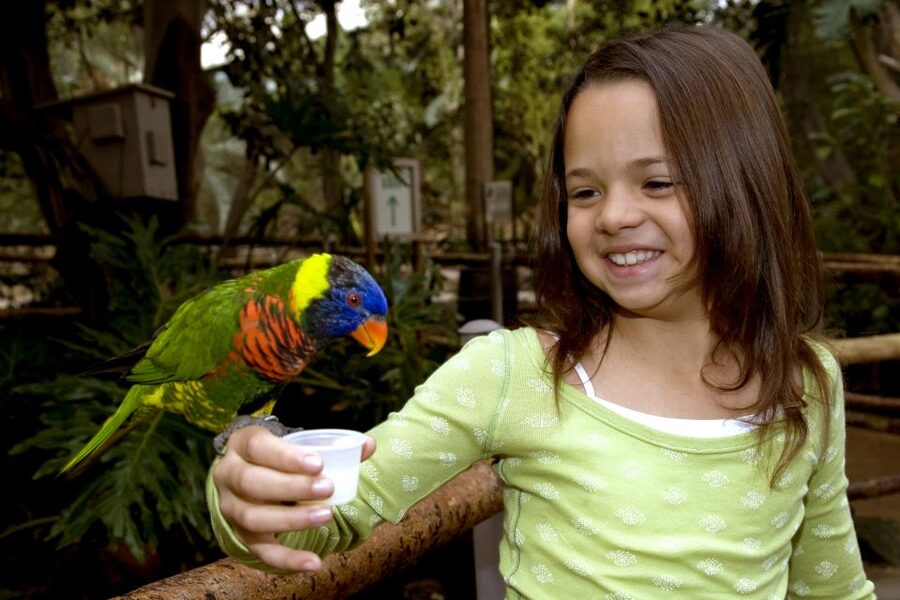
Wings of the World is a free-flight aviary with more than 140 birds from 40 species. The habitat design is meant to resemble natural environments, so birds may fly overhead or settle in places that are easy to miss.
I would not rush this stop. It is a welcome change from the larger mammals, and the free-flight setting gives you a chance to listen and watch instead of simply scanning an enclosure. Bring patience and look up often.
Hidden Jungle is a tropical greenhouse filled with exotic birds, insects, and plants. It also hosts the annual Butterfly Jungle event. This area is compact compared with the open habitats, but it provides a strong contrast in climate and atmosphere.
The two areas work well together. Wings of the World shows birds in a broad flight space, while Hidden Jungle places you among tropical plants and smaller species. For families, the variety helps keep the day from becoming a long sequence of large-animal stops.
Condor Ridge and the conservation story

Condor Ridge follows North American habitats and includes bighorn sheep and California condors. The condor is one of the park’s most important conservation subjects, and the displays explain the work behind protecting this highly endangered bird.
This stop rewards a closer look. It is not just a place to check off another species. The condor’s presence connects your visit to a specific conservation effort in California, making the park’s wider mission easier to understand.
The route also gives you a change from the African and Asian habitats. Bighorn sheep, native plant life, and the condor displays create a distinctly North American section of the park.
Smaller stops that work well for families
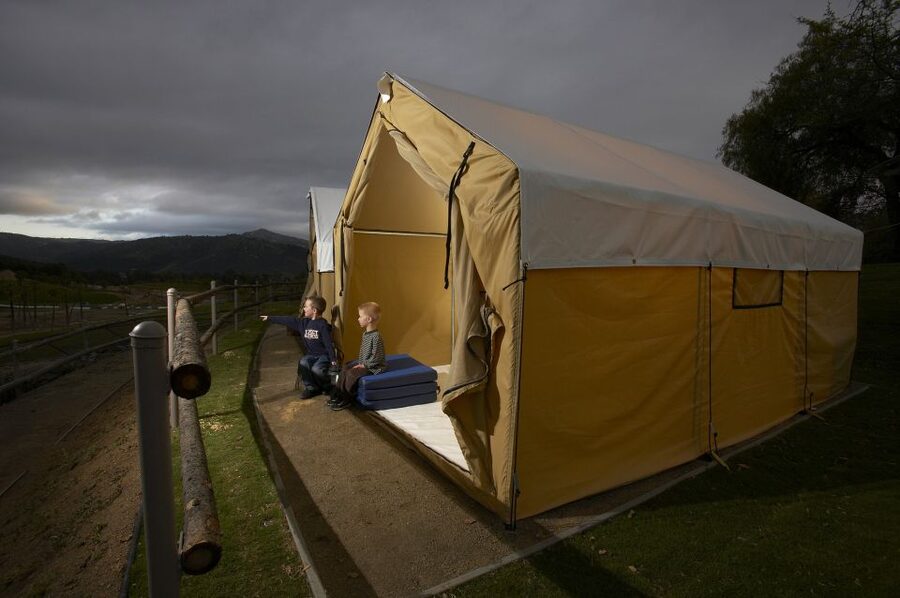
The Safari Park has plenty for children beyond the main animal habitats. Discovery Station includes musical instruments, puppets, books, crafts, and wildlife toys. It is a useful reset point when younger children need an activity that does not involve more walking and animal viewing.
At Savanna Cool Zone, palm trees, mist, and water-spouting creatures offer relief on a warm day. Pack a change of clothes for children if they are likely to play rather than simply pass through.
Lorikeet Landing lets you watch colorful lorikeets swoop toward nectar. Entry is free, but food for hand-feeding costs extra. The Petting Kraal offers contact with gentle deer and antelope.
Have You Herd? with Robert the Zebra uses a large digital screen to interact with visitors. Robert shares zebra facts and jokes, making this a light, easy stop for families.
Frequent Flyers is the park’s bird show. It includes the East African crowned crane and other birds from around the world. Showtimes can change, and performances may be canceled because of weather or animal health, so check the schedule instead of building your entire day around one event.
Food, walking, and finding your way
Food and drinks are not included. Lunch is available in the park, but allow extra time if you eat during the busiest part of the day. A long food line can cut into your time, so an early or late lunch may be more practical than eating at the usual midday hour.
Wear comfortable walking shoes. Even with the tram, you will cover substantial distances if you visit the major areas. A hat is a good idea, and sunscreen is sensible because shaded paths do not cover every viewing area.
Navigation takes some attention. The park has staff and volunteers who can point you in the right direction, but the map and signs may not always make your route obvious. Stop at the entrance, identify the day’s show and tram times, then choose a few priorities instead of trying to see every corner in random order.
A workable plan is to start with the tram or morning elephant activity, then visit the big cats and Heart of Africa. Use lunch as a mid-day break, and spend the afternoon with the aviaries, Condor Ridge, children’s areas, or any show you most want to see.
Is the $76 ticket good value?
At $76 per person, this is not a cheap casual outing. It becomes better value if you stay for most of the day and use the included Africa Tram, Cheetah Run, shows, trails, and animal areas.
The ticket is valid for one year, though you still need to check availability and the attraction’s current hours before going. The non-refundable policy means you should be sure of your plans before purchase.
Special safari experiences, such as private or deluxe caravan options, cost extra. One visitor found a deluxe caravan safari worth the added expense, but the standard ticket already gives you plenty to do. I would start with the basic admission unless a closer, paid safari is the main reason for your visit.
The October children’s offer can change the calculation for families. Children 11 and younger receive free admission all month with a paid adult ticket, according to the supplied conditions. Confirm the current terms before booking.
Who should book this experience?
I would choose the Safari Park if you enjoy animals, outdoor walking, conservation, and large open habitats. It suits families who can spend a full day, couples who prefer a slower outdoor attraction, and older adults who can use an electric chair or plan a limited route.
It is less suitable if you want a compact attraction you can finish in two or three hours. It is also not ideal if your priority is guaranteed close viewing of every animal. Wildlife decides the schedule here, and some exhibits may be unavailable because of animal health, weather, or operational changes.
The best visit starts early. The park can be quiet around opening time and much busier by noon, especially when school groups arrive. Early arrival gives you cooler conditions, shorter waits, and a better chance to enjoy the paths before the crowds build.
Should you book the San Diego Zoo Safari Park?
Book it if you want a full outdoor day with open habitats, a worthwhile tram ride, strong bird exhibits, and a real conservation focus. The Africa Tram, Lion Camp, Elephant Overlook, Wings of the World, and Condor Ridge give the $76 admission plenty of substance.
Skip it if you dislike walking, have only a short window, or want a tightly scheduled tour with guaranteed animal sightings. For most people, the right approach is simple: arrive early, wear a hat, check the tram and show times, and accept that some of the best moments may come when an animal chooses to appear.
FAQ
Where is the San Diego Zoo Safari Park?
The park is at 15500 San Pasqual Valley Road, Escondido, California 92027. It is approximately a one-hour drive from San Diego.
How much does admission cost?
The listed price is $76 per person.
How long is the ticket valid?
The ticket is valid for one year. You must check availability to see the applicable starting times and confirm the attraction’s operating hours before visiting.
Is the Africa Tram included?
Yes. The Africa Tram Safari is included in admission and is scheduled from 10 a.m. to 4:15 p.m. daily, subject to availability.
Can I skip the ticket line?
Yes. You can use your mobile voucher and go directly to the entrance turnstiles. This applies to the admission ticket line only, not the Africa Tram line.
Is parking included?
No. Parking is not included in the ticket price.
Are food and drinks included?
No. Food and drinks are not included.
Is the park wheelchair accessible?
Yes. The park is wheelchair accessible. Electric chairs are available to rent for visitors who have difficulty walking long distances.
Are special animal activities included?
The ticket includes the Africa Tram Safari, Cheetah Run, and all shows. Food for feeding lorikeets and special safari experiences are not included.
Can children enter free?
Children 11 and younger receive free admission during October when accompanied by a paying adult, according to the stated offer. Check the current conditions before booking.
More Day Trips in the USA
- San Diego Zoo: 1-Day Admission Ticket
★ 4.6 · 1,150 reviews - Phoenix Zoo One Day General Admission Ticket
★ 4.5 · 465 reviews - San Diego Zoo Safari Park 1-Day Ticket
★ 4.5 · 283 reviews - Barcelona: 1-Day Ticket to Barcelona Zoo
★ 4.4 · 3,507 reviews
Just added around the USA
- Wildlife Center with Lunch & Local Beer Sampling★ 5.0 · 6 reviews
- Central Florida Zoo and Botanical Gardens Ticket★ 5.0 · 3 reviews
- See 30 Top New York Sights (Walking Tour) & Visit Central Park Zoo.★ 3.0 · 4 reviews
- Norfolk’s Combo Tickets – Virginia Zoo & Battleship Wisconsin★ 4.5 · 29 reviews
- Camel Safari – Camel Ride and Zoo Tour★ 4.5 · 13 reviews
- Las Vegas Guided UTV Safari and Zoo Tour★ 5.0 · 5 reviews
- Nature Health Farms Alpaca Farm Petting Zoo Pahrump Death Valley★ 4.5 · 16 reviews
- Las Vegas Safari Tram Ride and Zoo Tour at Camel Safari★ 4.5 · 31 reviews
USA Zoos, compared.
Florida Everglades Airboat Adventure and Wildlife Encounter
Read our review →
Orlando: Everglades Airboat Ride and Wildlife Park Ticket
Read our review →

Browse the lists this tour appears in