
REVIEW · SAN DIEGO
San Diego Zoo Safari Park 1-Day Pass: Any Day Ticket
The San Diego Zoo Safari Park is less a traditional zoo than a huge animal reserve where giraffes, rhinos, elephants, and antelope live in broad outdoor habitats. The Africa Tram gives you the best introduction, carrying you past open fields for about 30 minutes with an informative guide.
I like the freedom to set your own pace and the fact that unlimited Africa Tram rides are included. I also like the conservation focus, from California condors to endangered species breeding work. The tradeoff is simple: this is a large, sunny park, so you should expect plenty of walking, and animals may be far away, resting, or out of sight.
- Africa Tram included: Ride as often as you like without paying an extra fee.
- A very large park: The 1,800-acre grounds can easily fill four to six hours.
- Wide-ranging animal habitats: Look for elephants, giraffes, rhinos, cheetahs, cranes, condors, tigers, gorillas, and kangaroos.
- Optional paid adventures: Wildlife trucks, electric carts, zip lines, and special tours cost extra.
- Direct mobile entry: Scan your phone at the turnstiles and skip the Will Call window.
- Bring water and plan your route: Shade, signs, and animal visibility vary across the park.
A Safari Park, Not a Traditional Zoo
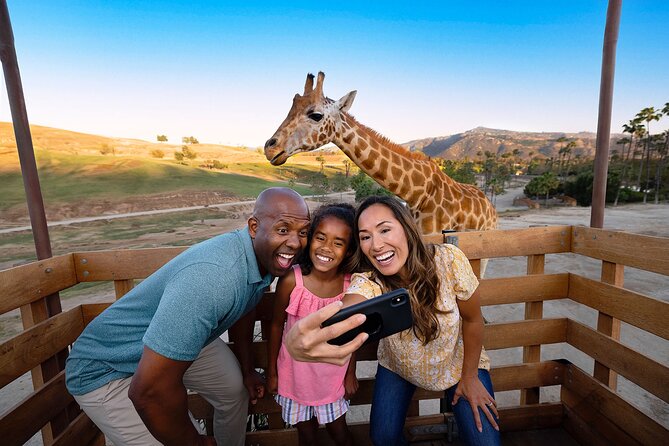
The first thing to understand is the scale. The Safari Park covers about 1,800 acres and houses more than 3,000 animals representing over 300 species. It also contains about 1.7 million plants, so the setting often feels more like a botanical reserve with animal habitats than a compact city zoo.
That size is both the attraction and the challenge. You have room to walk, pause, and look across open fields instead of moving from one small enclosure to the next. But you can also spend a long time reaching a viewing area, only to find an animal resting in a shaded corner.
The advertised visit can last two to eight hours. I would plan on four to six hours if you want to see the major areas without rushing. A short visit still works, but it will feel selective rather than complete.
Getting There From San Diego
The park is at 15500 San Pasqual Valley Road in Escondido, about 40 miles from downtown San Diego. The Zoo and Safari Park are separate attractions, roughly 35 miles apart, and the drive between them usually takes 45 minutes to an hour depending on traffic.
That makes combining both parks in one day a poor plan for most people. The city zoo needs at least three to four hours, while the Safari Park deserves four to six hours on its own.
You will need to arrange your own transportation. Hotel pickup and drop-off are not included. On arrival, allow for paid parking. The parking fee can change, and a recent price cited for a car was $20. RV and bus parking is available during normal opening hours, with staff directing large vehicles to the right area.
The park is open daily from 9 a.m. to 6 p.m., including holidays and rainy days. An early start makes sense. Many animals are more active in the morning, and you will have cooler temperatures for the long walks.
More Safari Parks in the USA
- Miami: Everglades Safari Park Airboat Tour
★ 4.4 · 1,267 reviews - Orlando: Drive-Thru Safari Park at Wild Florida
★ 4.7 · 560 reviews - San Diego Zoo Safari Park 1-Day Ticket
★ 4.5 · 283 reviews
Using the $78 Any Day Ticket
The $78 adult ticket includes admission, all animal exhibits and shows, and unlimited rides on the Africa Tram. It does not include food, parking, or special ticketed experiences.
The ticket is delivered as a mobile pass for direct entry. Take it to the turnstiles and scan your phone. You do not need to exchange it at Will Call, which saves time at the entrance.
The ticket date is mainly a reference point. According to the stated terms, it can be used within one year after purchase, and you do not need to amend the date for a visit within that period. Still, check the ticket details before setting out, especially if your plans change.
At $78, the pass is not cheap. It becomes better value if you stay most of the day, ride the tram more than once, watch a show, and make use of the included exhibits. It is harder to justify for a quick two-hour visit, especially after adding parking, meals, and any special safari activity.
Children ages 3 to 11 receive a discounted rate, and children 2 and under enter free.
Start With the Africa Tram
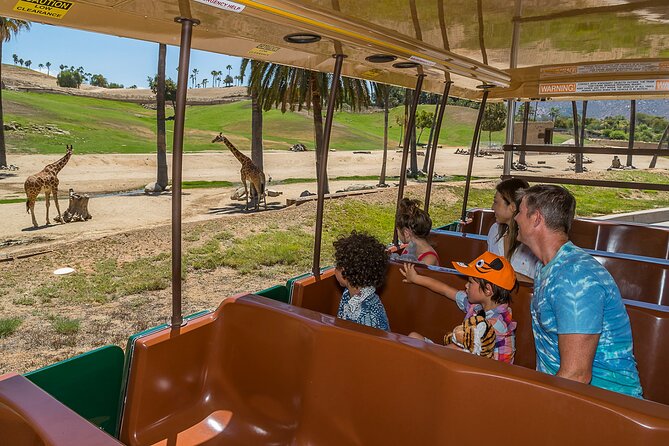
I would make the Africa Tram your first major stop. The ride lasts about 30 minutes and passes herds of elephants, zebras, and other endangered species in broad habitats. It gives you a useful sense of the park’s layout and scale before you commit to the walking trails.
The tram is included and unlimited, so you can ride again later. That matters because animal activity changes throughout the day. One ride may offer a clear view of giraffes, while another gives you a better look at elephants or grazing antelope.
The tram is not a close-contact safari. Animals may remain at a distance, and lions or tigers are not necessarily part of the tram route. Some areas feel more like a scenic ride through an animal reserve than a guaranteed viewing experience.
Still, the tram is often the strongest value in the ticket. The guides explain what you are seeing, and one especially praised guide named Delaney was described as friendly and well informed. If the tram queue is long, you may need patience. Paid safari tours can offer closer access, but those cost extra.
Walking the Africa Trails
After the tram, follow the walking paths through the Africa area. The route takes you past grassy savannas, wooded sections, and overlooks where you might see giraffes mingling with gazelles, rhinos near a watering hole, or South African cheetahs resting on a sunny slope.
The word might matters here. Animal viewing is never fully predictable. Heat, shade, feeding routines, and the animals’ own choices affect what you see. Some people will find the open habitats impressive, while others may feel frustrated by distant animals or empty viewing areas.
The walking routes can be confusing in places. Carry the park map and ask staff or volunteers for directions. Helpful team members are often available along the paths, and several visitors found the staff especially good at pointing out the best route to a particular exhibit.
Do not expect a flat, compact circuit. The grounds are large and open, with long stretches between stops. Comfortable shoes, water, sun protection, and a realistic pace matter more here than at a small urban zoo.
Same place, a different set of animals:
- San Diego Zoo 1-Day Pass: Any Day Ticket
★ 4.5 · 4,248 reviews - Florida Everglades Airboat Adventure and Wildlife Encounter
★ 4.5 · 1,791 reviews - Orlando: Everglades Airboat Ride and Wildlife Park Ticket
★ 4.7 · 1,459 reviews - San Diego Zoo Admission Ticket
★ 4.7 · 1,332 reviews
Elephants, Rhinos, and Open-Field Viewing
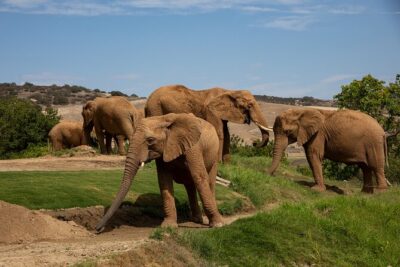
The African elephant herd is one of the major draws. You may see elephants foraging and playing, but the viewing area and current exhibit work can affect the experience. During recent construction, some people had trouble seeing the elephants from the available viewpoint.
That is a useful warning: major exhibits can change, close, or offer limited views without much notice. If elephants are a priority, check current park conditions before you go and ask staff where the best viewing point is that day.
Rhinos gather around watering areas, and giraffes often provide a more reliable open-field sight because their height makes them easier to spot. Gazelles, antelope, storks, and crowned cranes add movement across the savanna.
The setting is part of the appeal. You are not simply checking animals off a list. You are watching how much space the park gives them and how the plants, paths, and watering areas shape the view. At the same time, the wide habitats mean you should bring realistic expectations about distance.
Tigers, Gorillas, and Walkabout Australia
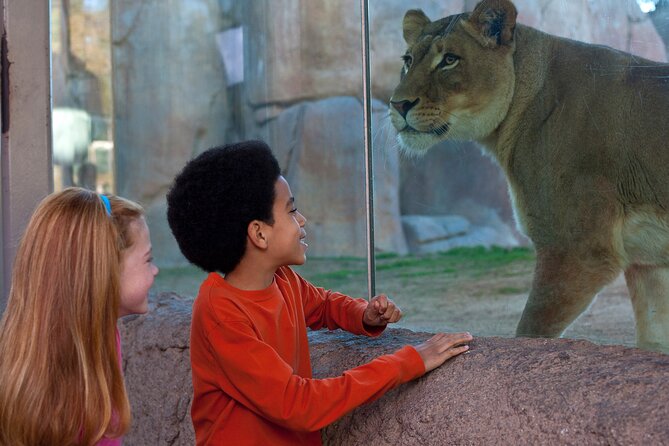
The park’s big cats are generally viewed in dedicated areas rather than from the Africa Tram. Sumatran tigers can be seen in their own habitat, while lions are also part of the park’s walking exhibits. This arrangement can disappoint anyone expecting the tram to pass directly beside every famous animal.
The gorilla exhibit has been a highlight for many people and is worth fitting into your route. It offers a more traditional close viewing experience, which balances the distant animal sightings on the open savanna.
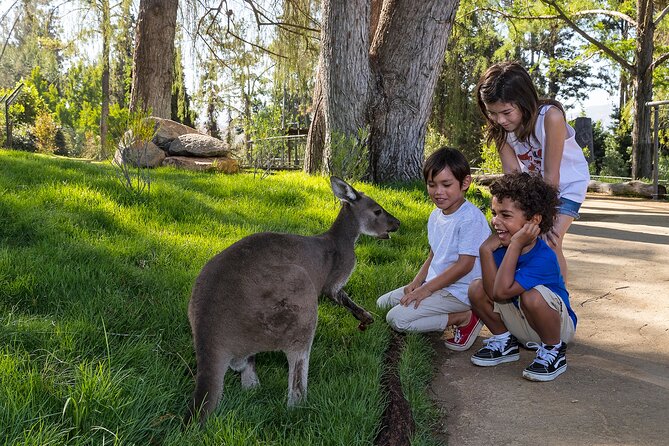
Walkabout Australia gives you a change of pace, with kangaroos and Australian wildlife. The area helps break up the long African routes and can be a good choice for families. You may find the park easier to manage if you divide it into sections instead of trying to cover every path in one continuous walk.
The California condor is another important stop. This endangered bird connects the visit to the park’s conservation work, rather than treating the animals as decoration. The park’s role in protecting rare species adds substance to the admission price, even when an individual exhibit is quiet.
Shows, Gardens, and Extra Adventures
Admission includes the animal shows and exhibits, so check the day’s schedule when you arrive. Shows provide a seated break and can offer a closer, more structured way to learn about the animals.
The park also offers paid activities, including wildlife safari trucks, electric carts, zip lines, and other special experiences. These can make sense if you want a guide, have limited mobility, or care more about close access than a self-guided walk.
They can also change the budget quickly. The $78 ticket covers the main park, but many memorable add-ons are separate purchases. Read exactly what is included before paying for a special tour. The regular ticket includes the Africa Tram, not every safari-style activity.
The botanical collection is easy to overlook, but it adds to the sense of place. Some paths pass through dense greenery, while others open onto dry grasslands. If the animals are inactive, the plants and gardens give you something worthwhile to enjoy.
Food, Water, and Rest Stops
Food is available throughout the park, from quick snacks to casual dining. The Watering Hole at Kijamii Overlook is the full-service option and offers a chance to sit down during a long day.
You may also bring food in small containers. Coolers, glass containers, alcohol, party trays, birthday cakes, and decorations are not allowed, and there is no food storage on the grounds.
I would bring a refillable water bottle and a few simple snacks if allowed under the park rules. One practical complaint about the visit was the cost of food and drinks, while another recommendation specifically favored bringing healthy drinks and snacks. With the heat and long distances, hydration is not a minor detail.
Nairobi Village is a useful rest area with dining and shopping. It can feel commercial compared with the animal habitats, but it gives you toilets, food, and a place to regroup. Restrooms are available, though clearer signs would make navigation easier in some sections.
Walking, Heat, and Accessibility
You should have a moderate level of physical fitness for a standard visit. The paths cover a lot of ground, and much of the park is open to the sun. A hot afternoon can make the same route feel far harder than it did in the morning.
Manual wheelchairs and electric scooters are available to rent for a fee. A valid driver’s license or San Diego Zoo Safari Park membership card is required for rental. The park provides accessible parking, restrooms, shows, tour buses, and exhibits.
Strollers and electric carts can also help families and anyone who wants to reduce the walking. Plan the route before setting off, and use the tram as both an attraction and a way to rest your legs.
Service animals are allowed, but pets, comfort animals, and emotional support animals are not permitted. The park houses rare and endangered species and is treated as a quarantined facility.
Rain, Timing, and Animal Visibility
The Safari Park remains open in rain. Some animals may retreat to off-exhibit areas, but others continue as normal. A rainy day could mean fewer visible animals, so keep that in mind when choosing a date.
Morning is the safest general choice because many animals are early risers. There is no guaranteed time when every species will be visible. You may see more by returning to a promising exhibit later instead of assuming the first quiet viewing means the animals are absent.
The park’s broad habitats also mean the experience changes with patience. Pause at overlooks, scan the distant grass, and ask staff where animals have been active. The best sightings often reward slowing down rather than rushing from sign to sign.
Who Should Book the Safari Park
I would recommend this pass to families, couples, photographers, animal lovers, and anyone interested in conservation. It is also a good choice for people who prefer a full outdoor day with freedom to choose their own pace.
It suits older children who can handle long walks, though younger children may need a stroller or regular breaks. The tram, shows, gorillas, tigers, and kangaroos provide variety when a long savanna trail starts to feel tiring.
I would hesitate if you have only two hours, dislike walking in heat, or need guaranteed close views of every animal. The park is not a fast checklist attraction, and the $78 admission becomes expensive if you see only a few exhibits and skip the tram.
Cancellation and Final Booking Advice
Free cancellation is available up to 24 hours before the experience start time for a full refund. Cancellations or changes made within 24 hours are not accepted for a refund, and the cut-off uses local time.
Book this pass if you can give the park at least half a day. Use the tram early, return to strong viewing areas later, and budget for parking and food. If elephants, lions, or a particular animal are your main reason for going, check current exhibit conditions first.
The best part of the Safari Park is its scale, not a guarantee of constant action. Give it time, bring water, and accept that a quiet animal habitat is part of the deal. For the right visitor, the open spaces, helpful staff, conservation work, and included tram make this a worthwhile San Diego day out.
FAQ
How do I redeem the San Diego Safari Park ticket?
Use the mobile ticket directly at the entrance turnstiles. You do not need to exchange it at Will Call.
Where is the San Diego Safari Park?
It is located at 15500 San Pasqual Valley Road, Escondido, California 92027, about 40 miles from downtown San Diego.
Is parking included?
No. The parking lot is privately owned and charges a fee, which can change. Payment may be made by cash, credit card, or debit card.
What does the ticket include?
The ticket includes admission, all animal exhibits and shows, and unlimited rides on the Africa Tram. Food, parking, and special ticketed experiences cost extra.
Can I use the ticket on a different date?
The travel date is for reference, and the ticket can be redeemed within one year after purchase. A date change is not required for travel within that period.
Is the park suitable for visitors with disabilities?
Yes. The park provides accessible parking, restrooms, shows, tour buses, and exhibits. Manual wheelchairs and electric scooters are available to rent for a fee.
More Day Trips in the USA
- San Diego Zoo: 1-Day Admission Ticket
★ 4.6 · 1,150 reviews - Phoenix Zoo One Day General Admission Ticket
★ 4.5 · 465 reviews - San Diego: San Diego Zoo Safari Park 1-Day Ticket
★ 4.4 · 240 reviews - Barcelona: 1-Day Ticket to Barcelona Zoo
★ 4.4 · 3,507 reviews
Just added around the USA
- Wildlife Center with Lunch & Local Beer Sampling★ 5.0 · 6 reviews
- Central Florida Zoo and Botanical Gardens Ticket★ 5.0 · 3 reviews
- See 30 Top New York Sights (Walking Tour) & Visit Central Park Zoo.★ 3.0 · 4 reviews
- Norfolk’s Combo Tickets – Virginia Zoo & Battleship Wisconsin★ 4.5 · 29 reviews
- Las Vegas Guided UTV Safari and Zoo Tour★ 5.0 · 5 reviews
- Camel Safari – Camel Ride and Zoo Tour★ 4.5 · 13 reviews
- Nature Health Farms Alpaca Farm Petting Zoo Pahrump Death Valley★ 4.5 · 16 reviews
- Las Vegas Safari Tram Ride and Zoo Tour at Camel Safari★ 4.5 · 31 reviews
San Diego Zoos, compared.


San Diego Zoo and Safari Park 2-Visit Pass Ticket
Read our review →
San Diego Zoo and Safari Park 2-Day Entry Ticket
Read our review →
San Diego Explorer Pass: Save up to 50% – Includes San Diego Zoo
Read our review →Browse the lists this tour appears in