
REVIEW · KRABI
Krabi: Observation-Only Elephant Sanctuary 2hrs Mini Moments
The most important thing here is what you do not do: you do not ride, bathe, touch, or pose with the elephants. Instead, you watch them move freely, offer bananas and sugar cane on a tray, and walk nearby while a guide explains their behavior. I like the hands-off approach and the calm pace. I also like that your souvenir is a fabric bag you paint yourself, not another quick photo stop. The main consideration is simple: if you want close physical contact, this is not your tour.
This two-hour visit costs $68 per person, which is fair if you value ethical care, hotel return, food, drinks, and a small group. The experience can be especially personal when bookings are light. One visitor had the tour alone, while another group had only three people with guide Yai. Bring sun protection, comfortable shoes, socks, cash, and your passport or a copy.
Key points to know before you book
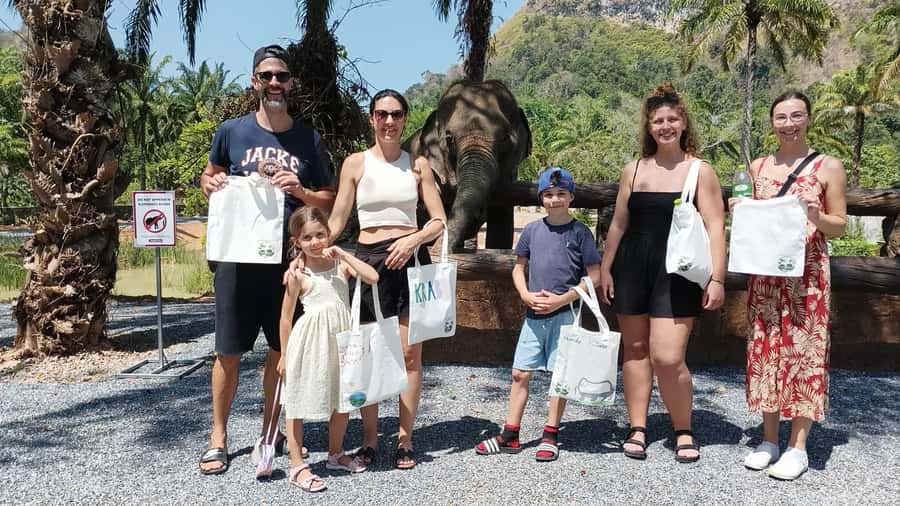
- No touching, riding, or bathing: You observe the elephants and offer food from a tray, keeping the visit respectful and low-pressure.
- Guide Yai adds personal detail: The visit includes elephant stories, behavior notes, and plenty of time for questions.
- A quiet walk replaces staged interaction: You stroll alongside the elephants as they move through their natural habitat.
- Your souvenir is a painted fabric bag: The creative session gives you a useful reminder of the day.
- Small groups can make a difference: Light bookings may mean more time to watch, ask questions, and take photos.
- Vegetarian food is served: Tell the sanctuary about allergies or dietary needs ahead of time, since no extra food ordering is available on-site.
Why the hands-off format matters in Krabi
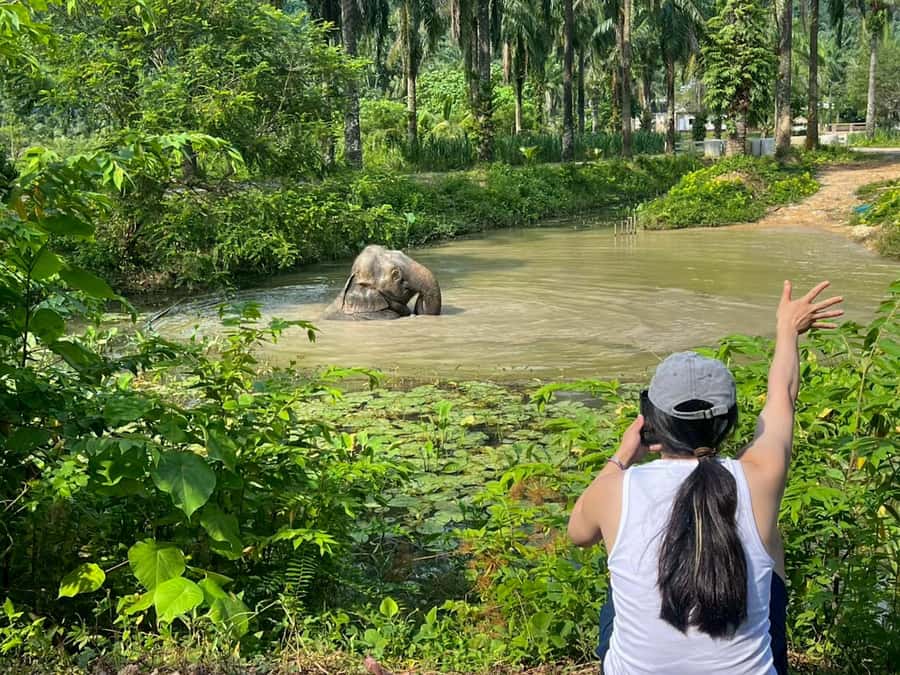
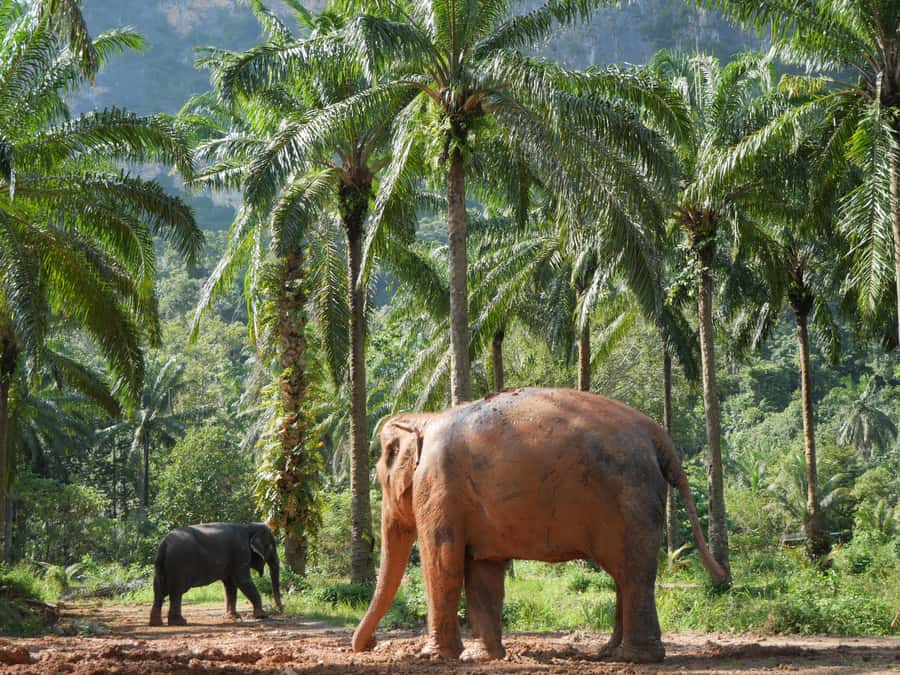
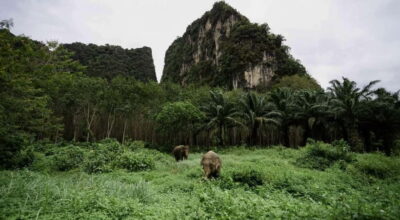
Elephant experiences in Thailand vary greatly. Some involve riding, bathing, hugging, or repeated feeding for the sake of a photograph. This one takes a quieter path. You remain close enough to observe the elephants, but the animals decide how much distance they want.
I like that distinction. An elephant sanctuary should give the animals room to behave like elephants, not turn them into performers. Here, the stated goal is observation without touching. That means you may watch an elephant eat, walk, pause, or ignore the group. That is part of the point.
The lack of physical contact may surprise you if you have visited animal parks built around interaction. The experience asks you to pay attention instead. Look at how the elephants use their trunks, how they respond to food, and how they move through the grounds. A guide explains what you are seeing, so the visit does not feel like standing silently behind a fence.
The sanctuary is relatively new, and the operation is still developing. That can mean a less polished feel than a large, established attraction. For me, the tradeoff is worthwhile if the animals’ welfare comes before a packed schedule of activities.
More Elephant Sanctuaries in Thailand:
- Chiang Mai: Elephant Sanctuary, Waterfall & Bamboo Rafting
★ 4.9 · 9,160 reviews - Chiang Mai: Elephant Sanctuary & Waterfall Group Tour
★ 4.9 · 5,780 reviews - Chiang Mai: Elephant Sanctuary Feeding Program Half-Day Tour
★ 4.8 · 4,527 reviews
Your introduction to the sanctuary and its elephants
The visit begins with an explanation of the sanctuary’s purpose and the stories of the elephants in its care. This opening matters because it gives you context before you approach the animals. You learn that each elephant has an individual background, rather than seeing a group of identical attractions.
Guide Yai has led some visits, offering detailed explanations and answering questions throughout the morning or afternoon. English is the listed tour language. The quality of this introduction will shape the rest of your time, and the available feedback points to guides who take their role seriously.
Keep your expectations realistic. You are not signing up for a formal wildlife lecture or a long conservation course. This is a short, approachable introduction designed to help you observe more carefully. The best questions will be practical ones about elephant behavior, daily routines, food, and the sanctuary’s approach to care.
This is also the moment to settle into the rules. You will be close to the elephants, but you will not touch them. The restriction is not a flaw. It is the central promise of the visit.
Feeding bananas and sugar cane from a tray
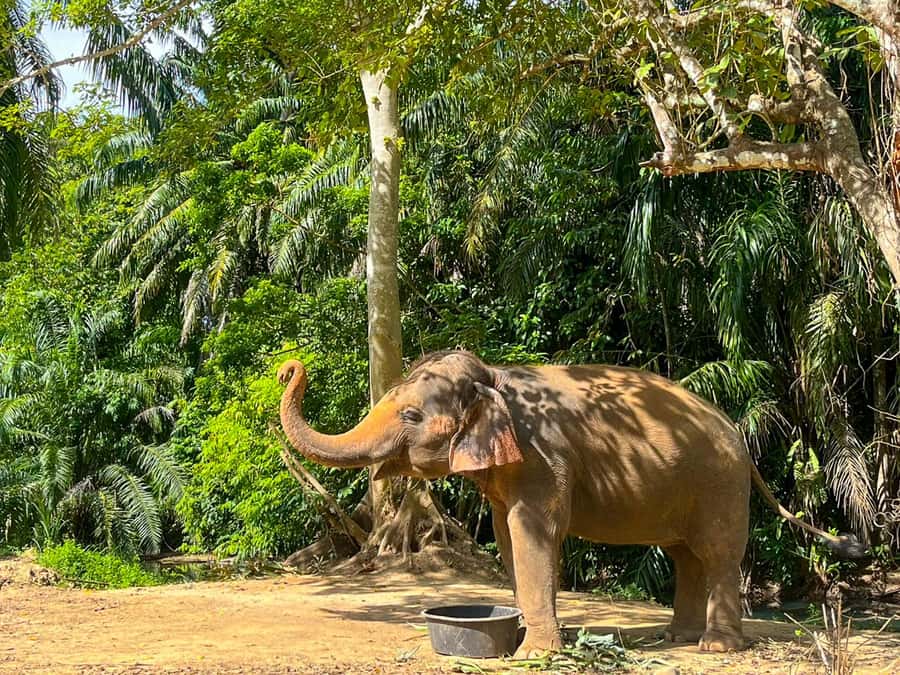
The feeding stop gives you a closer look without turning the elephant into a prop. You place treats such as bananas and sugar cane on a tray, then offer them under the guide’s direction. The arrangement lets you participate while keeping physical contact out of the picture.
That difference is valuable. You can watch a trunk reach for food, see how quickly an elephant chooses a treat, and notice the animal’s size and control at close range. The food also helps you focus on behavior instead of simply trying to get a photograph.
Follow the guide’s instructions carefully. Keep the tray steady, avoid sudden movements, and let the elephant set the pace. Do not assume that a hungry elephant wants to be touched or approached more closely. The whole point is to make the encounter gentle and predictable.
This portion may be brief, especially if the elephants are not interested in lingering. That is worth accepting. A sanctuary built around animal choice cannot promise a perfectly timed photo or a long feeding session. The uncertainty is more honest than a forced encounter.
Food is also part of the wider hospitality. Visitors have been served vegetarian dishes, drinks, and buffet-style food at the beginning and end of the visit. Tell the sanctuary about allergies or restrictions in advance. The only food available is vegetarian, and the staff do not provide extra food-ordering services on-site.
Walking with elephants without chasing the moment
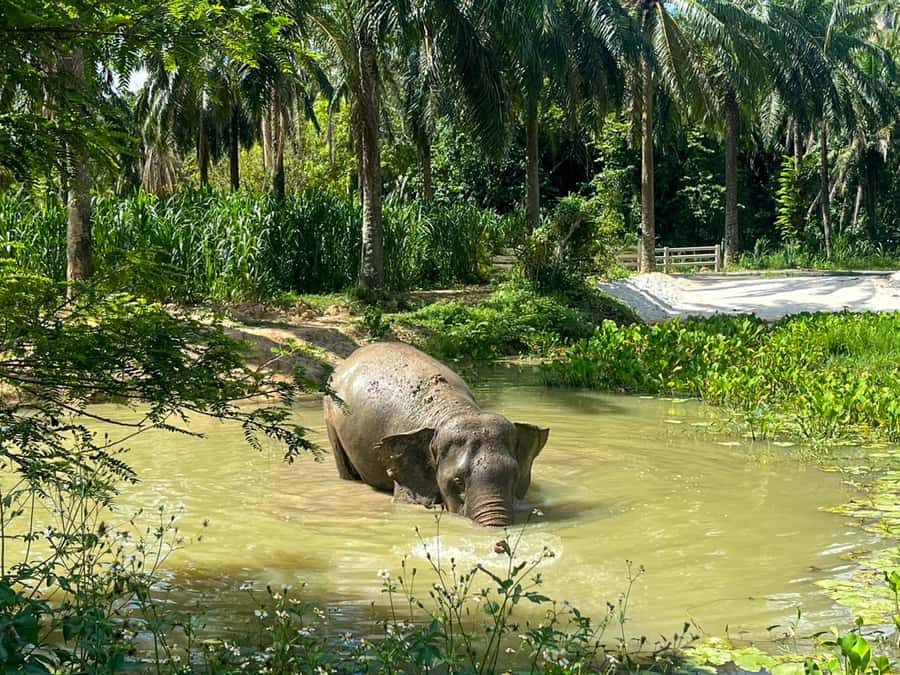
After the feeding, you take a peaceful walk near the elephants. This is not a parade, and you are not directing the animals. You follow at a respectful distance while they move through the sanctuary’s natural setting.
For me, this is likely the strongest part of the experience. Feeding gives you a clear activity, but walking gives you time to notice the animals as living creatures with their own plans. One may move steadily, pause, or wander away from the group. Your job is to watch, not manage the scene.
The walk also keeps the visit from becoming a series of posed moments. You are not being pushed from one photo opportunity to the next. Instead, the guide helps you understand what is happening and points out useful details about elephant behavior.
Wear comfortable shoes. You will be walking outdoors, and sun protection matters. A hat and sunglasses are sensible, as are socks and clothing suitable for warm conditions. The information provided does not specify the walking distance or ground conditions, so you should not assume a completely smooth or shaded route.
If you have mobility concerns, ask the provider for current details before booking. The available information does not give an accessibility rating, and the tour includes an outdoor walk.
More Viewpoints in Thailand:
- Chiang Mai Half Day Elephant Sanctuary Observation and Waterfall
★ 5.0 · 88 reviews - Chiang Mai Elephant Sanctuary Observation and Bamboo Rafting
★ 5.0 · 44 reviews - Chiang Mai: Inthanon, Elephant Sanctuary Observation & Waterfall
★ 5.0 · 33 reviews - Ethical Elephant Observation by Samui Elephant Sanctuary
★ 4.5 · 6 reviews
Painting a fabric bag in the shade
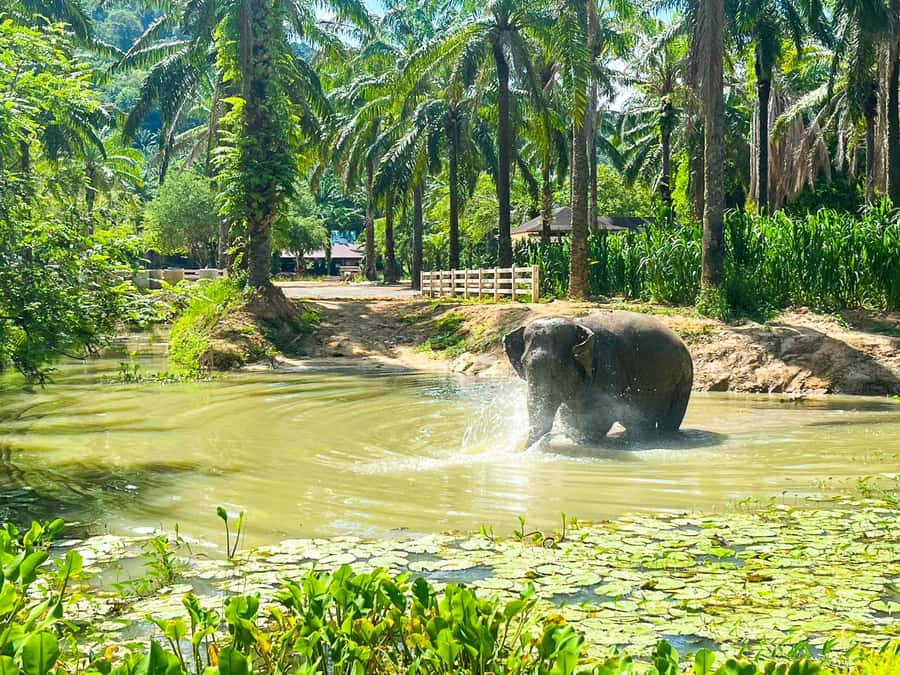
The fabric bag painting session gives the visit a slower middle section. After spending time outdoors, you can sit down and create a personal souvenir inspired by elephants and nature.
I like this addition because it prevents the experience from being all observation and logistics. You get a chance to relax, make something with your hands, and take home a useful reminder rather than buying a generic item. It also works well for families and anyone who enjoys a creative break.
Do not expect a professional art workshop. The value is in the pause, not in technical instruction. You are painting a simple fabric bag, and the activity gives you time to talk with your guide or companions. It is a pleasant change of pace after the outdoor portion.
The painting also reinforces the sanctuary’s softer tone. You are not leaving with a staged photograph of yourself touching an elephant. You are leaving with something you made while learning to watch these animals without treating them as entertainment equipment.
Group size, guide quality, and the pace of two hours
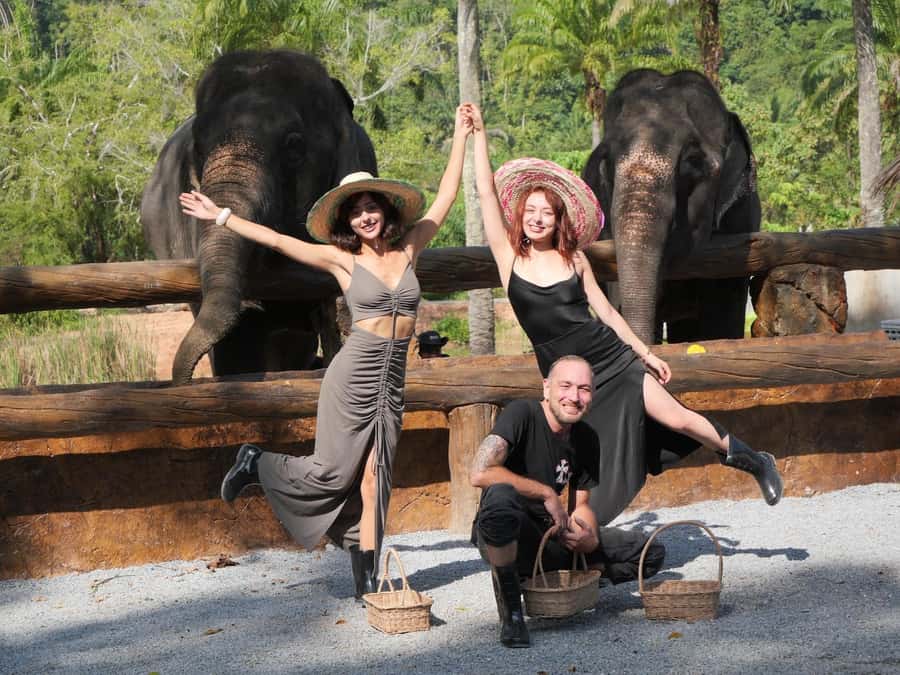
The advertised length is two hours, enough time for an introduction, tray feeding, a walk, painting, and refreshments without turning the visit into a full-day commitment. That makes it easy to fit around other plans in Krabi.
Group size may shape the experience more than the clock. With no other bookings, one visitor had a private visit and extra time to watch the elephants. Another group had only three people. Small numbers make it easier to ask questions and avoid crowding the animals.
You should not assume every departure will be private. The practical lesson is to value the possibility of a small group, not book on the promise of one. Even with more people, the no-touch rule gives the sanctuary a clear structure and should limit the push for everyone to crowd around an elephant.
Guide Yai has been singled out by name for being friendly, attentive, and willing to explain the elephants in detail. Other guides may lead your visit, but the program is designed around guided interpretation rather than a self-guided walk. That is important because the experience depends on understanding what you are observing.
Hotel pickup and return worked well for at least some departures, and transport back to the hotel was included in those visits. Confirm pickup details when you book, since the supplied information does not list a full pickup zone or schedule.
Is $68 a fair price?
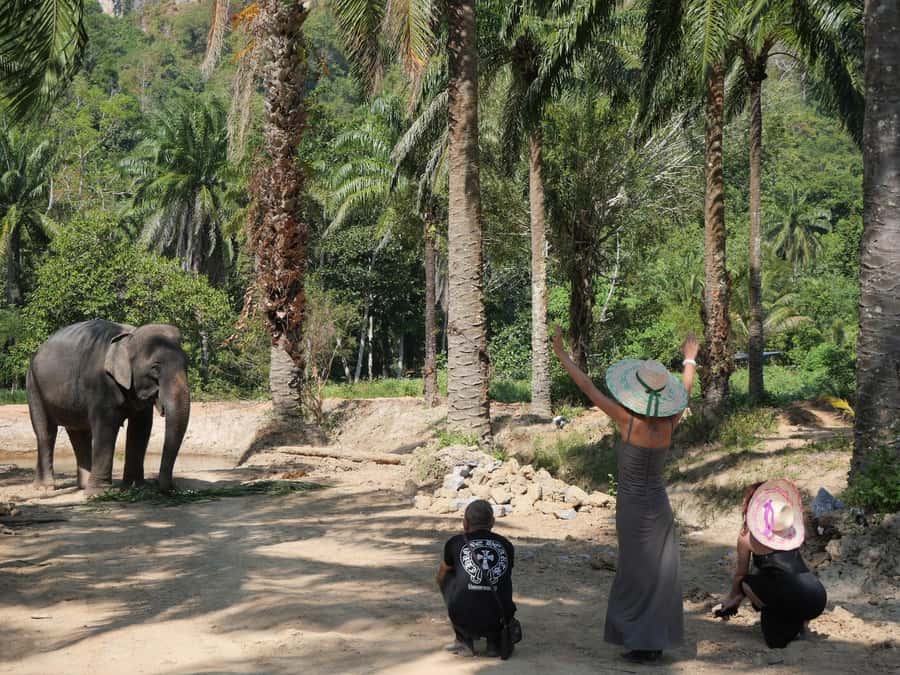
At $68 per person, this is not the cheapest way to see elephants in Krabi. The fair question is what the price includes and what kind of encounter you want.
You are paying for a two-hour guided visit, an introduction to the sanctuary and its elephants, tray feeding, a walk, the fabric bag activity, food, drinks, and support for an operation built around non-contact observation. For many people, that is better value than a cheaper package centered on riding or bathing.
The small-group possibility improves the value. More time with a guide, less crowding, and a calmer setting can make a short visit feel personal. The included food and drinks are useful extras, though they should not be the main reason to choose this experience.
The price is harder to justify if your main goal is touching an elephant or getting a dramatic close-up photograph. This tour deliberately removes those activities. You are paying for a respectful encounter and the chance to observe natural behavior, not for guaranteed physical interaction.
Book with the right expectations, and the cost makes sense. Compare not only the number of activities but also the kind of treatment the elephants receive.
Who will enjoy this experience most?
This visit suits you if you want to support responsible animal tourism and are happy to let the elephants control the encounter. It is a good fit for people who enjoy nature, photography from a respectful distance, and guided learning.
Families may appreciate the combination of feeding, walking, painting, and food. The creative activity gives children something to do besides wait for an elephant to move, though the adults will need to reinforce the no-touch rule.
It also suits first-time visitors who want a short introduction rather than a full-day program. Two hours leaves room for other Krabi plans, and the hotel return helps keep the schedule manageable.
You may want another option if you expect bathing, riding, touching, or a long trek. You should also think twice if you dislike outdoor heat or prefer a highly structured attraction with guaranteed animal activity. Elephants are not actors. The calmest, most ethical moments may also be the least predictable.
Practical details to handle before you go
Bring comfortable shoes, sunglasses, a sun hat, socks, and cash. You also need your passport, although a copy is accepted. Sun protection is especially sensible because the program includes an outdoor walk.
Tell the sanctuary about allergies and dietary restrictions before the visit. Vegetarian meals are served, but additional food cannot be ordered on-site. This is particularly important if you need to avoid nuts, dairy, eggs, or another ingredient.
The tour is offered in English. Booking can be made with payment later, and cancellation is allowed up to 24 hours before the activity for a full refund. Those terms give you some flexibility, but you should still confirm the pickup arrangement and any dietary notes before departure.
Keep your camera ready, but do not let it run the visit. The best photographs will come from watching patiently. If an elephant turns away, that is the animal making a choice, not the tour failing.
Should you book Krabi Roaming Elephant Sanctuary?
I would book this if you want a short, thoughtful elephant experience with clear limits on human contact. The tray feeding, quiet walk, guide-led explanations, and fabric bag painting create a varied two-hour visit without forcing the animals to perform.
I would skip it only if physical interaction is your main goal. The sanctuary’s best feature is also its firmest restriction: you observe, but you do not touch.
For $68, the experience offers good value when you count the guide, food, drinks, creative activity, possible small group, and support for a more respectful model of elephant tourism. Bring patience, sun protection, and realistic expectations. Let the elephants decide how much of the show there is.
FAQ
How long does the elephant sanctuary experience last?
The experience lasts two hours. It includes an introduction, tray feeding, a walk with the elephants, and fabric bag painting.
Can I touch or bathe the elephants?
No. The tour is observation-only. It does not include touching, bathing, riding, or other physical interaction.
What food can I offer the elephants?
You can offer treats such as bananas and sugar cane on a tray, following the guide’s instructions.
Is food included for visitors?
Yes. Vegetarian food and drinks are provided. You should tell the sanctuary about allergies or dietary restrictions in advance, and no additional food ordering is available on-site.
What language is the tour offered in?
The tour is offered in English.
What should I bring?
Bring comfortable shoes, sunglasses, a sun hat, socks, cash, and your passport or a copy of your passport.
Just added around Thailand
- Elephant Sanctuary Small Group Tour in Phuket★ 5.0 · 3 reviews
- Phuket Guided Tour to Elephant Sanctuary with Hotel Transfers★ 5.0 · 14 reviews
- Krabi Elephant Sanctuary and Emerald Pool Adventure★ 5.0 · 2 reviews
- Krabi Immersive Elephant Sanctuary Experience★ 3.5 · 2 reviews
- Guide Tour to Khaolak Elephant Sanctuary in Small Group★ 5.0 · 47 reviews
- Ethical Elephant Observation by Samui Elephant Sanctuary★ 4.5 · 6 reviews
- Early Bird James Bond Island and Elephant Sanctuary from Khaolak★ 5.0 · 2 reviews
- Guided Tour to Takua Pa and Elephant Sanctuary in Khao Lak★ 5.0 · 4 reviews
Krabi Zoos, compared.
Krabi: Ao Nang Elephant Sanctuary Half-Day Tour
Read our review →
Krabi: Ethical Elephant Sanctuary & Tiger Cave Temple Tour
Read our review →
Krabi: Observation-Only Elephant Sanctuary Half-Day & Meal
Read our review →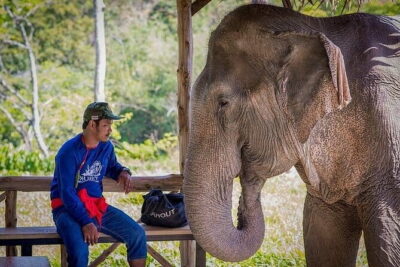
Krabi Elephant Sanctuary and Emerald Pool Adventure
Read our review →Browse the lists this tour appears in