
REVIEW · KRABI
Krabi: Ethical Elephant Sanctuary Experience
The best part of this four-hour visit is the chance to see Asian elephants at their own pace. You learn how caretakers check their health, prepare their food, and guide them through the jungle, rather than simply watching a staged show. I like the family-run setting and the useful mix of education, feeding, walking, and a freshly cooked Thai lunch.
I also like the practical comfort: air-conditioned hotel transport, a caretaker outfit, lockers, showers, and time to change before lunch. The main point to consider is the bathing session. You may watch from the edge or choose to get involved, but one visitor questioned whether scrubbing and bathing elephants is fully ethical, so this part deserves a thoughtful decision.
Key points at a glance
- A 150-year family connection: Phang Nga Elephant Park says its family has cared for elephants for more than 150 years.
- A calm, activity-based visit: You walk beside your elephant, prepare food, feed her, and observe a health check.
- Bathing is optional: You can watch the elephant use the rock pool or choose to get wet alongside her.
- A guide-led introduction: English-speaking guides explain Asian elephant behavior, history, safety, and daily care.
- Good practical facilities: Hotel pickup, air-conditioned transport, lockers, showers, changing space, lunch, fruit, and drinks are included.
- A strong fit for families with older children: Children under four cannot join, and the four-hour schedule suits visitors who want more than a quick photo stop.
Meeting elephants in a rural Thai jungle
Phang Nga Elephant Park offers a different kind of elephant encounter. The setting is a rural jungle area, and the visit centers on daily care rather than tricks or performances. You come to understand what the elephants eat, how caretakers approach them, and how they spend their time.
The park says its elephants came from working camps around Thailand. Their days now focus on resting, eating, socializing, and serving as ambassadors for Asian elephants. That background matters. You are not visiting an untouched wild herd, but you are seeing animals that have moved from working lives into a care program designed around welfare and public education.
The family-run history is a useful part of the introduction. The family has cared for elephants for more than 150 years, and the park says it also aims to teach Thai elephant owners better care practices. That gives the visit a wider purpose beyond a few hours of contact.
The experience costs $112 per person. That is not a small add-on, especially if you are traveling with a family, but the price includes transport, a guide, activities, lunch, fruit, drinks, and use of changing facilities. You are paying for a half-day program with several moving parts, not just entry to an animal park.
More Elephant Sanctuaries in Thailand:
- Chiang Mai: Elephant Sanctuary, Waterfall & Bamboo Rafting
★ 4.9 · 9,160 reviews - Chiang Mai: Elephant Sanctuary & Waterfall Group Tour
★ 4.9 · 5,780 reviews - Chiang Mai: Elephant Sanctuary Feeding Program Half-Day Tour
★ 4.8 · 4,527 reviews
From hotel pickup to the welcome drink
Your day begins with pickup at your hotel in air-conditioned transport. Pickup times vary by location, so you need to check your start time and wait in the hotel lobby 10 minutes early. That simple detail can save you a rushed start, especially if your hotel is outside the immediate area.
On arrival, you receive the park’s signature welcome drink and meet your English-speaking guide. The opening talk covers Asian elephant history, behavior, and daily routines, along with information about the park itself.
This introduction is more useful than it may sound. An elephant is powerful, social, and not a pet, so learning how to approach and direct her helps you behave properly. The guide also gives a safety briefing before you meet your elephant. Pay attention here. The animals may be gentle, but their size means that clear instructions matter.
One guide, Pia, received specific praise for being informative and helpful. The park may assign a different guide on your visit, but an English-speaking guide is included throughout the experience.
Learning the caretaker’s daily routine
Before meeting your elephant, you change into a caretaker outfit. You can wear it for the rest of the visit, which is handy because the bathing and skin-care activities can leave you wet or muddy.
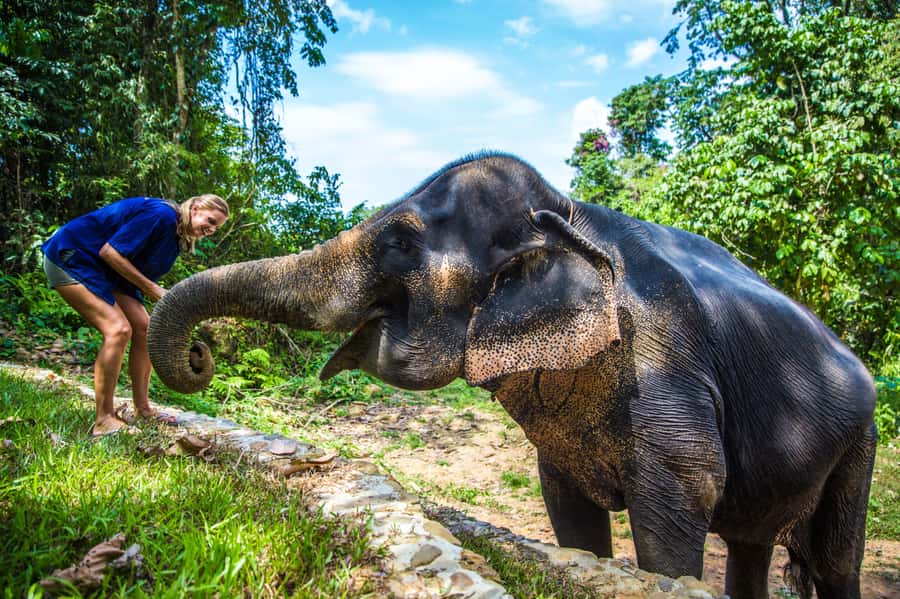
The first practical lesson is an elephant health check. You watch a demonstration and learn what caretakers look for as part of the animal’s daily routine. The schedule also includes a full health check for your elephant, giving you a closer look at care work that is often hidden behind the scenes.
You then meet your elephant and learn about her. The wording matters here: the experience is arranged around one particular elephant, rather than a distant view of several animals in a large enclosure. That personal connection can make the visit more memorable, but it also means you should follow the caretaker’s directions closely and let the elephant set the pace.
The park presents its elephants as free to rest, eat, and socialize as they choose. A high point of the visit is seeing how the animals respond in the moment instead of being pushed through a fixed show routine. Even so, the park remains a managed attraction, so you should keep your expectations realistic. This is a guided contact experience, not a wildlife safari.
Walking beside an elephant through the jungle
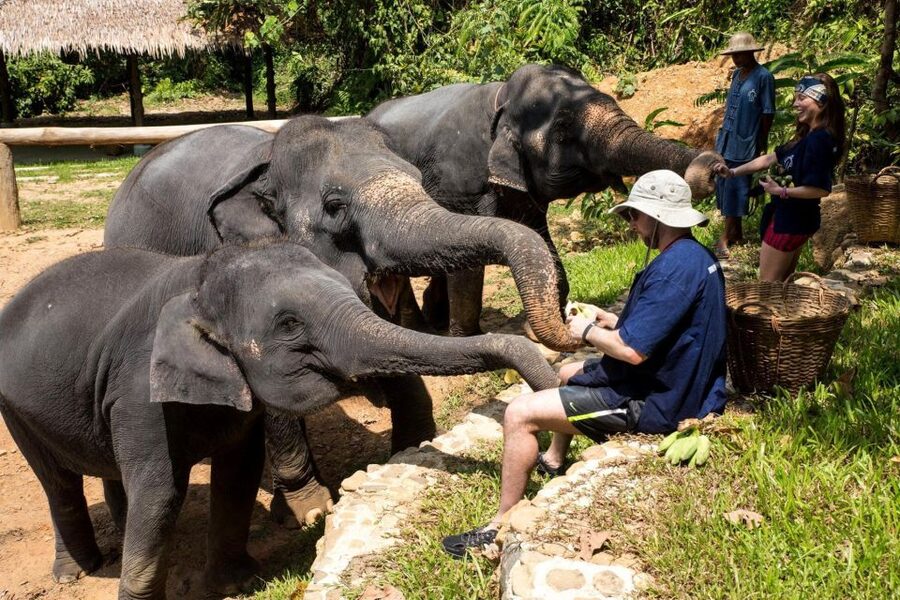
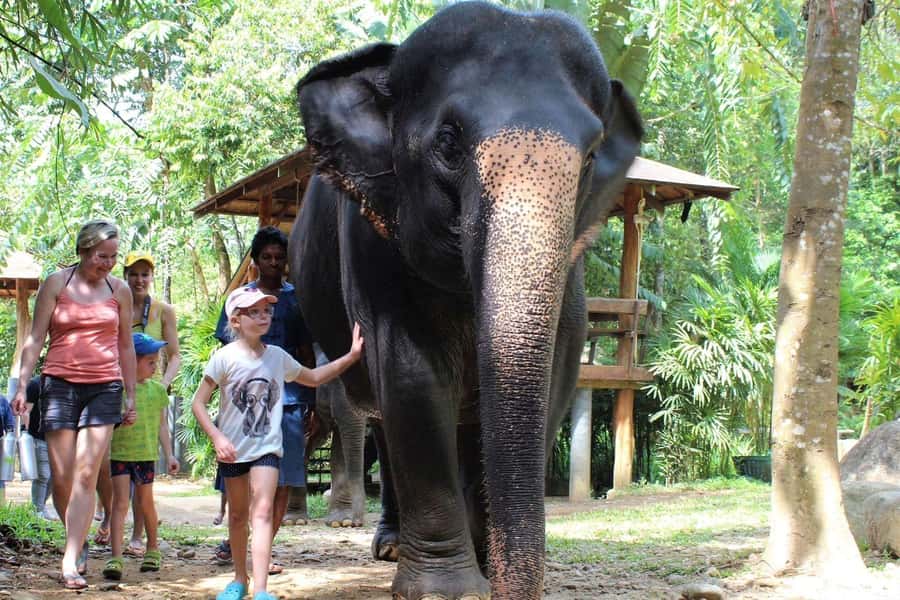
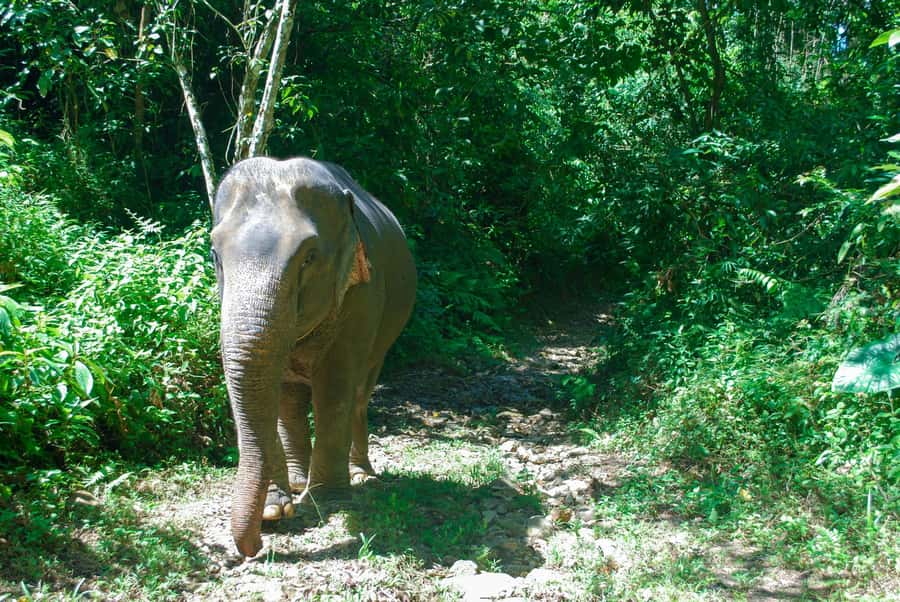
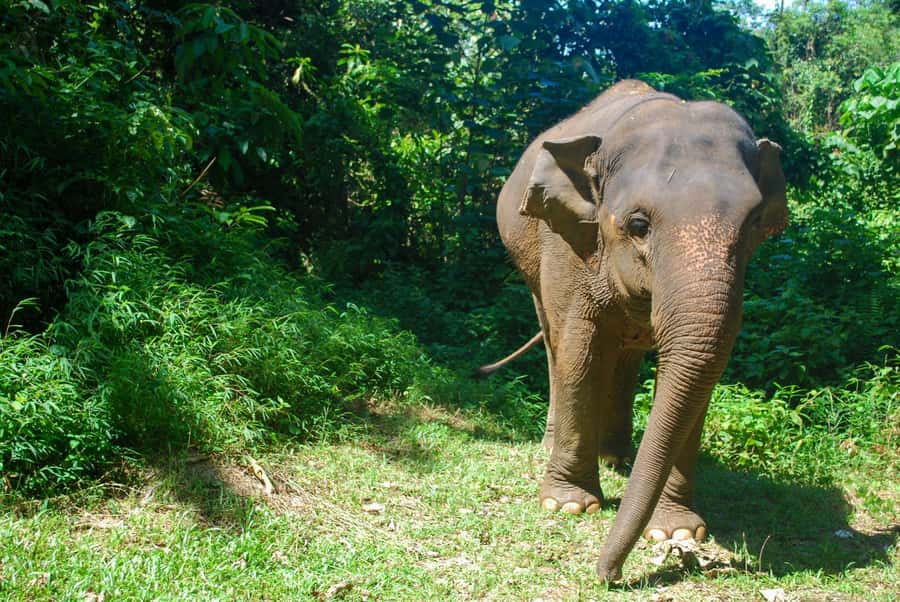
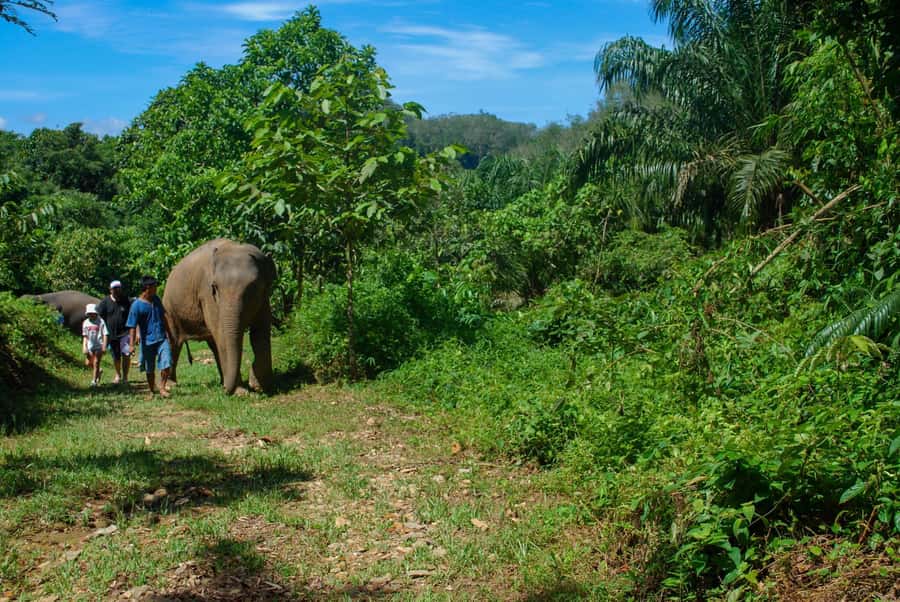
The walk takes you through the park’s jungle surroundings with your elephant beside you. You are not simply led to a viewing platform. You move at the animal’s pace and watch her take breaks along the way.
That slower rhythm is one of the better features of the program. You have time to see how an elephant behaves while walking, resting, and eating. The guide can point out details about her routine and explain how caretakers direct her safely.
The walk may suit you if you want an active visit without a demanding hike. The supplied details do not give a distance, trail condition, or fitness rating, so you should not book this expecting a formal jungle trek. The focus is the elephant, not covering miles.
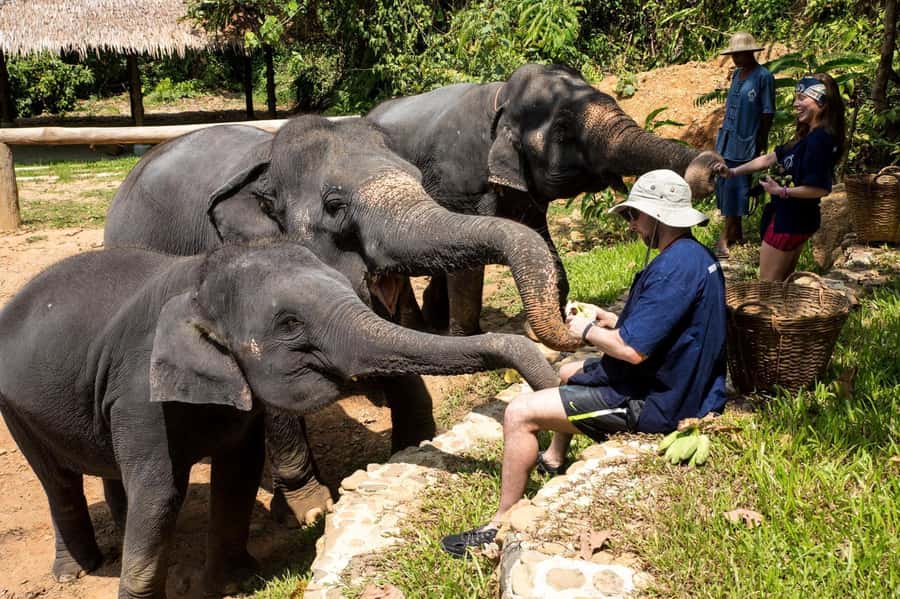
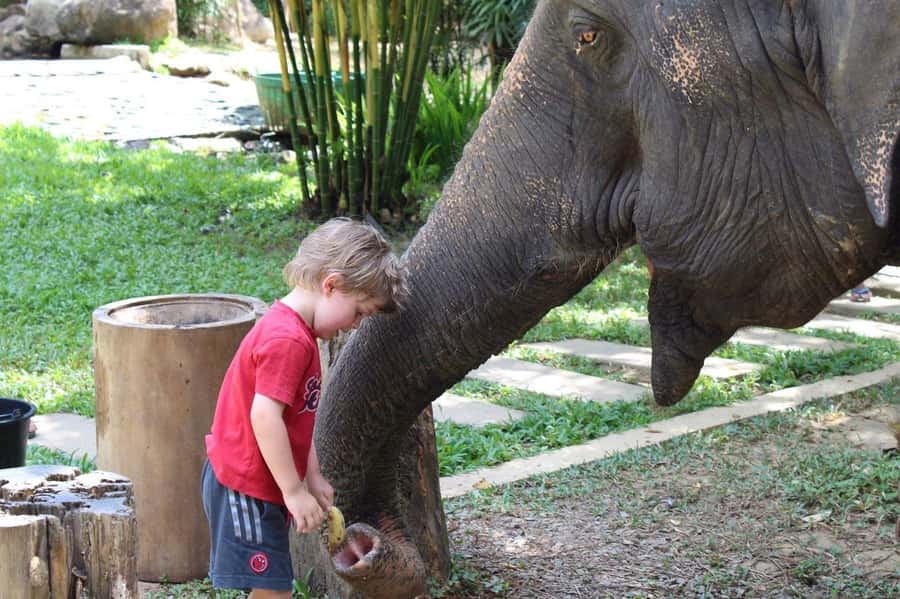
When the elephant rests, you prepare food for her. This turns feeding into a small lesson rather than a quick handout. You take part in the preparation, then feed her in the jungle surroundings. It is a simple activity, but it helps explain the amount of food and attention an elephant needs every day.
Bring insect repellent. The park is in a jungle setting, and repellent is specifically recommended. Comfortable clothes and footwear also make sense, though the listed requirements focus on swimwear, a towel, and a change of clothes.
A few more animal parks around Thailand worth a look
- Chiang Mai: Elephant Sanctuary, Long Neck & Sticky Waterfall
★ 4.9 · 2,262 reviews - Phuket: Elephant Sanctuary Guided Tour with Hotel Transfers
★ 4.8 · 2,020 reviews - Krabi: Ao Nang Elephant Sanctuary Half-Day Tour
★ 4.8 · 1,796 reviews - A Morning with the Elephants at Phuket Elephant Sanctuary
★ 5.0 · 1,693 reviews
The rock pool and the ethics of bathing
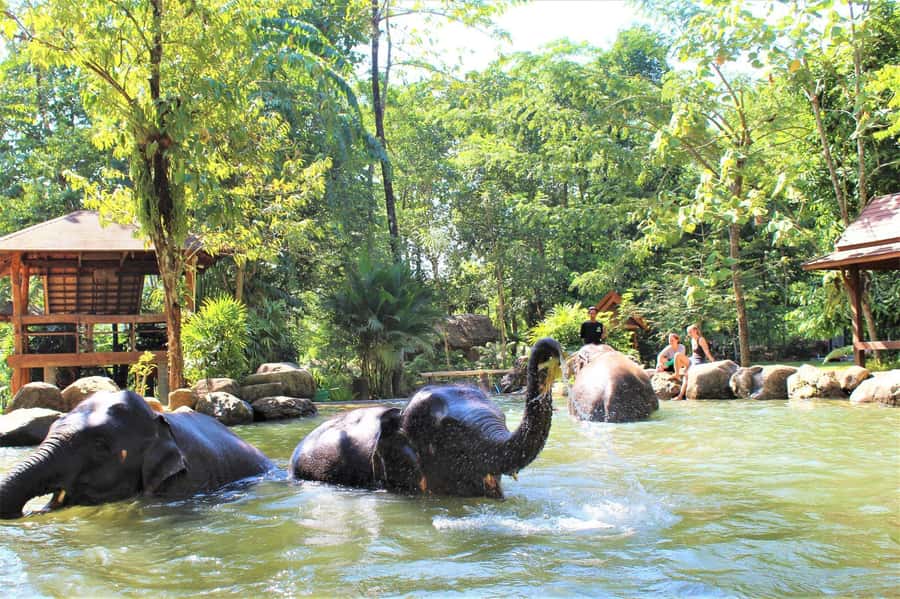
After the walk, the elephant can cool off in a rock pool. You watch her bathe and may choose to bathe with her. You can also remain on the side and simply observe.
This is the part of the visit that calls for the most personal judgment. The park describes skin care and elephant bathing as part of the program, and one visitor was uneasy about being allowed to scrub and bathe the animals. That concern is worth taking seriously. Ethical elephant tourism is not only about avoiding rides and shows. It also involves asking how much human contact the animal wants and how much the animal is being managed for our benefit.
The helpful feature here is choice. You do not have to enter the pool, and you can watch the elephant instead. If you prefer a lower-contact approach, skip the bathing and enjoy the animal’s own behavior from a respectful distance. Ask your guide what the elephant is comfortable with, and do not assume that a friendly animal wants constant handling.
You should also expect to get wet if you choose to join the session. Pack swimwear and a towel, then use the shower and changing facilities afterward. The park provides lockers for your belongings, which means you do not need to carry your valuables through the activity.
Thai lunch after the morning’s work
After showering and changing, you sit down to a traditional Thai lunch. Fresh fruit and refreshments follow, and the meal is included in the price.
Food can make a big difference on a short excursion. You have spent the morning walking, preparing food, and spending time outside, so a proper meal is more useful than a token snack. The meal was one of the most praised parts of the experience, with specific approval for both the Thai food and the drinks.
The menu is not specified, so do not book this expecting a particular dish or a special dietary plan unless you confirm it in advance. The information only promises a traditional Thai lunch, fresh fruit, and refreshments.
After eating, you have time to relax, take photos, visit the souvenir shop, and look around the Education Centre. These final moments give you a chance to slow down before the drive back. The Education Centre is especially worthwhile if you want to leave with more context about elephant care instead of only a set of photos.
What the $112 price includes
At $112 per person, this is a fairly substantial half-day purchase. I see the strongest value in the number of services packed into the four hours:
- Hotel pickup and return in air-conditioned transport
- An English-speaking guide
- An elephant behavior and care introduction
- A health-check demonstration and full health check
- Food preparation and feeding
- A jungle walk beside the elephant
- Skin-care activities and the rock-pool visit
- Showers, lockers, and changing facilities
- Traditional Thai lunch, fruit, and refreshments
If you only want to see elephants from a distance, the price may feel high. If you want transport, instruction, close contact, lunch, and a structured care program in one booking, the cost is easier to justify.
The schedule is four hours, although pickup and return time add to your day. That makes it a practical choice for a morning or afternoon around other plans, but you should leave room for transport delays because pickup times depend on your location.
The booking terms are flexible. You can reserve now and pay later, and cancellation is free up to 24 hours before the experience for a full refund. Those terms help if your Thailand schedule is still shifting.
Who should book this elephant experience?
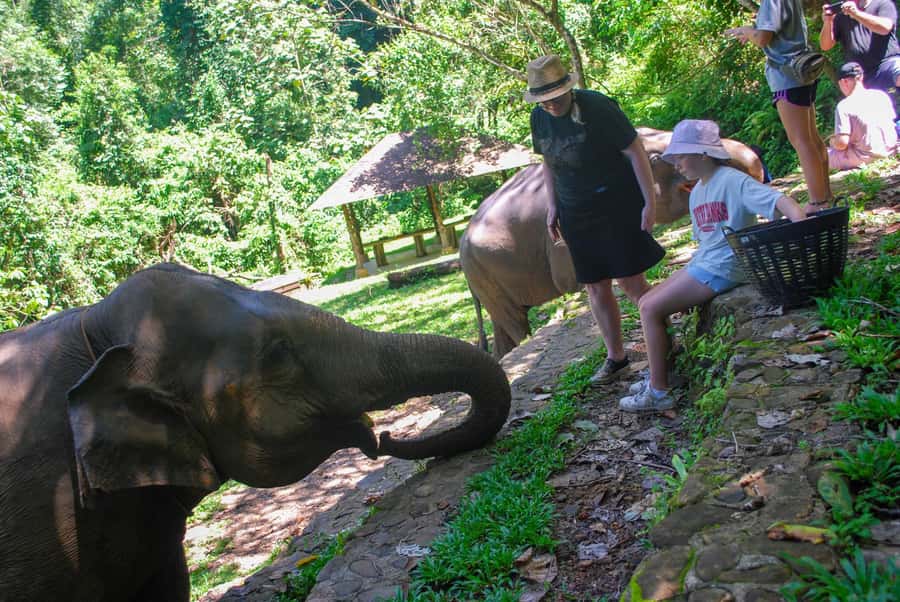
I would recommend it to you if you want a guided introduction to Asian elephants with several hands-on activities and a meal included. It suits first-time visitors who want to learn about elephant care, as well as families with children old enough to follow safety instructions.
Children under four are not permitted. The activity could work well for older children because it includes food preparation, feeding, a jungle walk, and the water session, but the family should be comfortable around large animals and changing conditions.
It also suits you if hotel pickup matters. You do not need to arrange separate transport to the rural park, and the air-conditioned vehicle is welcome in Thailand’s heat.
You may want to choose another activity if you are looking for a strictly observation-only sanctuary. The program includes direct contact, feeding, skin care, and the option to bathe with the elephant. You can decline the bathing, but close interaction remains part of the design.
What to pack and how to prepare
Bring swimwear, a towel, a change of clothes, and insect repellent. You should also bring a passport or ID card. A copy is accepted, which is useful if you prefer to keep your original document stored safely at your hotel.
Wear clothes that can handle outdoor activity and water. The caretaker outfit is provided, but you still need dry clothes for afterward. Lockers and showers are available, so the change of clothes is not an optional extra if you plan to take part in the rock-pool session.
Keep your morning simple. You will receive a welcome drink, lunch, fruit, and refreshments, but the activity is not presented as a long free-form day. It has a clear rhythm: orientation, safety, elephant care, jungle walking, feeding, bathing, showering, lunch, and return.
Should you book Phang Nga Elephant Park?
Book this experience if you want a structured, educational elephant visit with hotel transport, a Thai meal, and enough time to see several parts of daily care. The strongest points are the clear introduction, the chance to prepare food and feed your elephant, the calm jungle walk, and the excellent practical facilities.
Think carefully about the bathing section. You can choose to watch rather than join, and that option makes the program easier to recommend to visitors who want to limit direct contact. Still, anyone seeking a fully hands-off elephant encounter may prefer a different park.
With a five-out-of-five score from 10 bookings, the experience has received strong approval, especially for its guides, food, drinks, and respectful atmosphere. I would book it for the combination of care lessons and time beside the animals, while treating the bathing activity as optional rather than essential.
FAQ
How long does the elephant sanctuary experience last?
The activity lasts four hours. Hotel pickup and return are included, so the total time taken from your day may be longer depending on your location.
What is included in the price?
The $112 price includes hotel transfers, an English-speaking guide, elephant education, a health check, food preparation, feeding, jungle walking, skin care, the rock-pool visit, showers, lockers, a traditional Thai lunch, fresh fruit, and refreshments.
Is hotel pickup included?
Yes. Pickup and return are provided in air-conditioned transport. Pickup times vary by location, and you should wait in your hotel lobby 10 minutes before the scheduled time.
Can I bathe with the elephant?
Yes, you may choose to bathe with the elephant in the rock pool. You can also watch from outside if you prefer not to enter the water.
Do I need to bring swimwear?
Yes. Swimwear, a towel, and a change of clothes are listed as items to bring. Showers, lockers, and changing facilities are available.
Are children allowed to join?
Children under four years old are not permitted to take part. The supplied information does not give a maximum age or specific child pricing.
What language is the tour conducted in?
The tour has an English-speaking guide, and English is the listed language.
Can I cancel the booking?
You can cancel up to 24 hours in advance for a full refund. You can also reserve now and pay later.
Do I need to bring identification?
Yes. You should bring a passport or ID card. A copy is accepted.
Just added around Thailand
- Elephant Sanctuary Small Group Tour in Phuket★ 5.0 · 3 reviews
- Phuket Guided Tour to Elephant Sanctuary with Hotel Transfers★ 5.0 · 14 reviews
- Krabi Immersive Elephant Sanctuary Experience★ 3.5 · 2 reviews
- Krabi Elephant Sanctuary and Emerald Pool Adventure★ 5.0 · 2 reviews
- Guide Tour to Khaolak Elephant Sanctuary in Small Group★ 5.0 · 47 reviews
- Ethical Elephant Observation by Samui Elephant Sanctuary★ 4.5 · 6 reviews
- Early Bird James Bond Island and Elephant Sanctuary from Khaolak★ 5.0 · 2 reviews
- Guided Tour to Takua Pa and Elephant Sanctuary in Khao Lak★ 5.0 · 4 reviews
Krabi Zoos, compared.
Krabi: Ao Nang Elephant Sanctuary Half-Day Tour
Read our review →
Krabi: Observation-Only Elephant Sanctuary 2hrs Mini Moments
Read our review →
Krabi: Ethical Elephant Sanctuary & Tiger Cave Temple Tour
Read our review →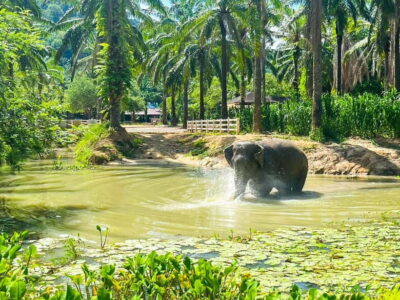
Krabi: Observation-Only Elephant Sanctuary Half-Day & Meal
Read our review →
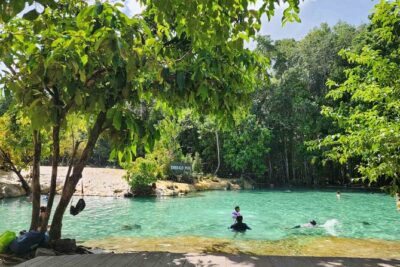
Krabi Elephant Sanctuary and Emerald Pool Adventure
Read our review →Browse the lists this tour appears in