
REVIEW · THAILAND
Khao Lak: Unique Dawn Ethical Elephant Sanctuary Experience
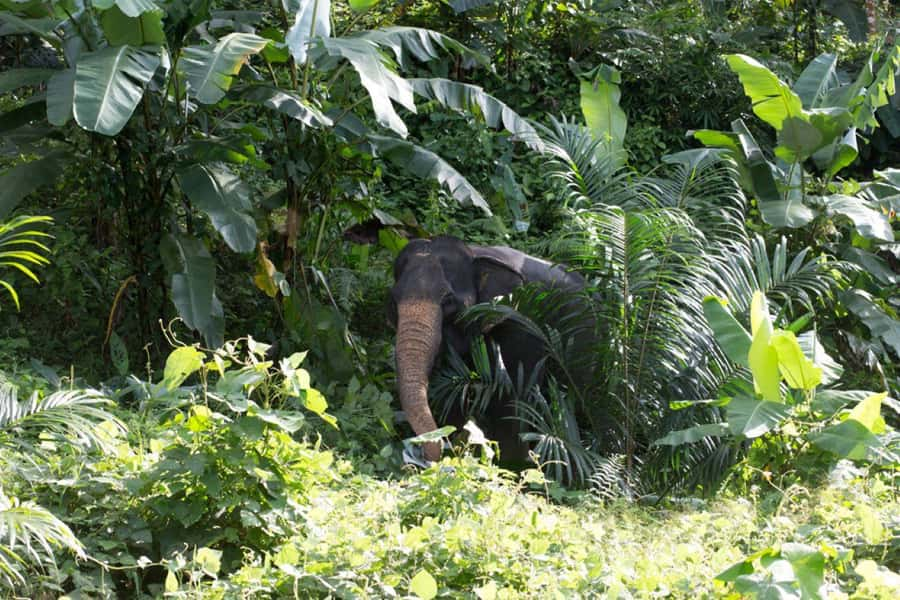
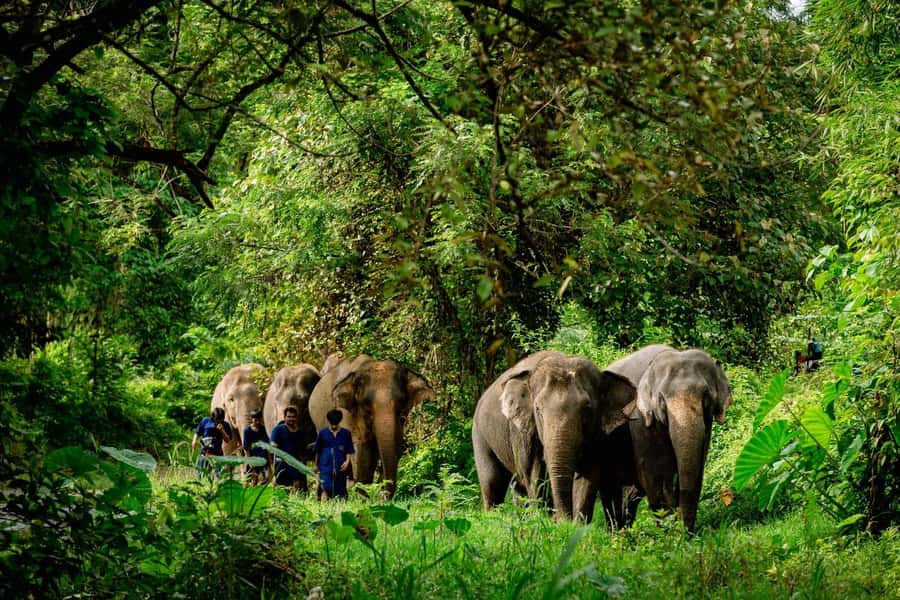
At Phang Nga Elephant Park, your morning begins in the jungle, not at a viewing platform. You walk out with a guide and mahut to find an elephant after her night of foraging, then accompany her back to the park for a bath, health check, feeding, and skin care. The dawn start is the special part: the elephants are beginning their day, and the setting feels like a working routine rather than a staged show.
I like the close look at elephant care, especially the health check and the preparation of food. I also like the small-group feel described on the early departure, with one group of only three people able to spend most of the morning away from larger crowds. Guides such as Hans, Joy, and Saipan add plenty of explanation and humor.
The main consideration is the physical side. The jungle walk takes about 30 minutes and may include a stream or small river, sometimes knee-deep. You need sturdy shoes, swimwear, a towel, insect repellent, and a change of clothes. Children under 12 cannot join.
Key points at a glance
- Find an elephant after a night in the jungle: You help retrieve her from the hills where she has been foraging.
- Watch a real morning routine: Feeding, skin care, and a full health check show how the keepers care for each animal.
- Expect wet feet: The walk can cross a stream, so trekking shoes are a much better choice than sandals.
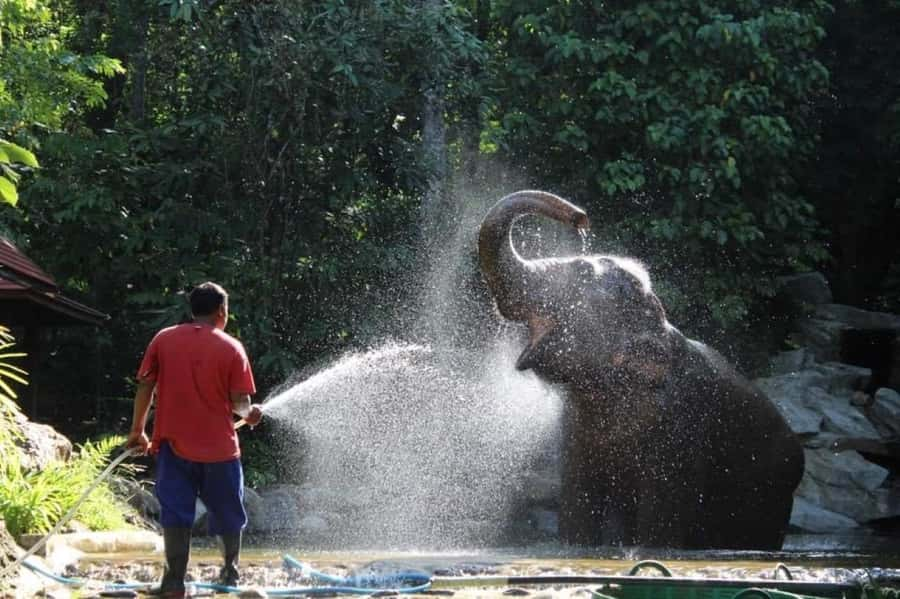
- See a rock-pool bath: The elephant bath is handled as part of her care, not as a performance.
- Finish with Thai food: A freshly cooked traditional brunch is included after the morning activities.
- Plan for an early, adult-focused outing: The four-hour program is for children aged 12 and older.
Why the dawn start matters
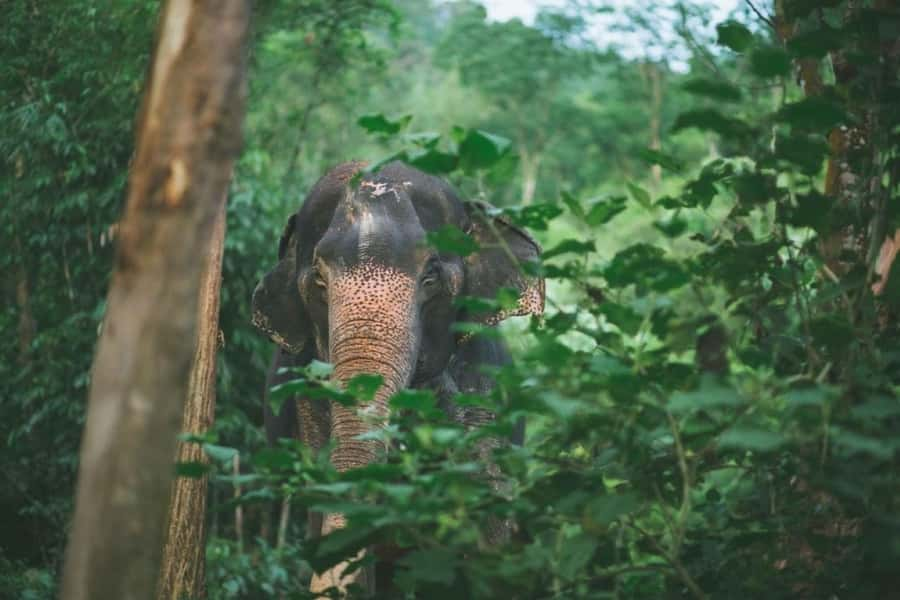
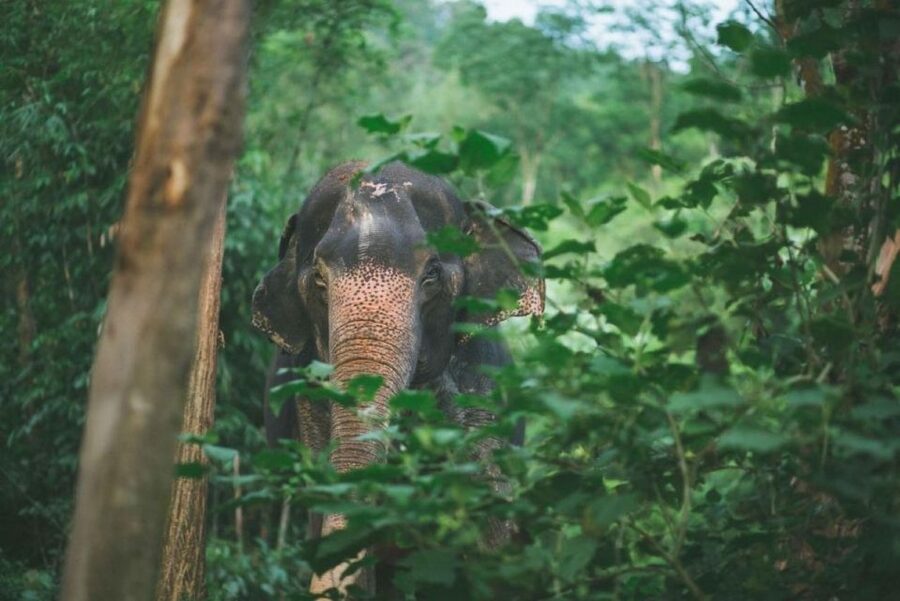
The Phang Nga Elephant Park experience begins early because the elephants spend the night foraging in the surrounding hills. That timing changes the whole mood. Instead of arriving after the animals have already been brought into position, you go out to find one and walk back with her.
I like this because it gives you a clearer idea of an elephant’s daily rhythm. You are not simply shown an animal for a few minutes. You learn how the morning starts for the mahut, or elephant handler, and how the park fits feeding, bathing, observation, and basic care into the day.
The early departure also helps avoid the busiest part of the day. One account describes a small group of three people and long stretches with no other group around. That matters here. Quiet time lets you watch the elephant’s pace and behavior without feeling rushed from one activity to the next.
The tradeoff is simple: you must be ready early, and the schedule is less forgiving than a late-morning attraction. Check the available start time when booking, then wait in your hotel lobby 10 minutes before pickup.
More Elephant Sanctuaries in Thailand:
- Chiang Mai: Elephant Sanctuary, Waterfall & Bamboo Rafting
★ 4.9 · 9,160 reviews - Chiang Mai: Elephant Sanctuary & Waterfall Group Tour
★ 4.9 · 5,780 reviews - Chiang Mai: Elephant Sanctuary Feeding Program Half-Day Tour
★ 4.8 · 4,527 reviews
Walking into the Thai jungle
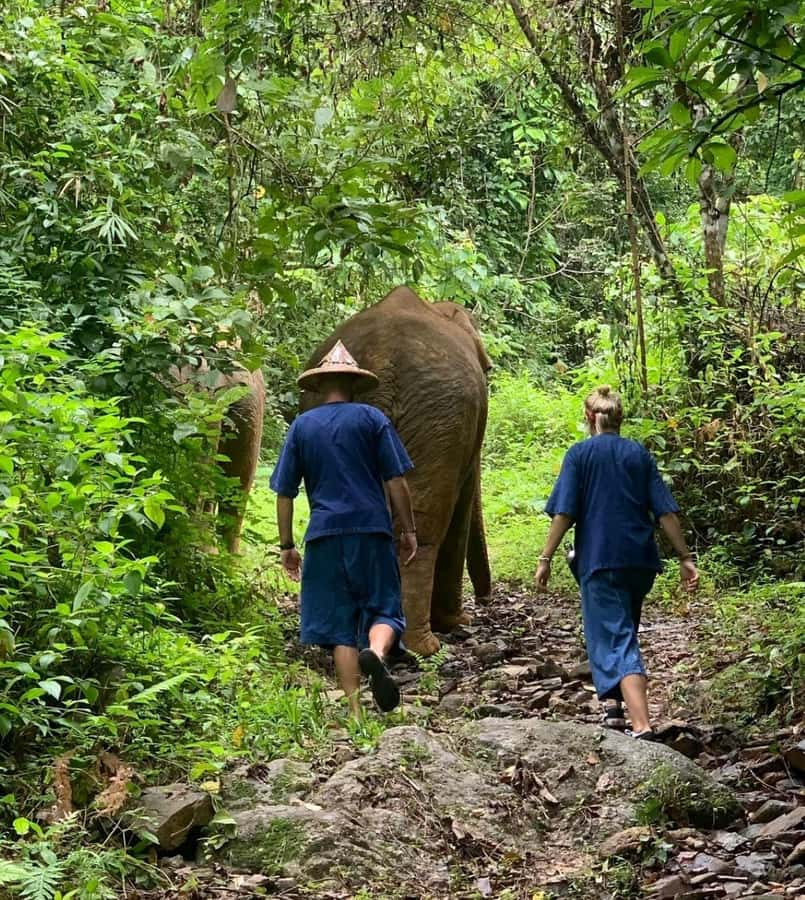
After meeting your English-speaking guide, you head into the jungle to locate the elephant. The walk takes about 30 minutes, although the exact feel depends on the ground and water levels. A stream crossing can be part of it, with water reported as deep as the knee.
This is the point where sensible clothing matters. Wear firm shoes made for uneven ground and water. Bring insect repellent, and do not wear anything you would mind getting muddy. You should also pack swimwear, a towel, and dry clothes for afterward.
The jungle walk is not a decorative prelude. It is tied to the elephant’s routine and gives you a better sense of how the animals move between the surrounding hills and the park. You may find the walk more strenuous than expected, especially in hot or wet conditions. The supplied information does not give an accessibility rating, so anyone with mobility concerns should ask the operator before booking.
The guide explains elephant behavior, the role of the mahut, and the background of Asian elephants in Thailand. Guides named Hans, Joy, and Saipan have each been praised for combining information with a friendly manner. English is the operating language, and one guide was noted for having a Thai accent, so you may occasionally need to ask for a point to be repeated.
Bringing the elephant home
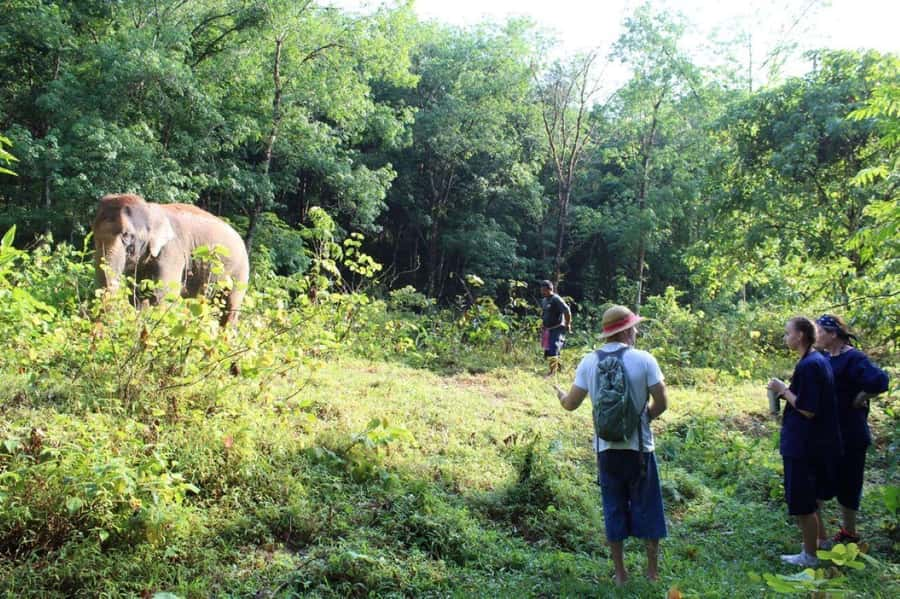
Once you find the elephant, you walk with her back toward Phang Nga Elephant Park. This is a slower experience than a standard animal attraction. You are not trying to make the elephant move quickly, and the mahut pays attention to her responses.
The care philosophy here is based on letting the elephants spend their days eating, resting, and socializing rather than performing tricks. The elephants came from working camps around Thailand, and the park says its aim is to care for them while teaching both international visitors and Thai elephant owners about better welfare practices.
That does not mean you should treat the experience as a hands-off wildlife encounter. You will be close to a very large animal and will take part in feeding, skin care, and bathing. Listen closely to your guide and follow the mahut’s instructions. The most encouraging detail in the supplied account is that the handler did not force the elephant when she did not want to do something. That is the sort of behavior you want to see in an elephant program.
The family-run setting also gives the morning a personal feel. The family says it has cared for elephants for more than 150 years. That long connection provides useful local context, although the value of the visit rests most on what you see in the daily care, not simply on the age of the family story.
The rock-pool bath
Back at the park, you join the mahut for the elephant’s morning bath in a refreshing rock pool. This is one of the most memorable parts of the program because it combines close contact with a practical care task.
You can watch how the elephant responds to the water and how the handler works around her. The experience includes taking care of the elephant’s skin, so you are not only standing nearby with a camera. Expect to get wet, which is why swimwear and a towel are listed as essential items.
The bath may sound like the easiest part of the morning, but it still requires attention. Elephants are powerful, and their movements are not always neat or predictable. Stay where the staff directs you, avoid sudden movements, and let the handler control the pace.
I appreciate that the bath is paired with education. You learn why skin care matters and how it fits into the overall routine. The program does not present bathing as a trick or a photo stunt. It is part of keeping the elephant comfortable.
A few more animal parks around Thailand worth a look
- Chiang Mai: Elephant Sanctuary, Long Neck & Sticky Waterfall
★ 4.9 · 2,262 reviews - Phuket: Elephant Sanctuary Guided Tour with Hotel Transfers
★ 4.8 · 2,020 reviews - Krabi: Ao Nang Elephant Sanctuary Half-Day Tour
★ 4.8 · 1,796 reviews - A Morning with the Elephants at Phuket Elephant Sanctuary
★ 5.0 · 1,693 reviews
Health checks and feeding
After the bath, you accompany the elephant back into the park. The next steps include preparing food, feeding her, and watching a full health check.
This is where the tour earns much of its $112 price. A short encounter might give you a photograph and a few facts. Here, you get a clearer look at the work behind elephant care: checking the animal, watching her condition, preparing food, and noticing how she behaves.
The health check is also useful because it turns general ideas about welfare into something you can understand. Your guide can explain what the keeper is checking and why routine observation matters. You are not expected to act as a professional handler, but you do get to see the process up close.
Feeding is likely to be the most immediately enjoyable activity, but it is worth paying attention to the animal’s manners and signals rather than treating it as a snack-delivery session. The park’s approach emphasizes respect for the elephant’s choices. Follow the instructions about where and when to offer food.
A Thai brunch worth planning around
The morning ends with a freshly cooked traditional Thai brunch. This is more than a convenient meal after a wet jungle walk. It gives you time to cool down, change clothes, and think over what you have seen.
The food has received especially warm praise, and one account calls the brunch super tasty. The exact menu is not provided, so you should not book this expecting a particular dish. You can expect a traditional Thai meal prepared as part of the experience.
Clean shower and locker-room facilities are available. These are important practical details, especially after the river crossing and rock-pool bath. You can store your belongings, wash off, and change before the meal or departure.
The park also has resident cats and chickens, which add to the informal family-run atmosphere. They are a small detail, but they help explain why the place feels more like a working rural property than a polished theme park.
How much value do you get for $112?
At $112 per person, this is not the cheapest elephant encounter around Khao Lak. The price makes more sense when you count the full four-hour morning: hotel pickup, an English-speaking guide, the jungle walk, elephant retrieval, bathing, food preparation, feeding, skin care, health checks, brunch, and use of the changing facilities.
You are also paying for a smaller, more involved program. The dawn timing can help you avoid larger groups, and the activities are spread through the morning rather than compressed into a quick photo stop.
The value depends on what you want. If you only want to see an elephant, this will feel expensive. If you want to understand the care routine and take part in several supervised tasks, the price is easier to justify.
The park’s ethical position is another part of the value, though you should judge it through the actual handling you observe. The program says the elephants are not used for rides or performances, and its stated mission focuses on health, welfare, and education. The most useful sign is practical: the mahut listens to the elephant, does not force unwanted actions, and lets the animal set the pace where possible.
Who should book this morning?
I would recommend this experience to adults and older teenagers who want more than a quick animal encounter. It suits you if you enjoy learning how a place works, do not mind an early start, and are comfortable walking through wet jungle conditions.
It is a good fit for:
- Couples looking for a quiet morning in the countryside
- Families with children aged 12 or older
- People interested in Asian elephant care
- Anyone who prefers a small, personal setting
- Visitors willing to get wet, muddy, and close to nature
It is less suitable if you need a fully dry, flat, or short outing. It may also disappoint you if you expect a formal show or a guaranteed photo-focused schedule. The point is the routine, not a performance.
The guides are a key part of the experience. Hans is described as friendly and funny, while Joy and Saipan are noted for clear explanations and attentive hosting. Your assigned guide may differ, but the structure calls for an English-speaking guide throughout.
What to bring and what to expect
Pack a change of clothes, swimwear, a towel, insect repellent, and a passport or copy. The passport requirement is easy to overlook, so keep the original or accepted copy available as requested by the operator.
Choose sturdy footwear. Sandals may be fine for some parts of the park, but they are a poor choice for the jungle walk and water crossing. The safest practical advice is to wear shoes with a firm grip that can get wet.
Pickup is included, and you should wait in your hotel lobby 10 minutes before the stated time. The total duration is four hours, but the start time changes with availability, so confirm it before you commit to another morning plan.
Free cancellation is available up to 24 hours before the activity for a full refund. You can also reserve and pay later, which helps if your Khao Lak schedule is still moving around.
Should you book the Phang Nga dawn experience?
Book it if you want an early, hands-on look at elephant care and are happy to trade comfort for a more genuine morning routine. The strongest parts are the jungle retrieval, the quiet small-group setting, the practical health check, and the chance to watch an elephant bathe without a staged show.
Skip it if you want a relaxed late start, a dry walk, or a short and inexpensive attraction. For the right person, though, the $112 price buys much more than an elephant photo. It buys time with the keepers, a better sense of the animal’s day, a good Thai brunch, and a chance to support a park that places welfare and education at the center of its work.
FAQ
Where is the elephant experience located?
It takes place at Phang Nga Elephant Park in the rural Thai jungle area of Phang Nga, within reach of Khao Lak.
How long does the activity last?
The experience lasts four hours.
Is hotel pickup included?
Yes. Pickup is included, and you should wait in your hotel lobby 10 minutes before the scheduled pickup time.
What language does the guide speak?
The live guide speaks English.
Are children allowed to join?
Children under 12 are not permitted to take part.
Do I need to bring swimwear?
Yes. Bring swimwear, a towel, insect repellent, and a change of clothes because the program includes a rock-pool bath and may include a water crossing.
Do I need special shoes?
Sturdy footwear suitable for trekking is recommended. The jungle walk may include a stream or small river with water reported as deep as the knee.
What is included in the price?
The experience includes the English-speaking guide, elephant education, retrieving the elephant from the jungle, a health check, food preparation and feeding, skin care, the rock-pool bath, traditional Thai brunch, and access to shower and locker-room facilities.
Just added around Thailand
- Elephant Sanctuary Small Group Tour in Phuket★ 5.0 · 3 reviews
- Phuket Guided Tour to Elephant Sanctuary with Hotel Transfers★ 5.0 · 14 reviews
- Krabi Immersive Elephant Sanctuary Experience★ 3.5 · 2 reviews
- Krabi Elephant Sanctuary and Emerald Pool Adventure★ 5.0 · 2 reviews
- Guide Tour to Khaolak Elephant Sanctuary in Small Group★ 5.0 · 47 reviews
- Ethical Elephant Observation by Samui Elephant Sanctuary★ 4.5 · 6 reviews
- Early Bird James Bond Island and Elephant Sanctuary from Khaolak★ 5.0 · 2 reviews
- Guided Tour to Takua Pa and Elephant Sanctuary in Khao Lak★ 5.0 · 4 reviews
Thailand Zoos, compared.
Chiang Mai: Elephant Sanctuary, Waterfall & Bamboo Rafting
Read our review →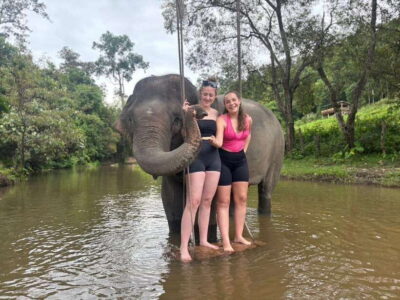
Chiang Mai: Elephant Sanctuary & Waterfall Group Tour
Read our review →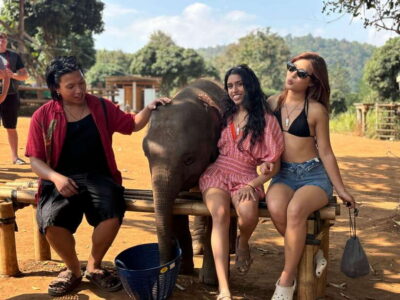
Chiang Mai: Elephant Sanctuary Feeding Program Half-Day Tour
Read our review →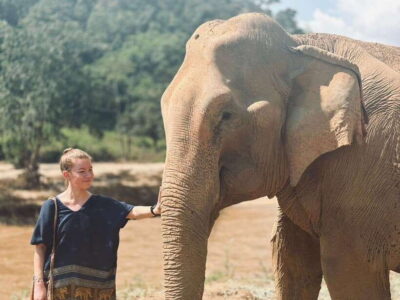
Chiang Mai: Elephant Sanctuary, Long Neck & Sticky Waterfall
Read our review →
Phuket: Elephant Sanctuary Guided Tour with Hotel Transfers
Read our review →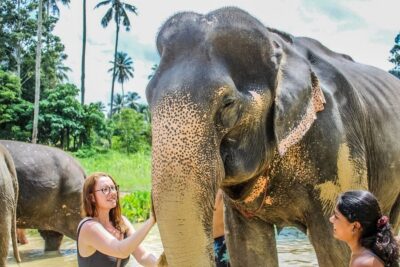
Krabi: Ao Nang Elephant Sanctuary Half-Day Tour
Read our review →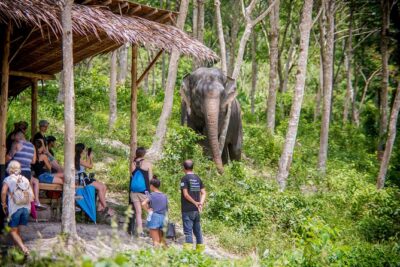
A Morning with the Elephants at Phuket Elephant Sanctuary
Read our review →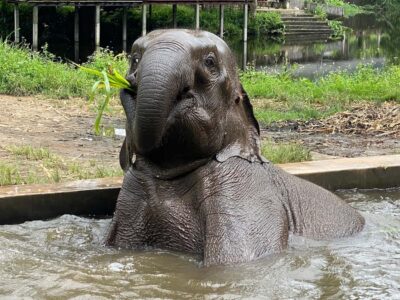
Chiang Mai: Small Group Ethical Elephant Sanctuary Tour
Read our review →Browse the lists this tour appears in