
REVIEW · HOBART
Hobart: Admission Ticket to Bonorong Wildlife Sanctuary
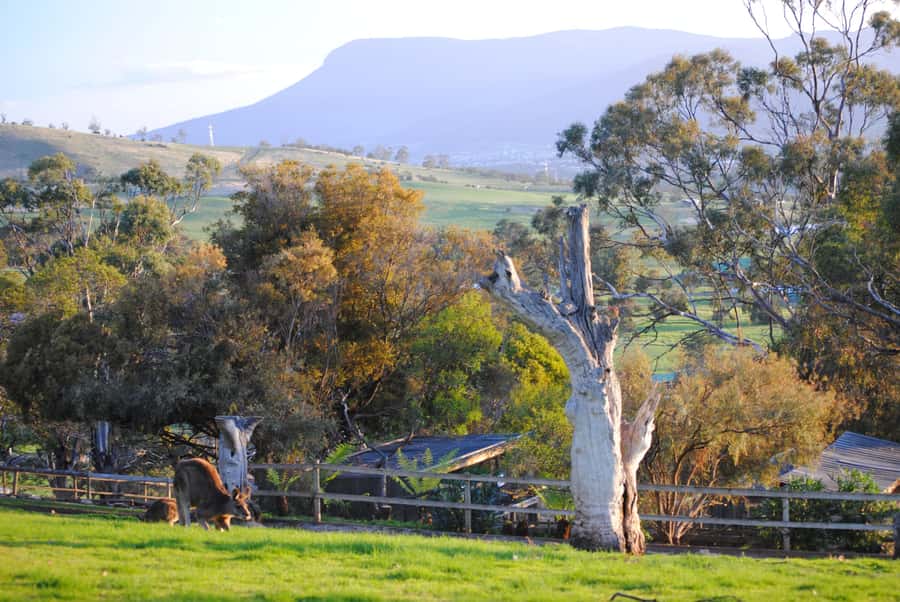
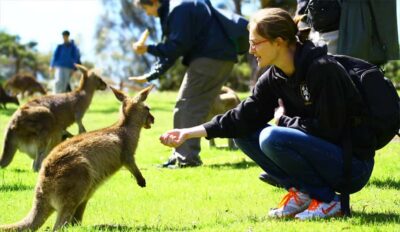
Tasmanian devils are the headline act at Bonorong Wildlife Sanctuary, but the most memorable moment may come when a free-roaming kangaroo calmly eats from your hand. You can also meet wombats, echidnas, quolls, sugar gliders, parrots, kookaburras, and other native animals in a setting built around rescue and protection.
I like the hands-on kangaroo feeding, which gives you a close look without turning the whole visit into a staged photo stop. I also like the daily keeper-led tours, since they explain why individual animals are at the sanctuary and what threatens Tasmania’s wildlife. The main drawback is shade: on a hot, sunny day, much of the walking can feel exposed, so bring sun protection and plan your pace.
Key points to know before you go
- Free-roaming kangaroos: Admission includes a bag of food so you can hand feed kangaroos moving around the sanctuary.
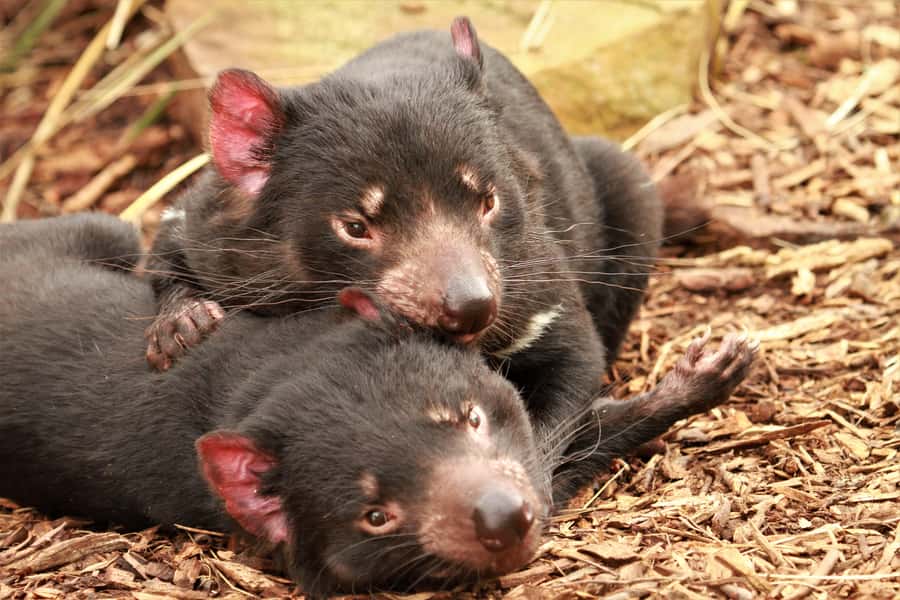
- Tasmanian devil viewing: You have a strong chance to see one of Tasmania’s most famous animals, along with wombats and echidnas.
- Daily guided tours: English-speaking keepers explain the animals, their threats, and the work involved in protecting them.
- Rescue-focused setting: Bonorong cares for injured, abandoned, young, or otherwise non-releasable native animals.
- Good value for a full day: The $25 admission includes entry, kangaroo food, guided tours, and on-site parking.
- Plan for the weather: Shade can be limited, and food and drinks are not included in the admission price.
Why Bonorong is more than a quick animal stop
Bonorong works best when you approach it as a wildlife sanctuary rather than a standard zoo. The point is not simply to tick off Australian animals. You are learning why some animals need permanent care, how injuries affect their chances in the wild, and why Tasmania matters for native species.
Some animals arrive very young or after being hurt. Others cannot safely return to the wild because of an injury, handicap, or long-term need. That gives the visit a more serious purpose than simply seeing animals behind barriers. You may see an animal that is being cared for because it could not survive alone, while another may be part of conservation work aimed at protecting a species.
I find that context especially useful for first-time visitors to Tasmania. Kangaroos and wombats can seem familiar from postcards, but close contact makes their size, movement, and behavior easier to understand. A Tasmanian devil also means more when you learn about the pressures facing the species rather than viewing it as just another unusual Australian animal.
More Wildlife Sanctuaries in Australia
- Day Tour in Mt. Field, Mt. Wellington, Bonorong Wildlife Sanctuary and Richmond
★ 5.0 · 735 reviews - Currumbin Wildlife Sanctuary General Entry Ticket
★ 4.5 · 538 reviews - Currumbin Wildlife Sanctuary Entry Ticket
★ 4.7 · 339 reviews
Meeting the kangaroos at close range
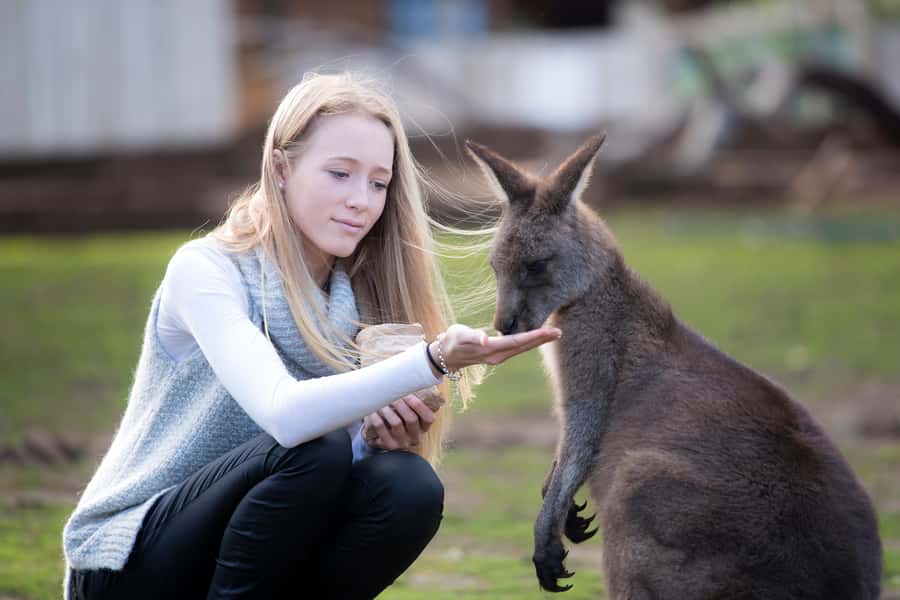
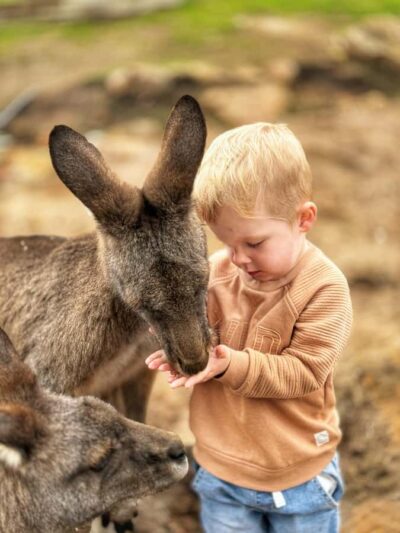
The kangaroo area is likely to be the most interactive part of your visit. Your admission includes a bag of kangaroo food, and the animals roam freely within the sanctuary. You can offer food by hand and watch them move around you at close range.
This is not a rushed feeding slot with a strict photo limit. You can return to the kangaroos during the day, which is useful if the first encounter feels crowded or you want more time to watch their behavior. One family described repeatedly going back because feeding the kangaroos became a favorite part of the visit.
Use a calm approach. Hold the food out and let the kangaroo come to you rather than chasing it or reaching suddenly. You will get better photographs and a less stressful encounter for the animal. Children may love the contact, but adults should still supervise closely and follow keeper instructions.
You may also have the chance to pat a wallaby. That close contact can be especially meaningful for visitors who have never seen Australian wildlife outside a screen or a zoo enclosure. Still, remember that these are living animals, not props. A respectful distance is best when an animal seems uninterested.
Tasmanian devils, wombats, and echidnas
If your main reason for coming is a Tasmanian devil, Bonorong is a practical choice. The devils are among the sanctuary’s most important draws, and the guided animal sessions can give you a better look than a quick walk past an enclosure.
A keeper explains the species in general and then adds details about the individual animal you are seeing, such as its name, age, and why it remains at the sanctuary. That personal detail changes the experience. You are not just looking at a devil. You are learning the story of one animal and the care it needs.
The wombat session is another strong part of the day. Wombats look gentle and cuddly, but their build and habits make more sense when a keeper explains them. Echidnas add a very different kind of encounter, with their unusual shape and quiet movements.
Daily guided tours are included, and they are worth fitting into your schedule rather than wandering the whole sanctuary alone. The exact animals featured may vary, but sessions have included Tasmanian devils, echidnas, and wombats. Keepers also feed animals and explain how the sanctuary protects them.
Smaller animals and native birds
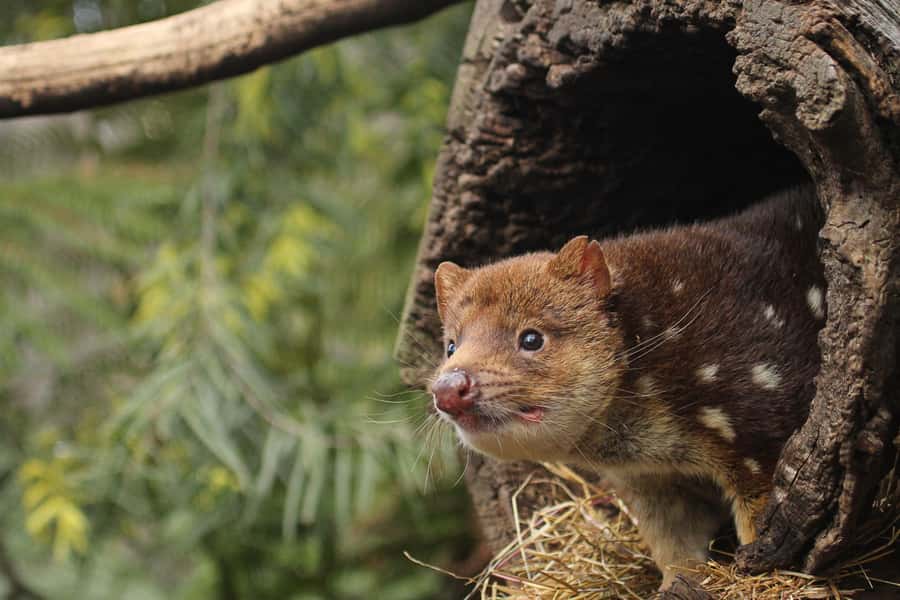
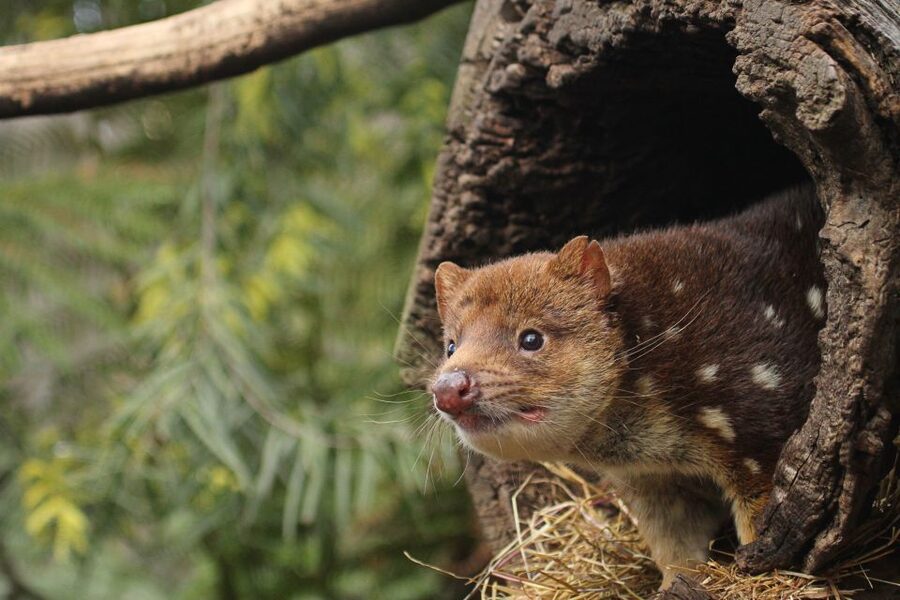
Bonorong’s appeal is not limited to the famous species. You can look for sugar gliders and eastern quolls, two animals that are easy to miss if you rush from one major enclosure to the next.
Native birds also add variety. Parrots and kookaburras have been seen here, along with other birds that may be difficult to spot in the wild. The sanctuary provides good access and visibility, which helps if you are visiting with children or anyone who wants a clear look without a long wait.
Tasmania has preserved animals that disappeared from other parts of Australia long ago. That makes even familiar-looking species worth a closer look. A bird, marsupial, or small mammal here may represent a part of Australia’s wildlife that has survived in Tasmania when it has become rare or extinct elsewhere.
Bring a camera, but do not let photography take over. The best moments may be a kangaroo leaning toward your hand, a devil moving actively, or a keeper explaining why an animal cannot return to the wild. Those moments are easier to appreciate when you pause between photos.
More Zoo Entry Tickets in Australia
- Sydney: Taronga Zoo Tickets
★ 4.6 · 1,551 reviews - From Brisbane: Australia Zoo Transfer and Entry Ticket
★ 4.9 · 1,539 reviews - Sydney: Taronga Zoo Ticket with Return Ferry
★ 4.5 · 1,142 reviews - Sydney Taronga Zoo General Entry Ticket
★ 4.0 · 941 reviews
What the guided tours add
The guided tours are the main way to turn a pleasant animal visit into a useful conservation lesson. English-speaking keepers lead the sessions and explain the species, their threats, and the work required to care for them.
You can expect information about both the animal itself and the individual in front of you. That may include its age, name, background, and reason for living at Bonorong. The keepers also feed some animals during the sessions, so you see natural behavior rather than only hearing a talk.
I would make a guided tour a priority early in the day. Afterward, you can walk around and revisit the animals that interested you most. If you arrive late, you may spend more time exploring on your own before joining a later session, since daily tours are part of the admission.
The quality of a wildlife visit often depends on the staff, and Bonorong receives strong praise for its animal care and keeper explanations. One important detail is that the staff’s role is not only to show animals. They help explain the sanctuary’s purpose, including rescue, rehabilitation, and long-term protection.
Seeing rescue work in action
A particularly worthwhile feature is the chance to see parts of the animal hospital or veterinary work. Depending on the day and what is taking place, you might watch veterinarians examine or operate on injured animals.
This is not guaranteed as a scheduled public presentation, so treat it as a possible extra rather than a promise. If the hospital is visible during your visit, it gives you a direct sense of the work behind the sanctuary. Animal care involves treatment, feeding, observation, and difficult decisions, not just attractive exhibits.
The sanctuary’s rescue role also explains why some animals remain permanently. An animal may be too young for release, injured, or unable to manage safely in the wild. That may mean you see animals that are not candidates for release but still play an important role in helping people understand native species.
For families, this can be a useful lesson in responsibility. Children see that protecting wildlife means more than admiring it. It also means keeping injured animals alive, limiting harm, and supporting places that care for animals with no safe route back to nature.
How much time should you allow?
The admission is valid for 365 days, but most people will treat it as a day visit. The experience is not limited to a short timed entry, and the included food and daily tours give you reasons to stay longer than a quick photo stop.
I would allow several hours if you want to feed kangaroos, attend guided sessions, see the main animals, and take breaks. A full day is reasonable for families or anyone with a strong interest in wildlife. You can move at your own pace rather than being tied to a single short tour.
The flexible format matters because animal activity can vary. Some animals may be active when you arrive, while others may be quieter. Returning to the kangaroos, waiting for a keeper session, or spending more time with the birds makes the visit feel less rushed.
The main comfort issue is weather. One hot-weather visit exposed a lack of shade, so pack a hat, sunscreen, and water. Wear comfortable shoes for walking, and give yourself time to stop rather than trying to cover every area quickly.
Price, parking, and what is included
At $25 per person, Bonorong offers solid value if you plan to stay for several hours. The fee includes admission, a bag of kangaroo food, access to daily guided tours, and on-site car parking. That combination makes the price more useful than an entry ticket that only gets you through the gate.
The kangaroo food alone adds a clear interactive benefit, while the guided sessions provide the teaching element. You are paying for access to the sanctuary’s animals and for the care work that supports them. I would consider the price particularly fair for families who can make use of the full day.
Food and drinks are not included. An on-site concession has been praised for its food, but you should still budget separately for anything you eat or drink. If you are trying to keep costs down, check what you need before arriving rather than assuming the admission covers meals.
On-site parking is included, which simplifies a self-drive visit from Hobart. Transfers are not included, so you need to arrange your own transport. The sanctuary is wheelchair accessible, though the limited shade and walking time are still worth considering when planning your day.
Rules that protect the animals
Bonorong does not allow smoking or vaping anywhere within the sanctuary. That includes cigarettes and e-cigarettes.
You also cannot bring an animal onto the property without permission. This rule includes assistance dogs, so contact the sanctuary before your visit if that affects your plans. Do not arrive assuming an assistance animal can enter automatically.
Skateboards, rollerblades, bicycles, tricycles, sporting equipment, and similar items are not allowed because they may create a risk for animals or people. These rules may feel strict, but they make sense in a sanctuary where animals move close to visitors.
Follow keeper directions during feeding and animal sessions. The better you respect boundaries, the more relaxed the animals are likely to be, and the better your own experience will feel.
Who will enjoy Bonorong most?
Bonorong suits families, first-time visitors to Tasmania, wildlife fans, photographers, and anyone who wants more than a quick view of a Tasmanian devil. The kangaroo feeding gives children an immediate reason to pay attention, while the guided sessions add enough depth for adults.
It is also a good choice if you want a conservation-focused experience. The sanctuary’s role in caring for injured, abandoned, young, and non-releasable animals gives the visit a clear purpose.
You may find it less appealing if you want a completely shaded attraction, a short indoor activity, or a highly structured tour with every minute fixed in advance. The visit involves walking, waiting for daily sessions, and choosing how long to spend with each animal.
The strongest parts are the close kangaroo encounters, the chance to see Tasmanian devils, and the keepers’ explanations. The main limitations are the lack of included food and transfers, plus possible heat and sun during the walk.
Should you book Bonorong Wildlife Sanctuary?
I would book it if you want to meet Tasmanian devils, feed kangaroos, and understand the work behind native animal rescue. The $25 price includes enough activity to fill several hours, and the daily tours keep the visit from becoming a simple walk around enclosures.
Come prepared for sun, walking, and a separate food bill. If those points suit you, Bonorong gives you a close, practical look at Tasmania’s wildlife and the people working to protect it.
FAQ
How much does admission to Bonorong Wildlife Sanctuary cost?
Admission costs $25 per person.
How long is the ticket valid?
The ticket is valid for 365 days. You should check availability for current starting times.
Is kangaroo food included?
Yes. Admission includes a bag of food for hand feeding the free-roaming kangaroos.
Are guided tours included?
Yes. Admission includes access to daily guided tours led in English.
Can I see Tasmanian devils at Bonorong?
Yes. Tasmanian devils are among the animals cared for at the sanctuary and are included among the key species you can see.
Is parking included?
Yes. On-site car parking is included.
Are food and drinks included in the ticket?
No. Food and drinks are not included in the admission price.
Is Bonorong Wildlife Sanctuary wheelchair accessible?
Yes. The sanctuary is wheelchair accessible.
Can I bring my dog or another animal?
You cannot bring an animal onto the property without permission, including an assistance dog. Contact Bonorong before visiting if this applies to you.
Just added around Australia
- Zen In The Zoo★ 5.0 · 2 reviews
- Wings Wildlife Park Burnie Shore Excursion★ 4.2 · 13 reviews
- Ultimate Blue Mountains Private Tour with Scenic World and Wildlife Park★ 5.0 · 10 reviews
- Blue Mountains Small Group Tour with Lunch, Zoo and Scenic World★ 5.0 · 25 reviews
- Taronga Zoo & Whale Watching Cruise Combo – Sydney Harbour★ 4.5 · 15 reviews
- Sydney Zoo General Entry Admission Ticket★ 5.0 · 3 reviews
- Sydney Private Tour Inc The Royal National Park and Symbio Zoo★ 5.0 · 9 reviews
- Featherdale Wildlife Park with Exclusive Private Transfers★ 4.5 · 32 reviews
Hobart Zoos, compared.
Bonorong Wildlife Sanctuary Half-Day Tour from Hobart
Read our review →
Bonorong Wildlife Park and Richmond Afternoon Tour from Hobart
Read our review →
Hobart: Mt Wellington, Richmond, & Bonorong Wildlife Tour
Read our review →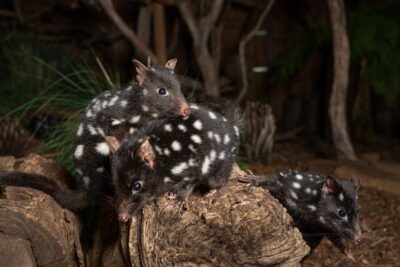
Hobart: Full-Day Bonorong Wildlife Sanctuary & Richmond Tour
Read our review →Browse the lists this tour appears in