
REVIEW · HOBART
Bonorong Wildlife Sanctuary Guided Night Tour
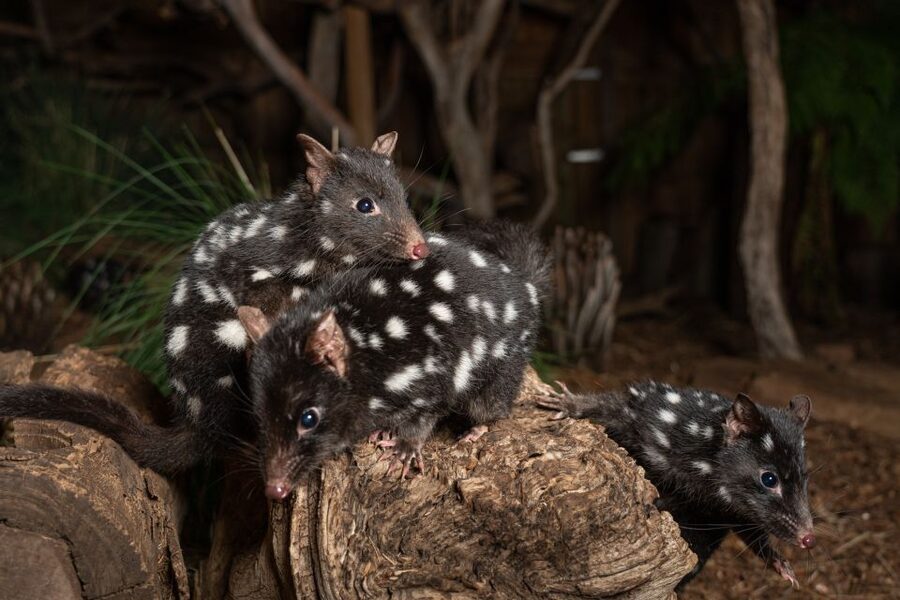
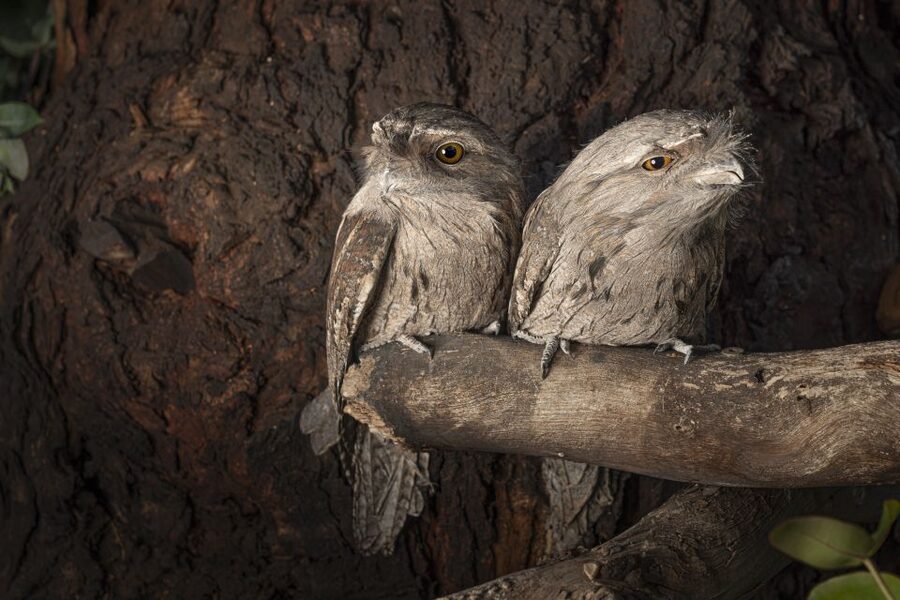
The best part of this Bonorong tour is the change of shift: daylight animals are eating dinner while nocturnal creatures are waking for breakfast. You may help feed Tasmanian devils, then meet Eastern quolls, tawny frogmouths, sugar gliders and a friendly mob of Forester kangaroos. The small group format gives you far more time near the animals than a standard walk through a wildlife park.
I like the personal contact and the clear link between feeding and rehabilitation. You meet injured animals and orphans, then learn how the sanctuary prepares them for a return to the wild. I also like the focused pace: 2.5 hours after closing is long enough to cover many animals without turning the evening into a rushed photo stop.
The main drawback is that feeding and patting are not guaranteed. Staff decide what is suitable on the night, and you must follow the keeper’s instructions. That is the right rule for the animals, but it means you should book this for the care and access, not for a promised cuddle with every creature.
Key points at a glance
- Two feeding shifts in one evening: See dinner for daytime animals and breakfast for nocturnal species.
- Tasmanian devil feeding: Help the guide offer food to the sanctuary’s devils under close staff supervision.
- Small groups matter: A guide stays with your group, giving you more chances to ask questions and take part.
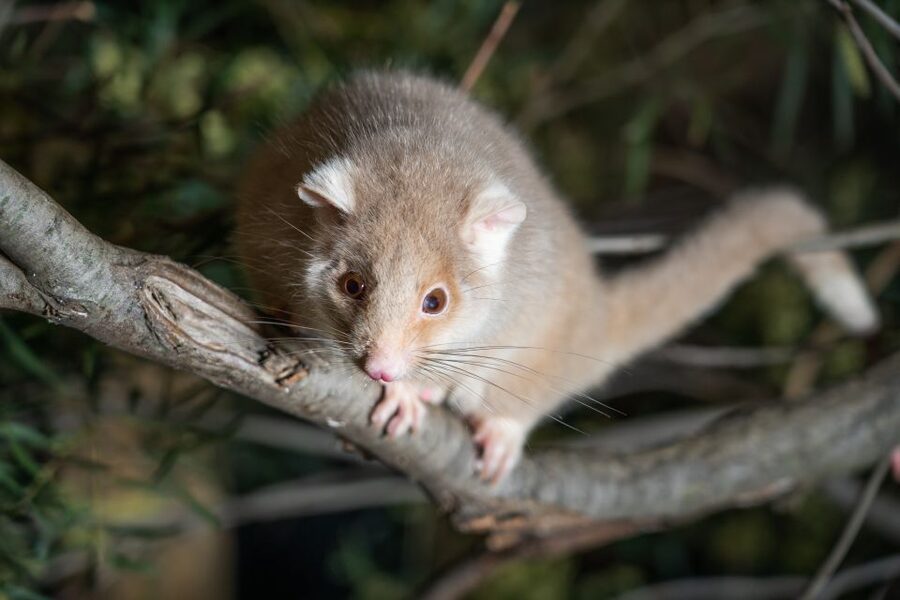
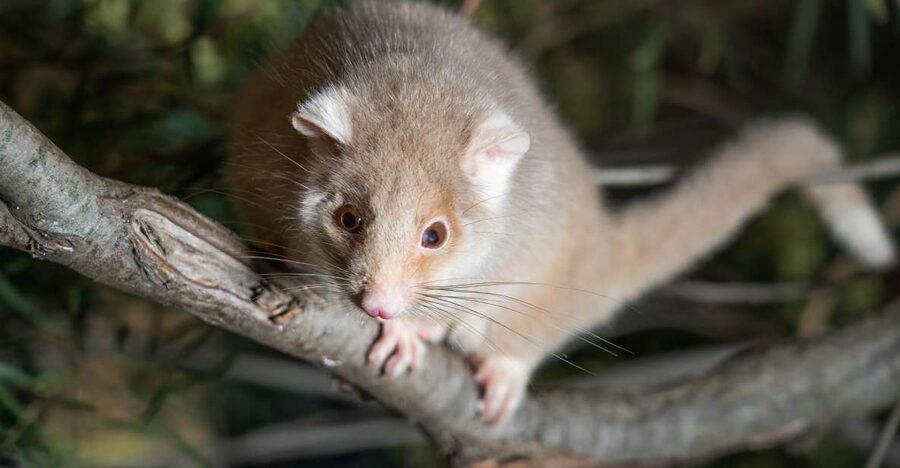
- Unusual Australian wildlife: Look for Eastern quolls, tawny frogmouths, sugar gliders and Forester kangaroos.
- Rescue with a purpose: Learn how injured animals and orphans receive care and may be prepared for release.
- Plan for cool weather: Wear warm clothing and comfortable shoes, and arrive 15 minutes early.
Why the after-dark timing changes Bonorong
A daytime visit gives you the familiar picture of Australian wildlife. The night tour shows you a different rhythm. The daylight animals are finishing their meals, while creatures that spend much of their lives hidden or inactive are beginning theirs.
That timing gives the tour a useful structure. You do not simply walk around looking into enclosures. Feeding gives each stop a reason, and it helps you notice how different animals behave when food is involved. You may see one species calmly taking a meal while another is alert, quick and ready to move.
I like this format for families and first-time visitors to Tasmania because it makes animal behavior easier to understand. The guide can explain what the sanctuary is doing, why a certain animal receives care and how feeding fits into its daily routine.
The evening setting also gives the experience a quieter feel. After closing time, your group is there for a specific purpose, rather than sharing the park with a full daytime crowd. The supplied information does not promise complete solitude, but the tour is designed as a small-group encounter after regular visiting hours.
More Wildlife Sanctuaries in Australia
- Day Tour in Mt. Field, Mt. Wellington, Bonorong Wildlife Sanctuary and Richmond
★ 5.0 · 735 reviews - Currumbin Wildlife Sanctuary General Entry Ticket
★ 4.5 · 538 reviews - Currumbin Wildlife Sanctuary Entry Ticket
★ 4.7 · 339 reviews
The 2.5-hour route follows the food
The tour is built around feeding, so the exact order and animal access can change. Staff may alter the plan because of weather, animal welfare or the behavior of a particular animal. Think of the following as the likely shape of the evening rather than a rigid timetable.
Daylight animals receive dinner
The first part focuses on animals that are still active at the end of the day. You may help with feeding several sanctuary residents, with the guide explaining what each animal needs and how staff handle the process.
This is one of the more useful parts for understanding Bonorong as a sanctuary. Food is not just a fun prop for visitors. It is part of daily care, and the guide can connect that routine with the wider work of helping injured animals and orphans recover.
You will need to pay attention to instructions. The keeper decides how food is offered, where you stand and how close you can get. That may feel more controlled than a casual animal encounter, but it keeps the activity safer for both you and the animals.
Tasmanian devils take center stage
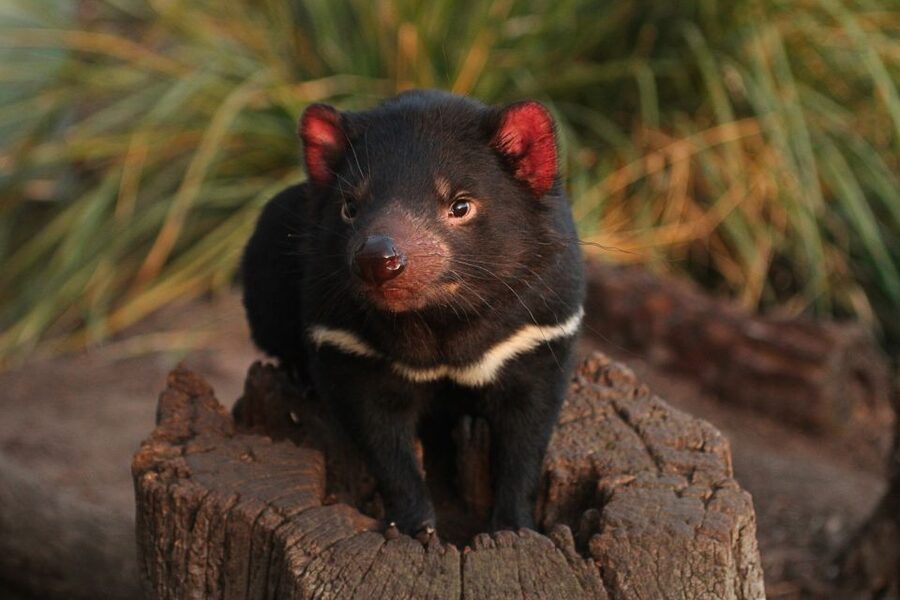
Helping feed the Tasmanian devils is the major draw for many people. You assist the guide with their dinner, while staff remain in charge of the encounter.
This is not a promise that every person will feed a devil directly. The rules say feeding is offered where appropriate, and staff can ask participants to leave an enclosure at any point. That uncertainty is worth accepting because Tasmanian devils are wild animals in a care setting, not performers on a fixed schedule.
The close access still has real value. You get a better sense of the devils as living animals with individual needs, rather than treating them as a quick symbol of Tasmania. The guide can also explain how the sanctuary supports animals that may eventually return to the wild.
Same place, a different set of animals:
- Penguin Parade, & Wildlife Encounters Eco Tour from Melbourne
★ 5.0 · 3,774 reviews - Sydney: Taronga Zoo Tickets
★ 4.6 · 1,551 reviews - From Brisbane: Australia Zoo Transfer and Entry Ticket
★ 4.9 · 1,539 reviews - Brisbane River Cruise with entry to Lone Pine Koala Sanctuary
★ 4.5 · 1,522 reviews
Nocturnal animals begin breakfast
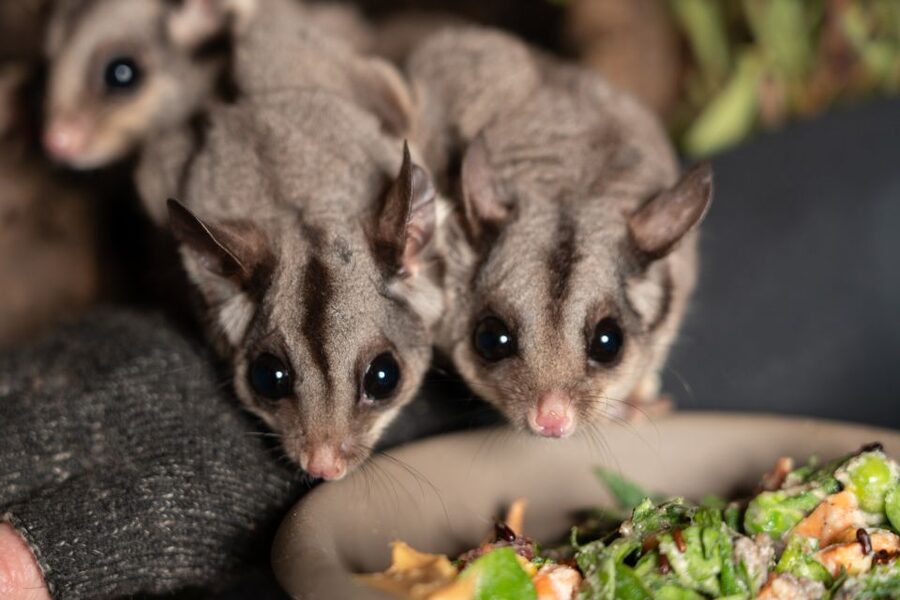
Later, the focus shifts to species that are becoming active as darkness settles in. Eastern quolls and sugar gliders are among the animals you may hand-feed, while tawny frogmouths add a very different kind of encounter.
These are the creatures that can be easy to miss during a normal daytime visit. The night tour gives you a reason to watch closely and stay patient. Hand-feeding may be offered, but it is not guaranteed for every participant or every animal.
The guide’s role matters here. A good explanation turns a brief sighting into something you can understand. One guide named Johnny has been praised for his friendly manner and care for the animals, and the activity is designed around a guide staying with your group rather than sending you through on your own.
Meet the Forester kangaroo mob
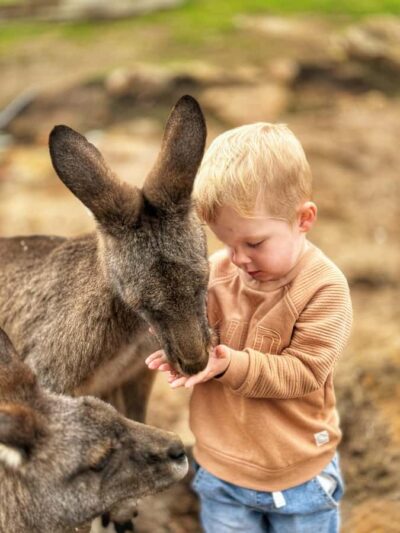
The Forester kangaroos are a special stop because they offer a calmer, more open animal encounter. The sanctuary describes them as friendly, but that does not mean you can handle them however you like. Staff set the boundaries, and supervised patting may be allowed when suitable.
This is likely to be a favorite stop for families, though children still need close adult supervision. You may find the kangaroos easier to appreciate than the faster nocturnal animals because you have more time to watch their behavior and listen to the guide.
The contrast is useful. Quolls and sugar gliders can make you focus on quick movement and careful observation. The kangaroos give the evening a slower pause.
What the feeding rules mean for you
The experience allows animal contact, but it is not a free-for-all. You will not be able to hold the animals. You may be allowed to pat some of them under the keeper’s supervision, and feeding may be offered when staff decide it is suitable.
That distinction matters when you compare this with a standard animal encounter. If your main goal is to hold a koala or guarantee a particular photograph, this tour may not match your expectations. If you want supervised access that puts animal welfare first, the limits are reassuring.
All participants must follow the keeper’s instructions. Parents and adult guardians are responsible for children throughout the tour, and a paying adult must accompany anyone under 16.
I would tell you to keep your hands still, listen before moving and avoid treating food as a way to force an animal closer. The best moments may happen when you allow the animal to choose the pace.
The sanctuary setting adds meaning
Bonorong is not presented simply as a place to see native animals. Many of the animals you meet are recovering from injury or are orphans. The guide explains how the care they receive can help prepare them for life in the wild.
That gives the feeding stops more weight. You are not just offering food to an attractive animal. You are seeing part of the routine that supports recovery, assessment and ongoing care.
The information provided does not promise that every animal can be released. Some may remain at the sanctuary because their injuries or circumstances prevent that. Still, learning about rehabilitation helps you see why staff keep control of the encounter and why an animal may not be available on a particular night.
This is also why a cancellation for animal welfare is possible. Severe weather or concerns about the animals can stop a tour. If that happens, you are offered an alternative encounter or a full refund. It is a practical reminder that the animals set the terms.
Is $115 good value?
At $115 per person, this is not the cheapest way to visit Bonorong. Your fee includes admission, the 2.5-hour guided night tour and feeding, but not transport, food or drinks.
I think the price makes sense if you value guided access and small-group contact. A regular admission visit lets you see the sanctuary, but this outing adds a dedicated guide, after-hours timing and the chance to help with feeding across much of the sanctuary.
The value is less clear if you only want a quick look at Tasmanian wildlife. You would be paying for the special timing and personal attention, so those are the parts that need to matter to you.
The high rating attached to this experience fits the strongest features: close animal contact, clear education and staff who show care for the animals. Praise has also focused on the chance to see animals after closing and the feeling of receiving a more personal introduction to Australian wildlife.
Who will enjoy this night tour most?
I would choose this for anyone who wants more than a walk past enclosures. It suits visitors curious about animal care, rehabilitation and the practical work behind a wildlife sanctuary.
Families can enjoy it, but young children need firm supervision. The animals may move quickly, the group must follow staff directions and the evening could be tiring for children who struggle with a 2.5-hour program.
It also suits visitors with a particular interest in Tasmanian devils. You may not be able to feed every animal yourself, but the devil feeding is a clear feature of the evening.
Photographers should keep expectations in check. The tour may offer memorable animal views, but feeding conditions, low light and staff instructions come first. This is a participation and education experience, not a dedicated photography session.
Bonorong lists the activity as wheelchair accessible. You should still arrive early and mention any access needs when booking, since the tour includes movement between animal areas and staff may change the route for welfare or weather reasons.
Practical preparation for the evening
Arrive at least 15 minutes before the scheduled departure. The tour begins in the evening, and arriving late could mean missing the safety instructions or the first feeding stop.
Wear warm clothing. Tasmania can feel cool after dark, and you may spend time outside or moving between animal areas. Comfortable clothes and sturdy, comfortable shoes are the sensible choice.
Bring no expectation of a meal. Food and drinks are not included, so plan those separately. Transport is also not included, which means you need to arrange your own way to the sanctuary.
English is the tour language, and the experience has a live guide. That is helpful because the value of the evening comes partly from explanations about feeding, injuries, orphans and possible release into the wild.
The tour can be cancelled because of severe weather or animal welfare concerns. You can cancel your booking up to 24 hours before the start for a full refund. If Bonorong cancels, you receive an alternative encounter or a full refund.
Should you book the Bonorong night tour?
Book it if you want a close, guided look at Tasmanian wildlife and you are happy to let the keeper decide what contact is appropriate. The mix of Tasmanian devils, quolls, sugar gliders, tawny frogmouths and Forester kangaroos gives the evening plenty of variety.
I would especially recommend it if you care about rehabilitation rather than simply collecting animal photographs. The tour explains how the sanctuary helps injured animals and orphans, and the feeding routine makes that work easier to understand.
Skip it if you need guaranteed feeding, holding or patting. Those activities depend on the animals and the keeper. At $115, the tour is best value for people who want a small-group experience, thoughtful guidance and a respectful look at the animals’ nightly care.
FAQ
Where does the Bonorong Wildlife Sanctuary night tour take place?
It takes place at Bonorong Wildlife Sanctuary in Tasmania, Australia.
How long is the tour?
The guided night tour lasts 2.5 hours.
What is the price?
The listed price is $115 per person.
What animals might I meet?
You may meet Tasmanian devils, Eastern quolls, tawny frogmouths, sugar gliders and Forester kangaroos. The tour also includes feeding for many animals at the sanctuary.
Can I feed the animals?
Feeding may be offered where the keeper considers it suitable, but it is not guaranteed for every participant or animal.
Can I hold the animals?
No. Participants cannot hold the animals. Supervised patting may be allowed when appropriate.
Is the tour suitable for children?
Children under 16 must be accompanied by a paying adult. Parents or adult guardians are responsible for participating children throughout the activity.
What should I wear?
Wear warm clothing, comfortable clothes and comfortable shoes. The tour takes place in the evening.
Is transport included?
No. Transport, food and drinks are not included. Admission, the guided 2.5-hour tour and feeding are included.
What happens if the tour is cancelled?
Severe weather or animal welfare concerns may lead to cancellation. Participants are offered an alternative encounter or a full refund. You can also cancel up to 24 hours in advance for a full refund.
More Evening Trips in Australia
- Astra Lumina Night Walk at Currumbin Wildlife Sanctuary
★ 4.0 · 8 reviews - Safari World Zoo and Wahiba Sands with Sunset
★ 4.5 · 29 reviews - Khao Sok Jungle Sunset Wildlife Encounter & Bamboo Rafting
★ 4.8 · 28 reviews - Private Evening/Sunset Wildlife Encounter Tour
★ 5.0 · 24 reviews
Just added around Australia
- Zen In The Zoo★ 5.0 · 2 reviews
- Wings Wildlife Park Burnie Shore Excursion★ 4.2 · 13 reviews
- Ultimate Blue Mountains Private Tour with Scenic World and Wildlife Park★ 5.0 · 10 reviews
- Taronga Zoo & Whale Watching Cruise Combo – Sydney Harbour★ 4.5 · 15 reviews
- Sydney Zoo General Entry Admission Ticket★ 5.0 · 3 reviews
- Blue Mountains Small Group Tour with Lunch, Zoo and Scenic World★ 5.0 · 25 reviews
- Sydney Private Tour Inc The Royal National Park and Symbio Zoo★ 5.0 · 9 reviews
- Featherdale Wildlife Park with Exclusive Private Transfers★ 4.5 · 32 reviews
Hobart Zoos, compared.
Bonorong Wildlife Sanctuary Half-Day Tour from Hobart
Read our review →
Hobart: Admission Ticket to Bonorong Wildlife Sanctuary
Read our review →
Bonorong Wildlife Park and Richmond Afternoon Tour from Hobart
Read our review →
Hobart: Mt Wellington, Richmond, & Bonorong Wildlife Tour
Read our review →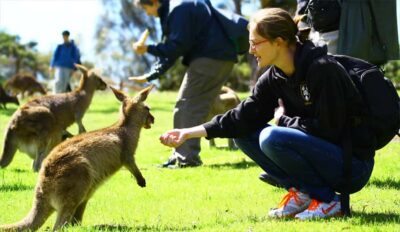
Hobart: Full-Day Bonorong Wildlife Sanctuary & Richmond Tour
Read our review →Browse the lists this tour appears in