REVIEW · ZOOS AND WILDLIFE PARKS
Visit to the Cochahuasi Animal Sanctuary with rescued animal
The most moving part of this Cusco outing is the chance to see rescued animals up close while learning why they can no longer live safely in the wild. Andean spectacled bears, pumas, macaws, and monkeys each have a difficult story, and the sanctuary uses those stories to teach respect for Peru’s wildlife.
I like two things here. First, your visit supports a place focused on education and conservation, not just animal viewing. Second, the short drive from Cusco makes this a practical half-day activity, with hotel pickup, a guide, and time with llamas and alpacas included.
The main drawback is that the sanctuary entrance ticket is not included in the $50 price, and food and drinks are extra. The visit itself is also fairly short, so you should book it for its conservation message and personal connection with rescued animals, not as a full-day wildlife expedition.
Key points to know before you go
- A 30-minute ride from Cusco: Hotel pickup takes you from the city to the sanctuary by car.
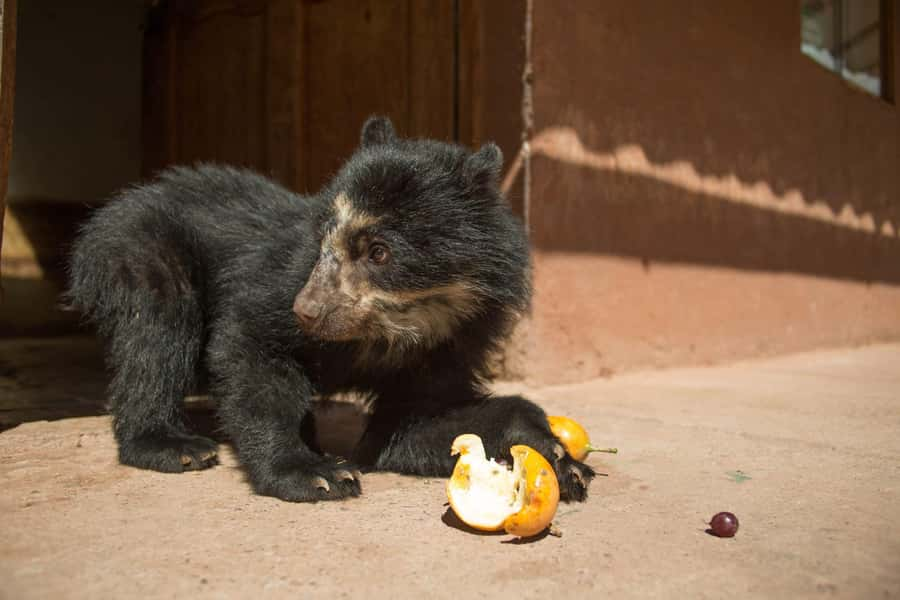
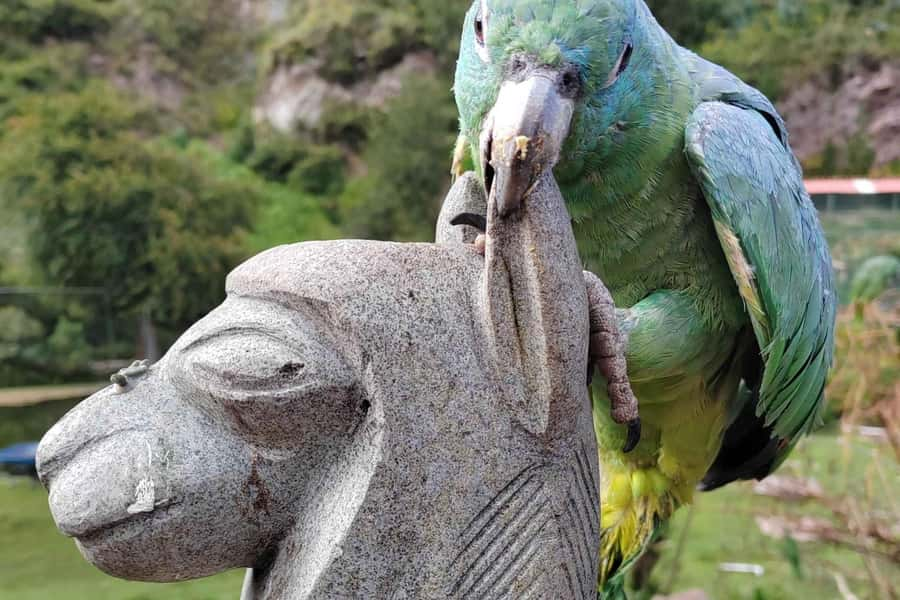
- Rescued wildlife from across Peru: Expect Andean spectacled bears, pumas, macaws, monkeys, and other species.
- A guide-led visit of 40 to 60 minutes: Your guide explains the animals’ stories and the sanctuary’s work.
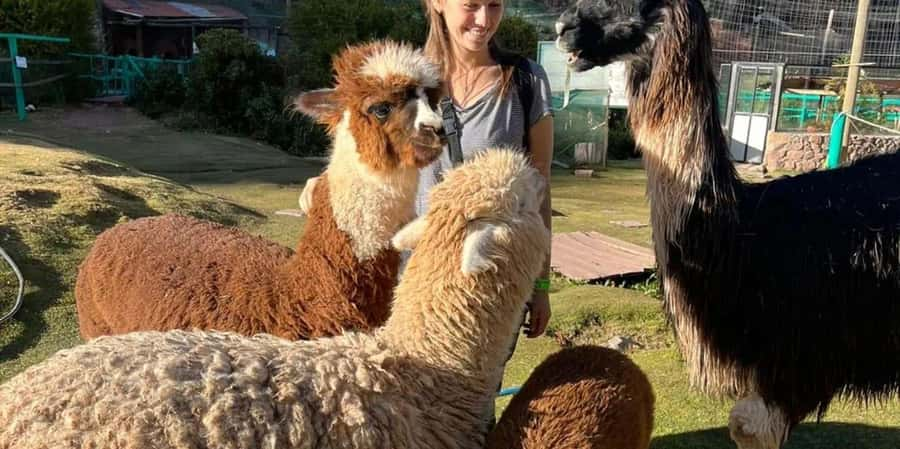
- Hands-on farm-animal time: Llama and alpaca interaction, animal food, and enrichment are included.
- Conservation is the main theme: The sanctuary works toward education, rehabilitation, and release where possible.
- Budget for the entrance fee: The $50 tour price excludes sanctuary admission, food, drinks, and gifts.
A short ride from Cusco to a serious animal rescue
Cochahuasi Animal Sanctuary sits about 30 minutes by car from Cusco, making it easy to fit into a free morning or afternoon. Hotel pickup and drop-off are included, so you do not need to arrange a taxi or work out local transport for this outing.
That short transfer also gives the visit a useful rhythm. You leave the city, spend focused time with the animals, then return to Cusco without giving up a whole day. I would pair it with another nearby activity only if your schedule allows enough breathing room, since pickup and return times can vary.
The road trip is not the main event. Think of it as a simple connection between Cusco and a place where rescued animals receive care. The value comes from what happens after you arrive: listening to the guide, seeing the animals, and understanding why conservation work is needed.
A few more animal parks around the world worth a look
- Chiang Mai: Elephant Sanctuary, Waterfall & Bamboo Rafting
★ 4.9 · 9,160 reviews - Ubud: Monkey Forest, Jungle Swing, Rice Terrace, and Water Temple
★ 5.0 · 7,160 reviews - Chiang Mai: Elephant Sanctuary & Waterfall Group Tour
★ 4.9 · 5,780 reviews
Meeting animals with difficult pasts
The sanctuary houses animals from Peru’s mountains and coastal jungle regions. The exact mix you see can vary, but the listed residents include Andean spectacled bears, pumas, macaws, and monkeys.
These are not ordinary zoo encounters. The animals are there because of rescue and protection needs, and each one has a story that may be sad or unsettling. That can make the visit more meaningful, but it also means you should arrive with the right expectations. This is not a place built only for cheerful photographs or close contact with every animal.
Your guide explains the background of the animals and the reasons for the sanctuary’s work. A verified guest from Germany, Slava, specifically valued how much the guide cared about the animals while explaining their lives. That personal concern matters. A good wildlife visit depends not only on what you see, but on how clearly someone helps you understand it.
The experience encourages you to look past the spectacle. A bear or puma may be impressive to see, but the larger lesson is that wildlife needs protection from harm, exploitation, and poor treatment. The sanctuary’s message is simple: people must speak up for animals that cannot speak for themselves.
The guided sanctuary visit takes 40 to 60 minutes
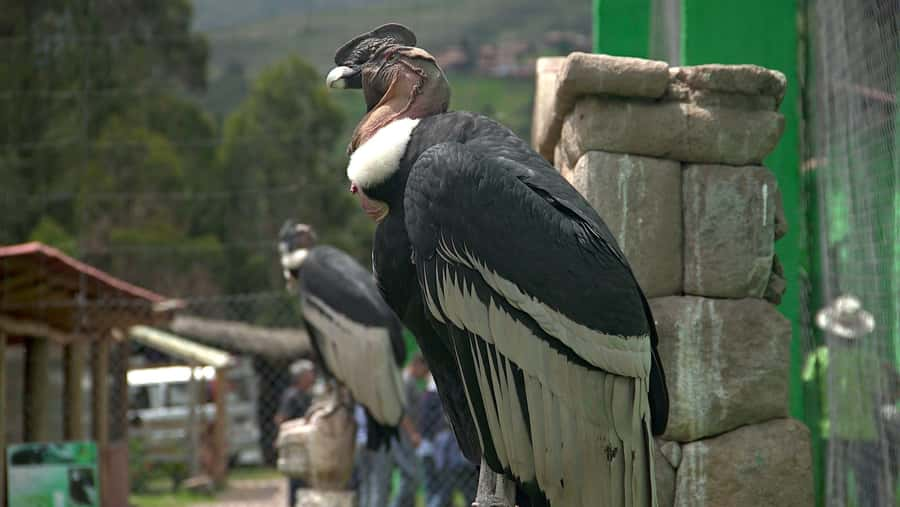
The main tour inside the sanctuary lasts about 40 minutes to one hour. That is enough time for a focused introduction to the resident animals, though it is not enough for a slow, all-day exploration of a large wildlife park.
The pace should suit most visitors. You have time to listen, observe, and ask questions without the visit becoming an exhausting day out. Families may appreciate the shorter format, especially if younger children lose interest after an hour. Animal lovers who want long periods watching behavior may find the visit too brief.
The sanctuary’s mission centers on education and release where possible. That is an important distinction. The goal is not simply to keep animals for display. The team is also working to release some endangered animals when their condition and circumstances allow it.
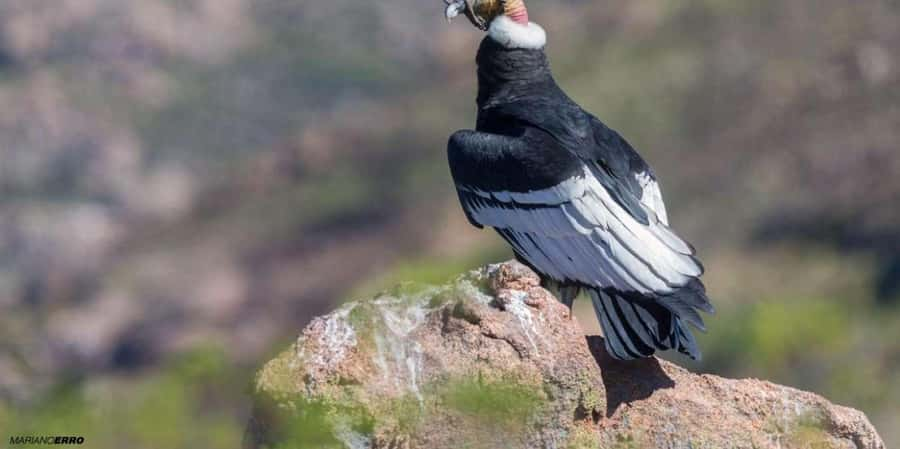
The program points to a male Andean condor fitted with GPS and satellite tracking in 2019. That detail shows the kind of conservation effort the sanctuary wants to support. Tracking a released condor can help specialists follow its movements and learn more about survival outside captivity.
You should not assume every rescued animal can return to the wild. Some may have injuries, a history of human dependence, or other problems that make release unsafe. That is why the sanctuary’s educational role is so important. It gives visitors a clearer idea of the hard choices involved in wildlife rescue.
Llamas, alpacas, food, and enrichment
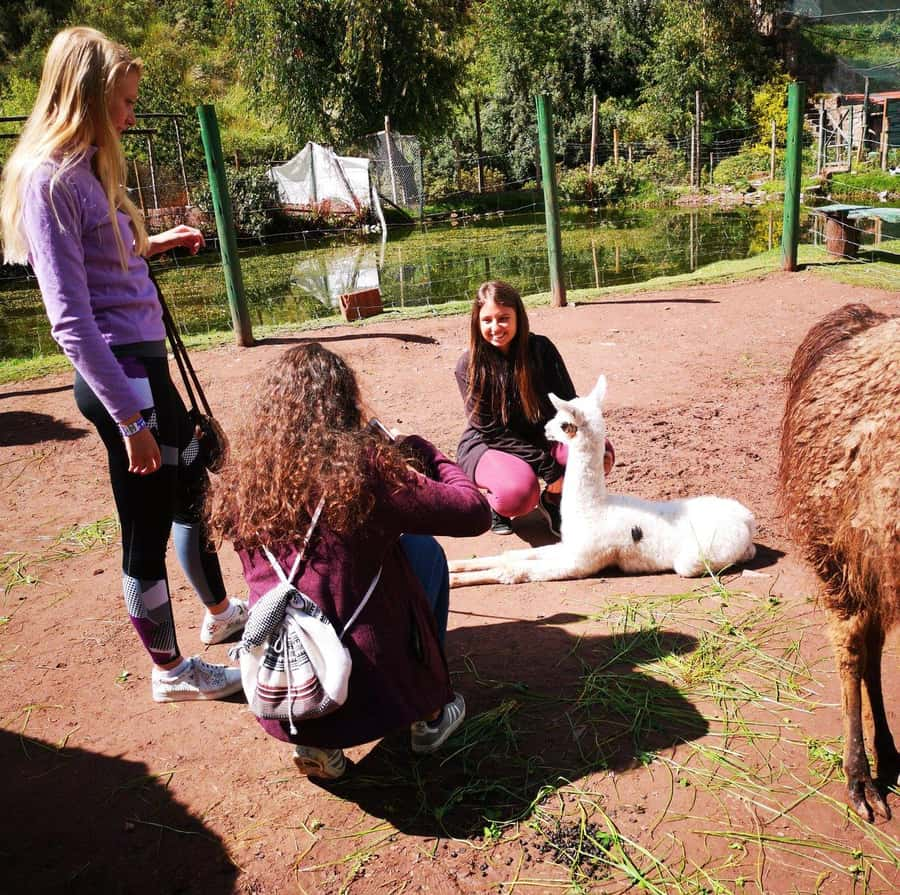
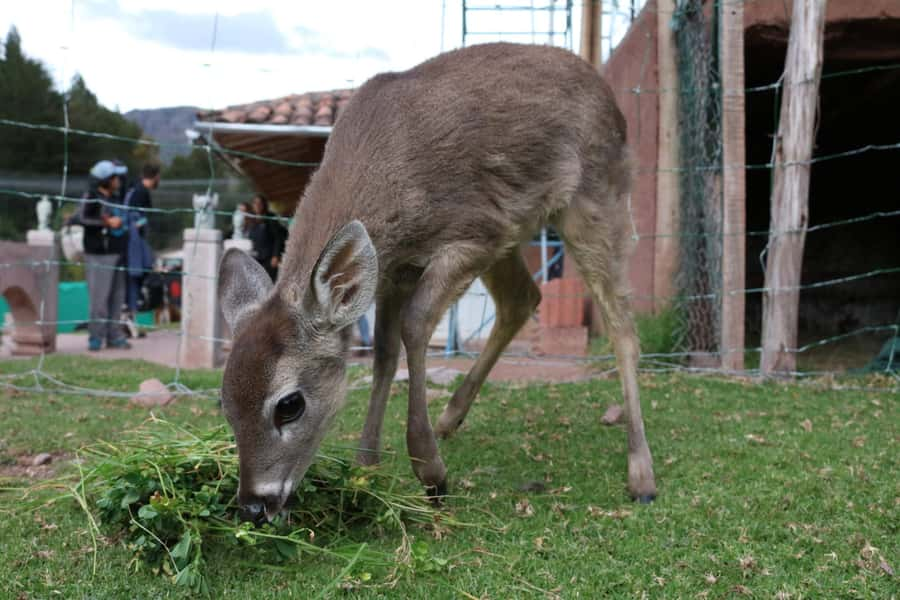
The experience includes interaction with llamas and alpacas. For many people, this will be the most relaxed part of the visit. These familiar Andean animals offer a gentler contrast to the larger predators and rescued birds.
Food for the animals is included, as is enrichment. Enrichment can mean activities or objects that encourage natural behavior and reduce boredom. The details of the enrichment program are not specified, so you should ask your guide what is being provided during your visit.
This part of the experience works well for families and first-time visitors to Peru. It gives you a simple, direct connection with animals without making the entire visit about large predators. It is also a good chance to slow down after the more serious stories of rescue and rehabilitation.
Still, animal interaction should be handled with care. Follow the guide’s instructions, use only the food provided, and avoid treating the animals like props. The purpose is respectful contact, not unlimited handling.
Same place, a different set of animals:
- Amsterdam: ARTIS Amsterdam Royal Zoo Entry Ticket
★ 4.6 · 5,651 reviews - Ubud: Waterfall, Rice Terraces & Monkey Forest Private Tour
★ 4.9 · 4,894 reviews - Dubai: Aquarium and Underwater Zoo Experience
★ 4.2 · 4,872 reviews - Chiang Mai: Elephant Sanctuary Feeding Program Half-Day Tour
★ 4.8 · 4,527 reviews
VIP animal houses and what the ticket price means
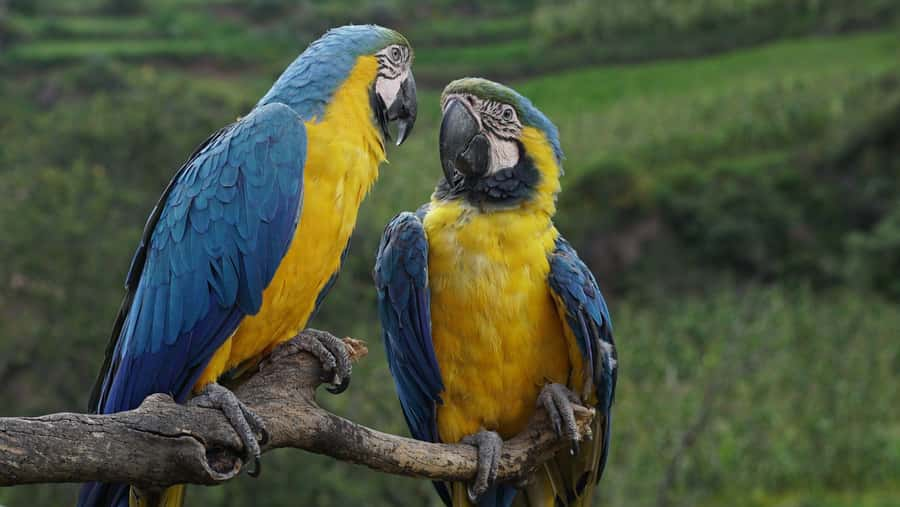
The package lists access to VIP animal houses among its inclusions. At the same time, the sanctuary entrance ticket is listed as excluded. That is an important detail to clarify before you pay or begin the tour.
The $50 price covers hotel pickup and drop-off, round-trip transport, a professional wildlife specialist guide, llama and alpaca interaction, animal food, enrichment, and access to the specified animal houses. It does not cover gifts, food for you, drinks, or the sanctuary entrance ticket.
Because admission is extra, the final cost will be higher than $50 per person. Ask the provider how much the entrance fee is at the time of booking and how it is paid. This is especially important if you are comparing the tour with arranging transport independently.
I see the price as reasonable for visitors who value convenience and a guided conservation visit. Pickup, transport, interpretation, and animal activities are bundled into a short outing. If you only want to reach the sanctuary and walk around on your own, the package may feel less attractive, especially once the admission fee is added.
The guide adds real value. Without clear explanations, the visit could become a quick circuit of animal enclosures. With a guide who cares about the residents and explains their stories, you leave with a better understanding of Peru’s wildlife problems.
Free time for crafts and a slower finish
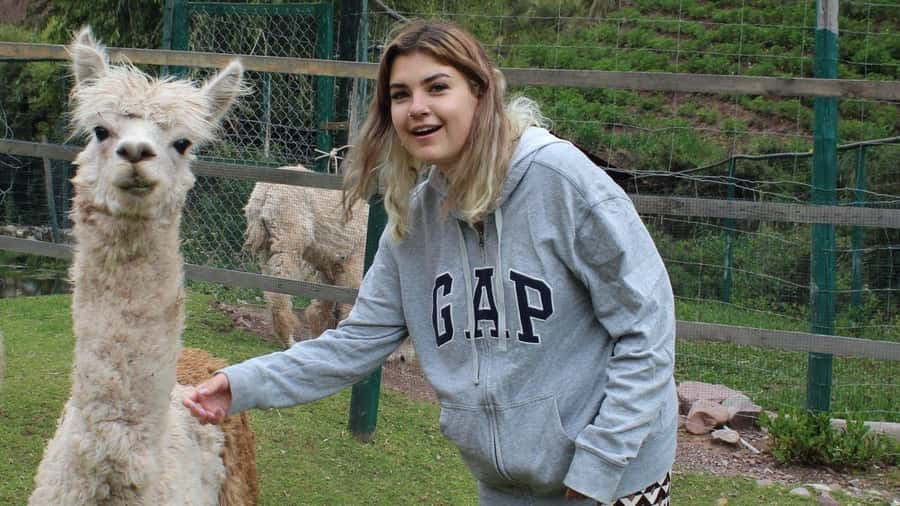
After the guided sanctuary visit, you receive about 20 to 25 minutes of free time. This gives you a chance to pause, take in what you have seen, and browse the area of products and crafts.
The craft stop is not included as a shopping credit. Gifts are your responsibility, and you should treat this part as optional. Some people enjoy having time to look at local items after the animal visit. Others may prefer to sit quietly or take a few final photographs.
The short free period is useful, but do not expect a long market visit. It is more of a closing stop than a major shopping session. If you want to buy something, use the time wisely and ask about prices before choosing.
Language, timing, and the shape of the day
Guiding is available in Spanish and English. That makes the experience practical for international visitors, though you should select your preferred language when booking.
The total duration is about three hours, including transportation from Cusco, the sanctuary visit, free time, and the return to your hotel. Starting times depend on availability, so check the schedule before building the rest of your day around it.
The format is straightforward:
- Hotel pickup in Cusco
- About 30 minutes of transport to the sanctuary
- A 40 to 60 minute guided animal visit
- Interaction with llamas and alpacas, plus animal food and enrichment
- About 20 to 25 minutes of free time
- A craft and product area
- Return transport to your Cusco hotel
That structure makes the tour a good fit for a spare half-day. It also suits visitors who prefer not to plan transport and admissions on their own. You should allow some flexibility around the published three-hour duration, since road conditions and hotel pickups can affect the timing.
Who will enjoy Cochahuasi most
I would recommend this outing to families, animal lovers, and visitors who want a meaningful activity close to Cusco. It also suits people who have limited time but still want to support local conservation work.
You will get the most from it if you enjoy listening to explanations and thinking about the responsibilities behind animal rescue. The sad stories are part of the experience. If you prefer wildlife encounters that are purely lighthearted, this may feel more serious than expected.
The visit is also useful for anyone who wants to learn about Peruvian species before heading into the Andes or Amazon. You see animals connected with different parts of the country, including mountain and coastal jungle environments, without needing to travel to each region.
I would be more cautious about recommending it to visitors seeking a full wildlife safari, a long hike, or hours of animal observation. The sanctuary visit is short and guided. Its strength is access, education, and support for rescue work, not the scale of the excursion.
Practical value at $50 per person
At $50 per person, the package gives you a convenient way to visit from Cusco without organizing transport yourself. Hotel pickup and return are useful, particularly if you are unfamiliar with the city or traveling with children.
The strongest part of the value is the combination of transport and interpretation. A wildlife sanctuary can be confusing if you do not know why the animals are there or what rehabilitation involves. The guide connects what you see with the wider need for conservation.
The weaker part is the separate entrance ticket. Food, drinks, and souvenirs also cost extra, so you should not treat $50 as the complete price. Ask for the current admission cost before confirming your budget.
Free cancellation up to 24 hours before the activity provides some flexibility. You can also reserve now and pay later, which helps if your Cusco schedule is still changing. These policies are useful, but the central question is still whether a short, guided sanctuary visit matches your interests.
Should you book this sanctuary visit?
Book it if you want a short, organized conservation outing with rescued Peruvian wildlife, a guide, and hotel transport from Cusco. The chance to learn about Andean spectacled bears, pumas, macaws, monkeys, and the sanctuary’s condor work gives the activity more weight than a simple animal viewing stop.
The guide’s care is an important part of the experience. Slava from Germany noticed that personal concern in the explanations, and that is exactly what you should hope for here: clear information delivered with respect for the animals.
Skip it if you want a long wildlife experience, dislike paying admission separately, or prefer to spend your limited Cusco time entirely on archaeological sites and mountain scenery. The visit lasts only about three hours, and the animal tour itself may take less than an hour.
For families and visitors who want to support a good cause without giving up a full day, I think it is a worthwhile choice. Just confirm the entrance fee, bring money for any food or crafts, and go ready to listen as much as you look.
FAQ
Where is Cochahuasi Animal Sanctuary?
The sanctuary is in the Cusco Region of Peru, about 30 minutes by car from the city of Cusco.
How long does the whole activity last?
The activity lasts about three hours, including hotel pickup and drop-off, transport, the sanctuary visit, and free time.
How long is the guided sanctuary visit?
The guided visit can last from about 40 minutes to one hour.
Which animals can I see?
The sanctuary has Andean spectacled bears, pumas, macaws, monkeys, and other rescued animals from Peru’s mountain and coastal jungle regions.
Is hotel transportation included?
Yes. Hotel pickup and drop-off in Cusco, along with round-trip transportation, are included.
Is the sanctuary entrance ticket included in the $50 price?
No. The sanctuary entrance ticket is listed as an additional cost. Food, drinks, and gifts are also not included.
What languages are available for the guide?
The live guide service is available in Spanish and English.
Just added around the world
- Zen In The Zoo★ 5.0 · 2 reviews
- ZANZIBAR: Jozani Forest, butterfly center & Reptile park★ 4.7 · 3 reviews
- Wuppertal: Admission to the Green Zoo Wuppertal★ 4.6 · 7 reviews
- Zanzibar: Jozani Monkeys, Butterfly Garden & Reptile Park★ 5.0 · 2 reviews
- Monkey Forest, Waterfall ,Temple and Rice Terrace★ 4.9 · 26 reviews
- Ubud :Monkey forest, Water Temple and waterfall Private Tour★ 5.0 · 2 reviews
- Wings Wildlife Park Burnie Shore Excursion★ 4.2 · 13 reviews
- Warsaw Zoo Skip-the-Line Entry Ticket with Private Transport★ 4.8 · 3 reviews
Zoos and Wildlife Parks, compared.
Chiang Mai: Elephant Sanctuary, Waterfall & Bamboo Rafting
Read our review →
Ubud: Monkey Forest, Jungle Swing, Rice Terrace, and Water Temple
Read our review →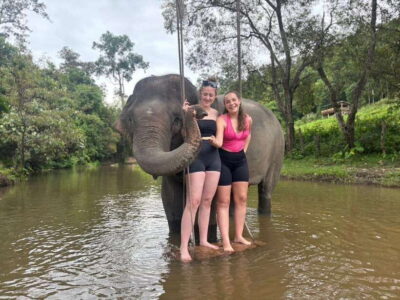
Chiang Mai: Elephant Sanctuary & Waterfall Group Tour
Read our review →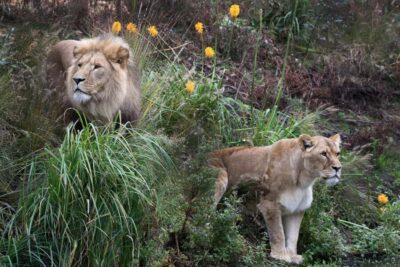
Amsterdam: ARTIS Amsterdam Royal Zoo Entry Ticket
Read our review →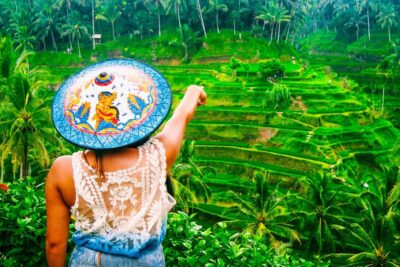
Ubud: Waterfall, Rice Terraces & Monkey Forest Private Tour
Read our review →
Dubai: Aquarium and Underwater Zoo Experience
Read our review →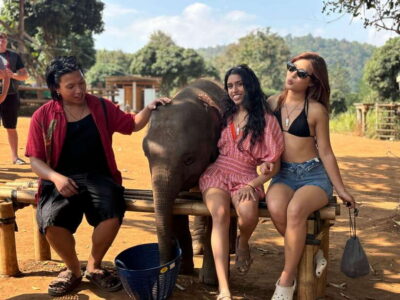
Chiang Mai: Elephant Sanctuary Feeding Program Half-Day Tour
Read our review →