

REVIEW · THAILAND
Kui Buri Wildlife Park & Community Living Beside Elephants
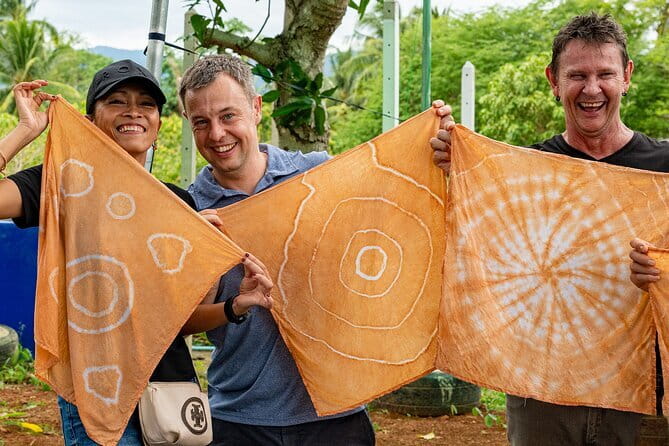
The most meaningful part of this day happens before you reach the elephants. In Ruam Thai, you work beside people who are changing what they grow and make so wild elephants have less reason to raid their farms. You will make beeswax lip balm, dye cloth with local soil, and help prepare lunch.
I like the hands-on work and the honest look at a hard problem: farms and elephants share a border, and neither can simply move away. I also like that the safari uses an open-air park vehicle and keeps the animals in their natural setting. The main drawback is the long road time, with about three hours of driving built into a nine-hour day.
Key points to know
- Meet the Tom Yum Project in Ruam Thai: Learn how local crops and products can help reduce elephant damage to farms.
- Make useful local crafts: Create lip balm from beeswax and use soil for tie dye.
- Cook and share lunch: Prepare a meal with produce from community gardens, with vegetarian and vegan options available if arranged ahead.
- Search for wild elephants: Kui Buri National Park may also reveal gaurs, deer, wild boar, reptiles, and many birds.
- Keep the group small: A maximum of nine people allows more contact during the community activities.
- Plan for a full day: The 9:30 am start at Hua Hin Clock Tower returns you to the same meeting point after roughly nine hours.
Why this Kui Buri day is different
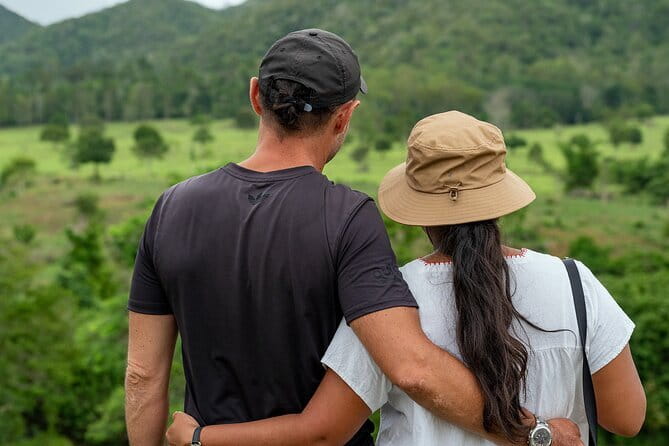
Many wildlife outings focus on the sighting. This one begins with the people who live beside the animals. That change in order matters. You first learn why elephants enter farmland, then see the forest where those elephants live.
The Tom Yum Project works with villagers near Kui Buri National Park. The basic problem is simple but serious: elephants can move out of the park and destroy crops without meaning to harm anyone. Farmers then lose food and income. The local response is to grow crops and create products that are less attractive to elephants, helping farms and wildlife share the same border.
You do not just hear about that effort from a distance. You work alongside the community. The activities are modest, but they connect the wildlife sighting to daily life. A beeswax lip balm, a piece of soil-dyed cloth, and a lunch made from local produce give you something practical to take away from the morning.
That makes this a good choice if you want more than a quick elephant photograph. It is also a better fit for people who enjoy asking questions, trying simple crafts, and taking part in a meal rather than being served from start to finish.
More Elephant Sanctuaries in Thailand:
- Chiang Mai: Elephant Sanctuary, Waterfall & Bamboo Rafting
★ 4.9 · 9,160 reviews - Chiang Mai: Elephant Sanctuary & Waterfall Group Tour
★ 4.9 · 5,780 reviews - Chiang Mai: Elephant Sanctuary Feeding Program Half-Day Tour
★ 4.8 · 4,527 reviews
The 90-minute ride from Hua Hin

The day begins at 9:30 am at Hua Hin Clock Tower. An air-conditioned vehicle takes you toward Ruam Thai, about 90 minutes away. That road time is included in the advertised nine-hour duration, but you should still think of this as a full-day outing rather than a short side trip.
The vehicle is useful in Hua Hin’s heat, especially before and after the outdoor park portion. An English-speaking licensed Thai guide travels with you, helping explain the day and manage the change from village activities to the national park.
Because the group is limited to nine people, the drive can feel more personal than a large coach excursion. The small size also matters once you begin the hands-on work. You are less likely to feel like you are watching a demonstration from the back of a crowd.
The meeting point is central and clear: Hua Hin Clock Tower. The tour ends there as well, which makes planning the rest of your day easier. Do not book an evening commitment too close to the return, since road conditions and the wildlife portion can affect the exact timing.
Ruam Thai and the Tom Yum Project
After the drive, you spend about three and a half hours in Ruam Thai. This is the heart of the experience. The village is home to the Tom Yum Project headquarters, where you learn how the community is working toward a safer relationship with nearby elephants.
The subject is practical, not abstract. Elephants sometimes leave the national park and enter farmland, where they can destroy crops. The project supports alternatives, including crops and products that help farmers earn money while giving elephants fewer reasons to cross into fields.
You will have time to understand that work through several activities. The day is not built around a long formal talk. Instead, the explanation is tied to what you are doing with your hands.
Making lip balm from local beeswax
You make lip balm using beeswax from local bees. It is a small craft, but it gives you a direct connection to the products being developed in the community.
This activity should appeal to anyone who likes simple, useful souvenirs rather than another mass-produced item. It also shows how local materials can support an income source that is different from crops vulnerable to elephant raids.
The information does not specify how much lip balm you take home or the exact recipe, so treat it as a guided activity rather than a guaranteed shopping opportunity. The value is in learning the process and seeing how local products fit into the wider plan.
A few more animal parks around Thailand worth a look
- Chiang Mai: Elephant Sanctuary, Long Neck & Sticky Waterfall
★ 4.9 · 2,262 reviews - Phuket: Elephant Sanctuary Guided Tour with Hotel Transfers
★ 4.8 · 2,020 reviews - Krabi: Ao Nang Elephant Sanctuary Half-Day Tour
★ 4.8 · 1,796 reviews - A Morning with the Elephants at Phuket Elephant Sanctuary
★ 5.0 · 1,693 reviews
Soil-based tie dye
The tie-dye activity uses local soil. That gives the craft a strong sense of place, since the color comes from the area itself rather than a bottle of imported dye.
You will need to be comfortable with a hands-on activity that may be a little earthy. The point is not a polished studio workshop. It is a local technique connected to the materials around the village.
This was one of the most praised parts of the experience, and I can see why. It is easy to understand, suitable for many ages, and gives the morning a creative change of pace after learning about farming and elephants.
Cooking lunch together
You also help prepare lunch using produce from community gardens. Everyone shares the food, so this is not simply a restaurant stop inserted between activities.
Cooking gives you another way to understand local life. You see the ingredients, take part in the preparation, and eat food linked to the community project. It also makes the day feel social without turning it into a formal performance.
Vegetarian and vegan diets can be accommodated if you mention them when booking. You should do this in advance, since some dishes may need to be changed or skipped. The experience is not suitable for people with gluten intolerance or nut allergies, so those restrictions deserve careful attention before you pay.
What the community lesson adds
The strongest part of the morning is the connection between conservation and household income. It is easy to talk about protecting elephants. It is harder to ask a family whose crops have been damaged to carry all the cost of protection.
This project addresses that tension by helping people grow and make products that can provide income while reducing conflict. You see conservation as a shared economic problem, not only a matter of keeping animals inside a park.
That does not mean every elephant encounter will be prevented, and the day does not promise a perfect solution. Its value is that it shows the work involved in making coexistence possible. You get a closer look at the people affected by wildlife policy, not only the animals visitors come to photograph.
Entering Kui Buri National Park
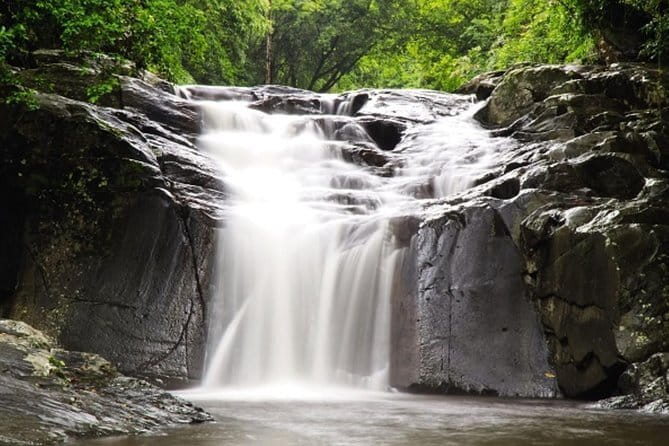
After about 30 minutes of travel from Ruam Thai, you reach Kui Buri National Park. The wildlife portion lasts about two hours and takes place in a national park sightseeing pickup truck with a local park driver and guide.
This is an open-air safari, so you have a better chance of seeing and hearing the forest around you than you would through the windows of a closed van. The tradeoff is exposure to sun, heat, dust, and weather. Wear practical clothing and bring protection from the sun, though the supplied information does not list specific equipment.
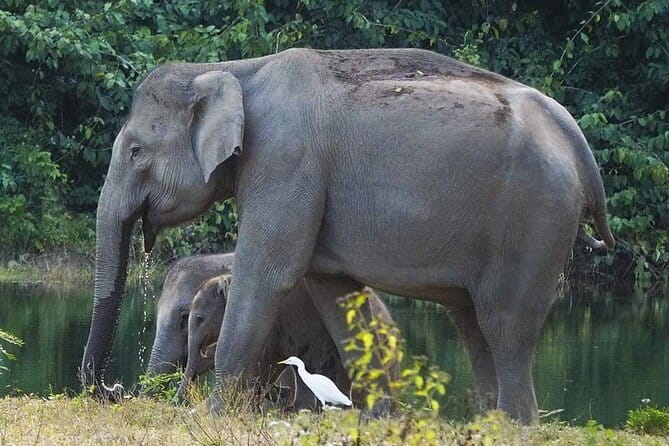
The animals live freely in their natural habitat. That is good for the wildlife, but it means sightings cannot be guaranteed or scheduled like a zoo presentation. One day may bring elephants; another may offer more birds, deer, or signs of other animals.
Your search may include:
- Wild elephants
- Gaurs
- Deer
- Wild boar
- Reptiles
- A large range of birds
The safari is best approached with patience. You are looking into a real forest, not following a set show timetable. If elephants are your main reason for booking, accept that nature decides what appears and when.
Wildlife sightings without a promise

The chance to see elephants in the wild is the emotional high point of the day, but the setting also creates uncertainty. The supplied details make no guarantee about the number of elephants or the length of any sighting.
That uncertainty is part of the ethical value. The animals are not being brought to a feeding platform or trained to appear on command. You enter their habitat with a park vehicle and look for signs of movement among the trees and open areas.
The wildlife list also gives you a useful way to set expectations. A successful outing does not depend on elephants alone. Gaurs, deer, wild boar, reptiles, and birds all add to the safari, and the variety can change from day to day.
The national park fee, sightseeing pickup truck, driver, park guide, and gratuity are included. That means you are not left to arrange the wildlife portion yourself after reaching the park. The guide and park staff handle the local logistics while you focus on looking and listening.
Is $98.99 a fair price?
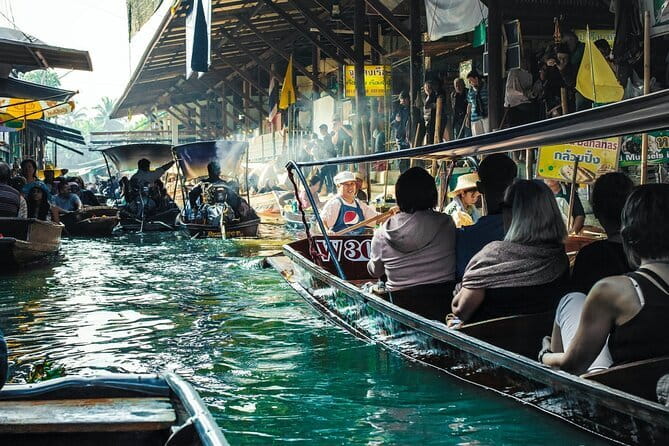
At $98.99 per person, this is not the cheapest way to spend a day near Hua Hin. Its value comes from the combination of several services and experiences rather than from the safari alone.
The price includes round-trip transport in an air-conditioned vehicle, an English-speaking licensed Thai guide, vehicle accident insurance required by Thai tourism law, national park fees, the park pickup truck and driver, a national park guide, lunch, and all Tom Yum Project activities.
You are also paying for access to a small community program and a maximum group size of nine. A large part of the day is spent with local people, not simply transported between viewpoints.
I would consider the price fair if you want both conservation context and wildlife. If your only goal is the fastest possible elephant sighting, a full-day community program may feel like more than you need. If you enjoy food, crafts, and local problem-solving, the added morning gives the outing more substance.
Tips for the Feast Thailand guide and driver are not included. The information does not state a suggested amount, so plan to handle gratuities separately if you feel the service deserves one.
Who will enjoy this experience most?
This day suits you if you like active cultural experiences and do not mind a long transfer. It works especially well for people who want to understand how tourism, farming, and wildlife protection meet in one place.
Families may appreciate the lip balm, tie dye, and cooking activities, though the day is long. Couples and small groups who prefer a personal tour should like the nine-person limit. It also fits visitors who want a more responsible wildlife encounter and are willing to accept that animals may not appear on cue.
The day may be less suitable if you dislike outdoor heat, have limited time in Hua Hin, or want a relaxed lunch with no participation. It is also not suitable for anyone with gluten intolerance or a nut allergy, based on the stated food restrictions.
Most people can take part, but the experience involves road travel, village activities, and an open-air vehicle. If you have a mobility concern, ask the provider before booking, since the available details do not explain vehicle access or walking requirements.
Practical planning for the day
Wear clothes you can use for crafts and cooking. Soil dye and food preparation are more enjoyable when you are not worried about keeping an outfit spotless.
Leave room in your schedule after the activity. The planned return journey from the park to Hua Hin takes about 90 minutes, and the total day is approximately nine hours.
Tell the provider about dietary needs when you book. Vegetarian and vegan meals are possible, but some restrictions may mean missing certain dishes. Gluten intolerance and nut allergies are specifically listed as unsuitable.
The activity uses a mobile ticket, and booking confirmation is sent within 48 hours, subject to availability. It requires good weather and a minimum number of participants. If poor weather or insufficient bookings cancel the outing, you can choose another date or receive a full refund.
Free cancellation is available until 24 hours before the start time. After that point, the payment is not refunded, and changes made inside the 24-hour window are not accepted.
Should you book the Kui Buri experience?
Book this if you want the elephant story to include the people who live beside the forest. The Tom Yum Project activities, shared lunch, and practical conservation lesson give the day a purpose beyond sightseeing.
The safari adds real wildlife appeal, with elephants, gaurs, deer, wild boar, reptiles, and birds possible in their natural setting. Just keep your expectations sensible. Sightings vary, and the three hours of driving make this a demanding day.
For a visitor based in Hua Hin, I think this is a strong choice for a small group that values local contact, simple crafts, and responsible wildlife viewing. Skip it if you want a short excursion or a guaranteed elephant encounter. Choose it if you want to spend a day learning how a community is trying to make room for both farms and elephants.
FAQ
Where does the Kui Buri experience start?
It starts at Hua Hin Clock Tower at 9:30 am.
Where does the activity end?
It ends back at the Hua Hin Clock Tower meeting point.
How long does the experience last?
The activity lasts approximately nine hours, including travel between Hua Hin, Ruam Thai, and Kui Buri National Park.
How large is the group?
The activity has a maximum of nine participants.
What will I do in Ruam Thai?
You will learn about the Tom Yum Project, make beeswax lip balm, create tie dye using local soil, and help prepare a shared lunch with community produce.
What animals might I see in Kui Buri National Park?
Possible sightings include elephants, gaurs, deer, wild boar, reptiles, and many birds. The animals live in their natural habitat, so sightings vary.
Can vegetarians and vegans take part?
Yes, vegetarian and vegan options are available if you inform the provider when booking.
Is cancellation free?
Yes, you can cancel for a full refund if you cancel at least 24 hours before the experience begins. Poor weather or failure to meet the minimum number of participants may also lead to a different date or a full refund.
Just added around Thailand
- Elephant Sanctuary Small Group Tour in Phuket★ 5.0 · 3 reviews
- Phuket Guided Tour to Elephant Sanctuary with Hotel Transfers★ 5.0 · 14 reviews
- Krabi Immersive Elephant Sanctuary Experience★ 3.5 · 2 reviews
- Krabi Elephant Sanctuary and Emerald Pool Adventure★ 5.0 · 2 reviews
- Guide Tour to Khaolak Elephant Sanctuary in Small Group★ 5.0 · 47 reviews
- Ethical Elephant Observation by Samui Elephant Sanctuary★ 4.5 · 6 reviews
- Early Bird James Bond Island and Elephant Sanctuary from Khaolak★ 5.0 · 2 reviews
- Guided Tour to Takua Pa and Elephant Sanctuary in Khao Lak★ 5.0 · 4 reviews
Thailand Zoos, compared.
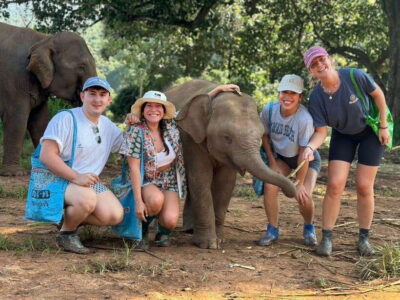
Chiang Mai: Elephant Sanctuary, Waterfall & Bamboo Rafting
Read our review →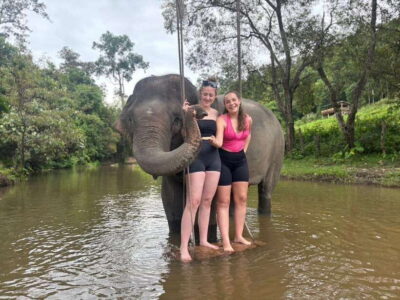
Chiang Mai: Elephant Sanctuary & Waterfall Group Tour
Read our review →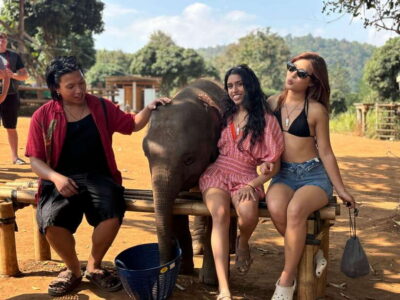
Chiang Mai: Elephant Sanctuary Feeding Program Half-Day Tour
Read our review →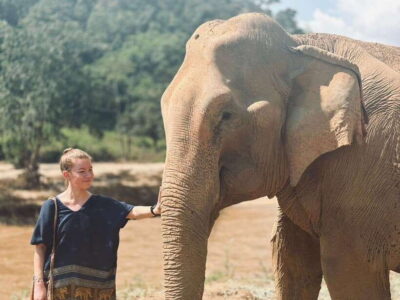
Chiang Mai: Elephant Sanctuary, Long Neck & Sticky Waterfall
Read our review →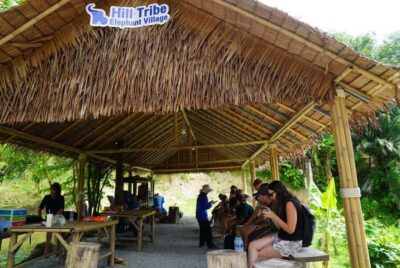
Phuket: Elephant Sanctuary Guided Tour with Hotel Transfers
Read our review →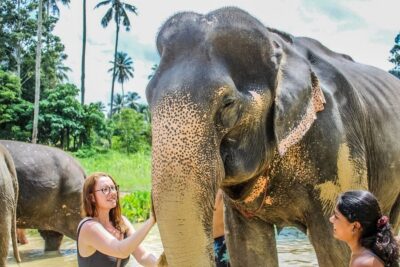
Krabi: Ao Nang Elephant Sanctuary Half-Day Tour
Read our review →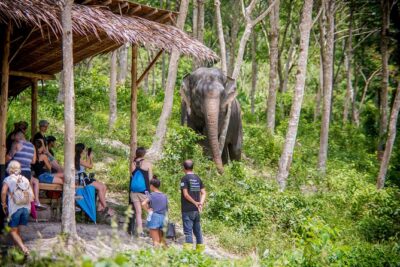
A Morning with the Elephants at Phuket Elephant Sanctuary
Read our review →
Chiang Mai: Small Group Ethical Elephant Sanctuary Tour
Read our review →Browse the lists this tour appears in