
REVIEW · CHIANG MAI
2-Day Kindred Spirit Elephant Sanctuary in Chiang Mai
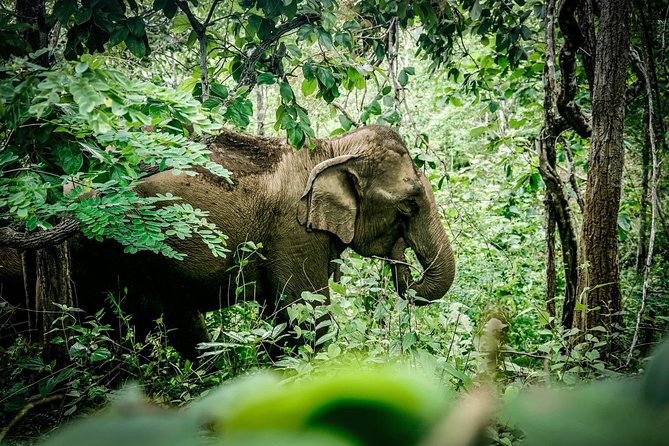
The best part of this two-day trip is that the elephants are not presented as a quick photo stop. You hike through the forest to find them, watch their natural behavior, and eat lunch outdoors nearby. The night before, you stay with a Karen homestay family, cook together, and learn basket weaving from a village elder.
I like the honest mix of wildlife time and village life. I also like that round-trip transport, meals, national park fees, and a local guide are included. The main consideration is comfort: the homestay is basic, the drive is long, and the morning hike requires a moderate level of fitness.
Key points to know before booking
- The elephants roam in the forest: You spend the second day walking and observing rather than watching a bathing or performance show.
- The homestay is part of the experience: Expect clean, simple accommodation in a Karen family home, not a resort room.
- Your money supports more than the sanctuary: Cooking and basket weaving connect the visit with village life and local work.
- The drive takes time: The route passes through Doi Inthanon National Park and includes a lunch stop at Mae Chaem Market.
- Pack modest clothing: Knees and shoulders must be covered during the stay.
- The ethical model deserves thought: The sanctuary works with privately owned elephants, so it is worth considering how that arrangement fits your own standards.
A forest visit built around observation
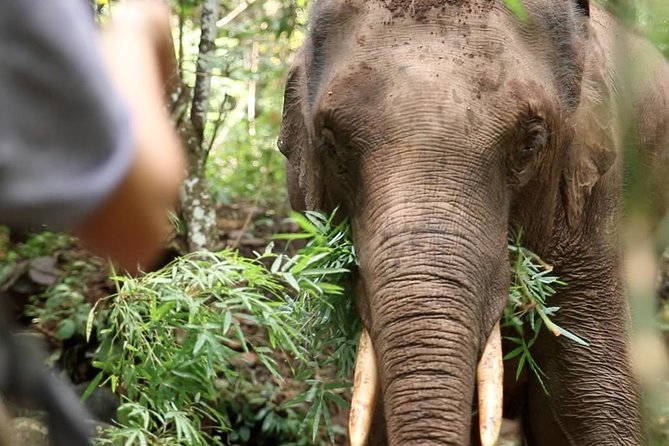
Many elephant outings in northern Thailand are short, crowded, and heavy on staged encounters. This one takes a slower route. You travel into the hills, sleep in a local village, and spend the following day walking with a guide to locate the elephants in their forest home.
That difference matters. You are not promised a fixed viewing point or a guaranteed close-up photograph. Instead, you spend time learning how the animals behave and watching them in the setting where they live. The experience is less polished than a standard day trip, but it has a stronger sense of place.
The sanctuary is home to rescued and retired elephants. The group is limited to a maximum of 15 people, which should make the forest walk more manageable than a large coach excursion. A small group also gives you a better chance to hear the guide and ask questions while walking.
The elephants connected with the project are privately owned by local villagers. That arrangement is an important part of the sanctuary’s work, but it also raises a question you should consider before booking. Some people expect an elephant sanctuary to own every animal outright and remove it entirely from the local ownership system. Here, the project works within a community-based model. If that approach concerns you, read the provider’s current ethical information before paying.
More Elephant Sanctuaries in Chiang Mai
- Chiang Mai: Elephant Sanctuary, Waterfall & Bamboo Rafting
★ 4.9 · 9,160 reviews - Chiang Mai: Elephant Sanctuary & Waterfall Group Tour
★ 4.9 · 5,780 reviews - Chiang Mai: Elephant Sanctuary Feeding Program Half-Day Tour
★ 4.8 · 4,527 reviews
The long road from Chiang Mai to Mae Chaem
The trip starts at 9 a.m. from the Top North Hotel in Chiang Mai. Pickup is offered, and private vehicle pickup and drop-off are included for the stated hotel service, but the meeting point information also names Top North Hotel. Confirm your exact pickup arrangement after booking, especially if you are staying elsewhere.
The road heads toward Doi Inthanon National Park, home to Thailand’s tallest mountain. This is not a quick transfer. You spend much of the first day on the road, so the trip suits you best if you see the drive as part of reaching a remote community rather than an inconvenience to endure.
The route through the national park gives the journey a scenic setting, although the supplied details do not promise specific viewpoints or stops inside the park. Pack water, keep your phone charged, and bring something small to eat if you need snacks between meals.
A stop at Mae Chaem Market breaks up the drive. You have lunch there before continuing by truck to the village. The stop is listed as about 45 minutes, with no separate admission charge. It is a practical pause rather than a major sightseeing session, but it gives you a chance to eat and see a local market before the rural portion of the trip begins.
You should not expect a full market tour or a long shopping period. The schedule has a village arrival and activities still ahead, so keep this stop short and flexible.
A night with a Karen family
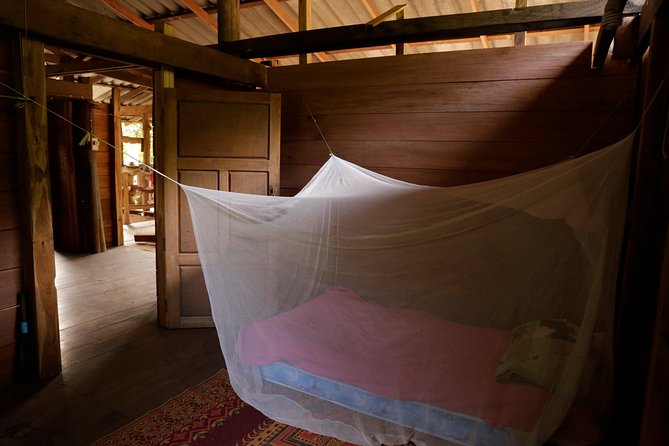
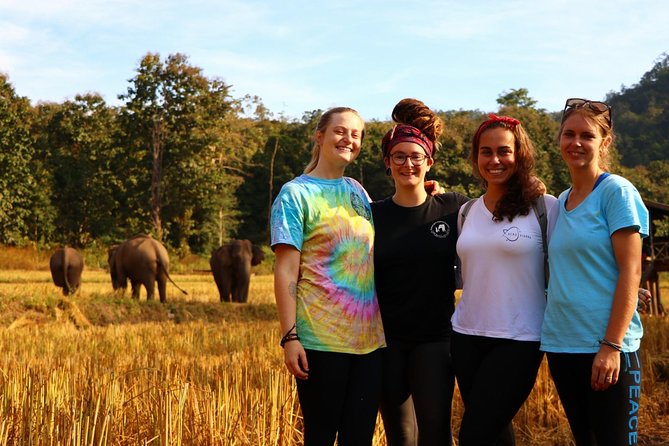
On arrival, you meet your homestay family, the local staff, and other people taking part in the program. The accommodation is described as basic, clean, and comfortable. That combination tells you what to expect: a genuine family setting with essential comforts, but no hotel-style service or facilities.
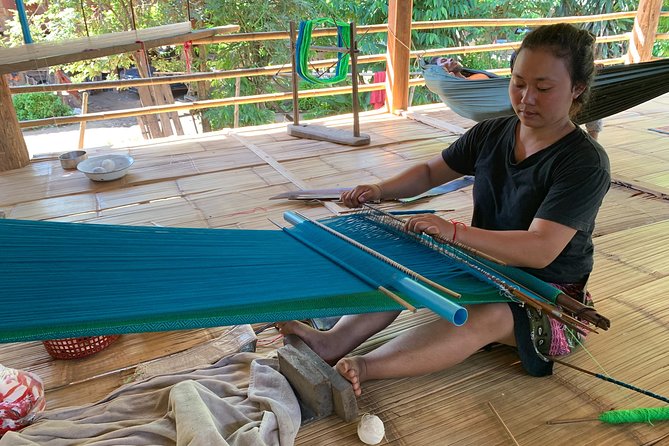
The homestay is one of the strongest reasons to choose this trip over a standard elephant day visit. You are not simply dropped into a village for a staged performance. You share part of the evening with your hosts, help prepare food, and take part in a traditional craft.
Cooking is included, with dinner served as part of the overnight stay. A vegetarian option is available, but you need to request it when booking. If you have allergies or other food requirements, the supplied details only confirm the vegetarian option, so ask the operator what can be accommodated.
Basket weaving is taught by one of the village elders. This gives the evening a hands-on quality and lets you spend time with someone whose role is not just to guide an excursion. The activity may appeal to you if you like learning by doing, but it is not a fit if you want a packed schedule of formal attractions.
The dress code is practical and culturally respectful. You must wear modest clothing covering your knees and shoulders during the stay. Lightweight trousers or a longer skirt, plus a shirt with sleeves, will keep you comfortable and avoid last-minute clothing problems.
Bring only what you need for one night. The tour involves road travel, a homestay, and hiking the next day, so a small overnight bag is easier to manage than a full suitcase. The details do not specify bedding, bathroom arrangements, or whether towels are supplied, so ask before departure if those points affect your comfort.
Finding the elephants on foot
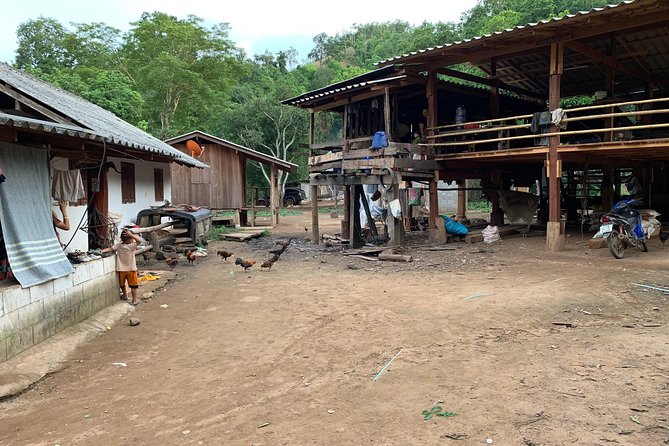
The second day starts early. You walk into the forest with a guide to find the elephants, then spend the morning and afternoon observing them and learning about their behavior.
The wording here is important. The experience is built around finding and watching the animals, not feeding them on command or staging a bath for photographs. You may see them at different distances and in different conditions. That makes the day feel more like a wildlife visit, but it also means the experience is less predictable.
The walk involves a moderate amount of hiking. You should have a moderate level of fitness and be comfortable walking on uneven forest ground. The information does not give a trail length, elevation gain, or exact walking surface, so ask the provider if you have knee, balance, or mobility concerns.
Wear sturdy walking shoes, light clothing, and protection from the sun. Modest dress remains useful, and a small day bag will hold water and personal items. The supplied details do not state whether walking poles, insect repellent, or rain gear are provided, so bring or confirm any item you normally need for a forest walk.
The guide’s role is especially important here. You learn about the elephants and their natural behavior while walking, rather than receiving only a short talk at a viewing area. Pay attention to the guide’s instructions about distance and movement. With large animals, a good encounter is one where the elephants remain calm and in control of the space.
Lunch is served in the forest with the elephants nearby. This is a memorable setting, but keep your expectations sensible. It is a picnic lunch, not a restaurant meal, and the exact menu is not specified. Meals included in the package cover the overnight stay and the second day, with breakfast, dinner, and lunch listed among the inclusions.
After roughly six hours at the sanctuary on the second day, you return to Chiang Mai in the afternoon. The exact arrival time is not provided. Avoid booking a flight, train, or fixed evening appointment that leaves little room for delay.
Same place, a different set of animals:
- Chiang Mai: Elephant Sanctuary, Long Neck & Sticky Waterfall
★ 4.9 · 2,262 reviews - Chiang Mai: Small Group Ethical Elephant Sanctuary Tour
★ 4.9 · 1,572 reviews - Chiang Mai: Doi Inthanon and Elephant Sanctuary Tour
★ 4.9 · 1,091 reviews - 3-in-1: Doi Inthanon Tour, Elephant Sanctuary, and Trekking Trail
★ 5.0 · 1,087 reviews
What the $216.51 price really covers
At $216.51 per person, this is not the cheapest way to see elephants near Chiang Mai. It is also more than a simple transport-and-entry excursion. Your price covers an overnight homestay, meals, a local guide and driver, transport, national park fees, and the village activities.
The value depends on what you want from the trip. If your main goal is a short elephant encounter, you may find the cost and two-day commitment hard to justify. If you want a rural overnight stay, community activities, and a full forest day, the package combines several expenses that you would otherwise arrange separately.
The local setting adds value, but it also means giving up hotel comforts. Your money supports the sanctuary’s non-profit work and the host community, though the exact distribution of funds is not provided. That is another good reason to ask direct questions about how fees support elephant care, village hosts, and staff.
The group size can reach 15 people. That is still small enough for a shared experience, but it is not a private tour. If all places are filled, the homestay activities and forest walk will involve a group with different walking speeds and interests.
The trip is booked, on average, 83 days ahead. That suggests you should plan early, especially if your Chiang Mai dates are fixed. Confirmation arrives within 48 hours of booking, subject to availability. The experience requires at least two people per booking, so solo visitors cannot book it as a one-person reservation under the stated conditions.
The price does not include alcoholic drinks or personal expenses. Carry Thai baht for small purchases if you want them, though the information provided does not state exactly where extra purchases will be available.
The ethical question about elephant care
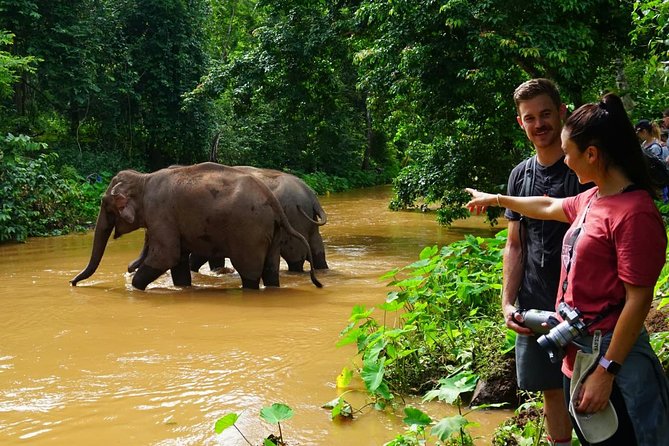
Elephant tourism in Thailand requires more than a quick label such as sanctuary. The important questions are how much control visitors have over the animals, how close people are allowed to get, what work the elephants still do, and how money reaches their care and owners.
This project presents itself as a non-profit home for rescued and retired elephants that roam freely in the jungle. The experience described here avoids elephant rides and performances. You hike alongside the animals, watch their behavior, and learn from the guide.
At the same time, the sanctuary’s elephants are privately owned by local villagers. That means the project is not the same as a facility that has purchased and permanently retired every elephant. The community model may help local owners while giving the animals a less commercial routine, but you should decide if that model matches your expectations.
Before booking, ask the operator clear questions about human contact, feeding, bathing, working arrangements, veterinary care, and the number of elephants currently living at the site. The information supplied for this tour does not answer all of those points.
A responsible visit also depends on your behavior. Keep your distance when asked, avoid sudden movements, and do not treat the elephants as photo props. The strongest part of this trip is watching animals on their own terms, so resist the urge to turn every moment into a close-up picture.
Who will get the most from this trip
I would recommend this experience to you if you want a rural northern Thailand visit with three distinct parts: a long journey through the mountains, a Karen village homestay, and a forest-based elephant encounter.
It suits people who enjoy simple accommodation, shared meals, local crafts, and walking. Families with older children may like the mix of cooking, basket weaving, and wildlife, but the moderate hike and basic homestay may not suit young children. The supplied information does not set a minimum age, so ask the provider before booking for children.
It is also a good fit if you want your Chiang Mai schedule to include more than temples and city food. The village visit offers a direct connection with local hosts, while the elephant day provides time to observe rather than rush through a short attraction.
I would hesitate to recommend it if you need a private room, a short transfer, guaranteed close elephant contact, or a detailed accessibility plan. The tour requires a minimum of two people, includes moderate hiking, and does not provide enough information to confirm accessibility for people with limited mobility.
Practical preparation for two days
Keep your packing simple and useful:
- Modest clothing covering knees and shoulders
- Comfortable walking shoes
- A small overnight bag
- Sun protection
- Personal toiletries
- Any needed medication
- Extra cash for personal expenses
- Food information for the operator if you need a vegetarian meal
The tour includes breakfast, dinner, and lunch, although the supplied details list meals in a slightly repetitive way. The safest assumption is that meals are provided during the homestay and forest day, while alcoholic drinks and personal purchases are extra.
You should also allow room for changes in timing. The first day includes a long drive, a market stop, village activities, and an overnight stay. The second day includes an early forest walk, several hours with the elephants, lunch, and the return drive. It is a full two days, not a relaxed overnight break.
Should you book the Kindred Spirit Elephant Sanctuary?
Book this trip if you value community contact and quiet elephant observation more than comfort and convenience. The Karen homestay, cooking lesson, basket weaving, and forest walk give the experience a clear sense of purpose. You are paying for time in a place, not just a quick photograph.
Think carefully if you are uncertain about privately owned elephants, or if you need detailed information about the sanctuary’s welfare standards before committing. Also remember that the cancellation terms are strict: the experience is non-refundable and cannot be changed after booking.
For the right person, the two-day format is the point. You get enough time to slow down, meet local hosts, and see the elephants in a less staged setting. For someone seeking a polished hotel stay or a guaranteed close encounter, another Chiang Mai option may be a better choice.
FAQ
Where does the tour start?
The stated meeting point is Top North Hotel, 41 Mun Mueang Road, Si Phum, Chiang Mai. The start time is 9 a.m.
Does the tour include pickup from Chiang Mai?
Yes. Pickup is offered, and private vehicle pickup and drop-off are included for the stated hotel service. Confirm your exact pickup details, since Top North Hotel is also given as the meeting point.
How long does the experience last?
The experience lasts approximately two days. You travel to the village on the first day, stay overnight, spend the next day with the elephants, and return to Chiang Mai in the afternoon.
Where do I sleep?
You stay overnight in a family home in a Karen village. The accommodation is basic, clean, and comfortable.
Are meals included?
Yes. Breakfast, dinner, and lunch are included. Alcoholic drinks and personal expenses are not included.
Is a vegetarian meal available?
Yes. A vegetarian option is available, but you must advise the operator when booking.
How much hiking is involved?
A moderate amount of hiking is involved. You should have a moderate level of physical fitness because the second day includes a forest walk lasting several hours.
Can one person book the tour alone?
No. A minimum of two people per booking is required. The group can include up to 15 people.
More Two-Day Trips in Chiang Mai
- San Diego Zoo and Safari Park 2-Day Entry Ticket
★ 4.5 · 85 reviews - San Diego Zoo and Safari Park: 2-Day Entry Ticket
★ 4.7 · 79 reviews - Taronga Zoo Entry & Sydney Harbour 2-Day Hop On Hop Off Cruise
★ 4.5 · 66 reviews - Port Elizabeth:2-Day Schotia Safaris & Addo Wildlife Reserve
★ 4.0 · 4 reviews
Just added around Chiang Mai
- Inthanon Heaven Trail(Living Green Elephant Sanctuary)★ 5.0 · 52 reviews
- Elephant Sanctuary + Waterfall + Bamboo Rafting One Day Trip★ 4.5 · 22 reviews
- Chiang Mai Zipline White Water Rafting and Elephant Sanctuary★ 4.0 · 11 reviews
- Chiang Mai Half Day Tour: Doi Inthanon Elephant Sanctuary★ 4.5 · 22 reviews
- ChiangMai 1DayTour:Elephant Sanctuary,king&queen pagoda,waterfall★ 5.0 · 23 reviews
- Chiang Mai Elephant Sanctuary and Temples Tour in Spanish★ 5.0 · 5 reviews
- Chiang Mai ATV White Water Rafting and Elephant Sanctuary Full-Day Trip★ 4.5 · 8 reviews
- Chiang Mai: Inthanon, Elephant Sanctuary Observation & Waterfall★ 5.0 · 33 reviews
Chiang Mai Zoos, compared.
Chiang Mai: Elephant Sanctuary, Waterfall & Bamboo Rafting
Read our review →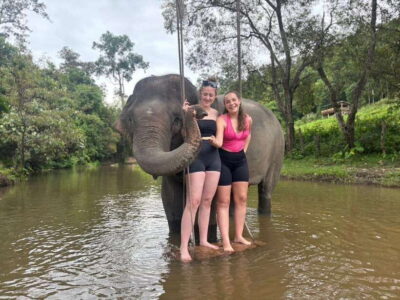
Chiang Mai: Elephant Sanctuary & Waterfall Group Tour
Read our review →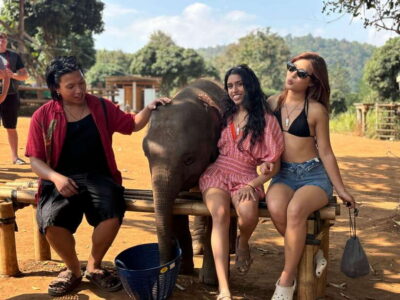
Chiang Mai: Elephant Sanctuary Feeding Program Half-Day Tour
Read our review →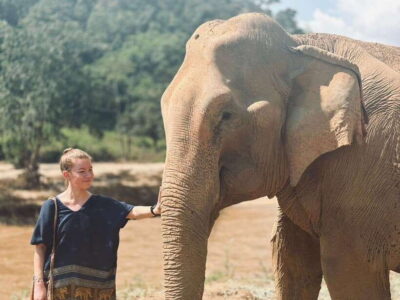
Chiang Mai: Elephant Sanctuary, Long Neck & Sticky Waterfall
Read our review →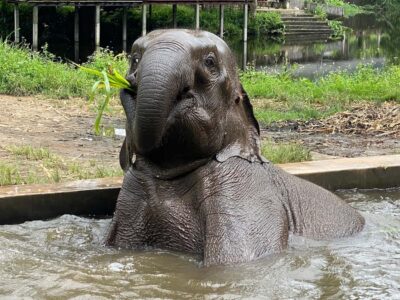
Chiang Mai: Small Group Ethical Elephant Sanctuary Tour
Read our review →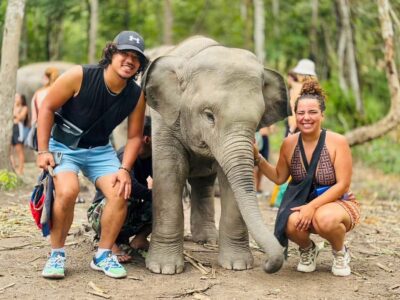
Chiang Mai: Doi Inthanon and Elephant Sanctuary Tour
Read our review →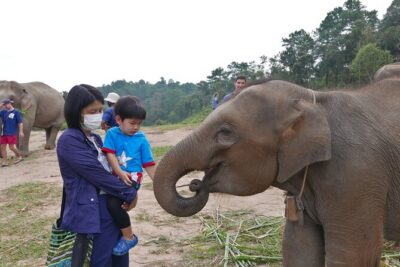
3-in-1: Doi Inthanon Tour, Elephant Sanctuary, and Trekking Trail
Read our review →
Chiang Mai Elephant Sanctuary, Bamboo Rafting and Waterfall Tour
Read our review →Browse the lists this tour appears in