
REVIEW · CHENGDU
Wolong Panda Base Volunteering Program from Chengdu
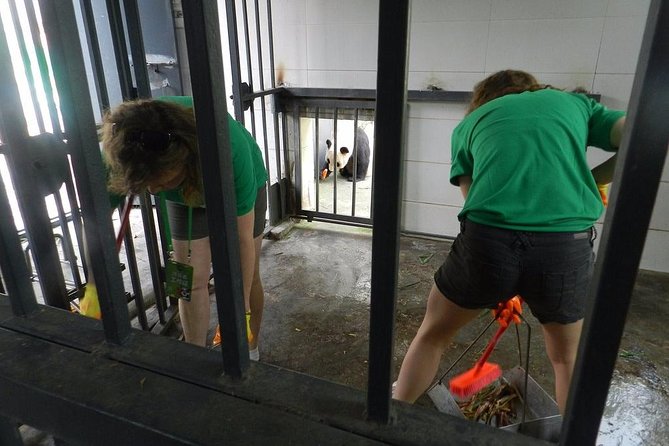
Wolong Panda Base puts you to work, not just behind a viewing rail. You’ll help clean panda enclosures and prepare the huge piles of bamboo these animals require, then tour the base and watch a film about panda life. The hands-on work is the most memorable part.
I like the private hotel transfer, which removes a long day of transport guesswork, and the small daily volunteer limit of 20 people, which keeps the program from feeling like a mass attraction. Lunch, water, insurance, and a certificate are also included.
The main catch is the early start and strict cancellation rule. You’ll need to leave around 6:30 or 7:00 in the morning, and the program may change with panda health or weather. Children under 12 can attend only under special arrangements, so confirm that before paying.
Key points to know before booking
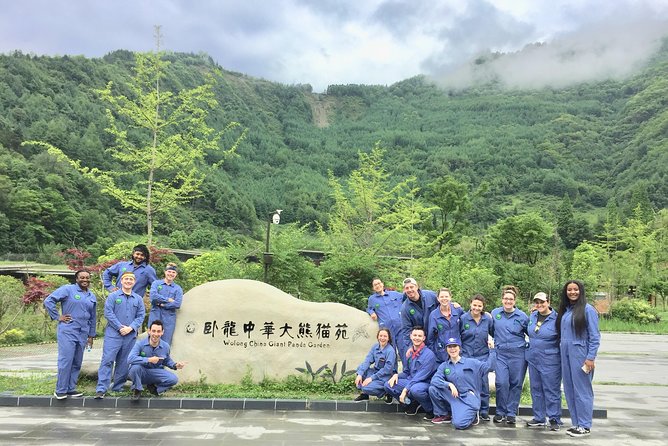
- Clean enclosures and prepare bamboo: Your work shows the less glamorous side of panda care, including the large amount of food and waste involved.
- Private pickup from Chengdu: Hotel pickup and drop-off within Chengdu’s 3rd ring road are included in a private car or van.
- Panda keeper program: The scheduled volunteer session is designed for participants aged 12 to 65, with limited daily places.
- Extra payment for close panda contact: Feeding a panda up close or holding one is not part of the basic price and requires direct payment to the base.
- Lunch and a bilingual guide included: You have an English-speaking guide for translation throughout the day, plus lunch and bottled water.
- Wear practical clothes: Sneakers are required, while perfume, nail polish, slippers, and exaggerated jewelry are not allowed.
Why Wolong feels different from a regular panda visit
Many panda visits are simple viewing outings. You walk along paved paths, look into enclosures, take pictures, and move on. Wolong adds a work session, so you see how much effort goes into caring for an animal that eats bamboo three times a day.
The detail that sticks with me is the bamboo waste. Pandas usually eat only about 30 percent of what they are given. The remaining bamboo must be cleared away, and fresh food must be prepared again. Cleaning enclosures and sorting food may not sound glamorous, but it gives you a more honest picture of panda care than a quick photo stop does.
Wolong National Nature Reserve is one of China’s oldest and best-known panda reserves. Its setting outside Chengdu makes it a full-day outing rather than a quick city attraction. The reward is a closer look at the routines behind panda conservation. The tradeoff is the road time and the early departure.
This program is private for your group, but the panda keeper activity itself has a daily limit of 20 volunteers. That limit matters. It helps keep the work manageable and gives the base a way to control contact around the animals.
More Panda Bases in Chengdu:
- Visiting Dujiangyan Yaan Wolong Panda Base Optional Volunteering
★ 5.0 · 105 reviews - Wolong Panda Base Private Day Tour Optional Volunteering
★ 5.0 · 46 reviews - One Day Trip to Chengdu Panda Base and Leshan Buddha Tour
★ 4.5 · 42 reviews
The early Chengdu pickup and drive to Wolong
The day begins with hotel pickup within Chengdu’s 3rd ring road. The stated meeting time is 6:30 a.m., while the schedule lists a 7:00 a.m. pickup, so confirm your exact collection time after booking. Either way, this is an early morning, and you should have breakfast before leaving if you need more than the included lunch.
A private car or van is included, along with an English-speaking guide. That arrangement is useful because the volunteer program includes instructions and practical tasks. Your guide can translate while you check in, learn the work routine, and move through the day’s activities.
The trip is not built for a late start. The base is outside Chengdu, and the listed program runs for roughly nine to ten hours, including transport and time at Wolong. Keep the day free rather than trying to fit another major Chengdu sight into the same schedule.
Pickup is offered from hotels within the 3rd ring road. If you are staying outside that area, ask about the meeting point before booking. Do not assume that every Chengdu address receives door-to-door service.
8:30 a.m. bamboo, cleaning, and the real work
The scheduled volunteer work begins at about 8:30 a.m. You help clean panda enclosures and prepare food. This is the part that gives the outing its value. You are not simply watching a keeper perform a routine. You are taking part in basic tasks that support the animals’ daily care.
The bamboo preparation also explains why panda care takes so much labor. Fresh bamboo is supplied three times each day, and much of it goes uneaten. The work is repetitive by design, but it connects the cute panda image with the practical demands of feeding and cleaning large animals.
Expect this portion to be more hands-on than polished. You may spend time working rather than taking photographs. Wear sneakers and clothing you can move in. The base specifically asks you not to wear slippers, perfume, nail polish, or exaggerated ornaments on the volunteering day. These rules protect the pandas and make it easier to work safely around the enclosures.
The program’s age guidance needs careful reading. The official volunteering age range is 12 to 65. Children under 12 may still attend if they are chaperoned accordingly, but the child volunteering fee is not included. Ask the operator to confirm exactly what a younger child may do before you commit.
10:00 a.m. walking the paved base
After the work session, you have a break from about 10:00 to 11:00 a.m. You can walk around the base on well-paved paths while your guide explains stories connected with the pandas.
This hour gives you time to slow down. The morning work may leave you focused on tasks, while the walk lets you take in the setting and observe the base at a gentler pace. It also provides a useful chance to ask questions through your bilingual guide.
Do not expect every minute to be filled with animal contact. The point of the day is panda care, and much of that care involves preparation, cleaning, observation, and waiting. If you want a fast sequence of close-up encounters, a keeper program may feel slower than expected.
That slower rhythm is also part of its appeal. You see that conservation work is built on routine, not constant excitement. The paved paths make the walking portion manageable, but you should still plan for a long day on your feet.
A few more animal parks around Chengdu worth a look
- Private Dujiangyan Panda Base Panda Rescue Center Volunteer for a Day
★ 4.5 · 41 reviews - All Inclusive Private Trip to Chengdu Giant Panda Base and Leshan Giant Buddha
★ 5.0 · 36 reviews - Dujiangyan Panda Base and Mount Qingcheng
★ 5.0 · 30 reviews - Chengdu: Private Panda Base Tour with 80 Pandas
★ 4.1 · 22 reviews
Lunch and the midday break
Lunch is scheduled from 11:30 a.m. to 1:00 p.m. and is included in the tour price. Bottled water is included too, so you do not need to arrange the day’s main meal yourself.
The long lunch period works as a proper rest after the early start and morning work. You should use it to recharge rather than treating it as wasted time. The program runs through the afternoon, and the drive back to Chengdu still follows.
Dietary requirements should be provided when you book. The available information does not specify a menu, so anyone with food restrictions should not wait until the morning of the tour to raise the issue.
Including lunch adds real value to a $220 day, especially when paired with private transport and a guide. The price is not just paying for admission. It covers the volunteer program fee, the vehicle, pickup and drop-off, guide service, lunch, water, and travel insurance.
The panda film from 1:00 to 2:00 p.m.
After lunch, you watch a panda film lasting about 40 minutes. The subject includes mating, birth, and the growth of young pandas, with attention to the shy behavior that makes reproduction difficult to observe directly.
This is a quieter part of the schedule, but it adds context to the work you did earlier. Cleaning an enclosure and preparing bamboo show daily care. The film explains the larger life cycle that conservation programs are trying to support.
If you expect the entire day to involve physical activity or panda viewing, this indoor screening may feel like a pause. I see it as useful background, especially for children and first-time visitors who want more than photographs. The guide can also help explain material that is not presented in English.
The published schedule ends its detailed description partway through the afternoon, so the exact sequence after the film may depend on the base’s operating plan. Program changes are possible if panda health requires them. That flexibility is sensible around animals, but it means you should not book this expecting every minute to follow a fixed script.
Close panda contact and the extra RMB 1,800
A close encounter may be available, but it is not included in the $220 price. If you want pictures with the pandas, you must request this in the booking details and pay RMB 1,800 directly to Wolong Panda Base on the day.
A past program description also highlights feeding a panda up close and holding a panda as possible memorable activities. Treat these as optional extras, not guaranteed parts of the standard volunteer session. Availability can depend on the base and the health of the animals.
That separate fee is substantial. Before booking, decide if the basic work program is enough for you. If your main goal is the photo, ask the operator to confirm the current rules, price, and availability. Do not assume that paying for the tour automatically includes holding or feeding a panda.
The health rules reinforce the need for restraint. No perfume, nail polish, slippers, or oversized jewelry is allowed. These are not fashion preferences. They are part of reducing risks around the pandas and keeping the contact session controlled.
What the $220 price really covers
At $220, this is not the cheapest way to see pandas. A basic admission visit may cost less, but it will not provide the same combination of private transport, scheduled volunteer work, translation, lunch, and insurance.
The value depends on what you want from the day. I think the price makes more sense if you want an organized trip from Chengdu and care about learning the work behind panda care. It is less appealing if you only want to see pandas for an hour or two or if you dislike early starts and long day trips.
A private tour also gives you control over your own group rather than placing you with a large mixed party. The program’s volunteer limit of 20 people is another positive point, although the day is not necessarily a private panda session. Your transport and tour arrangement are private, while the base’s volunteer activities follow its own rules.
Travel insurance is included, and passport name and number are required for every participant at booking. That information is used for the insurance arrangement. Bring the same identification details you provide when booking.
Who should book this Wolong program
I would choose this outing for someone who wants a structured, hands-on day and is willing to work for the close connection with the pandas. It suits families with older children, couples, and small private groups who prefer a guide and vehicle rather than arranging the trip themselves.
The program is especially good for you if:
- You want to understand the daily labor behind panda care.
- You prefer a private vehicle and hotel pickup.
- You appreciate translation support during a practical activity.
- You are comfortable with an early start and a full day outside Chengdu.
- You want lunch and the program fee handled in one booking.
- You are happy to follow strict animal-health rules.
It is a weaker match if you need a relaxed late morning, guaranteed panda holding, or a flexible cancellation option. The experience is non-refundable and cannot be changed for personal reasons. If bad weather causes cancellation, you are offered another date or a full refund, but ordinary changes of plan are not covered.
Practical preparation for the volunteer day
Wear sneakers and simple clothing suited to cleaning and food preparation. Avoid perfume, nail polish, slippers, and exaggerated jewelry. These rules are specifically tied to panda health, so take them seriously.
Have your hotel details ready and confirm that your address is within Chengdu’s 3rd ring road. Also confirm whether your pickup is at 6:30 or 7:00 a.m., since both times appear in the schedule.
Tell the operator about dietary needs when you book. Reserve early because the Panda Keeper Program allows only 20 volunteers each day. The booking requires each participant’s passport name and number for travel insurance.
The operator confirms the booking at the time of reservation, and a mobile ticket is available. Keep in mind that the program can be modified based on panda health. That may change the order or type of activities, but it is the right priority for the animals.
Should you book the Wolong volunteer program?
Book it if you want more than a standard panda viewing stop. The strongest parts are the enclosure cleaning, bamboo preparation, private Chengdu transport, bilingual support, included lunch, and the chance to receive a volunteer certificate.
Before you pay, make three checks: confirm your pickup time, ask about arrangements for anyone under 12, and decide if the optional RMB 1,800 panda photo or contact fee fits your budget. If you accept the early start, strict cancellation terms, and possible program changes, this is a meaningful way to spend a full day learning how panda care really works.
FAQ
Where does the Wolong Panda Base volunteering program take place?
The program takes place at Wolong Giant Panda Nature Reserve in Sichuan Province, outside Chengdu.
How long does the experience last?
The scheduled experience lasts approximately nine to ten hours, including transport and activities at the panda base.
What time does pickup begin?
The stated meeting time is 6:30 a.m., while the day schedule lists a 7:00 a.m. hotel pickup. Confirm the exact pickup time after booking.
Is hotel pickup included?
Yes. Private hotel pickup and drop-off are included for hotels within Chengdu’s 3rd ring road.
Is lunch included?
Yes. Lunch and bottled water are included in the tour price.
What activities are part of the volunteer program?
The scheduled activities include cleaning panda enclosures, preparing bamboo, touring the base, taking a break, having lunch, and watching a panda film.
What is the age range for volunteering?
The stated age range for the volunteering program is 12 to 65. Children under 12 may attend if they are chaperoned accordingly, but their volunteering fee is not included.
Can I hold or feed a panda?
Close panda contact may be available, but it is not included in the standard price. The base charges RMB 1,800 directly for panda photographs, and you should request this in the booking details.
What should I wear?
Wear sneakers. Do not wear perfume, nail polish, slippers, or exaggerated ornaments on the volunteering day.
Can the program change?
Yes. The program may be modified based on the health of the pandas. Poor weather may also cause cancellation, in which case you are offered another date or a full refund.
Just added around Chengdu
- Visiting Chengdu Panda Base in a Half Day★ 5.0 · 4 reviews
- 2-Day Tour of Chengdu Panda Base and Leshan Giant Buddha★ 5.0 · 2 reviews
- Dujiangyan Irrigation System and Panda Base Day tour★ 5.0 · 2 reviews
- Private Day Tour: Dujiangyan Panda Base Volunteering from Chengdu★ 4.0 · 5 reviews
- Sanxingdui Museum+Chengdu Panda Base or Jinsha Site Tour★ 5.0 · 10 reviews
- Chengdu: Volunteer Day Experience at Dujiangyan Panda base★ 5.0 · 3 reviews
- All Inclusive Private Trip to Chengdu Giant Panda Base and Leshan Giant Buddha★ 5.0 · 36 reviews
- One Day Trip to Chengdu Panda Base and Leshan Buddha Tour★ 4.0 · 9 reviews
Chengdu Zoos, compared.
Visiting Dujiangyan Yaan Wolong Panda Base Optional Volunteering
Read our review →
Wolong Panda Base Private Day Tour Optional Volunteering
Read our review →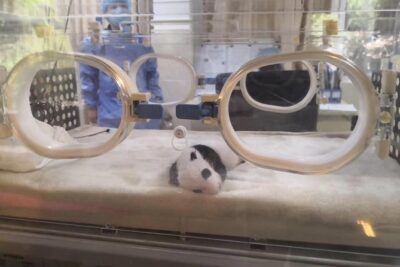
One Day Trip to Chengdu Panda Base and Leshan Buddha Tour
Read our review →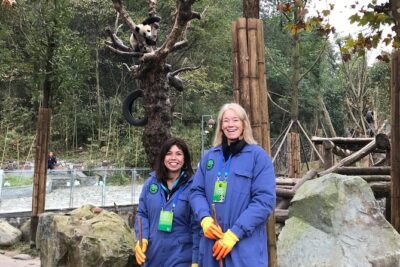
Private Dujiangyan Panda Base Panda Rescue Center Volunteer for a Day
Read our review →
All Inclusive Private Trip to Chengdu Giant Panda Base and Leshan Giant Buddha
Read our review →


Leshan Buddha + Panda Base or Old Tea House Private Day Tour
Read our review →Browse the lists this tour appears in