
REVIEW · SYDNEY
WILD LIFE Sydney Zoo
WILD LIFE Sydney Zoo puts Australia’s best-known native animals under one roof in Darling Harbour. You can move from the Daintree Rainforest to Kakadu Gorge, then watch kangaroos, wombats, echidnas, and yellow-footed rock-wallabies without leaving central Sydney. I like the compact layout and the chance to see animals that are hard to spot in the wild.
I also like the close views of koalas and marsupials, plus the keeper talks that give the exhibits some life. The main drawback is size: this is a small city zoo, not a full-day outdoor park, and the narrow spaces can feel crowded at busy times.
Key points to know before you go
- Nine Australian habitat zones: Walk through recreated settings linked to the Daintree, Kakadu, floodplains, grasslands, gorges, and estuary flats.
- Over 100 Australian species: Expect koalas, kangaroos, wombats, echidnas, wallabies, snakes, butterflies, turtles, and crocodiles.
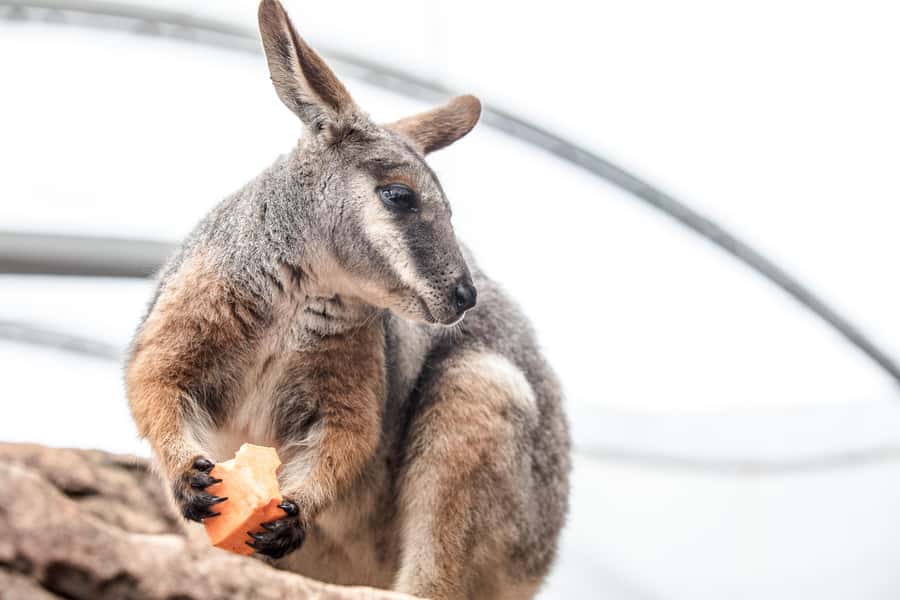
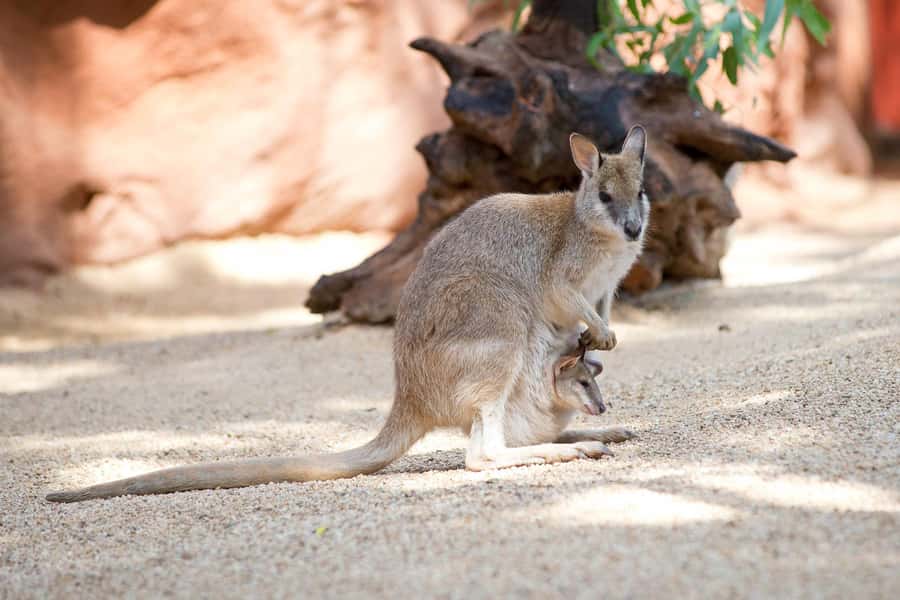
- The rock-wallabies are a highlight: Yellow-footed rock-wallabies move across jagged rock displays with impressive speed and agility.
- Koala photos cost extra: You can pay for a koala photo, but the photo experience does not include touching the animal.
- A good stop in hot weather: The indoor setting gives you a convenient wildlife break in the middle of Sydney.
- Allow a few hours: The ticket is valid for one day, but the compact zoo is best treated as a short city attraction rather than an all-day outing.
A compact Australian wildlife tour in Darling Harbour
WILD LIFE Sydney Zoo is designed for one clear purpose: to show you Australian animals in a city-center setting. At Aquarium Wharf in Darling Harbour, you can fit it around the harbor, the aquarium, shopping, or a meal without spending half a day getting across Sydney.
The setting matters. Australia’s native animals can be difficult to find on a normal city visit, especially if your schedule does not include a national park or a wildlife tour outside Sydney. Here, you have a reliable chance to see the classic Aussie lineup in one visit.
The experience covers nine themed habitat zones and more than 100 species. The route aims to take you through different parts of Australia rather than placing every animal in a simple row of cages. You will see rainforest, rocky country, gorges, grassland, floodplains, and estuary areas recreated indoors.
That variety gives the visit a useful rhythm. You move from foliage and butterflies to rocky wallaby habitat, then on to larger reptiles and wetland animals. It is not the same as seeing wildlife in open country, but it gives you a quick introduction to the range of environments across Australia.
A few more animal parks around Sydney worth a look
- Sydney: Taronga Zoo Ticket with Return Ferry
★ 4.5 · 1,142 reviews - Sydney Taronga Zoo General Entry Ticket
★ 4.0 · 941 reviews - Taronga Zoo Entry & Return Ferry – Sydney Harbour
★ 4.5 · 722 reviews
From Daintree Rainforest to Kakadu Gorge
The recreated Daintree Rainforest section brings you into a leafy setting where butterflies and snakes may be hidden among the foliage. The atmosphere is more about close observation than sweeping views. Slow down here and look carefully rather than walking straight through.
The rainforest area also helps explain why Australian wildlife is so varied. Tropical habitat supports animals very different from those found in dry inland country or rocky mountain regions. The displays let you make those connections without needing specialist knowledge.
Kakadu Gorge offers a change of mood. The route includes views down into gorges, along with grassland and floodplain settings tied to the Northern Territory’s Top End. Turtles and crocodiles move through water displays, giving you a close look at animals that are often difficult to watch safely in the wild.
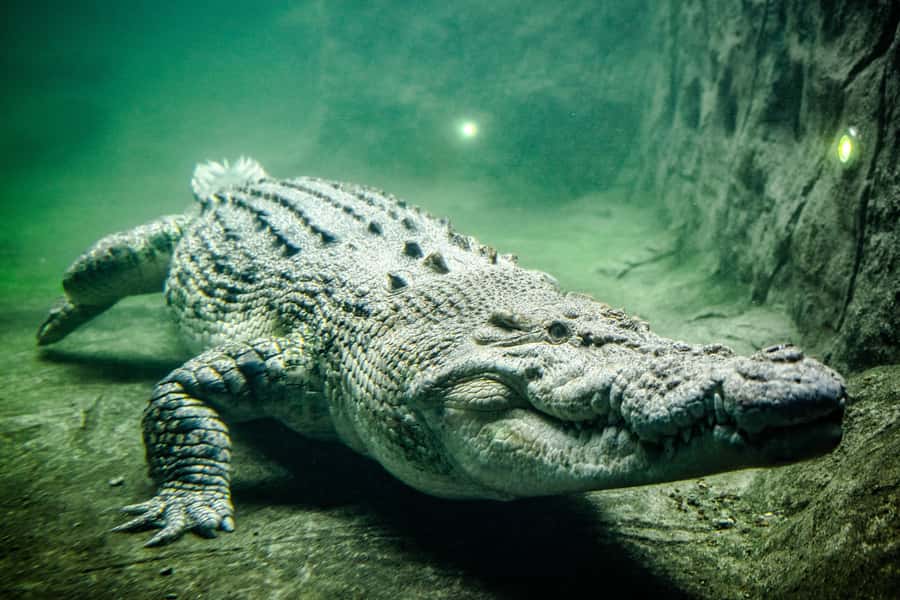
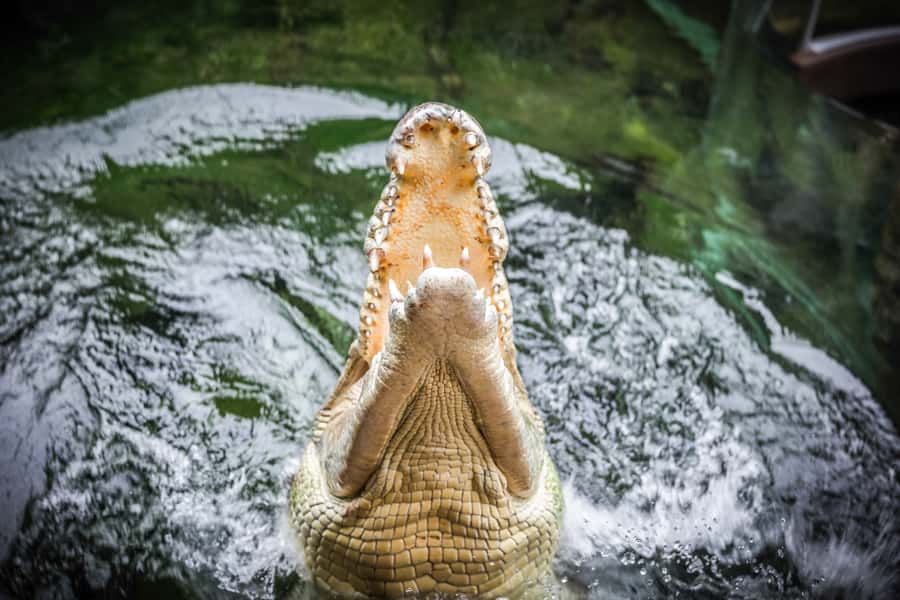
Rex the crocodile is one of the memorable stops. A crocodile display works well in a city zoo because it gives you a clear view of the animal’s size and stillness. You can take your time here and watch for movement rather than expecting constant action.
The estuary flats round out the water-based sections. Together, the gorge, floodplain, and estuary displays show how much Australia changes from one region to another. The exhibits are compact, but the subject is broad.
Wallaby Cliffs and the animals worth waiting for
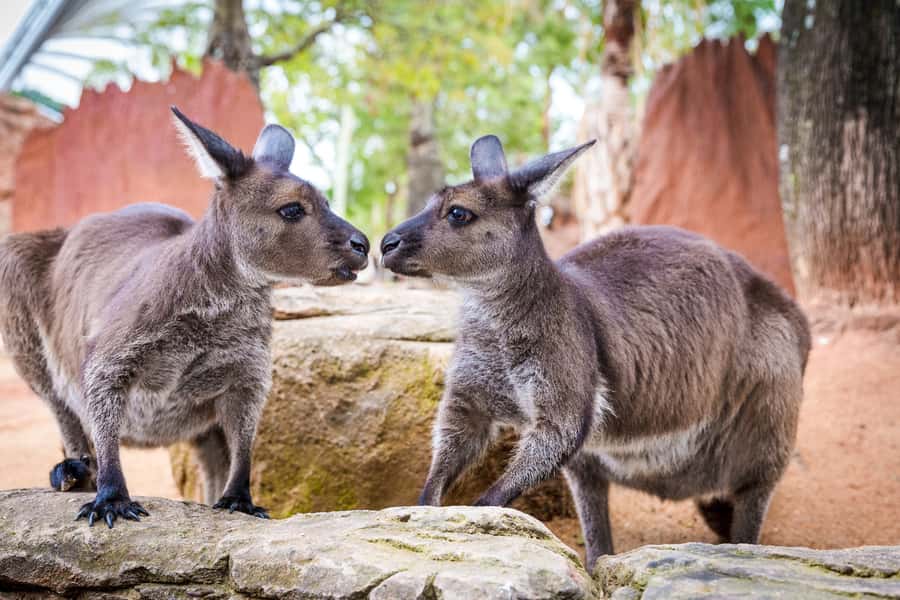
The yellow-footed rock-wallabies are among the strongest reasons to visit. Their jagged rock habitat gives them room to climb and leap, and they can be surprisingly quick. I would make this one of your unhurried stops, especially if you enjoy watching animal movement rather than simply checking off species.
The wallabies are also a good example of why habitat design matters. Seeing them on rocky surfaces makes their powerful legs and balance easier to understand. The display gives you a better sense of how well suited these animals are to rough terrain.
Kangaroos are another major draw. The walk-through habitat offers a closer view than a standard enclosure, although you should still follow the zoo’s instructions and give the animals space. Their calm presence makes this a natural favorite for children and for anyone seeing a kangaroo up close for the first time.
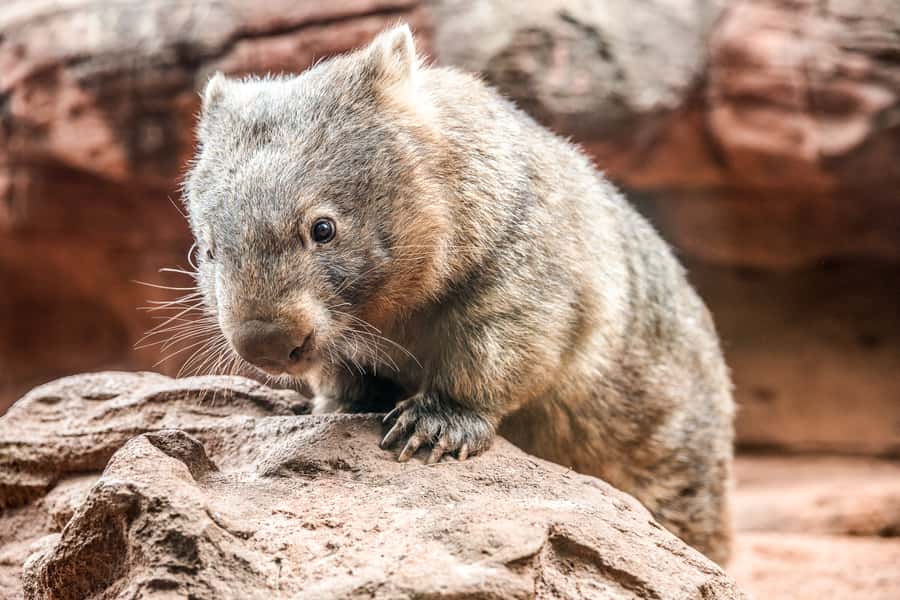
The wombats have a different appeal. Their stocky shape and habit of sheltering in deep burrows make them easy to underestimate. You might find yourself spending more time here than expected, especially when one is out munching grass.
Echidnas are another strong reason to choose this zoo over a general city attraction. They are unusual, unmistakably Australian, and not animals you can count on seeing during a casual trip around Sydney. The zoo brings several less familiar native species into the same visit as the better-known koalas and kangaroos.
Pademelons may also appear among the smaller marsupials. They are easy to overlook, so look closely at ground level and around sheltered areas. The value of this section is not just the famous animals. It is the chance to see native species you might otherwise miss entirely.
Koalas, close views, and the extra photo cost
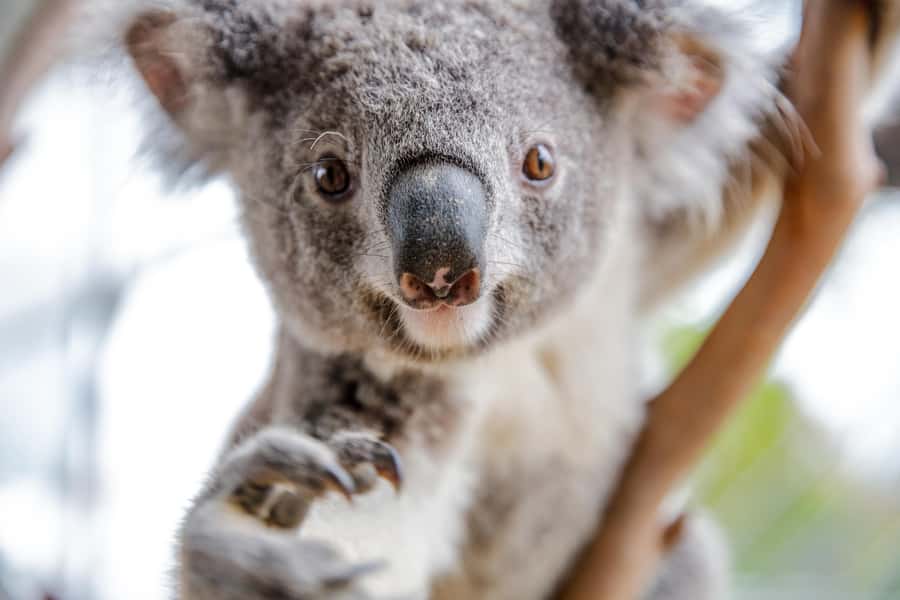
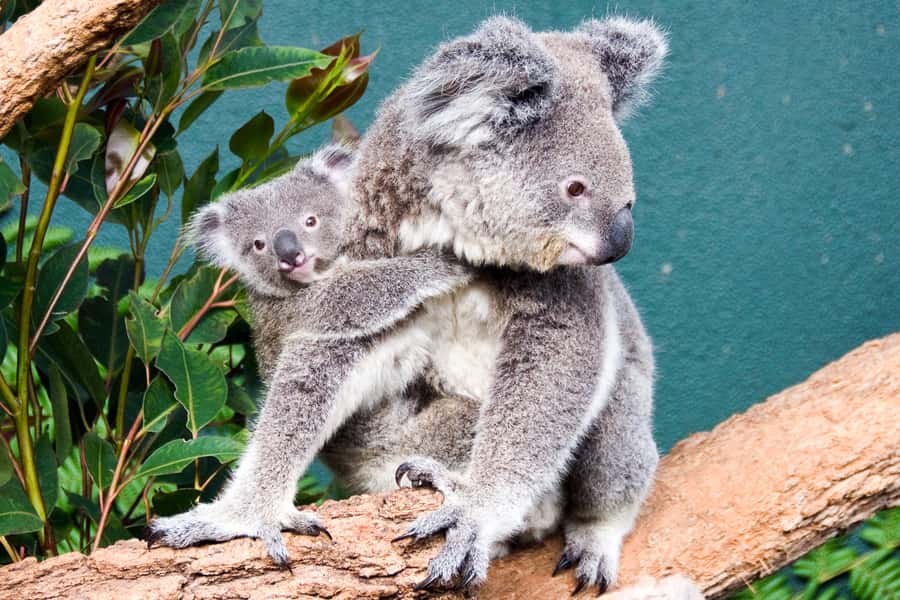
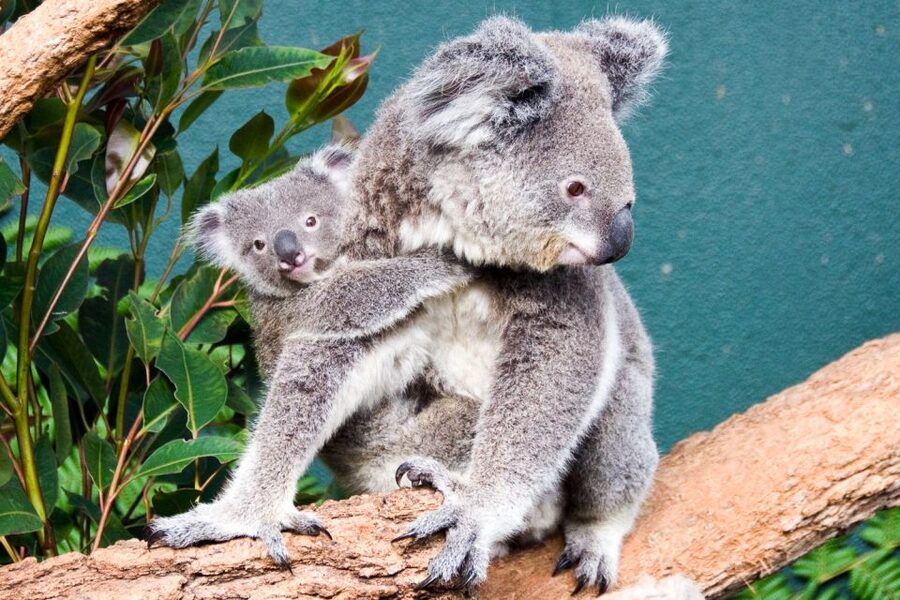
Koalas are the headline attraction for many people, and the zoo gives you close views of them in their habitat. You can watch them resting, including the classic sleepy behavior that makes koalas so appealing. The viewing area also gives you a better look at their faces and fur than a distant outdoor sighting might.
You can pay extra for a koala photograph. The photo option does not allow touching the koala, so you should choose it for the picture and the close encounter, not for a hands-on animal experience.
That extra cost is worth considering before you arrive. The standard admission already includes entry and close encounters with koalas and other marsupials, so you can see the animals without adding the photo package. If the photograph matters to you, budget for it. If not, the ordinary viewing areas still provide a strong experience.
The zoo has also provided opportunities to see young joeys and koalas during feeding times. Availability can change, so treat these moments as a possible bonus rather than something to build your whole visit around.
The koala section can become a stopping point for families, photographers, and anyone with limited time. If it is crowded, move on and return later. The zoo is compact enough that you can set your own pace rather than follow a fixed guided group.
Same place, a different set of animals:
- Sydney Taronga Zoo Wild Australia Experience
★ 4.5 · 492 reviews - Breakfast with Koalas at WILD LIFE Zoo Darling Harbour
★ 4.6 · 320 reviews - Sydney Attractions Pass: SEA LIFE Aquarium, Sydney Tower Eye, WILD LIFE Zoo and Madame Tussauds
★ 4.5 · 273 reviews - Sydney Taronga Zoo’s Aussie Backyard Adventure Tour
★ 4.5 · 211 reviews
Keeper talks add meaning to the displays
Keeper talks are included in the experience and are one of the better ways to get more from a small zoo. You can hear useful facts, learn how the animals are cared for, and ask questions when the format allows.
The staff have been described as friendly, helpful, and well informed about the animals. That matters here because the exhibits are close together. A short explanation can turn a quick look at a wombat, snake, or wallaby into a better understanding of how that species lives.
The talks are entertaining as well as informative. Still, this is not a guided tour, and you should not expect one person to lead you through the entire zoo. You explore independently, then join a keeper talk when the timing suits.
If you have limited time, check the daily talk schedule when you arrive. A talk can help you decide which sections deserve another look. It is also useful for children, who may remember a keeper’s explanation more easily than a display panel.
Snakes, butterflies, turtles, and crocodiles
The reptile and insect areas add variety, though they will not suit everyone equally. Butterflies bring color and movement to the foliage, while snakes offer a closer look at animals many people would rather admire from a safe distance.
If snakes make you uneasy, you can move through this section quickly. They are part of the Australian wildlife story, but you do not need to linger. The exhibits are included in admission, so the choice is yours.
Turtles and crocodiles provide a change from the land animals. Water displays can be calmer and slower, which makes them good places to pause. Rex the crocodile is the obvious centerpiece, but the wider wetland setting helps explain where reptiles fit into Australian waterways.
These sections are especially useful if your Sydney plans do not include a trip to the Northern Territory or tropical Queensland. You will not be seeing the animals in their natural surroundings, but you will get a compact introduction to the types of habitats and species found there.
How much time should you allow?
The ticket is valid for one day, but most people will find that a few hours is enough. The compact size is a benefit if you have limited time, a young child, or a hot afternoon to fill. You can walk at your own pace and stop at the animals that interest you most.
The visit can work well as a two or three-hour plan within a larger Darling Harbour day. You might combine it with another attraction nearby, then use the zoo as an indoor break. It is also a sensible option when outdoor sightseeing feels uncomfortable in strong heat.
Do not book it expecting a sprawling open-air zoo with long paths and many large mammals. The small footprint means fewer walking demands, but it also means the route can feel crowded. At busy times, some viewing points may not offer much room to pause.
The posted opening hours are 10:00 AM to 4:00 PM, with last entry at 3:00 PM. Check the current schedule before you go, since operating hours can change. Arriving earlier gives you more freedom to take your time before the final entry period.
Is the $27 admission good value?
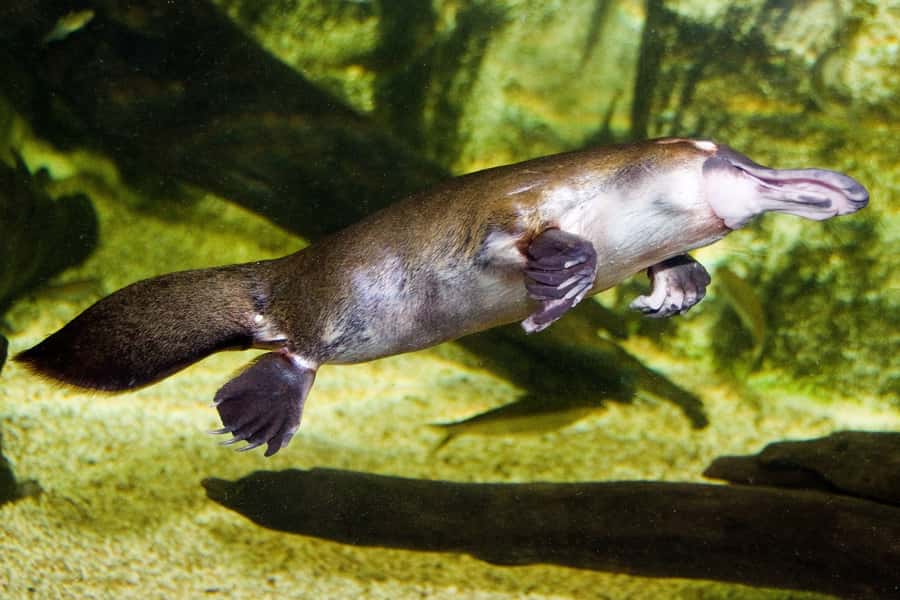
At $27 per person, the price is reasonable if you want a convenient introduction to native Australian wildlife in central Sydney. You are paying for location, a short indoor attraction, nine habitat zones, keeper talks, and access to more than 100 Australian species.
The value is strongest for first-time visitors who want koalas, kangaroos, wombats, echidnas, wallabies, snakes, and crocodiles without arranging transport outside the city. It also works well for families with young children, since the route is manageable and the animals are easy to reach.
The value is weaker if you want a full-day zoo visit or a broad collection of animals from around the world. This is a native Australian wildlife experience, not a general zoo with lions, tigers, bears, or a long list of international species.
Keep the extra koala photo fee in mind. Admission includes the zoo and animal viewing, but the photograph is separate. The small cafe and seating area near the koalas can be useful, though the cafe is described as tiny, so do not rely on it for a major meal.
The flexible cancellation policy also helps if your Sydney schedule is uncertain. You can cancel up to 24 hours ahead for a full refund, and the reserve-now, pay-later option lets you hold a place without paying immediately.
Access, meeting point, and who will enjoy it most
The zoo is wheelchair accessible. The meeting point can vary depending on the option booked, so check your confirmation rather than assuming every booking uses the same entry arrangement. English is the stated language for the host or greeter and the keeper information.
I would recommend this experience to:
- First-time Sydney visitors who want to meet native animals
- Families with young children
- Anyone needing an indoor activity during hot weather
- People with only a few hours free
- Wildlife lovers interested in Australian species rather than international zoo animals
- Visitors who want close koala and kangaroo views without leaving the city
I would be more cautious if you dislike enclosed spaces, want large open-air exhibits, or expect a full day of activity. The limited footprint is useful, but it is also the main compromise.
Should you book WILD LIFE Sydney Zoo?
Book it if your priority is seeing distinctly Australian animals in a convenient Sydney location. The koalas, kangaroos, rock-wallabies, wombats, and echidnas make the visit worthwhile, while the rainforest, gorge, floodplain, and estuary areas keep it from feeling like a single-animal attraction.
Plan on a few hours, not a full day. Add the koala photo only if the picture matters to you, and make time for at least one keeper talk. If you want a compact, family-friendly introduction to Australia’s native wildlife, the $27 admission is a sensible use of your Sydney sightseeing time.
FAQ
Where is WILD LIFE Sydney Zoo located?
It is located at Aquarium Wharf in Darling Harbour, in the heart of Sydney, New South Wales, Australia.
How much does admission cost?
The listed price is $27 per person.
How long is the experience?
The ticket is valid for one day, but the compact zoo is generally suited to a visit of a few hours.
What animals can I see?
You can see koalas, kangaroos, wombats, yellow-footed rock-wallabies, echidnas, snakes, butterflies, turtles, crocodiles, and other Australian animals. More than 100 species are represented.
Are koala photos included?
No. A photo with a koala is not included in standard admission and costs extra. The photo option does not include touching the koala.
Is there a guided tour?
No guided tour is included. You explore independently, with keeper talks available during the visit.
What are the opening hours?
The stated opening hours are 10:00 AM to 4:00 PM, with last entry at 3:00 PM. Check availability and current operating details before visiting.
Is the zoo wheelchair accessible?
Yes. WILD LIFE Sydney Zoo is wheelchair accessible.
Just added around Sydney
- Ultimate Blue Mountains Private Tour with Scenic World and Wildlife Park★ 5.0 · 10 reviews
- Sydney Zoo General Entry Admission Ticket★ 5.0 · 3 reviews
- Blue Mountains Small Group Tour with Lunch, Zoo and Scenic World★ 5.0 · 25 reviews
- Taronga Zoo & Whale Watching Cruise Combo – Sydney Harbour★ 4.5 · 15 reviews
- Sydney Private Tour Inc The Royal National Park and Symbio Zoo★ 5.0 · 9 reviews
- Featherdale Wildlife Park with Exclusive Private Transfers★ 4.5 · 32 reviews
- Blue Mountains Private Tours Sydney Zoo or Scenic world Options★ 5.0 · 7 reviews
- Sydney: PRIVATE Blue Mountains, Wildlife & Cruise Luxe Tour (10h)★ 5.0 · 16 reviews
Sydney Zoos, compared.
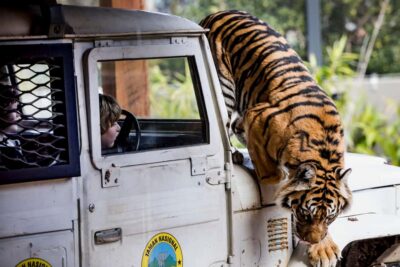
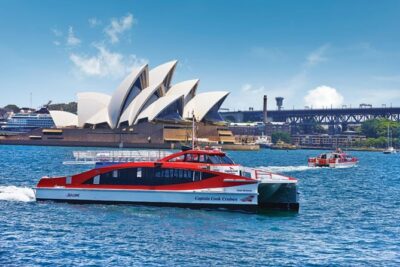
Taronga Zoo Entry & Return Ferry – Sydney Harbour
Read our review →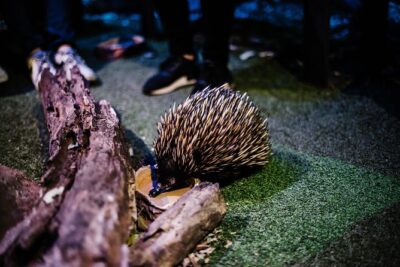

Breakfast with Koalas at WILD LIFE Zoo Darling Harbour
Read our review →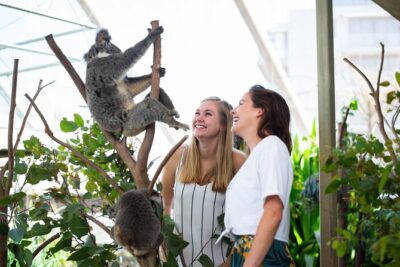
Sydney Attractions Pass: SEA LIFE Aquarium, Sydney Tower Eye, WILD LIFE Zoo and Madame Tussauds
Read our review →
Sydney Taronga Zoo’s Aussie Backyard Adventure Tour
Read our review →
Taronga Zoo Entry & Sydney Harbour 2-Day Hop On Hop Off Cruise
Read our review →Browse the lists this tour appears in