
REVIEW · INDONESIA
Tetebatu : Waterfall, Rice Fields & Monkey Forest Full day
Tetebatu gives you a very different side of Lombok: rice terraces, village paths, and Mount Rinjani views instead of beach clubs and surf breaks. The day mixes a gentle countryside walk with a waterfall swim, local food, and a search for black monkeys in the forest.
I like the personal scale of this trip. You get a private group, hotel transport, and a local guide who can explain rice growing, spices, coconut oil, and village life as you go. I also like the chance to meet residents who weave sarongs and work the fields. The main drawback is the long drive from some parts of Lombok, especially if traffic slows the two-hour transfer.
Key points at a glance
- Rice terraces and village paths: Walk through working paddy fields while local people go about their daily routines.
- A cool waterfall stop: Bring swimwear, a towel, and sandals if you want to swim in the quiet falls.
- Black monkeys in the forest: Your guide helps you look for them in the tropical forest of Mount Rinjani National Park.
- Local food and home visits: Eat an Indonesian lunch near the fields and temples, with coffee and local produce along the way.
- Private guiding: Guides such as Zainul, Hafis, and Imang have been praised for patient explanations and strong local knowledge.
- A long but useful day: The walking portion lasts about six hours, but you should allow extra time for the road journey from Central Lombok.
Why Tetebatu feels different from the coast
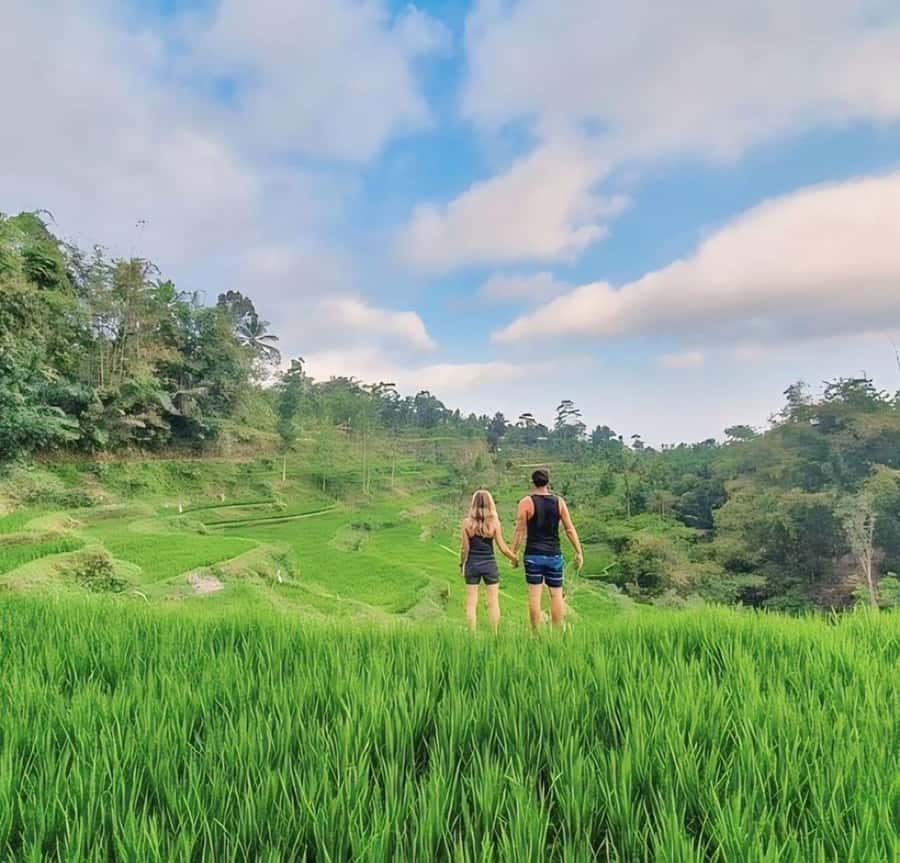
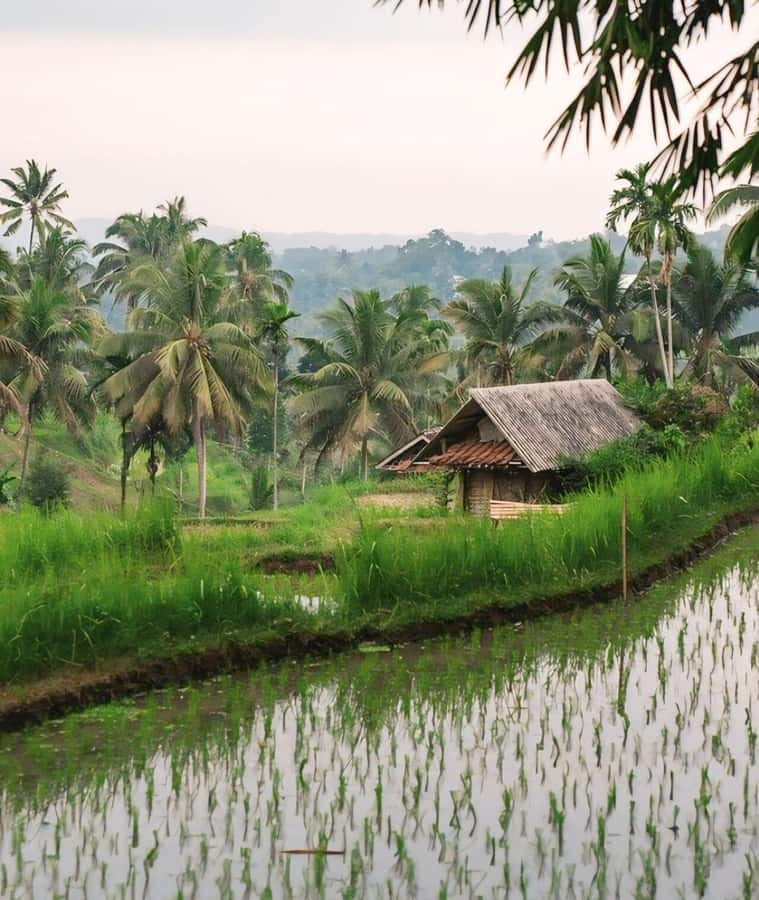
Tetebatu sits in the greener interior of Lombok, on the slopes and foothills around Mount Rinjani. The appeal is not one grand monument. It is the steady change in scenery as you walk: paddy fields, small homes, tropical plants, streams, forest, and distant mountain views.
I like this kind of outing because it gives you a look at how Lombok works. You are not simply driven to a photo stop, given ten minutes, and moved along. The route is built around walking and conversation. Your guide can point out vanilla, cinnamon, cloves, mangoes, passion fruit, pepper, and other plants that grow around the villages.
That detail matters. A rice terrace is pretty in a photograph, but it becomes more interesting when you understand how water reaches the fields, how the crop is grown, and how much work goes into the scene you are admiring. The walk also gives you a chance to see daily village life without needing a formal museum or staged show.
More Wildlife and Waterfall Day Trips in Indonesia
- Ubud: Waterfall, Rice Terraces & Monkey Forest Private Tour
★ 4.9 · 4,894 reviews - Ubud: Full-Day Rice Terrace, Monkey Forest & Waterfall
★ 5.0 · 2,634 reviews - Ubud: Monkey Forest, Water Temple, Rice Terrace, Waterfall
★ 5.0 · 538 reviews
The early pickup and road to Tetebatu
Pickup is scheduled from Central Lombok Regency at about 7:30 in the morning. The driver waits in your hotel lobby, and WhatsApp is used for pickup communication, so keep the number on your booking active. At an airport or harbor pickup, the driver carries a paper with the booking name.
The transfer is listed at roughly two hours, though the total road time can be much longer from hotels outside Central Lombok. One account from Sigar Penjalin described almost six hours in the car because of distance and traffic, leaving only two and a half to three hours for walking. That is an important planning point. This trip makes more sense from a nearby base than as a rushed outing from far across the island.
The driving is private, so you are not tied to a large coach schedule. Drivers such as Azi, Azizan, and Wan Wan have been singled out for being friendly and helpful. One driver even helped with ferry arrangements and stopped at a local sarong workshop after the main tour. That sort of flexibility can be useful, but do not assume every extra stop is part of the standard route. Ask at the start if you have a firm return time.
Walking the Tetebatu rice terraces
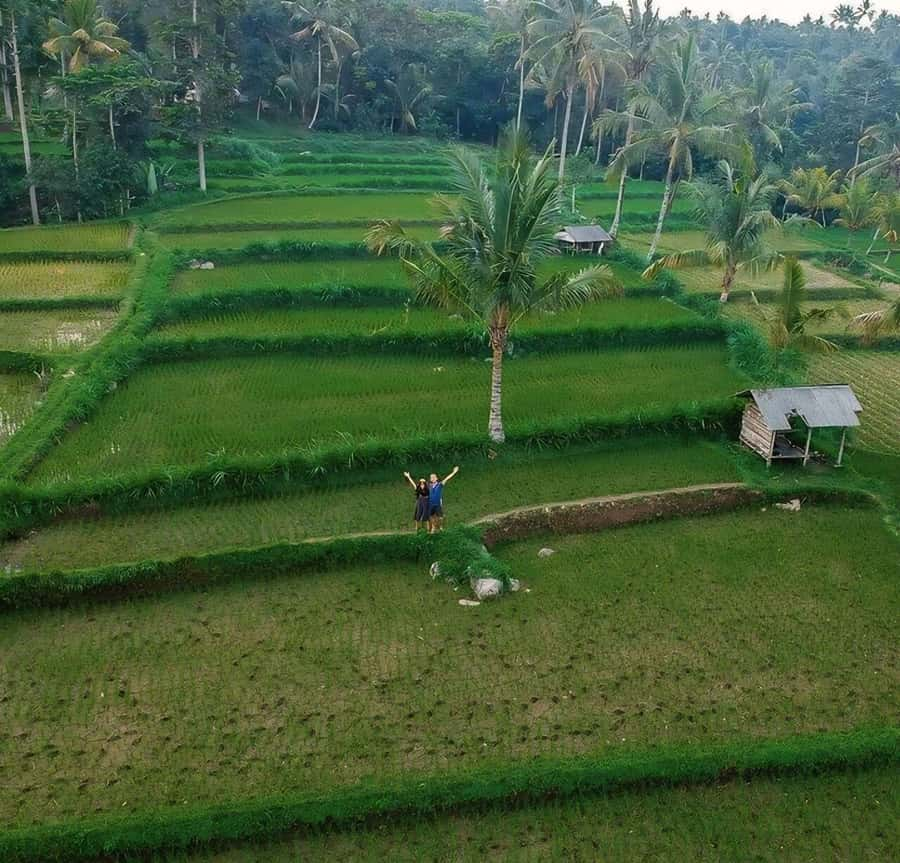
The walking route is the heart of the day. You move through rice terraces and small settlements, with Mount Rinjani providing the major mountain view when conditions allow. The paths take you close to working fields, so expect an active rural setting rather than a polished park.
The walk is not described as a technical hike, but it is still a walk through countryside. Paths may be uneven or damp, especially near water. Sandals are useful for the wet sections, but bring footwear that gives you a steady step. Wheelchair users cannot take part because of the route and terrain.
This is where a local guide makes a real difference. Imang, who grew up in the village, has been praised for knowing the area well. Hafis has also been noted for explaining plants and farming methods in clear English. Zainul has been credited with adjusting the pace and finding monkeys in the forest.
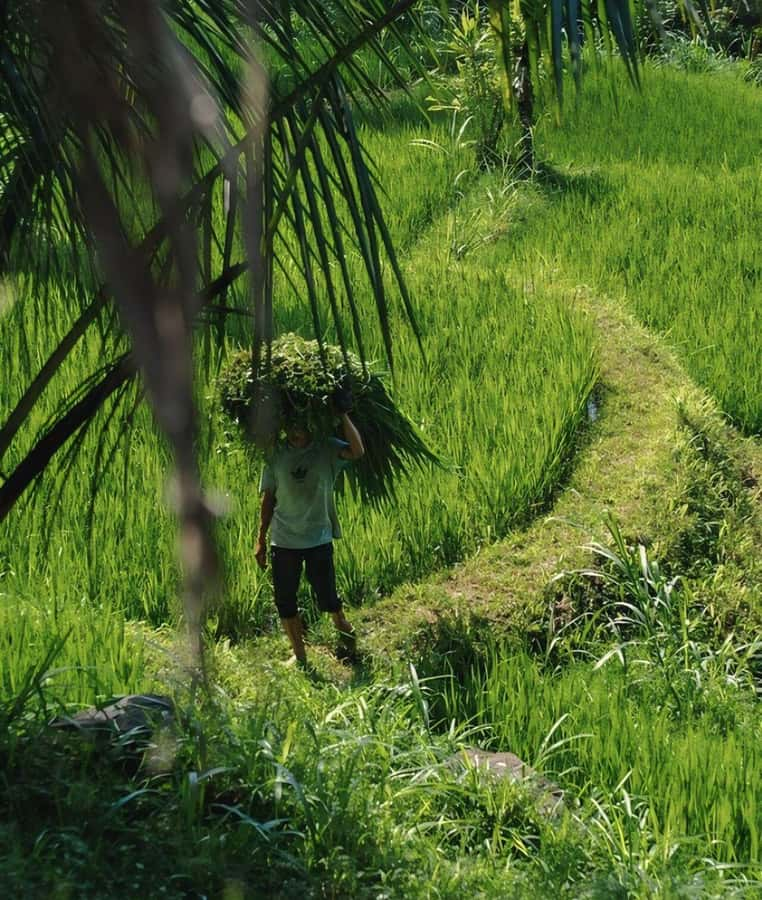
You will have time for photographs, but the better reason to slow down is to notice small details. Look for people tending the paddy fields, houses tucked beside the paths, and crops growing around the village. The experience works best if you treat the walk as a window into local life, not only as a series of scenic stops.
Village homes, coffee, spices, and coconut oil
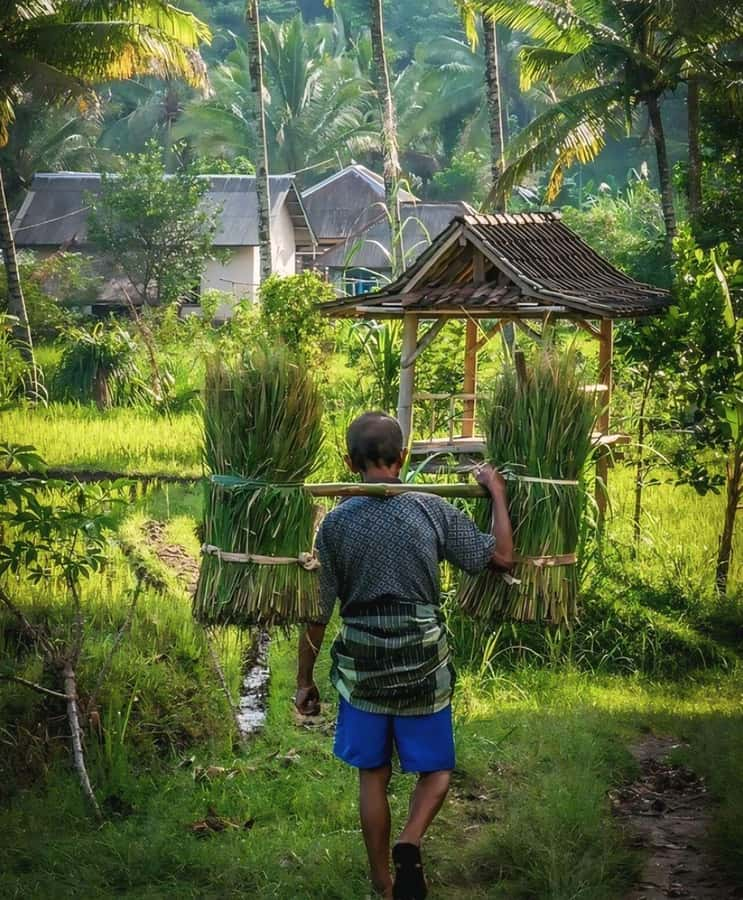
The tour includes visits connected with ordinary village production. You may see how coconut oil is made, taste authentic Lombok coffee, and learn about spices grown by local residents. The guide can explain the uses of plants such as vanilla, cinnamon, cloves, pepper, mango, and passion fruit.
A small stop in the rice fields may include tasting local products, with the option to buy some. This can be a good part of the day if you are interested in food and farming, but remember that purchases are personal expenses and are not included in the price.
There is also a chance to see women weaving traditional sarongs. One participant was able to try the weaving process, which adds a hands-on element to the cultural side of the trip. Again, the sarong workshop appears in some arrangements as an added stop rather than a guaranteed part of the core itinerary, so check with your driver if it matters to you.
I value these encounters because they connect the scenery to real work. You are not only looking at fields and plants. You are seeing how coffee, oil, spices, textiles, and food fit into village life.
More Monkey Forests in Indonesia:
- Ubud: Monkey Forest, Jungle Swing, Rice Terrace, and Water Temple
★ 5.0 · 7,160 reviews - Hands-On Silver Jewelry Making Near Ubud’s Monkey Forest
★ 4.9 · 1,789 reviews - Ubud: Monkey Forest, Ceking Rice Terraces and More– Full Day
★ 4.7 · 917 reviews - Ubud: Sacred Monkey Forest Sanctuary Ticket and Guided Tour
★ 4.8 · 675 reviews
The waterfall swim and river walk
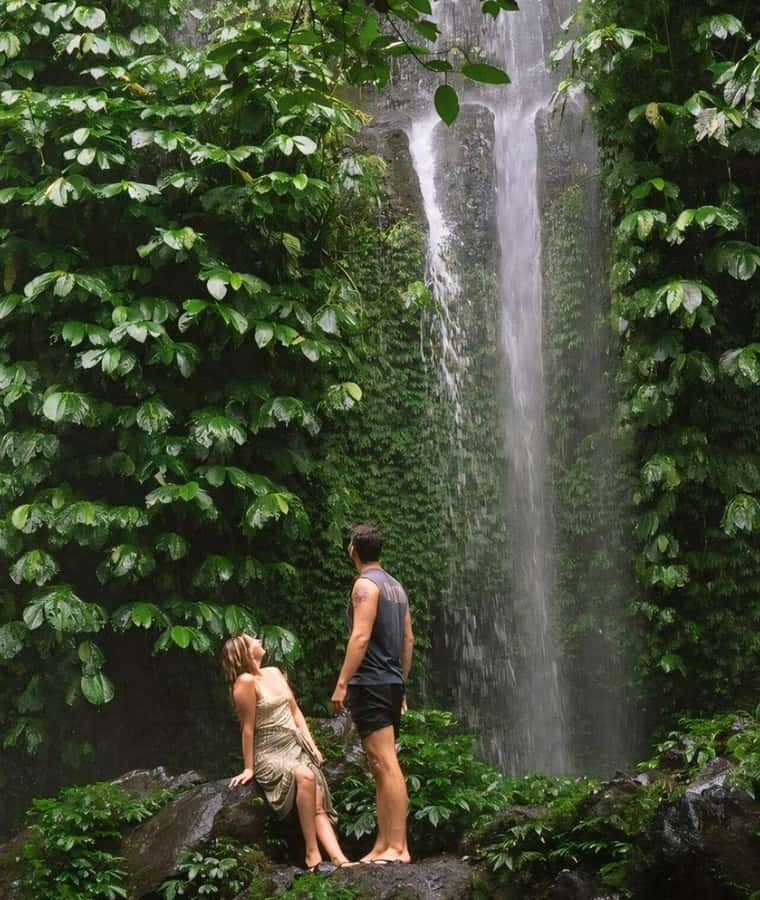
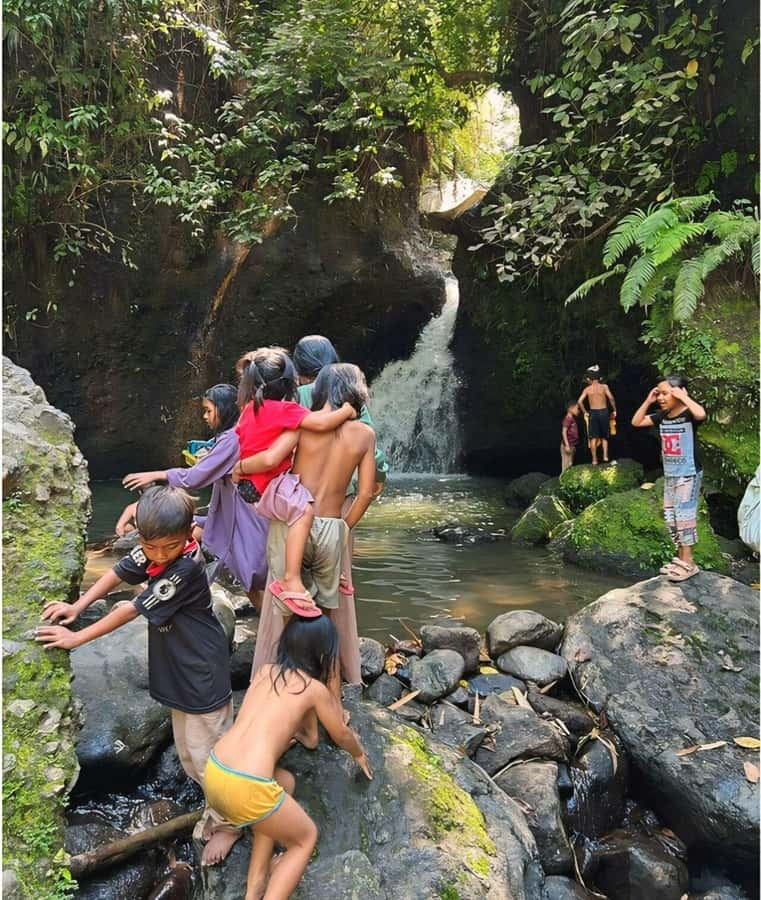
The waterfall is a welcome change after the rice-field walking. The setting is described as quiet and tucked away, with a river section that adds a little adventure. You can swim if conditions suit you, but the activity information does not give the name, depth, or water temperature of the falls.
Bring swimwear and a towel from the hotel. Sandals are also listed as useful, and they will help around wet paths and rocks. If you prefer not to swim, you can still enjoy the stop and the sound of the water, but the pool is one of the day’s main attractions.
Do not expect a large resort-style waterfall with changing rooms and a full visitor center. The word hidden is more useful here as a warning about practical comfort. Keep your belongings simple, protect electronics from splashes, and wear clothing that can handle a damp walk.
The waterfall is also one reason to avoid packing the schedule too tightly. A good private guide should allow time for a swim, photographs, and a pause before continuing into the forest.
Searching for black monkeys in the forest
The final major nature stop is the monkey forest in Mount Rinjani National Park. The aim is to see black monkeys moving through the tropical forest. Sightings are never something a responsible tour can guarantee, but the guide’s local familiarity improves your chances.
Zainul was specifically praised for finding the monkeys, while other guides were described as attentive and well informed about the area. That is valuable here because animals may not be sitting beside the path at a convenient photo point. You may need patience and careful observation.
Keep a respectful distance and do not feed or tease the monkeys. The forest is part of a wider natural setting, not an animal performance. The contrast with the cultivated rice terraces is one of the nicest features of the day: first you see food being grown by people, then you enter a more wooded environment where wildlife has room to move.
Lunch with a view of fields and temples
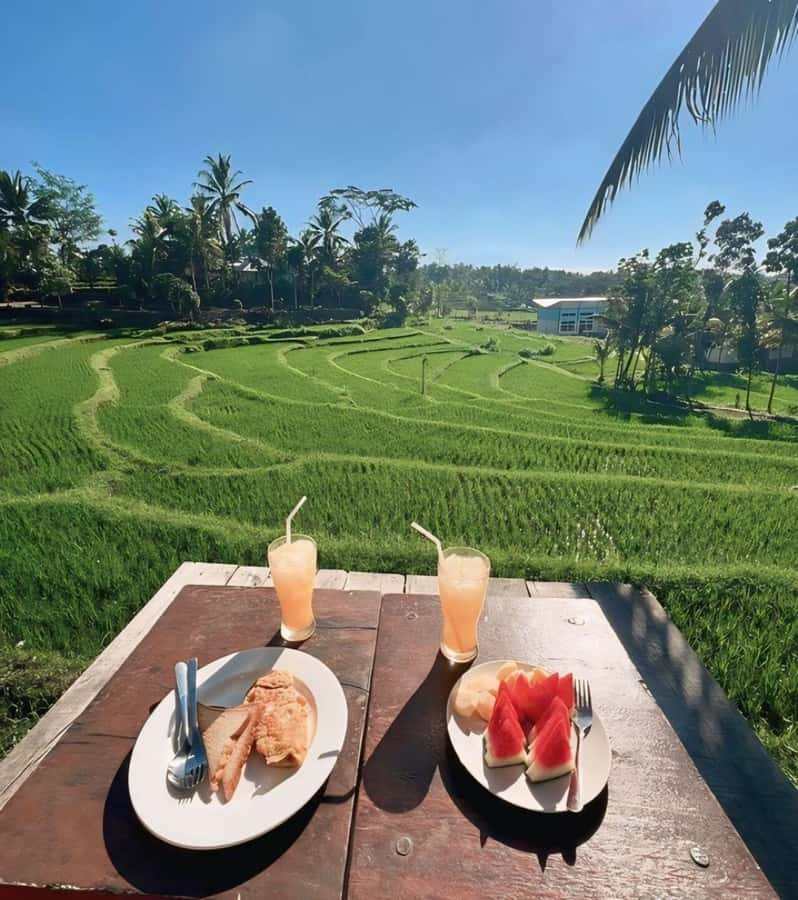
Lunch is an Indonesian meal at a local restaurant or a local home, with views toward fields and temples. The exact menu is not specified, so you should expect local Indonesian food rather than choose from a detailed Western-style menu.
I see this as a strong value point. Eating in a local setting gives the day a proper pause and lets you try food tied to the place you have just walked through. One account specifically described the food as delicious, while the wider experience places lunch in a setting overlooking the countryside.
If you have allergies or dietary restrictions, tell the provider before the day begins. The supplied information does not promise a particular menu or special dietary arrangements, so it is better to ask early rather than rely on improvisation at lunchtime.
Guides, drivers, and the private format
The tour is private, with a local English-speaking guide and a professional driver. That arrangement gives you more control than a large group excursion. You can ask questions about plants, farming, weaving, and village customs, and you are less likely to be held to another group’s walking pace.
The strongest guide names connected with the experience are Zainul, Hafis, and Imang. Zainul is associated with a relaxed pace and successful monkey spotting. Hafis has been praised for explaining the plants and scenery carefully. Imang’s advantage is local roots and a close knowledge of the village.
The drivers also matter because of the long transfer. Azi and Azizan have been described as helpful and friendly, while Wan Wan was praised for conversation and practical assistance. There is one note that a driver drove somewhat briskly, so if you prefer a slower style, say so politely at the beginning.
The language listed for the activity is English. The quality of communication can still vary by individual guide, but the named guides have been described as speaking clearly and taking time with explanations.
Is $86 a good value?
At $86 per person, this is not the cheapest way to see a waterfall or rice field. The price makes more sense when you count the private vehicle, hotel pickup and return, driver, local guide, entrance tickets, insurance, lunch, and the full-day structure.
You are also paying for access to several parts of Tetebatu in one outing: countryside walking, village culture, a waterfall, forest, wildlife, and food. Organizing all of that yourself would take transport planning and local knowledge, especially if you want to find the less obvious paths and have someone explain what you are seeing.
The value is weaker if your hotel is far from Tetebatu and the road takes up much of the day. It is also less compelling if you have already visited several rice terraces and waterfalls elsewhere in Bali or Lombok. One French-speaking participant felt the scenery was pleasant but less special after seeing similar places, even while praising the guide.
I would book it for the convenience and the local context, not simply for one waterfall. If you are staying near Central Lombok and want a private day with plenty of variety, the cost is reasonable. If you are coming from a distant part of the island, check the exact pickup time and expected driving duration before paying.
Who should choose this day in Tetebatu?
This outing suits you if you want a countryside experience with several kinds of activity in one day. It is a good fit for couples, families with older children, and small private groups that prefer a flexible pace.
You should be comfortable walking on rural paths and getting wet near the waterfall. Bring swimwear, a towel, sandals, sun protection, and a small bag for personal items. The activity is not suitable for wheelchair users.
I would especially recommend it early in a Lombok trip if you want an introduction to inland life. It gives you context for food, farming, plants, textiles, and village customs before you spend more time around the coast.
Should you book the Tetebatu tour?
Book it if you want an active, personal look at Lombok beyond the beaches, and if your hotel is within a sensible driving range of Central Lombok. The mix of terraces, village homes, waterfall swimming, local lunch, and black monkeys gives the day real variety.
Think twice if you dislike long car rides, want a short sightseeing trip, or have already seen several similar rice-field and waterfall areas. Before booking, confirm your pickup point and ask how much time you should expect in the car.
For most visitors who value local contact and a private guide, I think the experience is worth the $86. The strongest part is not one grand attraction. It is the way a good guide such as Zainul, Hafis, or Imang connects the fields, forest, food, and people into one readable day.
FAQ
Where does the tour pick me up?
Pickup and drop-off are included from hotels in Central Lombok Regency. The driver waits in the hotel lobby. Airport and harbor pickups use a paper showing the booking name.
What time does the tour start?
The stated departure time is 7:30 in the morning. Exact starting times can depend on availability and your pickup location.
How long is the transfer to Tetebatu?
The listed transfer takes about two hours. From some hotels farther away, traffic and distance can make the total driving time much longer.
How long do I spend walking in Tetebatu?
The Tetebatu portion is scheduled for about six hours. This includes the rice terraces, village areas, waterfall, lunch, and monkey forest.
Can I swim at the waterfall?
Yes. Swimming at a hidden waterfall is part of the experience. Bring swimwear, a towel, and sandals.
Is lunch included?
Yes. An Indonesian lunch at a local restaurant or local home is included. Personal purchases, including any products you choose to buy, are not included.
Is the tour suitable for wheelchair users?
No. The walking route through rice terraces, forest, and waterfall areas is not suitable for wheelchair users.
More Full-Day Trips in Indonesia
- Ubud Full-Day Private Tour: Waterfall, Temple, Rice Terrace.
★ 5.0 · 64 reviews - Private Full-Day Tour: Waterfall, Temple, Volcano, Rice Terrace & Monkey Forest
★ 5.0 · 14 reviews - Ubud Full Day – Monkey Forest, Rice Terrace and Waterfalls Tour
★ 5.0 · 12 reviews - Experience Full Day to Bali Swing Temple and Monkey Forest
★ 5.0 · 11 reviews
Just added around Indonesia
- Monkey Forest, Waterfall ,Temple and Rice Terrace★ 4.9 · 26 reviews
- Ubud :Monkey forest, Water Temple and waterfall Private Tour★ 5.0 · 2 reviews
- Ubud: Waterfalls, Temple, Monkey Forest Private Tour★ 4.8 · 22 reviews
- Ubud/Monkey Forest: Habitat Bistro Dining E-Voucher★ 4.8 · 3 reviews
- Ubud/Monkey Forest: Shichirin Japanese Grill E-Voucher★ 4.7 · 3 reviews
- Ubud: Waterfalls, Sacred Monkey Forest & Rice Terraces Tour★ 4.0 · 3 reviews
- Ubud: Walking Tour with Campuhan Ridge & Monkey Forest★ 4.7 · 34 reviews
- Ubud: Waterfall, Water Temple and Monkey forest Private Tour★ 5.0 · 5 reviews
Indonesia Zoos, compared.
Ubud: Monkey Forest, Jungle Swing, Rice Terrace, and Water Temple
Read our review →
Ubud: Waterfall, Rice Terraces & Monkey Forest Private Tour
Read our review →
Ubud: Full-Day Rice Terrace, Monkey Forest & Waterfall
Read our review →
Bali Zoo: Guided Ethical Elephant Care Experience
Read our review →
Ubud: Monkey Forest, Ceking Rice Terraces and More– Full Day
Read our review →
Ubud: Sacred Monkey Forest Sanctuary Ticket and Guided Tour
Read our review →
Ubud: Monkey Forest and Rice Terrace Private Tour
Read our review →Ubud: Monkey Forest, Water Temple, Rice Terrace, Waterfall
Read our review →Browse the lists this tour appears in