
REVIEW · PHUKET
Phuket: Eco Guided Tour at Elephant Sanctuary
The best part of this Phuket experience is its simple approach to elephant care. You learn why the sanctuary avoids forced bathing and mud play, then prepare herbal vitamin balls before feeding the elephants in a setting designed around their own behavior. I like that the visit treats the animals as more than photo props, and that it explains the work of the mahouts, or elephant caretakers.
I also like the connection to hill tribe families from Mae Wang, Chiang Mai, who settled in Patong and continue traditional elephant-care practices. The main drawback is the short schedule: the guided portion lasts only 30 minutes, so this is a focused introduction rather than a long sanctuary visit. Transfers can also add time to your day, depending on your pickup point.
Key points to know before booking
- Prepare herbal vitamin balls: You make natural treats intended to support elephant digestion and health, then feed them yourself.
- No forced bathing or mud play: The sanctuary lets elephants follow their own routines instead of staging close-contact activities.
- Learn about mahouts: Your English-speaking guide explains the daily work and relationship between elephants and their caretakers.
- A short, focused visit: The guided session lasts 30 minutes, with van transport listed separately where transfers are selected.
- Good value at $32: The price includes the activity, feeding, water, insurance, and round-trip transfers if you choose that option.
- Bring sun protection: Comfortable shoes, a hat, sunscreen, insect repellent, and a camera will make the visit easier.
A short visit with a clear purpose
This is not a full-day elephant park program. It is a compact educational session built around three things: understanding captive elephants, making food for them, and feeding them under supervision.
That focus works well if you have limited time in Phuket or want an elephant encounter without committing to a large package with meals and several extra activities. At $32 per person, the cost is reasonable for a short, organized visit, especially when round-trip transport is included in your selected option.
You should keep your expectations in check. A 30-minute program moves quickly. You will not have hours to observe herd behavior, walk long forest trails, or watch a full day of care. Instead, you get a useful introduction and a direct way to support the sanctuary’s approach to animal tourism.
The program is offered by Patong Hill Tribe Elephant Village, also presented as an ethical elephant sanctuary in Phuket. Its central idea is easy to understand: close contact should come from feeding and observation, not from ordering an elephant to perform.
More Elephant Sanctuaries in Phuket:
- A Morning with the Elephants at Phuket Elephant Sanctuary
★ 5.0 · 1,693 reviews - Phuket: Elephant Sanctuary Tour, Cooking Class & Lunch
★ 4.9 · 856 reviews - Phuket Elephant Sanctuary Canopy Walkway Tour
★ 5.0 · 601 reviews
Meeting the elephants through their caretakers
The visit begins with a briefing from an English-speaking guide. You are introduced to the elephants you will meet and given a basic explanation of their care, diet, and daily routines.
This opening matters. Feeding an elephant can look like a simple photo opportunity, but the briefing gives you a better sense of the animal behind the moment. You learn about the difference between wild and captive elephants, along with the particular needs that come with caring for elephants who live under human protection.
The guide also explains the role of the mahout. These caretakers are responsible for the elephants’ daily welfare and have a close working relationship with them. The program connects this work to hill tribe families from Mae Wang in Chiang Mai, some of whom settled in Patong and continued their elephant-care traditions.
I appreciate that this cultural detail is part of the activity rather than an afterthought. It gives you a little context for the people doing the work, while also showing that ethical elephant tourism depends on skilled, attentive care.
You should expect the guide to explain how the sanctuary handles contact with the elephants. Quiet and respectful behavior is required. Forced interactions are not allowed, and you should not expect to command an elephant, provoke a reaction, or push in for a better photograph.
Why the sanctuary skips bathing and mud play
Many elephant programs advertise bathing or mud-play sessions because they create dramatic pictures. Here, the sanctuary does not allow forced bathing or mud play.
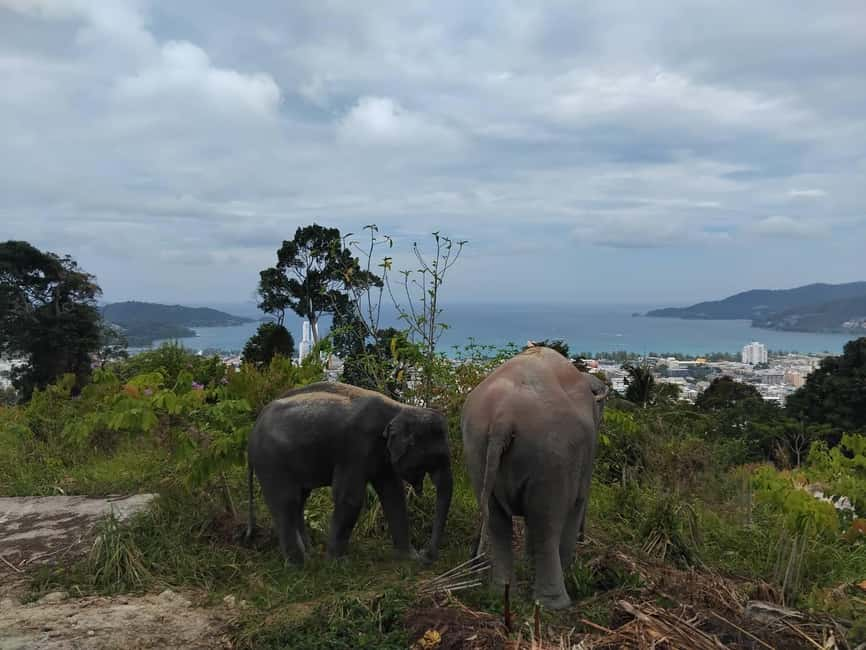
That policy is the defining feature of this visit. It recognizes that an elephant may not want to bathe, roll in mud, or perform on a schedule simply because people have arrived. The sanctuary’s stated approach is to let the elephants enjoy their day on their own terms.
For you, this means the experience may feel quieter and less theatrical. You are not promised a big splash, a staged mud scene, or a hands-on washing session. In return, the program avoids making a forced interaction the center of the visit.
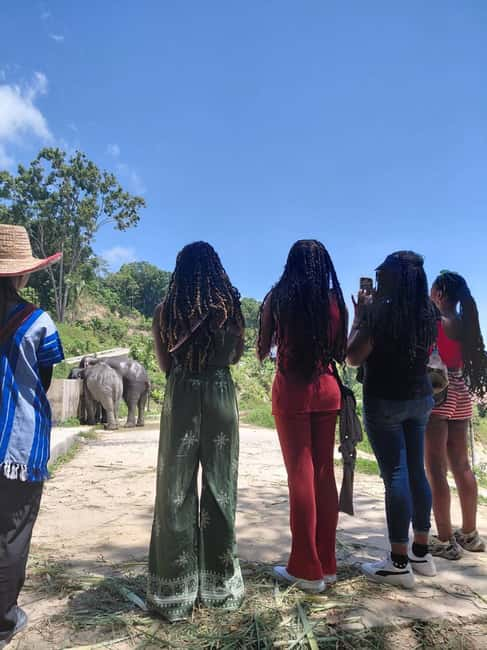
This is also why respectful conduct matters. Keep your voice down around the elephants, follow the guide’s instructions, and allow the animals to decide how close they want to come. The activity is designed around feeding and observation, not control.
If you are choosing between elephant programs in Phuket, ask yourself what kind of encounter you want. If you want a sequence of activities and posed photographs, this may feel limited. If you prefer a simpler program that puts animal welfare first, this policy is a strong reason to book.
Making herbal vitamin balls by hand
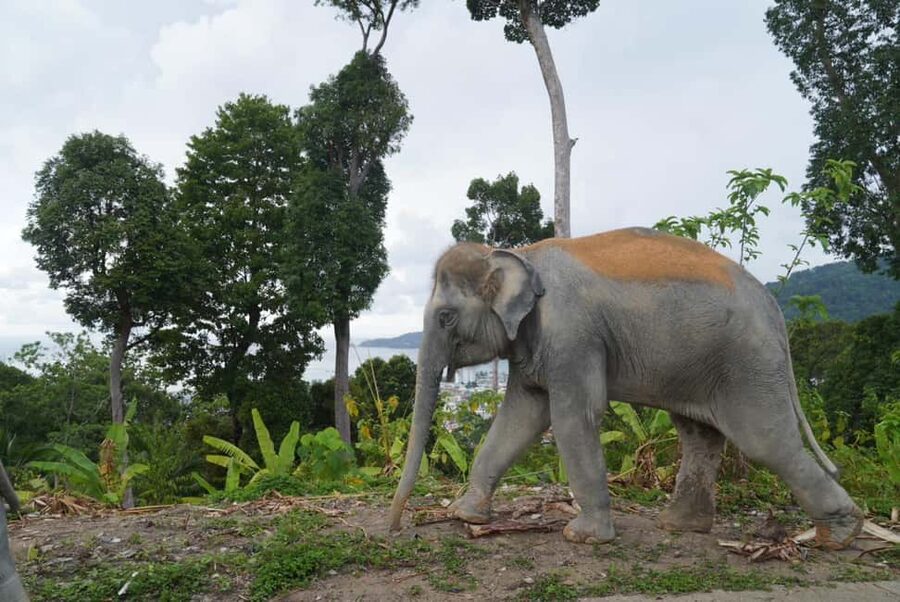
The hands-on portion involves preparing herbal vitamin balls for the elephants. The treats use natural ingredients and are presented as food that supports digestion and general health.
This step gives you something useful to do before meeting the elephants. You are not simply handed a basket and sent toward an animal. You first learn that feeding is part of care, and that the food offered should suit the elephant’s needs.
The preparation is also a good choice for a short program. It creates a clear connection between the educational briefing and the feeding session. You learn about nutrition, take part in a practical task, and then see the result when the elephants eat what you prepared.
Do not treat the herbal balls as a meal for yourself or expect a full cooking demonstration. The activity is a simple preparation session, not a Thai food class. There is no meal included, so plan to eat before or after the visit if you need more than a drink of water.
The sanctuary provides drinking water, but you are asked to bring a reusable bottle. That is a small practical point, though a useful one in Phuket’s heat.
More Guided Tours in Phuket:
- Phuket: Guided Tour to Elephant Sanctuary & Hotel Transfer
★ 4.8 · 292 reviews - Phuket : Guided Tour to Elephant Sanctuary with Transfers
★ 4.9 · 40 reviews - Phuket Guided Tour to Elephant Sanctuary with Hotel Transfers
★ 5.0 · 14 reviews - Phuket: Guided Walk Tour to Elephant Sanctuary with Transfer
★ 4.8 · 5 reviews
Feeding the elephants in a natural setting
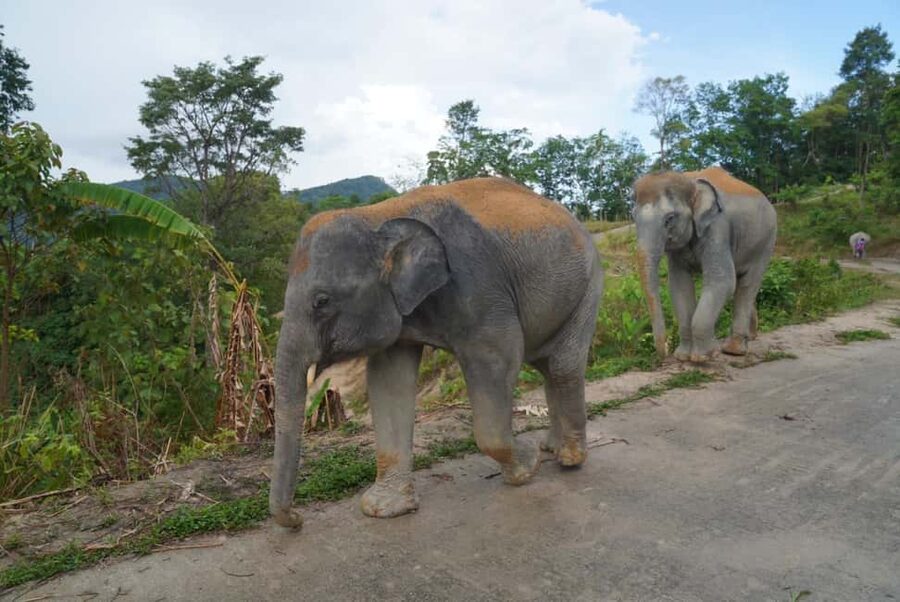
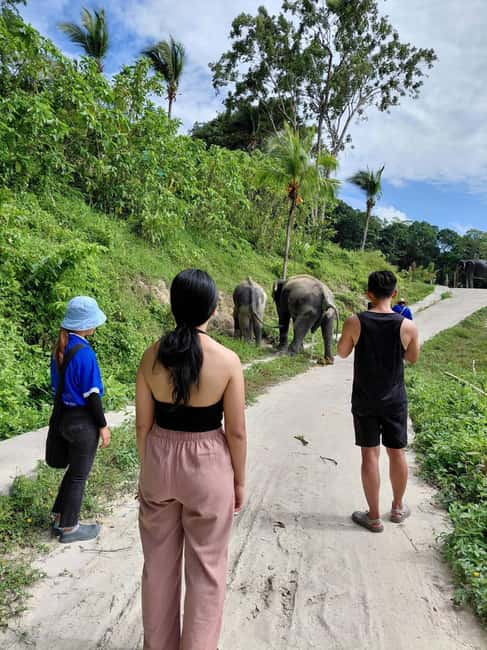
After the food preparation, you walk through the sanctuary to meet and feed the elephants. This is likely to be the most memorable part for many people because it gives you direct contact without turning the elephants into performers.
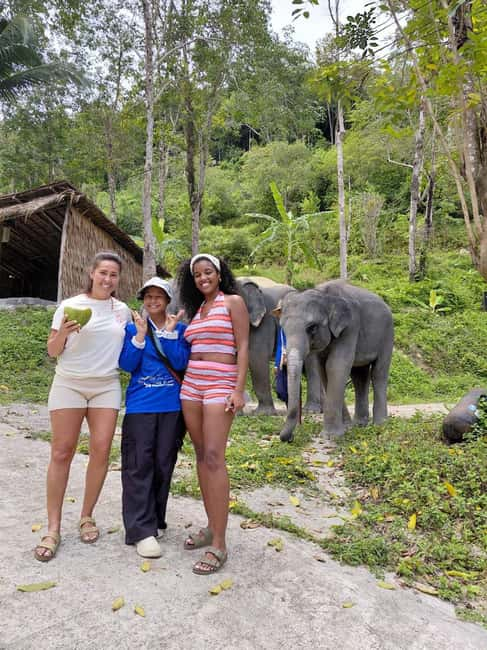
Your handmade treats make the encounter more personal. You know what you are offering, and the guide can explain how food fits into elephant care. The team also shares information about nutrition and the bond between elephants and mahouts while you are near the animals.
The phrase natural setting should be understood in a practical way. It does not mean you are heading into the wild or observing a free-ranging herd. These are captive elephants receiving care at a sanctuary. The setting is intended to feel calmer and more natural than a performance area, but the animals remain under human supervision.
You should not expect every elephant to behave in exactly the same way. Some may approach quickly for food, while others may keep more distance. The sanctuary’s no-force policy means the interaction can depend on the animals’ mood and behavior that day.
That is a benefit, but it can also require patience. If you want a guaranteed pose or a close-up picture with every elephant, this is not the right expectation. Bring your camera, but remember that flash photography is not allowed.
How the 30-minute schedule works
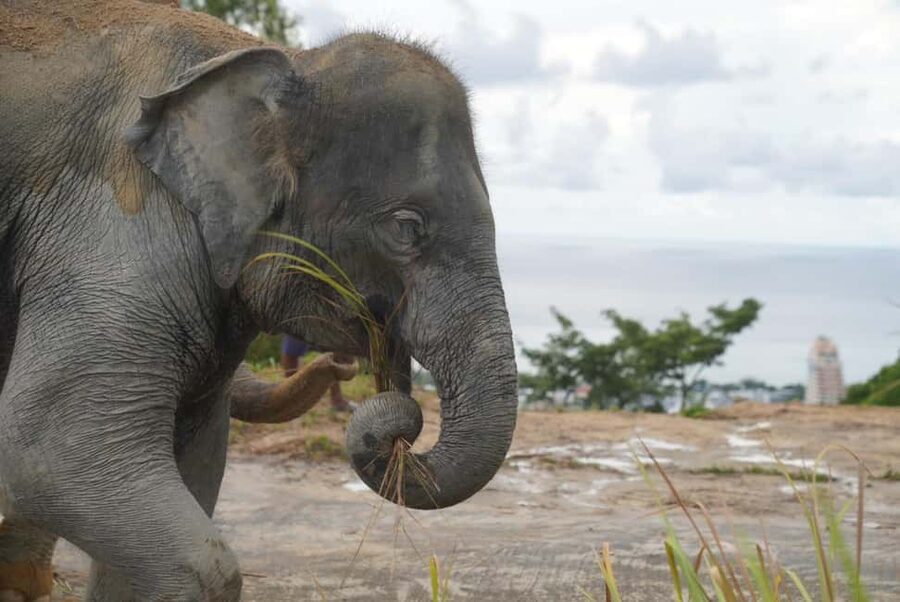
The listed guided session lasts 30 minutes. Within that time, you receive the introduction, learn about elephant care, prepare the herbal food, walk to meet the elephants, and feed them.
That is a lot to fit into half an hour. The advantage is efficiency. You can add the visit to a day at the beach, a morning in Patong, or a departure-day schedule if your timing works.
The drawback is that you may feel rushed. There is limited room for a long conversation, extended observation, or a slow walk around the sanctuary. If you want a deeper understanding of elephant care, you may leave wishing the program lasted longer.
The transport details need careful attention. A van transfer is listed as 30 minutes, and round-trip transfers are included only if you select that option. Pickup depends on the option you book, with drop-off points listed around Phuket, including Kata Beach, Bang Tao Beach, Karon Beach, Rawai Beach, Panwa Beach, Ao Po Pier, Laem Hin Lagoon Pier, the ferry crossing for The Village Coconut Island, and the Hill Tribe Elephant Village area.
Because transfer time depends on where you are staying and which option you choose, check the pickup information after booking. The activity itself is short, but a transfer can turn it into a larger part of your day.
What $32 buys you
At $32 per person, this is priced as an accessible introduction rather than a premium full-day sanctuary program.
The value comes from the combination of education, food preparation, elephant feeding, insurance, and optional round-trip transfers. If you need transport from one of the listed areas, including it in the booking can make the price more useful because you do not have to arrange a separate ride.
There is no meal, so the price should not be compared with packages that include lunch or a longer schedule. You are paying for a compact animal-care experience, not an all-day excursion.
I think the price works best for three types of visitors. First, you have a short window in Phuket and want an ethical elephant encounter. Second, you want an activity that includes learning, not only pictures. Third, you are willing to support a sanctuary that avoids forced bathing and mud play.
It is less compelling if you want a long visit, extensive walking, or several forms of animal contact. In that case, a longer program may give you more time for the money, though this shorter format has the advantage of being easy to fit into a busy holiday.
A guide-led visit with a personal touch
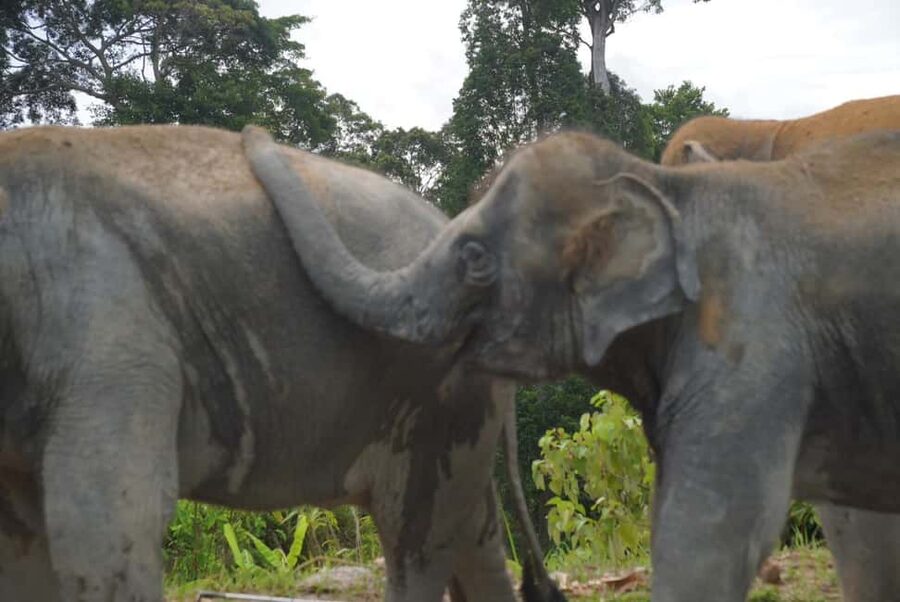
The experience is conducted in English. One guide highlighted in the feedback is Mayya, whose friendly personality helped make the program especially enjoyable for one group. If Mayya is leading your session, you can expect an approachable guide who keeps the tone light while explaining the elephants and their care.
Guide assignments can change, so do not book solely on the expectation of meeting one particular person. The important point is that the session is guide-led, and the guide’s job is to explain the animals, the mahouts, nutrition, and the rules for respectful contact.
The activity has earned a 4.8 rating from 13 reviews, with strong praise for the educational value, the caretakers, and the friendly delivery. That is a small sample, so I would treat it as a useful sign rather than a guarantee that every visit will be identical.
The most consistent strength is the clear purpose of the program. You make food, learn why it matters, and feed the elephants without being asked to force a behavior.
Practical advice for your visit
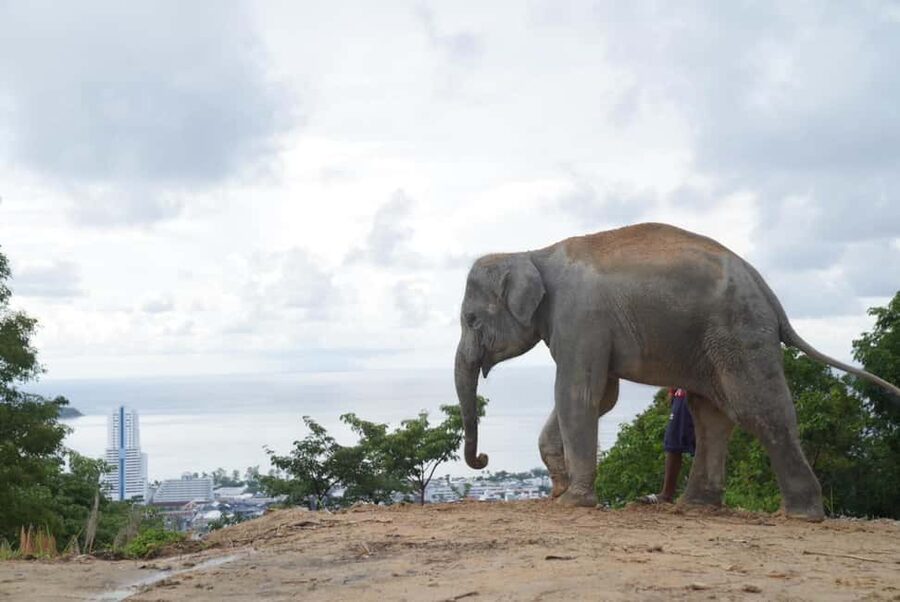
Wear comfortable walking shoes. The program includes a walk through the sanctuary, and flip-flops may be less useful on uneven or outdoor surfaces.
Bring a hat, sunscreen, insect repellent, and a camera. Phuket’s heat can make even a short outdoor activity feel demanding, and insect repellent is sensible around a sanctuary setting.
Carry a reusable water bottle. Drinking water is included, but reducing disposable plastic fits the spirit of an animal-care program.
Use quiet voices and follow the guide’s instructions. Do not use flash photography, and do not try to touch, call over, or move an elephant for a photograph.
The activity is listed as wheelchair accessible, but the information also says it is not suitable for people with mobility impairments. That is a significant point to clarify before booking. Ask the provider about the walking route and access for your specific needs rather than relying on the general accessibility label.
The program is not suitable for pregnant women or people with animal allergies. Those restrictions should be taken seriously, especially because the activity involves being close to elephants and preparing their food.
You can cancel up to 24 hours before the activity for a full refund, and the reserve-now-pay-later option lets you hold a place without paying immediately. Those policies help if your Phuket schedule is still changing.
Who should book this sanctuary visit?
I would choose this for a first elephant encounter, a short Phuket itinerary, or a family group that wants a clear activity with a practical task. The herbal food preparation gives children and adults something to focus on, though everyone must remain calm and respectful around the animals.
It also suits anyone who is uncomfortable with elephant programs built around bathing, mud play, or forced interaction. Here, the absence of those activities is not a gap in the program. It is the point.
You may want something else if your priority is a long visit, a meal, extensive walking, or a full day of observation. The 30-minute guided session is useful but limited, and transport can add extra time.
Should you book the Hill Tribe Elephant Village?
Book it if you want a short, well-defined introduction to elephant care that includes making herbal treats and feeding elephants without forced bathing or staged mud play. At $32, it offers solid value when you choose the transfer option you need and make use of the educational side of the visit.
Skip it if you expect hours at the sanctuary or a packed schedule of elephant activities. The best reason to go is not the length of the program. It is the chance to support a quieter approach, learn about mahouts, and meet elephants on terms that respect their behavior.
FAQ
How long does the guided elephant experience last?
The guided session lasts 30 minutes. A van transfer is also listed as 30 minutes when transportation is part of the selected option.
What activities are included?
You prepare herbal food for the elephants, learn about their care, walk through the sanctuary, and feed them.
Are round-trip transfers included?
Round-trip transfers are included only when you select an option that includes them. Pickup depends on the option booked.
Which Phuket pickup and drop-off areas are available?
Listed locations include Kata Beach, Bang Tao Beach, Karon Beach, Rawai Beach, Panwa Beach, Ao Po Pier, Laem Hin Lagoon Pier, the ferry crossing for The Village Coconut Island, and Hill Tribe Elephant Village in Phuket.
Is food included for visitors?
No meal is included. Drinking water is provided, and you should bring a reusable bottle.
Can I take photographs?
Yes, cameras are allowed, but flash photography is not permitted.
Is the activity available in English?
Yes. The tour has a live English-speaking guide.
Is the activity wheelchair accessible?
The activity is listed as wheelchair accessible, but it is also marked as unsuitable for people with mobility impairments. If you have mobility concerns, confirm the walking route and access with the provider before booking.
Can I cancel for a refund?
Yes. You can cancel up to 24 hours in advance for a full refund. A reserve-now-pay-later option is also available.
Just added around Phuket
- Elephant Sanctuary Small Group Tour in Phuket★ 5.0 · 3 reviews
- Phuket Guided Tour to Elephant Sanctuary with Hotel Transfers★ 5.0 · 14 reviews
- Phuket: Phuket Elephant Sanctuary, Wat Chalong & more★ 4.0 · 6 reviews
- Phuket: Guided Walk Tour to Elephant Sanctuary with Transfer★ 4.8 · 5 reviews
- Phuket: Elephant Sanctuary Feed and Bathe Gentle Giants★ 4.8 · 56 reviews
- Phuket: Elephant Sanctuary & Zipline Adventure Combo★ 5.0 · 3 reviews
- Phuket: Ethical Elephant Sanctuary Experience★ 4.9 · 24 reviews
- Khao Lak: Ethical Overnight Elephant Sanctuary Experience★ 5.0 · 35 reviews
Phuket Zoos, compared.
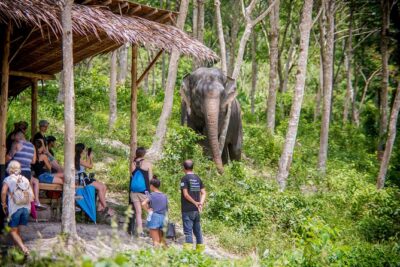
A Morning with the Elephants at Phuket Elephant Sanctuary
Read our review →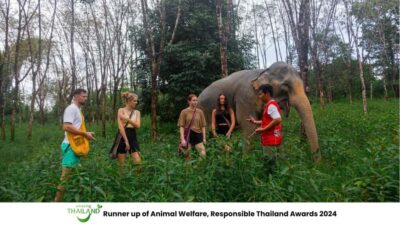
Phuket: Elephant Sanctuary Tour, Cooking Class & Lunch
Read our review →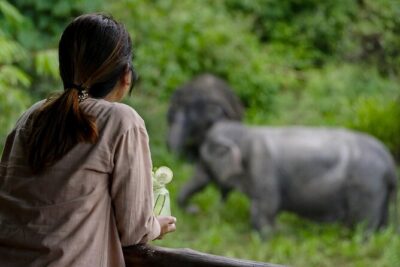


An Afternoon with the Elephants at Phuket Elephant Sanctuary
Read our review →
Khao Lak: All-Day Elephant Sanctuary Experience Small Groups
Read our review →Browse the lists this tour appears in