
REVIEW · MURRAY BRIDGE
Monarto Safari Park: General Admission Tickets
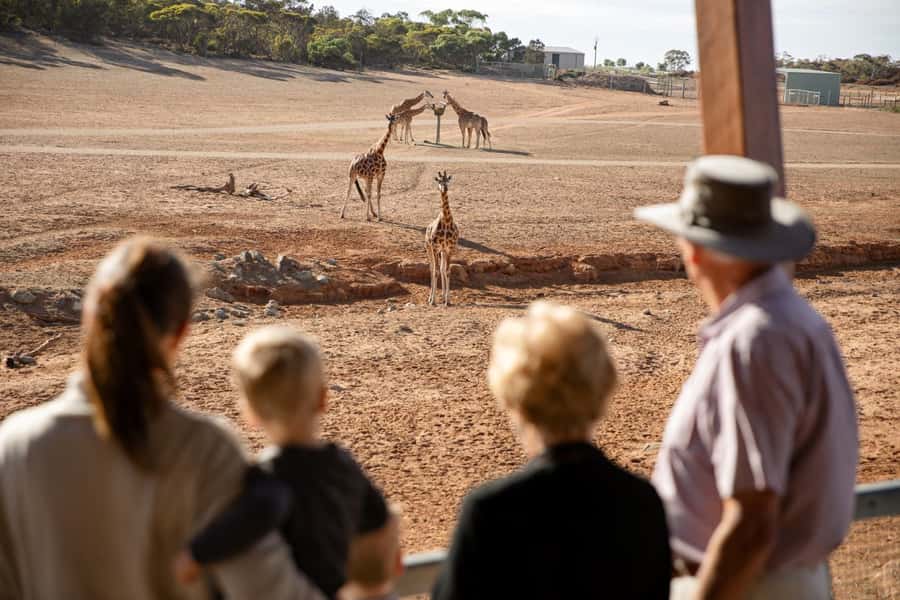
Monarto Safari Park gives you something most city zoos cannot: wide open animal enclosures where lions, rhinos, giraffes, and other wildlife have room to roam. You can spend the day moving between viewing platforms on the Zu-loop bus, then walk sections of the 15 km trail network at your own pace.
I like the freedom to mix bus rides with walking, and I like that daily keeper talks add real context rather than leaving you to guess what you are seeing. The main drawback is the park’s size. You need a full day, good planning, and some patience when animals are resting out of sight.
Key points to know
- Expect a full-day visit: The park is open from 9:30 am to 5 pm, with last entry at 3 pm.
- Use the Zu-loop bus wisely: Unlimited rides connect viewing platforms and help reduce the walking load.
- Plan for open-range viewing: Animals may be spread out or hidden, so a second bus circuit can reveal what you missed.
- Bring your own picnic if you want to save money: Sheltered picnic areas are available, while food and drinks can feel expensive.
- Add paid animal encounters only if they suit your budget: Giraffe feeding, lion experiences, meerkat encounters, and other activities cost extra.
- Allow extra care on walking routes: Some paths are gravel or uneven, even though the park is wheelchair accessible.
Why Monarto feels different from a standard zoo
Monarto Safari Park covers a large open area rather than packing every animal into a compact city-style exhibit. The result is less about moving from cage to cage and more about scanning broad plains for movement, shape, and color.
You might see a giraffe standing clearly against the horizon, then spend several minutes searching for a group of meerkats or a resting lion. That uncertainty is part of the experience, but it also means you should not expect every animal to perform on cue.
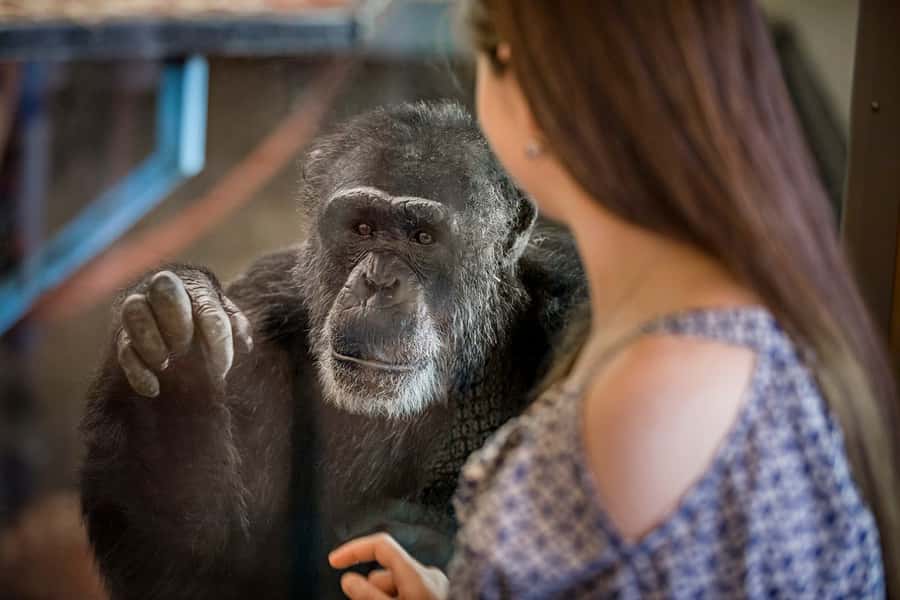
The park is home to more than 500 exotic and Australian native animals. The headline species include lions, rhinos, giraffes, meerkats, and chimpanzees, with other animals such as elephants and porcupines also part of the collection.
I especially like the open setting because it gives you a better sense of animal scale and behavior. A rhino in a broad enclosure feels very different from a rhino viewed through a narrow exhibit. The trade-off is simple: better space can mean more walking and less guaranteed visibility.
More Safari Parks in Australia
- Werribee Open Range Zoo: Entry Ticket
★ 4.5 · 646 reviews - Werribee Open Range Zoo General Admission Ticket
★ 4.0 · 143 reviews - Lions 360 Experience and a Day at Monarto Safari Park
★ 4.7 · 76 reviews
Getting started at the entrance
You park in the main car park, enter through the entrance tunnel, and show your digital QR code at the turnstiles. From there, you can reach the Zu-loop bus and the walking tracks.
The entry process is straightforward, but have the QR code ready before you reach the gate. That saves time and avoids searching through emails or phone screens while other people wait behind you.
There is no transport to the park included with admission, so you need to arrange your own way there. Parking is free, which helps keep the total cost down if you are driving.
The park is open every day of the year, including Christmas and public holidays. That makes it a useful option for school holidays and family visits, although the busiest periods may put more pressure on buses and viewing areas.
How to use the Zu-loop bus
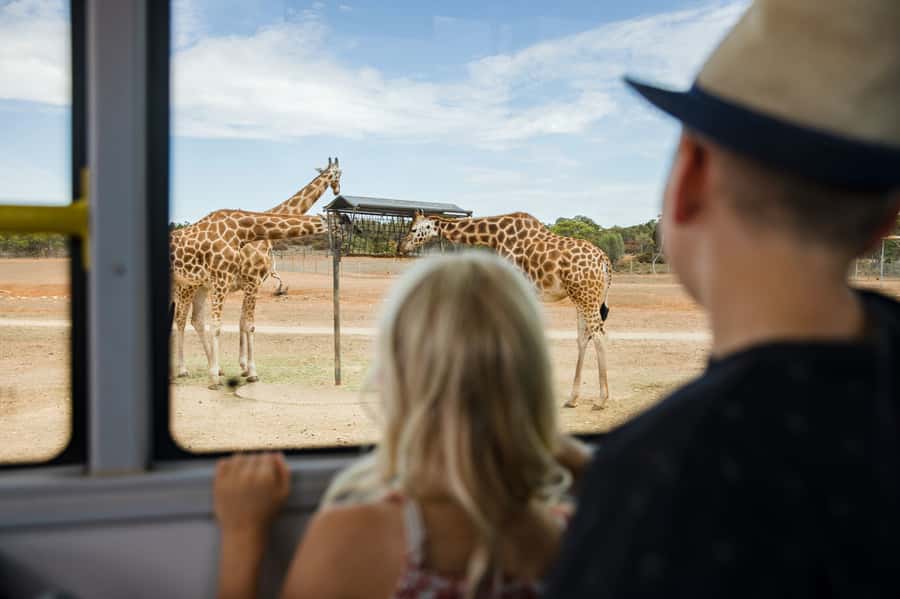
The Zu-loop bus is the backbone of a first visit. Your ticket includes unlimited use, and the buses run between viewing platforms around the park.
I would start with a bus ride to get your bearings rather than walking the full network immediately. From the bus, you can see how far apart the main areas are and decide where you want to spend more time.
The bus is also a major help for people who cannot comfortably walk long distances. Parents with young children can use it to break up the day, and older visitors can save their energy for the viewing platforms and keeper talks.
Do not assume every bus ride will have the same level of commentary. Some drivers also act as guides, while other buses may have a separate guide or limited narration. A few visitors have found it hard to hear commentary when a microphone was not working well or when they sat farther back.
For the best chance of hearing, sit near the front when possible. Keep your eyes outside, too. The views from the bus can be excellent, but dirty windows have occasionally made photography difficult.
A second circuit can be worthwhile. Animals move around during the day, and a lion or elephant area that seems quiet earlier may be more active later. One useful approach is to make an early loop, get off at the areas that interest you, and use a later bus ride to revisit anything you missed.
Walking the 15 km trail network
The walking trails give you the closer, slower side of the park. You can leave the bus at a viewing platform, follow a trail, and spend time looking at the animals without feeling rushed by a fixed tour schedule.
You do not need to walk all 15 km. That distance is available, not required. Most people will get more from choosing a few sections carefully than from trying to cover every path before closing.
The routes can include dirt and gravel, and some paths are uneven. That matters if you use a walker, push a stroller, or have difficulty standing or walking for long periods. The park is listed as wheelchair accessible, but the walking surfaces and bus access may not feel equally easy for every visitor.
For mobility concerns, rely more heavily on the bus and ask staff for practical route advice on arrival. Some paths to animal areas can be more demanding than the main viewing points. Higher seats at bus stops would also help people who find it difficult to rise from standard benches.
Families should find the walking setup flexible. A toddler can enjoy short sections, then switch to the bus when attention fades. You can also stop at a sheltered picnic area instead of trying to keep moving for hours.
More Zoo Entry Tickets in Australia
- Sydney: Taronga Zoo Tickets
★ 4.6 · 1,551 reviews - From Brisbane: Australia Zoo Transfer and Entry Ticket
★ 4.9 · 1,539 reviews - Sydney: Taronga Zoo Ticket with Return Ferry
★ 4.5 · 1,142 reviews - Sydney Taronga Zoo General Entry Ticket
★ 4.0 · 941 reviews
Lions, rhinos, giraffes, and the big animal moments
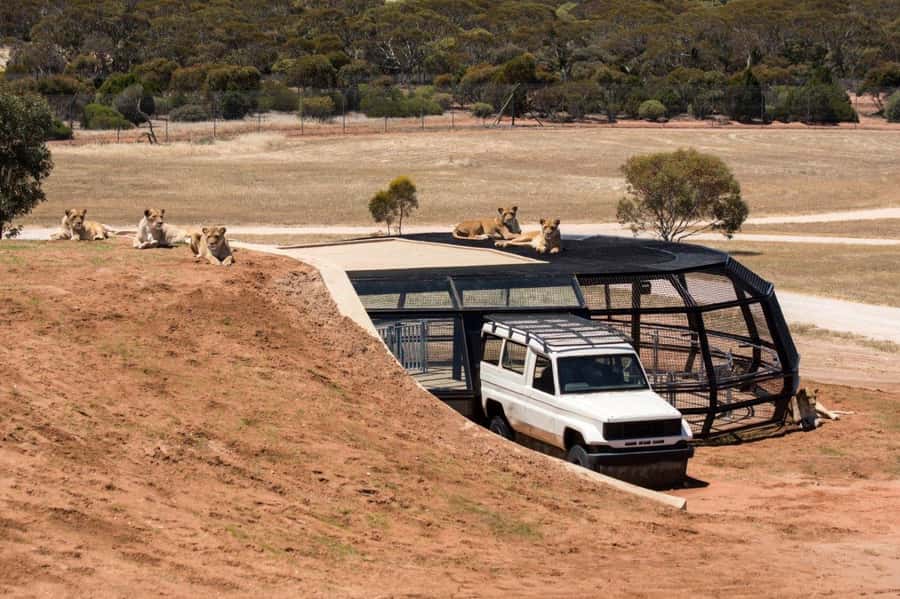
The large African animals are the park’s main draw. Lions can be dramatic even when they are resting, especially when you hear a roar carry across the open area. A paid lion encounter may offer a closer view, but standard admission still gives you access to the animal areas and viewing platforms.
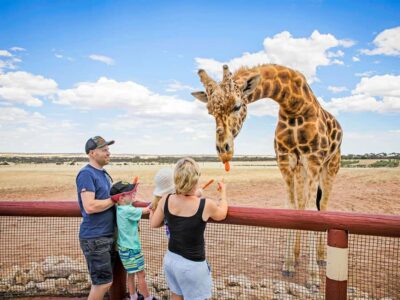
Giraffes are a strong reason to slow down. Their height makes them easier to spot across an open enclosure, and a young giraffe can provide one of the day’s memorable sights. Giraffe feeding is available as an extra-cost animal experience, so check the price before adding it to your plans.
Rhinos reward patience. They may be easier to spot from a bus or viewing point than from a walking trail, depending on where they are resting. The open setting is the point here: you get a better sense of their size, but you may not get a close view every time.
Elephants are another major attraction. Their presence can be especially powerful when you see them moving through a large area rather than standing in a small pen. The park has also been associated with an expanding elephant area, so check current conditions if that is the main reason for your visit.
Meerkats, chimps, and smaller discoveries
The smaller animals can make the day feel varied. Meerkats are easy favorites because their alert posture and group behavior give you something to watch rather than simply photograph.
Chimpanzees are another highlight. You may find their area more rewarding if you stay for a while and observe the group instead of moving on after one glance. Their behavior gives the day a more active feel after long stretches of looking across open plains.
Porcupines have also been spotted, though they may take more effort to find. That is typical of this kind of park. You are not guaranteed a perfect view of every species, and the search itself becomes part of the visit.
Not every stop will be equally rewarding. One aviary has been found empty at times, and an enclosure may be quiet during your visit. I suggest treating the park as a living collection, not a checklist. If one area is inactive, keep the bus loop in mind and try again later.
Keeper talks add meaning to the visit
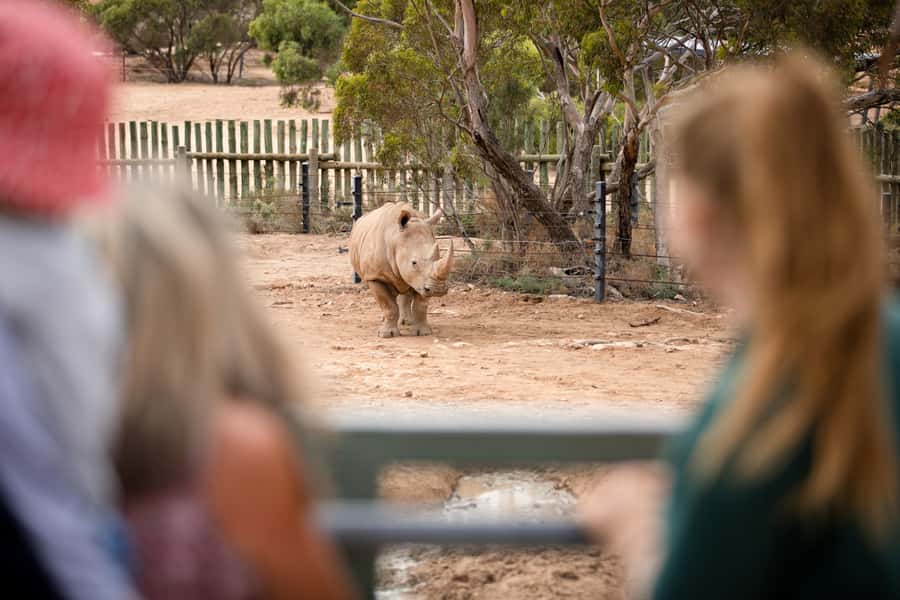
Free daily keeper presentations are included with admission. These talks are worth building into your day because they give you a reason to pause and learn about the animals rather than simply passing through.
The quality of the information depends on the presenter and how clearly you can hear. Keepers are generally happy to answer questions, and the strongest talks combine practical animal facts with a clear sense of care for the animals.
Check the daily schedule when you arrive and note the talks that match your route. You may not be able to attend every presentation, especially if you are walking between distant areas.
Bus commentary can vary more than keeper talks. Some guides are lively and clear, while others may be difficult to hear from the back rows. Sitting forward is a small change that can make a real difference.
Food, picnics, and the cost of a full day
General admission costs $38 per person and is valid for one day. That is fair value if you use the bus, attend several talks, walk part of the trail network, and stay for most of the opening hours.
The value drops if you arrive late and leave after a short visit. Last entry is at 3 pm, but arriving then gives you only a limited window before the 5 pm closing time. For the price to make sense, arrive close to opening.
Food and drinks are not included. The on-site lodge and cafeteria provide places to buy food, and the food has been well received, but prices can feel steep for families. Bring your own supplies if you want tighter control over spending.
Sheltered picnic areas are available at several points in the park. This is one of the most useful details for parents, large groups, and anyone planning a long visit. A picnic also gives you a proper break from the bus and trails without leaving the park.
Animal experiences cost extra. You can pay for closer encounters such as feeding giraffes, meeting meerkats, or taking part in lion-focused experiences. I would treat these as optional add-ons, not necessary parts of the admission ticket.
The best plan for families and mixed-age groups
Monarto works well for families because you can change pace throughout the day. Young children can ride the bus, see large animals, and walk short sections without needing to complete the entire park.
The hop-on, hop-off setup also helps grandparents and other family members who need more rest. You can split the group briefly, meet at a viewing platform, and avoid making everyone walk at the same speed.
For a family visit, I would arrive early, take an initial bus loop, then choose two or three areas for longer stops. Schedule lunch at a picnic shelter or cafeteria, and leave time for one final bus circuit before the park closes.
The park can be a calm place for children who enjoy watching animals at their own pace. It is less suitable if you need constant close-up action. Open-range viewing sometimes means waiting, scanning, and accepting that an animal is out of sight.
Practical access and comfort notes
The park is wheelchair accessible, and the bus service makes the broad site more manageable. Still, accessibility is not identical at every point. Gravel paths, uneven surfaces, and bus steps can create difficulties for people using walkers or wheelchairs.
If you have mobility concerns, ask about the easiest routes before setting off. Use the bus to avoid unnecessary walking, and allow more time for boarding and leaving the vehicle.
Smoking and drones are not allowed. Keep your digital ticket ready at the entrance, and remember that food and drinks are your responsibility unless you buy them inside.
The park operates in all seasons. Winter days can be pleasant for walking, while hot weather may make the trails more tiring. The supplied information does not list a specific weather closure policy, so check current conditions if the forecast looks poor.
Who should book Monarto Safari Park
I would book this for families, wildlife fans, photographers who can work with open-range views, and anyone who prefers a flexible day over a short guided tour. It is also a good choice if you want to support conservation work while seeing animals in spacious settings.
You should think twice if you want guaranteed close views, a compact site, or constant commentary on every bus. The park rewards time and patience. It is not a quick stop.
At $38, the ticket is strongest when you arrive early and stay for several hours. Use the bus, attend keeper talks, walk selected trails, and bring a picnic if you want the best value. If you do that, Monarto offers a full and varied day without forcing you to pay extra for an animal encounter.
FAQ
How much does general admission to Monarto Safari Park cost?
General admission costs $38 per person and is valid for one day.
How long should I allow for Monarto Safari Park?
Allow a full day if you want to use the buses, walk part of the 15 km trail network, attend keeper presentations, and revisit animal areas.
What are the opening hours?
Monarto Safari Park is open daily from 9:30 am to 5 pm. Last entry is at 3 pm.
Is the Zu-loop bus included?
Yes. Your admission includes unlimited use of the Zu-loop shuttle bus between viewing platforms.
Are walking trails included?
Yes. Admission includes access to more than 15 km of walking tracks.
Are keeper talks included?
Yes. Daily keeper presentations are included in the general admission ticket.
Is food included?
No. Food and beverages are not included, although food can be purchased at the park. Sheltered picnic areas are available.
Is Monarto Safari Park wheelchair accessible?
The park is wheelchair accessible, but some paths are gravel or uneven, and bus access may be difficult for some mobility aids. Use the bus and ask staff about easier routes if needed.
Just added around Australia
- Zen In The Zoo★ 5.0 · 2 reviews
- Wings Wildlife Park Burnie Shore Excursion★ 4.2 · 13 reviews
- Ultimate Blue Mountains Private Tour with Scenic World and Wildlife Park★ 5.0 · 10 reviews
- Taronga Zoo & Whale Watching Cruise Combo – Sydney Harbour★ 4.5 · 15 reviews
- Sydney Zoo General Entry Admission Ticket★ 5.0 · 3 reviews
- Blue Mountains Small Group Tour with Lunch, Zoo and Scenic World★ 5.0 · 25 reviews
- Sydney Private Tour Inc The Royal National Park and Symbio Zoo★ 5.0 · 9 reviews
- Featherdale Wildlife Park with Exclusive Private Transfers★ 4.5 · 32 reviews
Murray Bridge Zoos, compared.
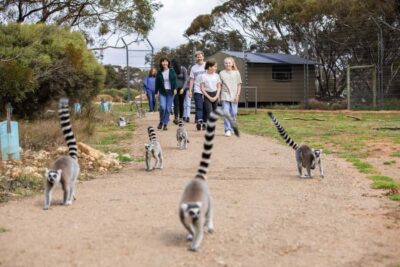
Land of the Lemurs Experience & a Day at Monarto Safari Park
Read our review →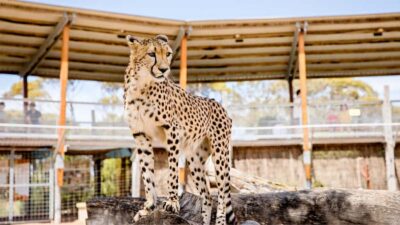

Browse the lists this tour appears in