
REVIEW · KENYA
Mombasa Cultural & Wildlife Experience
Mijikenda drums, village stories, and giraffes make this a memorable way to see a side of the Kenyan coast beyond the beach. You move from a local school and traditional homesteads in Mtwapa to the open setting of Nguuni Wildlife Sanctuary, with time to meet people rather than simply pass through.
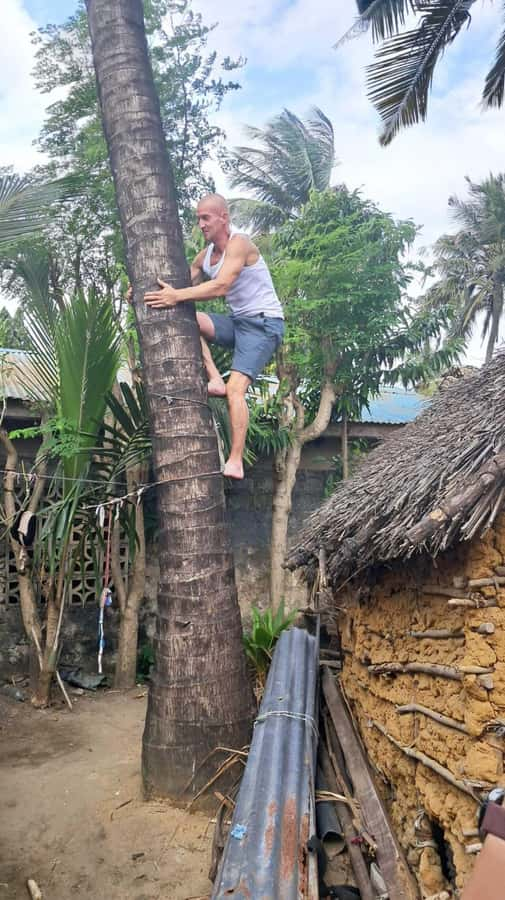
I like the direct contact with local families and elders, and I like the chance to see animals without the scale and time commitment of a full safari. The tour also makes room for small pleasures, such as coconut water from the tree and a possible tuk-tuk ride.
The main catch is cost clarity. The advertised $100 price does not include the $20 village fee or $10 sanctuary fee, both paid in cash, and transport outside Mombasa costs extra. Add those fees and the basic total is $130 per person before personal purchases or upgrades.
Key points at a glance
- School visit on weekdays: Meet children and teachers, walk through classrooms, and hear about daily school life.
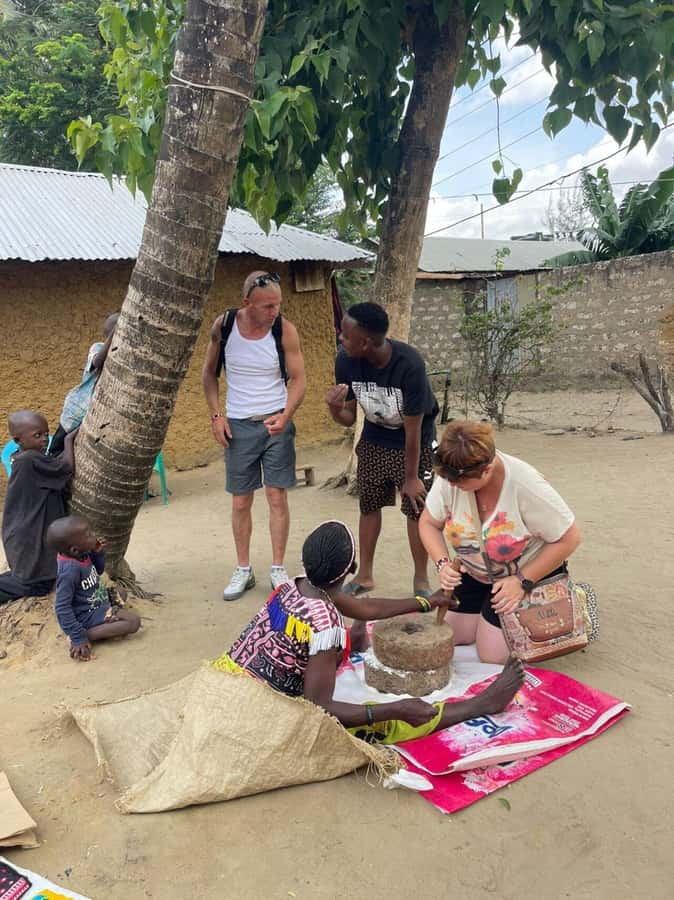
- Mijikenda village with elders: Learn about traditions, survival stories, homesteads, and family life through guided conversation.
- Dance you can join: The drum-led performance is interactive, so you are invited to move with the dancers rather than sit apart.
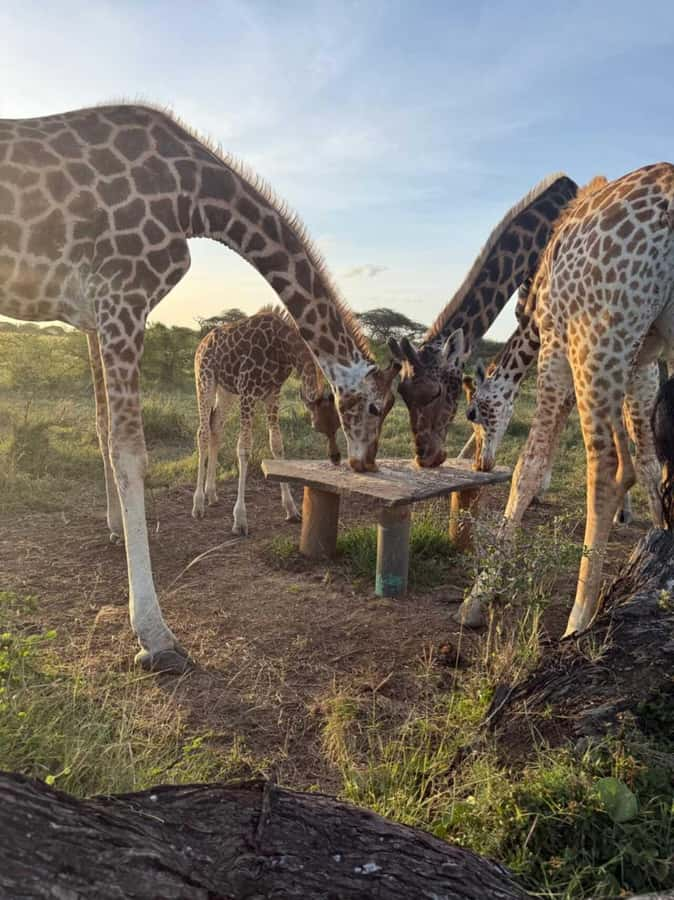
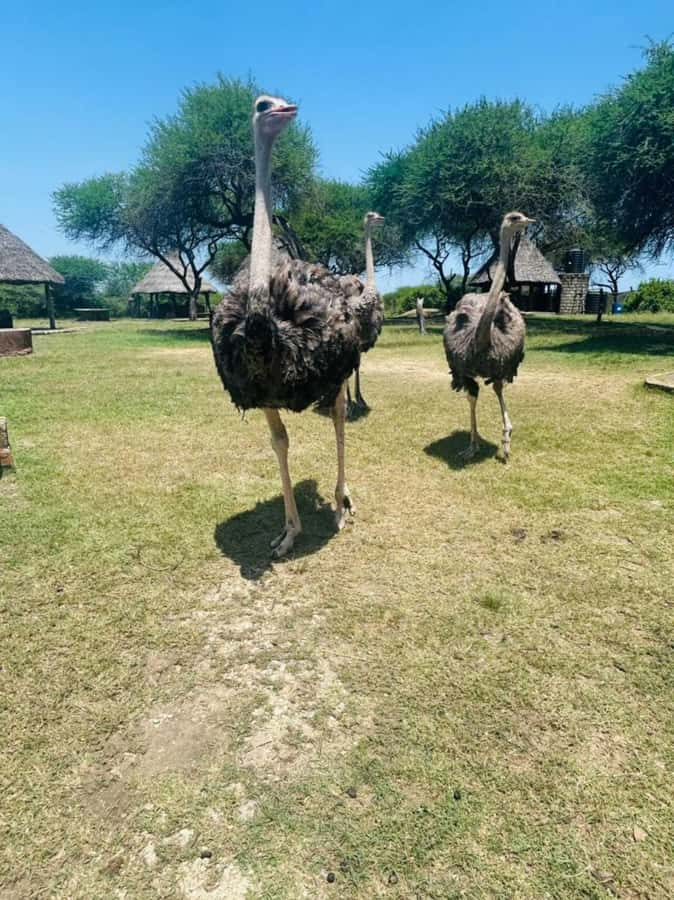
- Nguuni wildlife without a long safari: See giraffes, ostriches, and antelopes in an open natural setting.
- Useful transport choices: Hotel pickup is included within Mombasa, and a tuk-tuk can be arranged if you want a more local ride.
- Extras for special occasions: A picnic under acacia trees or a private photo session can be added for an additional charge.
Why this four-hour Mombasa outing works
This is not a conventional sightseeing circuit. It is a compact cultural and wildlife outing, built around personal contact, music, and a short visit to a wildlife sanctuary.
The cultural section takes place in and around Mtwapa. That matters because you are not only looking at displays or listening to a guide recite facts. You walk through a real village, meet elders, hear stories, and take part in a dance. The experience asks you to be present and respectful, not just to take pictures.
The wildlife portion then changes the pace. After the village, you reach Nguuni Wildlife Sanctuary, where giraffes, ostriches, and antelopes move through open grounds. This is not a full-day game drive, and you should not book it expecting the range of species found in a major national park. But for a four-hour outing from Mombasa, it gives you a close look at animals in a peaceful setting.
I see this as a good fit if you have limited time, want more than a beach day, or are looking for a family-friendly introduction to Kenyan culture. It also works well for couples, especially with the optional picnic and photography arrangements.
A few more animal parks around Kenya worth a look
- Nairobi: Elephant Sanctuary and Giraffe Center Day Tour
★ 4.8 · 148 reviews - Nairobi Nightlife and Safari Park Hotel Dinner Experience
★ 4.5 · 26 reviews - Nairobi: Cabaret Show with Dinner at Safari Park Hotel
★ 4.9 · 11 reviews
Starting with a school visit on weekdays
The first cultural stop is a local school, available on weekdays only. You can expect to walk through classrooms, meet children and teachers, and hear about the pupils’ hopes and everyday life.
This part can be especially meaningful because it puts local life in front of you at a human scale. Instead of treating Kenya as a backdrop, you see a place where children study, ask questions, and greet visitors with curiosity. The best approach is to listen, be polite, and follow the guide’s lead on photographs and interaction.
The school visit is also the least suitable part of the outing for some schedules. If you book for a weekend or a school holiday, this stop will not be available. The tour still includes the village, dance, and sanctuary, but you should not assume the school visit is included every day.
Families may appreciate this stop, though parents should prepare children for a cultural visit rather than a staged attraction. The point is contact and understanding, not a long list of activities.
Walking through a Mijikenda village in Mtwapa
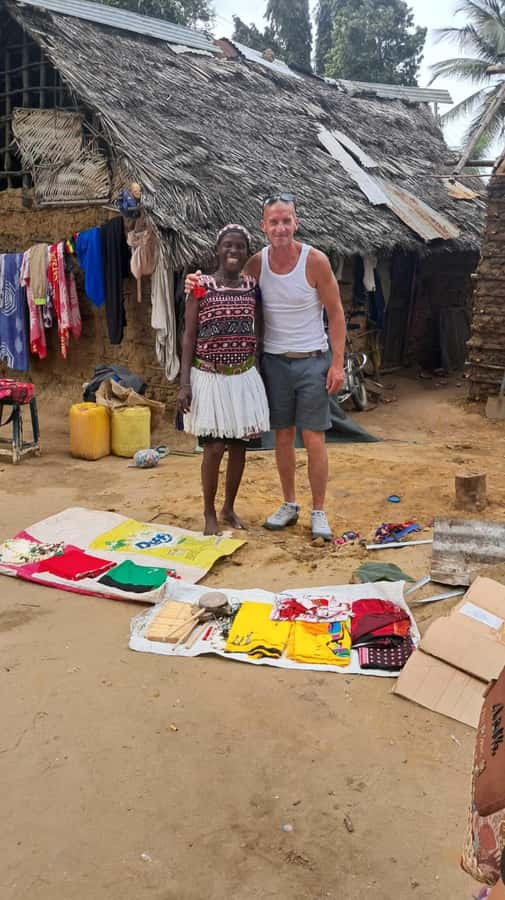
The village visit is the heart of the cultural program. A guide leads you through the community for roughly 30 minutes, while village elders explain traditions, family life, old survival practices, and ancestral stories.
I like this format because the setting gives the conversation weight. You are walking past homesteads and seeing daily surroundings as stories are told. The experience becomes easier to understand when history and custom are connected to actual homes, paths, and community spaces.
The village fee is $20 per person, paid in cash on the day. This is not a minor detail. Carry the money in Kenyan shillings or another accepted form of cash, and include it in your real tour budget from the start.
The fee also supports the local part of the visit directly, which gives the cultural exchange a practical benefit. Still, you should know exactly what you are paying before pickup. One past participant was surprised that some transport costs were separate, so it is sensible to confirm the total with the provider before the tour date.
The pace here is short but purposeful. You are not spending several hours in the village, so the visit will not answer every question about Mijikenda culture. What it can do is give you a personal introduction, with time for stories, questions, and observation.
Joining the Mijikenda drum and dance session
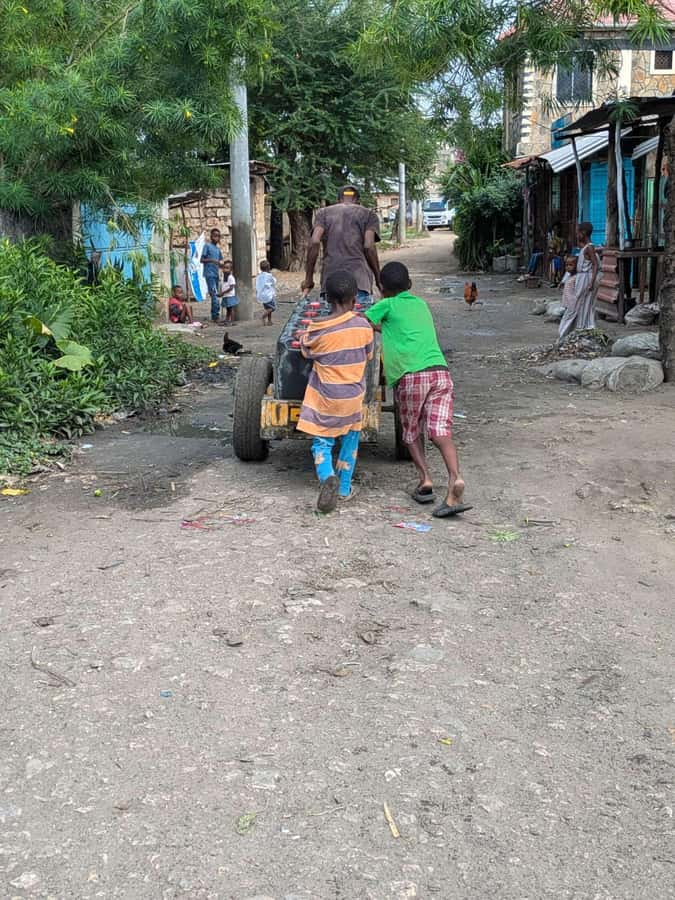
After the village walk, the drums begin. The dance lasts about 25 minutes and is presented as an invitation to join, not simply a show for you to watch.
That interactive element changes the mood. You may find yourself copying steps, laughing with the dancers, and learning through movement rather than explanation. You do not need dance training. Comfortable clothing and shoes are more useful than any sense of rhythm.
The dance is also a reminder to keep your camera down at times. Take photographs when appropriate, but give the people in front of you your attention. The most valuable part is the shared moment, not a perfectly framed clip.
The cultural activities are close together, with several stops listed in Mtwapa. That keeps transport time down and leaves more room for the people you came to meet. At the same time, the four-hour schedule means the stops are fairly brisk. If you want long, quiet conversations with elders, you may prefer a longer private cultural tour.
Same place, a different set of animals:
- Safari Park Hotel Cat Dance and Dinner Experience
★ 4.0 · 10 reviews - Nairobi: National Park, Elephant Sanctuary, & Giraffe Center
★ 4.2 · 10 reviews - Nairobi Nightlife and Safari Park Hotel Dinner Experience
★ 5.0 · 5 reviews - Safari Park Hotel Show & Dinner Experience In Nairobi Tour
★ 3.6 · 3 reviews
Coconut water, palm wine, and a short pause
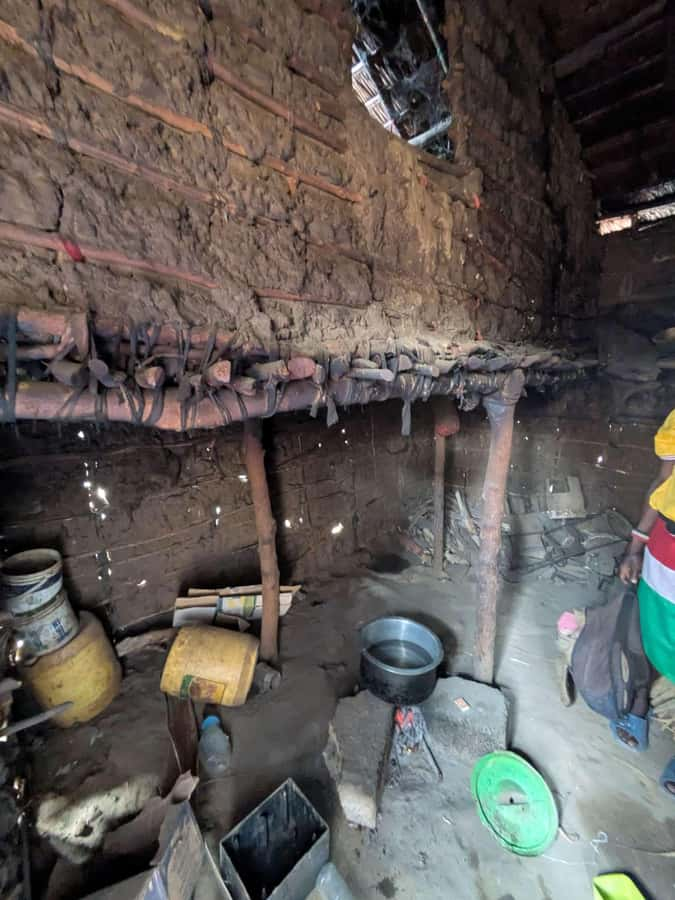
A break of about 20 minutes gives you time to cool down and sample fresh coconut water taken from the tree. This is a small detail, but it fits the outing well. After walking and dancing in the coastal heat, a cold drink and a pause are welcome.
You may also try traditional palm wine, either sweet or dry. This is optional, and you should not feel pressure to sample it. If you choose to drink, remember that the day still includes transport and walking.
Bottled water is included. You should bring extra cash for any additional drinks, snacks, souvenirs, or personal purchases, since those are not part of the base price.
Nguuni Wildlife Sanctuary and close animal viewing
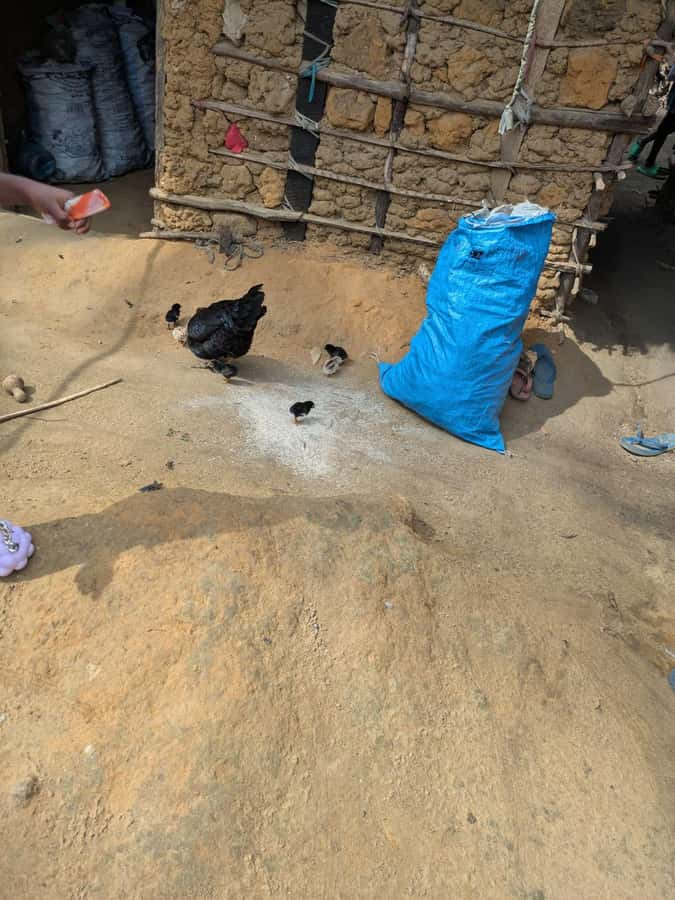
The second half moves to Nguuni Wildlife Sanctuary. The sanctuary offers a calmer setting, with giraffes, ostriches, and antelopes moving through open grounds. There is time to walk for about 25 minutes and take photographs.
The appeal here is proximity. You may see giraffes at close range, without the feeling of watching them from a distant road. That makes the stop especially attractive if you want strong animal photographs but do not have time for a multi-day safari.
You should keep your expectations sensible. This is a sanctuary visit, not a broad wildlife expedition. The information provided focuses on giraffes, ostriches, and antelopes, so do not book it expecting the full range of predators and large herds associated with Kenya’s major parks.
The sanctuary entrance fee is $10 per person, paid in cash on arrival. Add it to the village charge and the advertised tour price becomes $130 per person. If you also choose a picnic, private photoshoot, or outside-Mombasa transport, your final price will rise.
The open setting is also a place to slow down. After the social energy of the village, you can watch animals, enjoy the scenery, and let the day become quieter. Bring a camera, but also bring patience. The animals set the pace.
One practical concern deserves attention: litter has been reported within the park area. If you see plastic waste, carrying a small bag and helping with a careful cleanup would be a useful way to show respect for the place. Do not approach animals or handle anything unsafe, and follow the guide’s instructions.
Pickup, drop-off, and the tuk-tuk choice
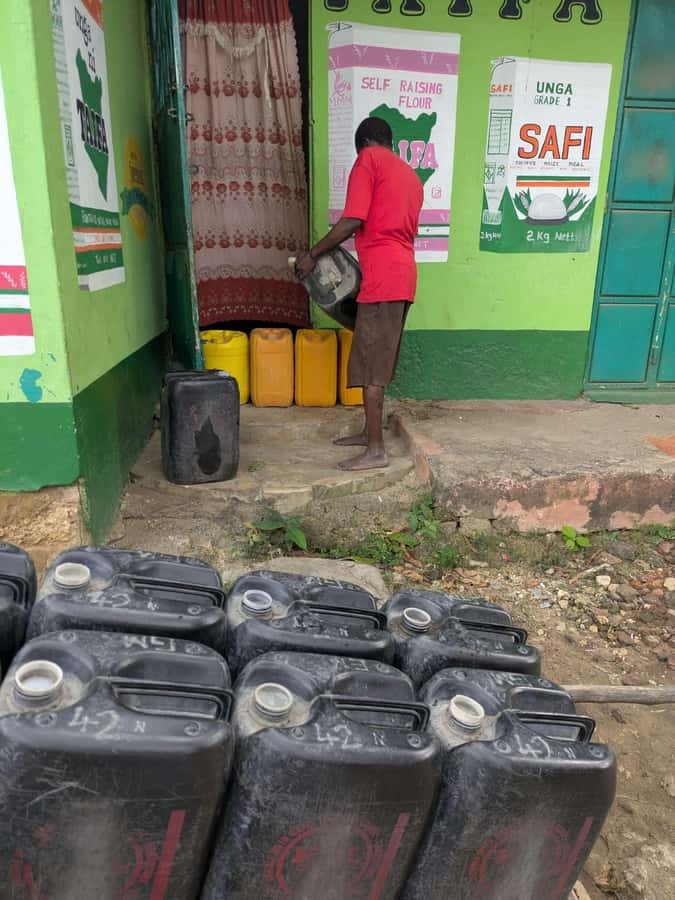
Pickup and drop-off are included from hotels or residences in Mombasa city. The listed pickup areas are Nyali, Bamburi, and Mombasa, with matching drop-off options.
That makes the tour easy to fit into a short stay. You do not need to arrange a separate taxi for the main portion of the outing if you are staying within the included area.
Outside Mombasa, transport can be arranged for an additional charge based on distance. Confirm that price before the day of the tour. The separate transport cost caused confusion for at least one participant, and it is the clearest issue to settle in advance.
You can also request a tuk-tuk instead of the standard vehicle. This is a fun option if you want to see more of the city at street level and enjoy the local feel of the ride. One pickup was described as punctual and completed by tuk-tuk, but availability should be confirmed when you book.
The route includes several stops in Mtwapa, then a walk at the sanctuary, followed by drop-off. Since the full outing lasts about four hours, punctual pickup matters. Keep your phone available on the morning of the tour and be ready at the agreed location.
Guides, languages, and the human touch
The tour includes an English-speaking local guide, with guiding available in English, German, French, and Italian. That range is useful for couples and families who would rather discuss culture in a familiar language.
Rico is one guide associated with the experience. If he is assigned to your group, you can expect a flexible approach. He has adjusted the outing for someone who mainly wanted to see the animals, and he was praised for looking after guests and explaining what they were seeing.
That flexibility is valuable because the itinerary combines several different interests. You may care most about the school, the village, the dance, or the animals. Tell the provider what matters most before the tour begins. A short outing benefits from clear priorities.
The guide also helps set the tone during the village and school stops. Cultural visits work best when you are not sure what is appropriate, since a local guide can explain when to ask questions, where to stand, and when photography is welcome.
What the $100 price really includes
At $100 per person, this is not an inexpensive four-hour transfer with a quick photo stop. You are paying for a guided cultural program, a school visit on weekdays, village access, a dance session, a sanctuary visit, bottled water, and Mombasa pickup and drop-off.
The value is strongest if you want a compact mix of culture and wildlife. A separate taxi, village visit, cultural performance, and sanctuary trip could take more planning, and the local guide gives the day a clear shape.
Still, the advertised amount is not the full cost. Budget for:
- $20 village entry fee per person
- $10 Nguuni Sanctuary entry fee per person
- Extra drinks, food, souvenirs, or personal purchases
- Transport from outside Mombasa
- Optional picnic setup
- Optional private photoshoot
That means the basic outing comes to $130 per person before extras. I consider that a fair price for a private or small-group style of local experience, but I would not call it a bargain without knowing the group size and any upgrade prices.
The romantic picnic and private photoshoot are aimed at couples, honeymooners, engagement groups, and families wanting polished pictures. Ask for the exact cost and what food, drinks, photographer time, and edited images are included before agreeing.
What to bring and how to prepare
Wear comfortable clothes and shoes. The day includes walking, village paths, dancing, and time outdoors at the sanctuary, so beach sandals may not be your best choice.
Pack sunglasses, a sun hat, sunscreen, and a camera. Carry cash for the two entry fees and anything else you may want during the day.
I would also bring a little patience. The school and village visits depend on real people and community settings, not on a fixed stage schedule. Listen first, ask respectful questions, and let the guide manage the pace.
The tour allows free cancellation up to 24 hours before departure, and you can reserve now and pay later. Starting times vary, so check availability when choosing your date.
Who should book this experience?
I would recommend it to you if you want a short break from Mombasa’s beaches and resorts, especially if this is your first visit to the coast. It gives you three different views of Kenya in one morning or afternoon: school life, Mijikenda culture, and wildlife.
Families may enjoy the mix of children, music, and animals. Couples can add a picnic or photo session. Photographers should like the variety, from dance and village scenes to giraffes and open scenery.
I would be more cautious if you want a full safari, a long nature walk, or an extended village stay. The schedule is compact, the sanctuary visit is limited, and the extra fees make the outing more expensive than the headline price suggests.
Should you book the Mombasa Cultural and Wildlife Experience?
Book it if you value personal encounters and variety more than a long, slow visit to one site. The best parts are the village elders, the chance to join the dance, and the close animal viewing at Nguuni.
Before paying, confirm three things: the final transport cost, the exact pickup time, and the price of any picnic or photoshoot. If you bring cash for the $30 in entry fees and arrive ready to participate, this is a warm, lively, practical introduction to coastal Kenya.
FAQ
How long does the Mombasa Cultural and Wildlife Experience last?
The experience lasts four hours.
Where is pickup available?
Pickup and drop-off are included from locations in Nyali, Bamburi, and Mombasa. Pickup outside Mombasa can be arranged for an additional transport charge based on distance.
Is hotel pickup included?
Yes. Hotel or residence pickup and drop-off within Mombasa city are included.
Is the school visit available every day?
No. The local school visit is available on weekdays only.
How much are the extra entry fees?
The Mijikenda village fee is $20 per person, and Nguuni Wildlife Sanctuary charges $10 per person. Both are paid in cash on the day.
What animals can you see at Nguuni Wildlife Sanctuary?
The experience includes wildlife viewing with giraffes, ostriches, and antelopes.
Can I request a tuk-tuk?
Yes. A tuk-tuk ride can be arranged upon request, subject to confirmation with the provider.
Which languages are available for the guided experience?
Guiding is available in English, German, French, and Italian.
Can I cancel the booking?
You can cancel up to 24 hours in advance for a full refund. You can also reserve now and pay later.
Just added around Kenya
- Nairobi Nightlife and Safari Park Hotel Dinner Experience★ 5.0 · 5 reviews
- Safari Park Hotel Cat Dance and Dinner Experience★ 4.0 · 10 reviews
- Half Day :safari Game Drive At Nairobi Park/elephant Sanctuary/giraffe Centre★ 5.0 · 2 reviews
- Safari Park Dinner with Safari Cats Dance Show★ 5.0 · 2 reviews
- Safari Park Hotel Show & Dinner Experience In Nairobi Tour★ 3.6 · 3 reviews
- Lake Naivasha Adventure: Crescent Island with Boat Safari★ 4.2 · 2 reviews
- Nairobi; National Park, Elephant Sanctuary & Giraffe Center.★ 3.0 · 3 reviews
- Borabora: Animal Park Guided and Bush Tour★ 5.0 · 2 reviews
Kenya Zoos, compared.
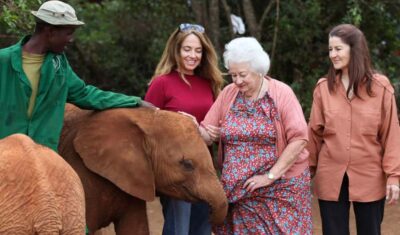
Nairobi: Elephant Sanctuary and Giraffe Center Day Tour
Read our review →
Nairobi Nightlife and Safari Park Hotel Dinner Experience
Read our review →
Nairobi: Cabaret Show with Dinner at Safari Park Hotel
Read our review →
Nairobi: National Park, Elephant Sanctuary, & Giraffe Center
Read our review →
Safari Park Hotel Cat Dance and Dinner Experience
Read our review →Nairobi Nightlife and Safari Park Hotel Dinner Experience
Read our review →Nairobi; National Park, Elephant Sanctuary & Giraffe Center.
Read our review →
Safari Park Hotel Show & Dinner Experience In Nairobi Tour
Read our review →Browse the lists this tour appears in