
REVIEW · THE USA
New Orleans: Audubon Zoo or Combo Ticket
New Orleans’ Audubon Zoo gives you an unusual mix of wildlife and local character. You can watch Sumatran orangutans in an outdoor habitat, see a white alligator, and walk through the Louisiana Swamp, a city zoo exhibit built around animals from South Louisiana. The zoo covers more than 50 acres and has over 1,700 animals from more than 350 species.
I like the close views of the African lions and the creative Jaguar Jungle, which feels more memorable than a row of standard cages. I also like the flexibility of the combo tickets, especially if you want to spread the zoo, aquarium, and insectarium across several days. The main catch is that the aquarium and insectarium are in different parts of New Orleans, and the zoo can feel demanding in extreme heat.
Key points to know before you go
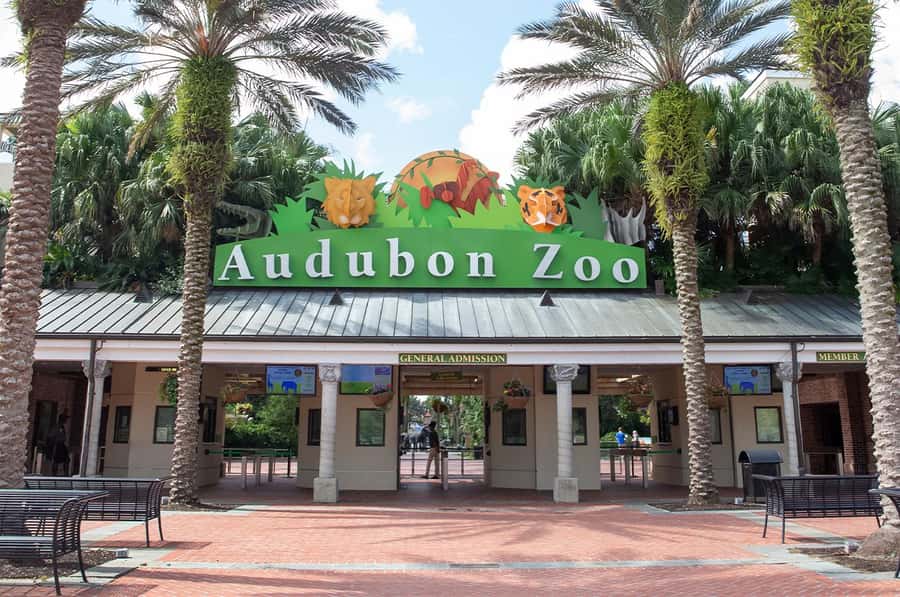
- See a rare white alligator in the Louisiana Swamp: This exhibit focuses on native South Louisiana wildlife, including black bears, bobcats, foxes, and alligators.
- Get close to African lions: The lion habitat offers views of three females and one male.
- Choose the ticket that fits your schedule: A zoo-only ticket allows one entry, while combo tickets give you three or five days to visit the other attractions.
- Expect a large zoo, not a quick indoor attraction: You have more than 50 acres to cover, with daily animal care demonstrations and many outdoor habitats.
- Plan around New Orleans heat: One August visit was cut short by very hot weather, and some animals may not be in their habitats early while staff clean.
- Check the operating calendar: One booking was lost because the zoo was closed on Tuesday and Wednesday, so confirm current opening days before you pay.
What the $31 ticket really gets you
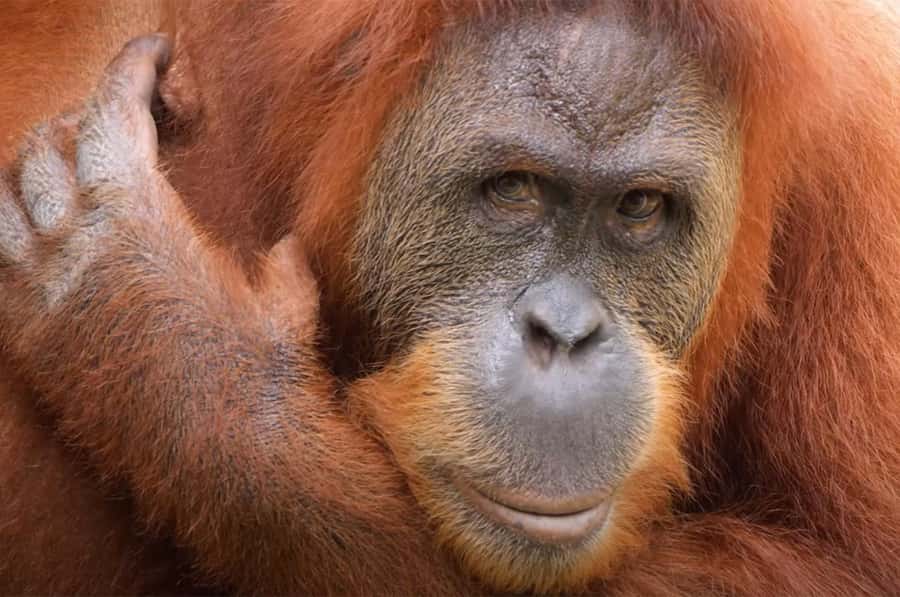
The advertised price is $31 per person for the zoo experience. That makes the zoo-only ticket a fair choice if you want a half-day outdoor activity and plan to focus on the animals rather than rush through several attractions.
Your ticket includes skip-the-line entry to Audubon Zoo. That saves you from buying admission at the ticket window, though it does not turn the zoo into a guided tour. You explore on your own, with daily animal care demonstrations providing short bursts of information along the way.
The value improves if you have time for a combo. You can add Audubon Aquarium and, with the three-attraction option, Audubon Butterfly Garden and Insectarium. The aquarium and insectarium are not next to the zoo, so you should think of the combo as an admission package for separate outings, not one continuous visit.
A zoo and aquarium combination gives you three days from the scheduled zoo date to visit the other included attraction. The three-attraction combination gives you five days. That extra time matters in New Orleans, where heat, rain, meals, and neighborhood plans can easily make a single packed day unpleasant.
More Zoo Combo Tickets in the USA:
- Norfolk: Virginia Zoo & Battleship Wisconsin Combo Ticket
★ 4.8 · 39 reviews - Norfolk’s Combo Tickets – Virginia Zoo & Battleship Wisconsin
★ 4.5 · 29 reviews - Dubai: Aquarium and Underwater Zoo Experience
★ 4.2 · 4,872 reviews
Start with Louisiana Swamp
The Louisiana Swamp is the exhibit that gives this zoo a strong sense of place. Instead of showing animals from faraway regions only, it focuses on species connected to the state, including black bears, bobcats, foxes, and the unusual white alligator.
The setting is described as the world’s only urban swamp. That makes the exhibit useful for understanding the wildlife of Louisiana without leaving the city. You get a look at the animals, but you also see how a zoo can connect its collection to the region around it.
This is a good early stop if you want local context before moving into the international habitats. It also gives families a clear theme to follow: Which animals belong in Louisiana? How do they live? What makes the swamp environment different from the dry habitats elsewhere in the zoo?
The white alligator is likely to be a highlight, but you should not treat it as the only reason to visit. Animal visibility can change with weather, cleaning, and daily routines. The exhibit works best as part of a wider route through the zoo.
Lions, orangutans, and endangered species
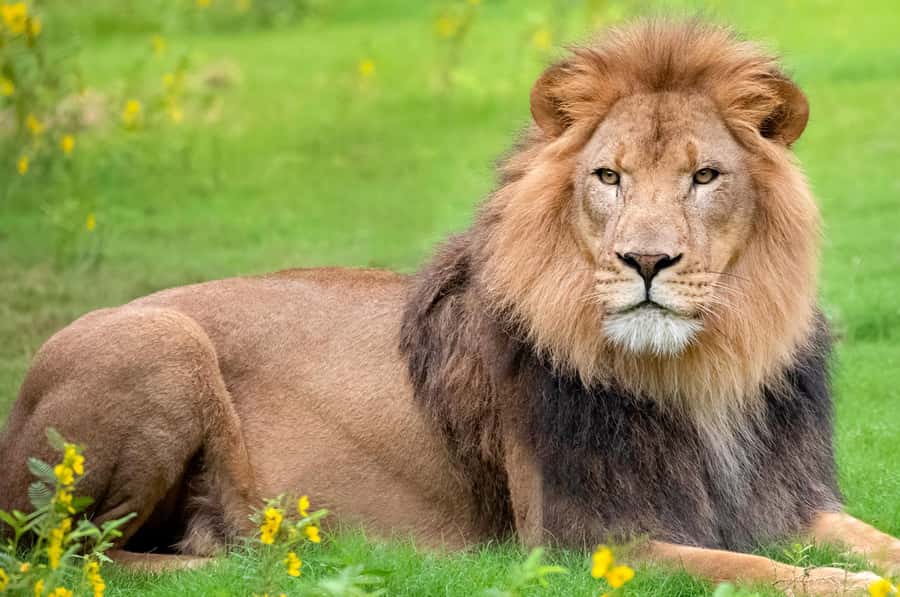
The African lion habitat is designed for close views of three females and one male. That is one of the zoo’s strongest animal encounters because lions are easy to recognize and engaging for children, yet the group gives you more to watch than a single resting cat.
The outdoor Sumatran orangutan habitat is another important stop. The zoo has had orangutan babies born there, so you may see young animals alongside adults. Sumatran orangutans are endangered, and seeing them in an outdoor setting gives the conservation message more weight than a sign alone.
You can also look for endangered whooping cranes and Amur leopards. These species help broaden the visit beyond the animals most children already know. If your interests lean toward conservation, make time for the care demonstrations and read the information provided around the habitats.
Keep your expectations practical. The zoo has more than 1,700 animals, but you will not necessarily see every one in a single visit. Heat, shade, cleaning, and animal behavior all affect what is visible. An early start may help with comfort, though one booking noted that some habitats were still being cleaned early in the day.
Monkey Hill gives children room to climb
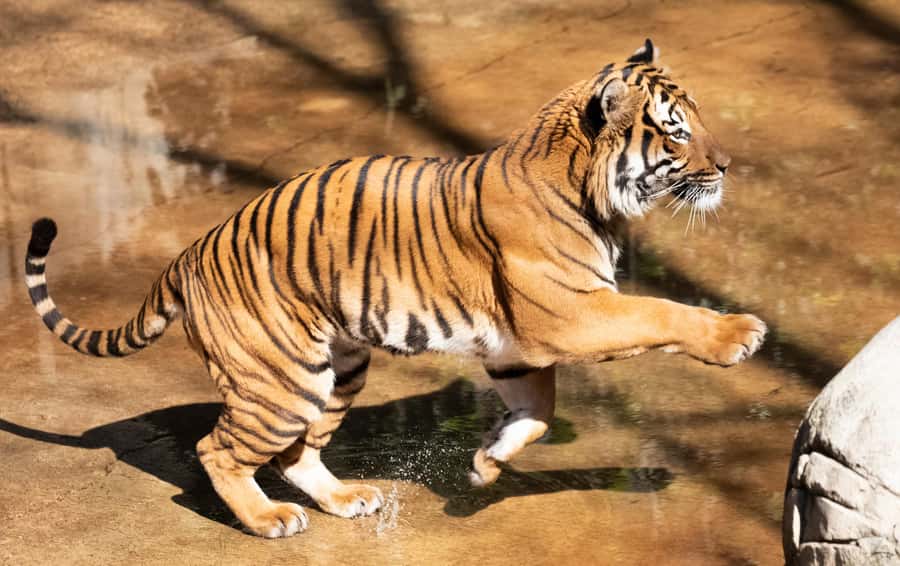
Monkey Hill is one of the zoo’s most distinctive features. It includes a five-level treehouse, giving children a place to climb and move after time spent looking through habitats.
That matters because a zoo visit can become tiring for young children. Monkey Hill adds a physical activity to the animal route, and it helps break up the slower pace of observation. You can spend time watching the monkeys, then give children a chance to use their energy.
The feature is also useful for families who need a clear stopping point. Rather than trying to cover every corner at the same pace, you can treat Monkey Hill as one of the main anchors of your visit.
A few more animal parks around the USA worth a look
- San Diego Zoo 1-Day Pass: Any Day Ticket
★ 4.5 · 4,248 reviews - Florida Everglades Airboat Adventure and Wildlife Encounter
★ 4.5 · 1,791 reviews - Orlando: Everglades Airboat Ride and Wildlife Park Ticket
★ 4.7 · 1,459 reviews - San Diego Zoo Admission Ticket
★ 4.7 · 1,332 reviews
Jaguar Jungle brings Central America to New Orleans
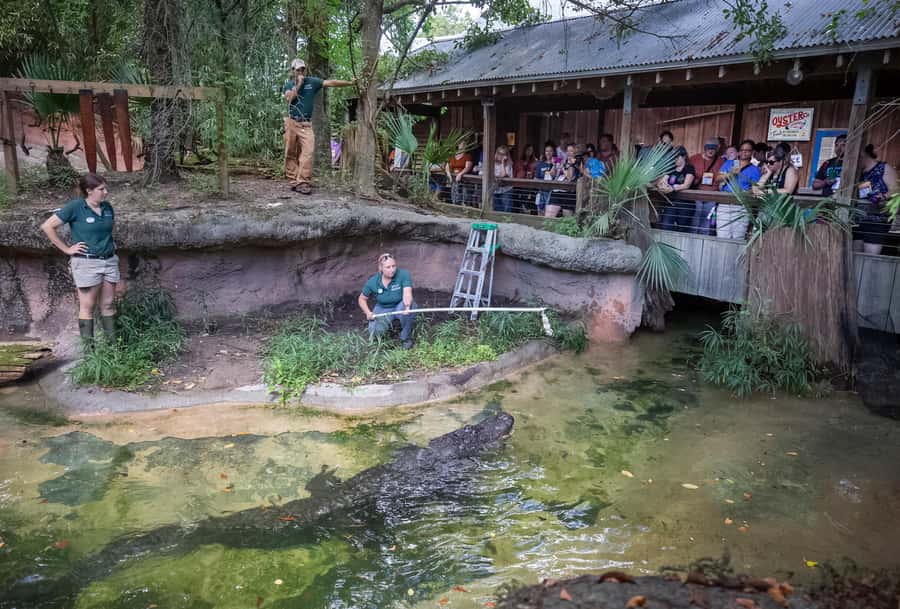
Jaguar Jungle recreates a Central American setting and combines several kinds of attraction in one area. You will find a jaguar, ocelots, spider monkeys, an archaeological dig, and the Criaturas de la Noche bat house.
The archaeological dig gives the exhibit a story beyond animal viewing. The monkeys and cats show different parts of the region’s wildlife, while the bat house adds a nighttime theme to a daytime zoo visit.
This section should appeal to you if you prefer habitats with several connected elements rather than a single animal enclosure. The jaguar may be the main draw, but the ocelots, spider monkeys, and bats help make the area feel like a small Central American journey.
The exhibit also rewards a slower pace. Read the displays, look for movement in the trees, and give yourself time to notice smaller animals. A quick walk past the largest enclosure can make you miss much of what makes this area interesting.
Watoto Farm adds a hands-on change of pace
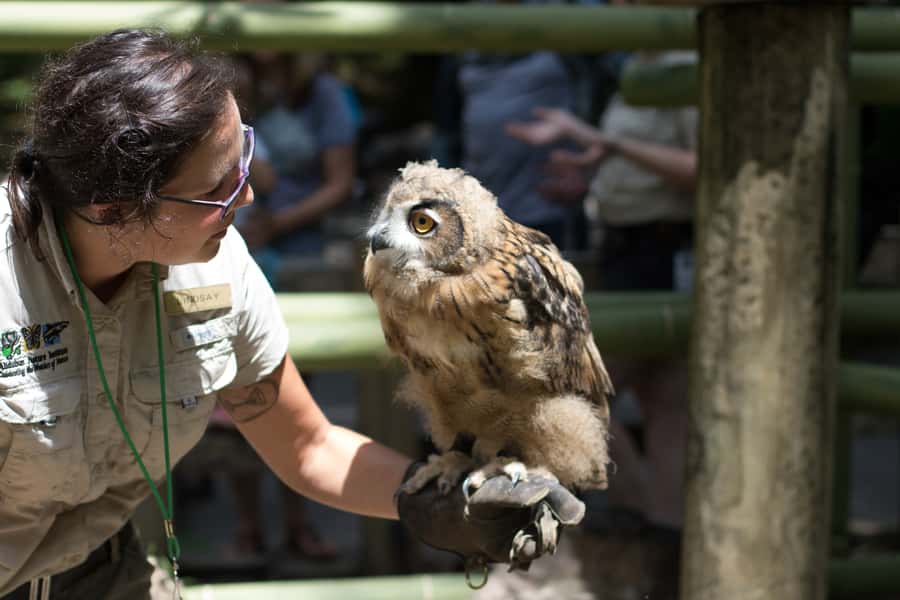
Watoto Farm shifts the focus from wild species to domestic animals. You can interact with sheep and goats while learning about sustainable agricultural practices.
This is a smart addition for families. After large predators, primates, and swamp wildlife, the farm offers animals children may recognize from everyday life. It also connects food production and land care to the wider subject of conservation.
The farm can be especially useful if you are visiting with children who need more than signs and viewing platforms. It gives them a chance to interact with animals while keeping the visit educational. Just remember that food and drinks are not allowed inside the attraction, so plan your meal outside the zoo’s entry rules.
Daily animal care demonstrations
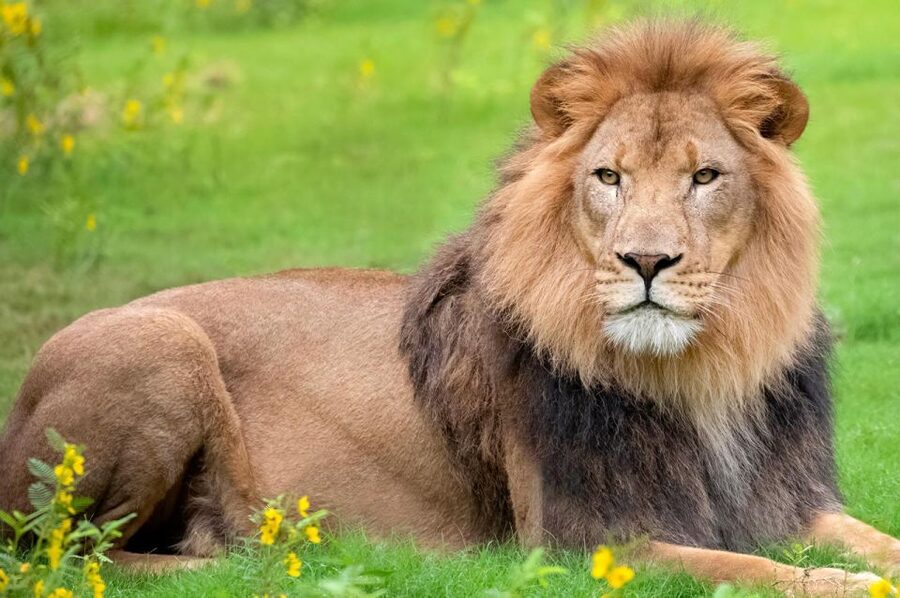
Daily care demonstrations give the zoo a bit of structure. They offer short explanations of feeding, routine care, and animal behavior, depending on the schedule and species featured that day.
I would check the daily program when you arrive and build your route around the demonstrations that matter most to you. Without a guide, these talks are your best chance to hear staff explain the animals beyond the printed signs.
The demonstrations also help you understand why an animal may not be visible at a particular moment. Zoo animals have routines, and a clean habitat or feeding period can be more meaningful than a perfectly staged viewing opportunity.
Do not plan every minute around these talks. The zoo covers a large area, and moving from one side to another in the heat may not be worth it for a short presentation. Pick a few that match your interests and leave space for the habitats themselves.
Adding the aquarium and insectarium
The combo options are useful, but they require realistic planning. Audubon Zoo, Audubon Aquarium, and Audubon Butterfly Garden and Insectarium are in different locations. You will need a long trip between the zoo and the downtown attractions, so do not assume you can walk out of one and quickly enter the next.
The aquarium adds a more controlled indoor experience after the outdoor zoo. That can be welcome during a hot afternoon. The insectarium offers another change of pace, with the butterfly garden as its most appealing feature for many visitors.
The butterfly area is a good reason to consider the three-attraction pass if you have several days. You can visit the zoo when the weather is tolerable, then save the aquarium and insectarium for another day. This approach is far more sensible than forcing all three into one outing.
One caution: the aquarium and insectarium have been described as small. If you expect a huge indoor complex, the combination may feel less impressive than the zoo. The butterfly garden is likely to be the strongest part of the insectarium visit, but it also has a compact footprint.
Timing, heat, and the one-entry rule

All Audubon attractions open at 10 AM and close at 5 PM, with last entry 30 minutes before closing. A zoo visit can easily use most of that window, especially if you stop for demonstrations and allow time for Monkey Hill, Watoto Farm, and the larger habitats.
New Orleans heat is the biggest practical issue. A very hot August day made it difficult to see every animal, and the zoo’s outdoor setting gives you limited relief. Wear light clothing, pace yourself, and avoid treating the visit as a race.
An early arrival gives you more time, but remember that some habitats may still be closed briefly for cleaning. A later visit may offer a different animal routine, but it leaves less time before the 4:30 PM last entry.
The zoo-only ticket is valid for one entry on the scheduled date. You cannot use it as a flexible pass for repeated visits. Combo tickets work differently: you first redeem them at one included attraction, then have three or five days to visit the other attractions, depending on the option you buy.
Check the current calendar before selecting a date. One booking was affected by Tuesday and Wednesday closures. The general hours listed for the attractions do not by themselves guarantee that every attraction operates every day.
Accessibility and entry rules
The attraction is wheelchair accessible. You should still expect a large outdoor site, so the distance between habitats may affect how long you want to stay and how much ground you cover.
Pets, smoking, food, drinks, bicycles, coolers, and skates are not allowed. Children under two may enter free. Since food and drinks are excluded, plan your meals around the visit rather than carrying a picnic through the gates.
Free cancellation is available up to 24 hours before the experience for a full refund. You can also reserve now and pay later, which helps if your New Orleans schedule is still changing.
Who will enjoy this most?
I would choose the zoo ticket for families, animal lovers, and anyone who wants a substantial outdoor attraction with a local Louisiana focus. The white alligator, Louisiana Swamp, Monkey Hill, and Watoto Farm give it more variety than a simple collection of large animal habitats.
It also suits you if you want to see both familiar animals and endangered species. The lions and orangutans are easy highlights, while whooping cranes and Amur leopards add more serious conservation interest.
The zoo is less suitable if you dislike walking in heat or want a compact, fully air-conditioned attraction. It may also disappoint you if you expect every enclosure to offer close views. Animal visibility changes, and the grounds are large enough that a tired group may not see everything.
The combo works best for visitors with at least two or three days in New Orleans. If you have only one free afternoon, the zoo alone is the clearer choice. If you have five days and want both outdoor and indoor attractions, the three-attraction option gives you the most scheduling freedom.
Should you book Audubon Zoo?
Book it if you want a full outdoor outing with local wildlife, strong family features, and a few unusual highlights. The Louisiana Swamp, white alligator, Jaguar Jungle, lion habitat, and orangutans give you plenty to seek out, while daily care demonstrations add useful context.
Choose a combo only if you are ready to travel between separate locations and use the extra days. The aquarium and insectarium are convenient additions to a longer New Orleans plan, but they are not part of the zoo grounds and may feel small if you expect a massive complex.
My practical choice would be the zoo-only ticket for a hot-weather trip with limited time, and the three-attraction pass for a slower stay with room to split the visits. Check the operating calendar first, especially around Tuesday and Wednesday, then arrive with water and patience for a large, sometimes tiring, but varied day.
FAQ
How much does the Audubon Zoo experience cost?
The listed price is $31 per person. Combo ticket prices vary by the option selected.
How long is the ticket valid?
The activity can be booked for a validity period of one to five days, depending on the ticket option. A zoo-only ticket is valid for one entry on the scheduled date.
How long do combo tickets allow for the other attractions?
A Zoo and Aquarium Combo Ticket gives you three days from the scheduled date to visit the other included attraction. The three-attraction combo gives you five days from the scheduled date to visit the other attractions.
What are the opening hours?
Audubon attractions are open from 10 AM to 5 PM, with last entry 30 minutes before closing. Check the operating calendar because daily closures may apply.
Are children under two admitted free?
Yes. Children under two may enter for free.
Is the attraction wheelchair accessible?
Yes. Audubon Zoo and the included attractions are wheelchair accessible.
Just added around the USA
- Wildlife Center with Lunch & Local Beer Sampling★ 5.0 · 6 reviews
- Central Florida Zoo and Botanical Gardens Ticket★ 5.0 · 3 reviews
- See 30 Top New York Sights (Walking Tour) & Visit Central Park Zoo.★ 3.0 · 4 reviews
- Norfolk’s Combo Tickets – Virginia Zoo & Battleship Wisconsin★ 4.5 · 29 reviews
- Camel Safari – Camel Ride and Zoo Tour★ 4.5 · 13 reviews
- Las Vegas Guided UTV Safari and Zoo Tour★ 5.0 · 5 reviews
- Nature Health Farms Alpaca Farm Petting Zoo Pahrump Death Valley★ 4.5 · 16 reviews
- Las Vegas Safari Tram Ride and Zoo Tour at Camel Safari★ 4.5 · 31 reviews
USA Zoos, compared.
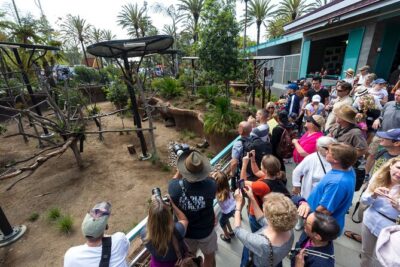
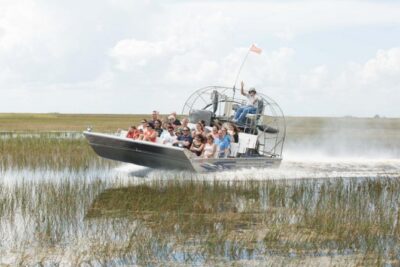
Florida Everglades Airboat Adventure and Wildlife Encounter
Read our review →
Orlando: Everglades Airboat Ride and Wildlife Park Ticket
Read our review →


Browse the lists this tour appears in