
REVIEW · AMSTERDAM
Amsterdam: Art Zoo Museum Entry Ticket in a Canal House
Amsterdam’s Art Zoo Museum turns a 17th-century canal house into a small, theatrical world of animals, plants, and carefully arranged taxidermy. Birds shimmer in their cases, crocodiles look ready to move, and even a T. rex gets a place in this modern cabinet of curiosities. I like the close look at Darwin, Sinke & Van Tongeren’s work, and I like that the audio tour gives the displays more meaning than a quick walk-through would. The main drawback is size: at $20, the museum offers about two hours of interest, but some visitors may find the collection smaller than expected.
I also like the chance to pair the museum with its historical garden and Italian bar, though food and drinks cost extra. The setting makes this more than a standard animal display, but narrow or uneven spaces in the old house may not suit wheelchair users, and people with animal allergies should choose another attraction.
Key points to know before you go
- Darwin, Sinke & Van Tongeren’s animal art: Expect highly detailed taxidermy arrangements made from animals that died naturally, not animals taken from the wild.
- A compact two-hour visit: The museum is small, so it works well between canal walks and larger Amsterdam museums.
- A cabinet of curiosities with a modern edge: Birds, snakes, crocodiles, tulips, and a T. rex appear in carefully lit scenes inspired by Dutch still-life painting.
- Audio tour included: The self-guided commentary is available in several languages, with English and Dutch specifically confirmed in the activity details.
- A garden and Italian bar: You can add time for lunch or drinks, but these are not part of the $20 admission.
- Important access limits: The historic canal house is not suitable for wheelchair users, and pets are not allowed except assistance dogs.
What makes Art Zoo Museum different
I would not compare Art Zoo Museum with Amsterdam’s large national collections. This is a smaller, more focused stop, built around the meeting point of nature and art. Its appeal comes from the way each animal is presented, not from the number of rooms or objects.
The museum gives a modern interpretation of the old cabinet of curiosities. Centuries ago, collectors displayed unusual animals, plants, minerals, and objects in private rooms. Here, that idea is reshaped for a contemporary audience, with lifelike animal forms placed in scenes that feel part museum, part stage set.
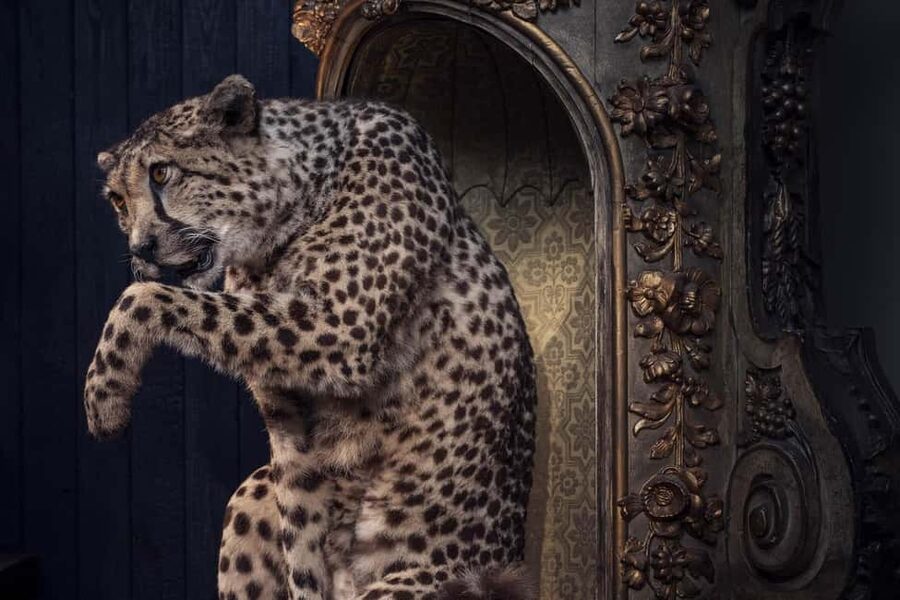
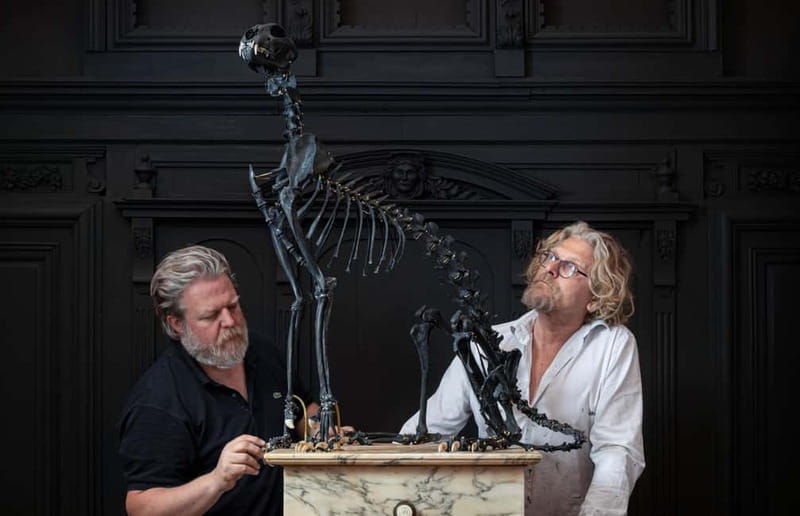
The work by Darwin, Sinke & Van Tongeren is the central reason to visit. Their taxidermy is not presented as a simple stuffed-animal display. Feathers catch the light, muscles appear tense, and eyes seem almost alert. The arrangements aim to suggest movement and drama, even though every animal is still.
That artistic approach explains the museum’s strongest appeal. You are not simply checking off bird, snake, and crocodile exhibits. You are looking at composition, lighting, texture, and the way the artists turn natural forms into a visual story.
More Zoo Entry Tickets in the world:
- Amsterdam: ARTIS Amsterdam Royal Zoo Entry Ticket
★ 4.6 · 5,651 reviews - Rotterdam: Rotterdam Zoo Blijdorp Entry Ticket
★ 4.6 · 2,754 reviews - From South Tenerife: Loro Park Zoo Ticket & Hotel Transfers
★ 4.4 · 2,672 reviews
Entering the old canal house
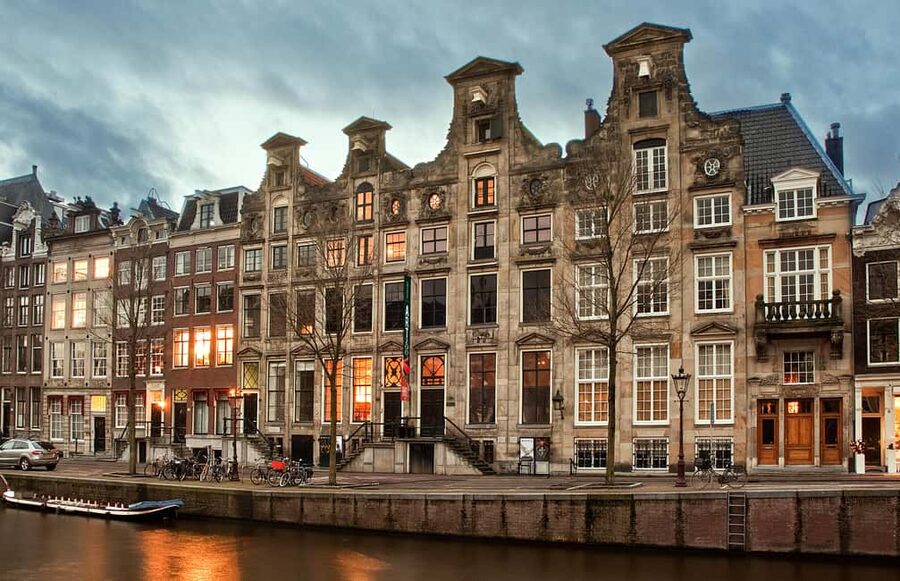
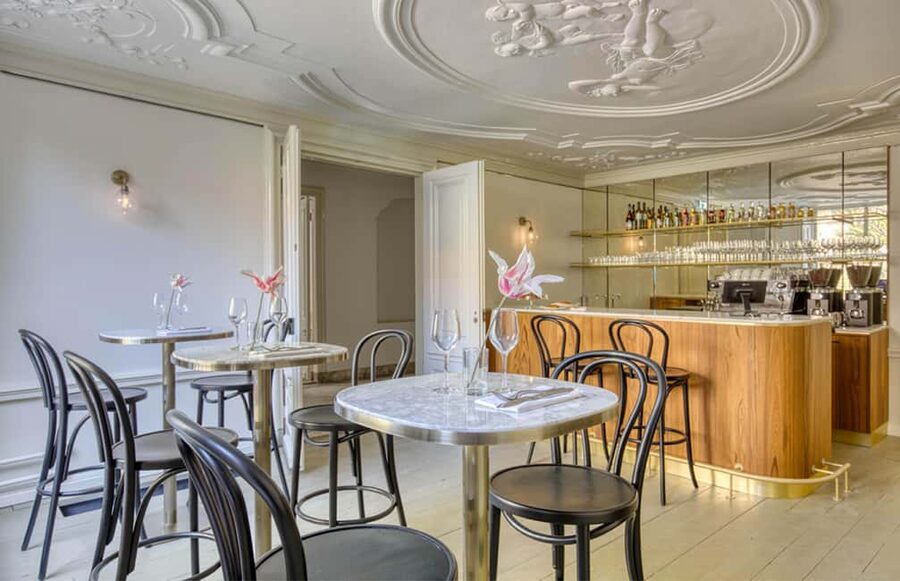
The building matters here. A historic canal house gives the museum an intimate setting that a modern gallery could not easily copy. The rooms feel connected to Amsterdam’s past, while the animal art gives them an unusual, slightly strange new purpose.
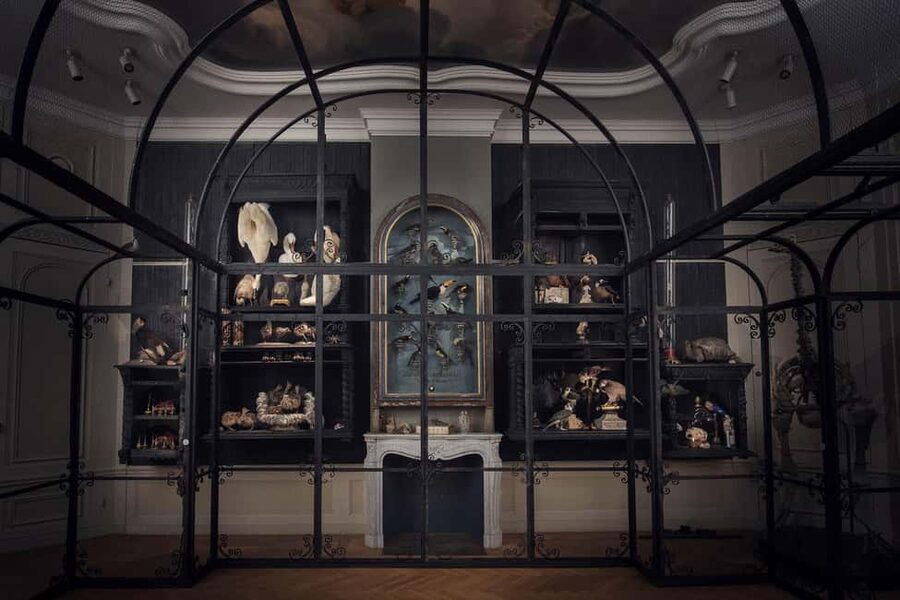
That contrast is part of the fun. You move through an old domestic building and find large aviaries, sculptural animal arrangements, and scenes inspired by 17th-century Dutch art. The surroundings help explain why the museum looks toward classical still lifes rather than treating the animals like ordinary zoo specimens.
The old building also brings practical limits. Accessibility can be restricted, and the museum is not suitable for wheelchair users. If you have mobility concerns, you should contact the museum before booking rather than assume that a historic house can accommodate every visitor.
The museum also asks you not to touch the exhibits. That rule is especially important here because the art depends on fragile feathers, fur, plants, and carefully positioned pieces. Photography is allowed, but flash is not.
The animal displays, from birds to a T. rex
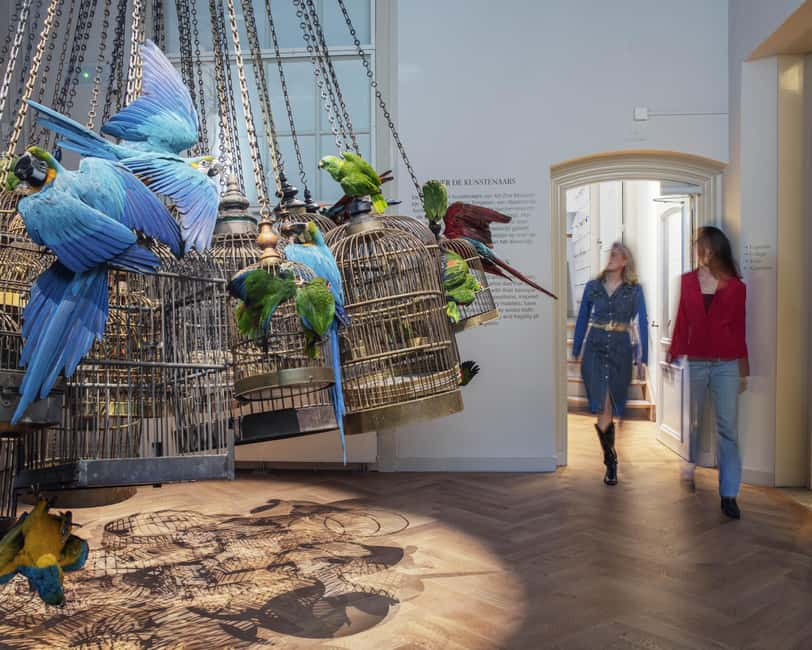
The visit centers on the displays themselves. Large aviaries present birds in arrangements that recall Dutch still-life paintings. The effect is not a natural habitat recreation, and you should not expect a zoo-style encounter. Instead, the birds become part of a composed picture.
Color is a major part of the experience. Bright feathers, patterned snakes, flowers, and other natural details give the rooms plenty to examine. The lighting is directed at the artworks, which can make the pieces especially effective in photographs, provided you leave your flash turned off.
The crocodiles add a different mood. Their size and physical shape give the displays a heavier, more dramatic quality. The careful positioning of the bodies and the sharp attention to surface detail can make the animals appear ready to move.
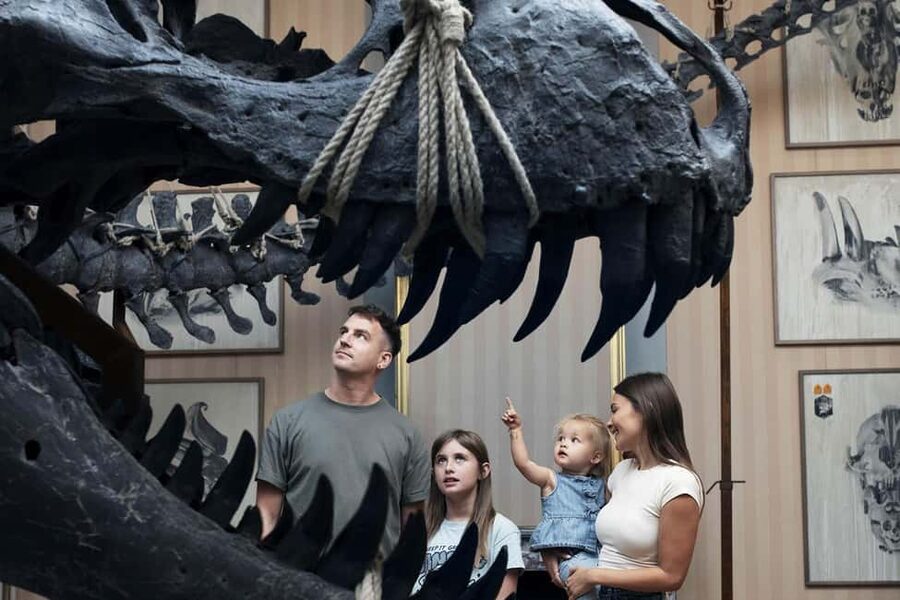
Then comes the T. rex, an unexpected change from the birds and reptiles. Its presence keeps the museum from feeling like a strictly historical collection. It also gives families a clear talking point, especially for children who may not be as interested in the references to Dutch painting.
Still, the collection is compact. One visitor expected a larger museum after seeing photographs and found the actual space smaller, so you should set your expectations accordingly. This is a carefully made short visit, not a full afternoon museum with dozens of galleries.
Why the taxidermy rules matter
Art Zoo Museum makes a clear ethical point about its collection. None of the animals came from the wild, none were bred specifically for the museum, and all died from natural causes. The animals were preserved or collected by the taxidermy artists Darwin, Sinke & Van Tongeren.
That information matters because taxidermy can be uncomfortable for some people. The museum does not hide the fact that its art relies on preserved animals, but the stated collection policy gives you useful context before you enter.
If you have animal allergies, this attraction is not suitable for you. The displays include preserved animals, and the museum specifically lists animal allergies as a reason not to book. Pets are also not allowed, although assistance dogs are permitted.
For families, I would explain the nature of the exhibits before arriving. Children may enjoy the T. rex and colorful birds, but the museum is still displaying preserved animals rather than live ones. The experience works best when you treat it as an art museum with natural subjects, not as an animal attraction in the zoo sense.
More Museum Visits in the world:
- Art Zoo Museum Amsterdam Tickets
★ 5.0 · 87 reviews - Amsterdam: ARTIS Royal Zoo and ARTIS Groote Museum Ticket
★ 4.7 · 33 reviews - BOGOTA: Tour of Jaime Duque Park, Zoo, and Aerospace Museum
★ 4.6 · 15 reviews - Sanxingdui Museum+Chengdu Panda Base or Jinsha Site Tour
★ 5.0 · 10 reviews
Use the audio tour to get more from a small collection
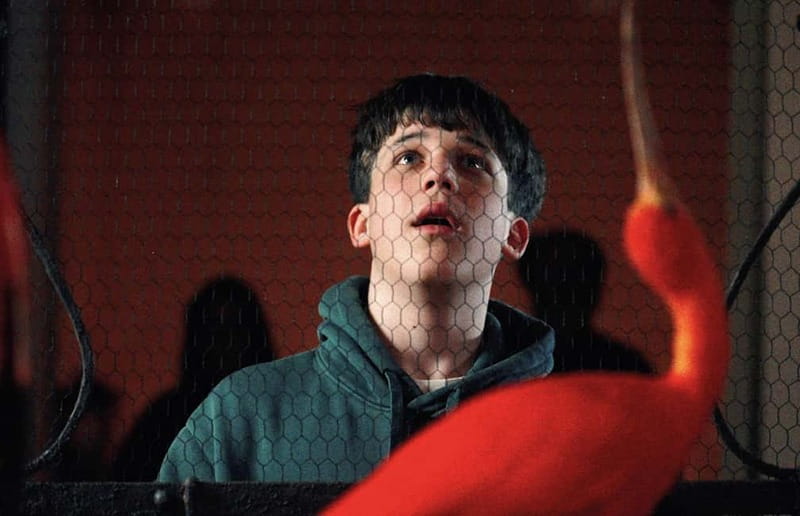
The self-guided audio tour is worth using. Because the museum is small, you could walk through the rooms quickly, take a few photographs, and leave without noticing much of the thinking behind the displays. The commentary slows you down and directs your attention to details in the art.
The activity information specifically confirms English and Dutch. The museum also lists audio-tour availability in German, French, Spanish, Italian, Japanese, Arabic, Russian, and Chinese, making it useful for many international visitors. If a particular language is essential to your booking, check the current selection before arrival.
I would allow the full two-hour validity period, even though you may not need every minute inside the collection. The extra time gives you room to listen, study the displays, take photographs without flash, and spend time in the garden or Italian bar.
One visitor found the audio guide important for understanding the compact museum. That is sensible advice. A small collection benefits from explanation, and the audio tour helps turn a quick look at animal forms into a more thoughtful art experience.
The garden and Italian bar
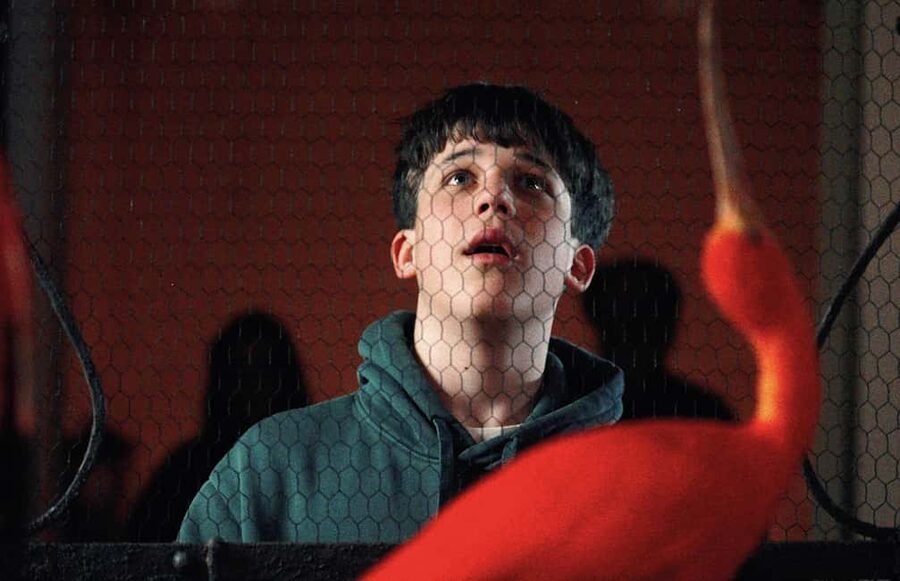
The museum experience also includes access to a historical garden and an Italian bar. These spaces give you a place to pause after the darker, more theatrical displays. They also make the attraction easier to fit into a relaxed day of canal sightseeing.
The garden is useful if you want to stretch the visit without adding another museum. You can take in the old setting, have lunch, or stop for a drink. Food and beverages are not included in the $20 ticket, so plan to pay separately.
The Italian bar is not a reason to book the museum by itself, but it adds value if you enjoy combining culture with a café stop. It gives the visit a softer finish, particularly after the intense detail of the taxidermy displays.
Do not assume this is a full restaurant outing based on the ticket description alone. The available information identifies the bar as a place for lunch and drinks, but it does not promise a specific menu or meal. Think of it as an optional extra rather than part of the admission.
Is $20 good value for two hours?
At $20 per person, Art Zoo Museum is reasonably priced if you appreciate unusual art, taxidermy, and historic interiors. The ticket includes entry, all exhibits, and the audio tour, so you are not paying an additional charge for the main interpretive feature.
The value depends heavily on your expectations. If you want a large museum with many rooms, the compact size may disappoint. If you want a focused stop with distinctive artwork in an old Amsterdam house, two hours can be enough time to feel worthwhile.
I see the ticket as best value when you combine it with the garden and bar, or place it between other canal-area plans. The attraction gives you a change of pace from Amsterdam’s major art museums, but it is unlikely to fill a whole day on its own.
The strongest value comes from the quality of the presentation. The museum has fewer works than a major institution, but the lighting, arrangements, and detail make you look closely. You are paying for a specialized art experience, not quantity.
A practical visit plan
Start by allowing time to find the canal house and settle into the historic setting. Once inside, collect the audio information and begin at a calm pace rather than rushing straight through the rooms.
Use the first part of the visit to understand the museum’s cabinet-of-curiosities idea. Then spend longer with the animal arrangements that catch your eye. Birds and snakes offer fine detail, while crocodiles and the T. rex provide the larger, more dramatic moments.
Keep your camera ready, but turn off the flash. The directed lighting can make feathers and textures photograph well, and one of the activity’s practical rules is simple: look, photograph, and do not touch.
After the exhibits, allow time for the garden or Italian bar if that suits your schedule. Since food and drinks are extra, you can decide on the spot rather than treating them as part of the admission price.
The official duration is two hours from first activation. That gives you flexibility, but remember that the museum is small. If you prefer a fast visit, you may finish earlier; if you listen to the audio tour and stop for the garden, the full period makes more sense.
Who will enjoy it most?
I would recommend Art Zoo Museum to you if you like unusual museums, animal art, photography, historic houses, or the work of Darwin, Sinke & Van Tongeren. It also suits families with children who enjoy animals and dinosaurs, with one positive family experience specifically involving two six-year-old children.
The museum can work well for couples and solo visitors who prefer a short, focused attraction. The atmosphere is more intimate than a large public museum, and the audio tour lets you set your own pace rather than follow a group.
It may not suit you if you want live animals, a large collection, or a long museum visit. People who are uncomfortable with taxidermy should also think carefully before booking. The museum is explicit about its animal displays, even though it states that all animals died naturally and none came from the wild.
Mobility is another serious consideration. Because the museum occupies a historic canal house, access may be limited, and the activity is listed as unsuitable for wheelchair users. Sharp objects, weapons, food, drinks, alcohol, and drugs are not allowed, and selfie sticks are prohibited.
Should you book Art Zoo Museum?
Book it if you want a short, unusual Amsterdam attraction where art, animals, and canal-house history meet. The careful lighting, lifelike detail, audio tour, garden, and Italian bar make it more thoughtful than a quick novelty stop.
Skip it if your priority is a large collection or a full-day cultural visit. At $20, the price is fair for a focused two-hour experience, but the small scale is the key fact to keep in mind.
I would place it on a day when you already plan to explore Amsterdam’s canals. Give yourself time to listen to the audio tour, study the displays, and use the garden or bar if open. With realistic expectations, this can be a memorable change from the city’s better-known museums.
FAQ
How long is the Art Zoo Museum experience?
The ticket is valid for two hours from first activation. You can use that time for the exhibits, audio tour, and, if desired, the historical garden and Italian bar.
What does the $20 ticket include?
The price includes entry to Art Zoo Museum, access to all exhibits, and the self-guided audio tour. Food and drinks are not included.
Is an audio guide available?
Yes. A self-guided audio tour is included. English and Dutch are specifically listed, and the museum also lists German, French, Spanish, Italian, Japanese, Arabic, Russian, and Chinese.
Are the animals taken from the wild?
No. The museum states that none of the animals came from the wild, none were bred specifically for the museum, and all died of natural causes.
Can I take photographs inside?
Yes, photography is allowed. Flash photography is not permitted, and you should not touch the exhibits.
Is the museum wheelchair accessible?
The museum is located in a historic canal house, so accessibility may be limited. The activity is listed as not suitable for wheelchair users.
Can I bring food, drinks, or a pet?
Food and drinks are not allowed inside. Pets are not allowed, except for assistance dogs. Weapons, sharp objects, selfie sticks, alcohol, and drugs are also prohibited.
Just added around the world
- Zen In The Zoo★ 5.0 · 2 reviews
- ZANZIBAR: Jozani Forest, butterfly center & Reptile park★ 4.7 · 3 reviews
- Wuppertal: Admission to the Green Zoo Wuppertal★ 4.6 · 7 reviews
- Zanzibar: Jozani Monkeys, Butterfly Garden & Reptile Park★ 5.0 · 2 reviews
- Monkey Forest, Waterfall ,Temple and Rice Terrace★ 4.9 · 26 reviews
- Ubud :Monkey forest, Water Temple and waterfall Private Tour★ 5.0 · 2 reviews
- Wings Wildlife Park Burnie Shore Excursion★ 4.2 · 13 reviews
- Warsaw Zoo Skip-the-Line Entry Ticket with Private Transport★ 4.8 · 3 reviews
Amsterdam Zoos, compared.

Amsterdam: ARTIS Amsterdam Royal Zoo Entry Ticket
Read our review →
Amsterdam: Artis Royal Zoo & ARTIS-Micropia Combo Ticket
Read our review →
Amsterdam: ARTIS Royal Zoo and ARTIS Groote Museum Ticket
Read our review →Browse the lists this tour appears in