
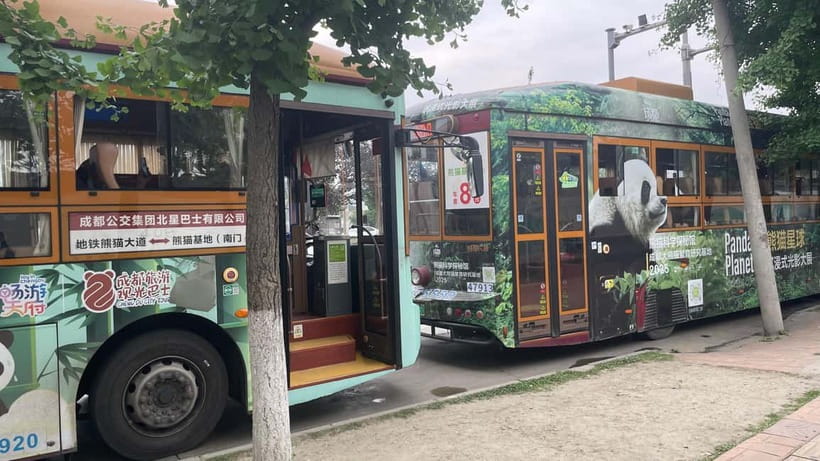
REVIEW · CHENGDU
Chengdu: Private Tour at Panda Base with Guide
Chengdu’s panda base is a place where the stars eat bamboo, nap in trees, and occasionally tumble around like oversized toddlers. This three-hour visit takes you through the Chengdu Research Base of Giant Panda Breeding, with time for giant pandas, cubs, and red pandas, plus the museum and Panda Musical.
I like the small group of no more than six people, since it gives your guide room to adjust the route and answer questions. I also like the practical setup: admission is covered, you can meet at the South Gate or Panda Avenue Station, and return shuttle tickets between the meeting point and South Gate are included.
The main thing to consider is walking. You will cover about 2 to 3 kilometers, and sightseeing buses inside the base are not included. Three hours is enough for a focused visit, but it may feel short if you want to see every corner at a slow pace.
Key points at a glance
- See more than one kind of panda: The route includes giant pandas, cubs, and red pandas, which are separate species with very different looks and habits.
- A guide keeps the visit focused: Your guide explains panda behavior, diet, anatomy, and recycling practices while helping you follow a sensible route.
- Small groups matter: With a limit of six participants, it is easier to ask questions and adjust the pace.
- Tickets cover the main attractions: Admission includes the research base, Giant Panda Museum, and Panda Musical.
- Plan for 2 to 3 kilometers of walking: Comfortable shoes and clothing for changing weather are essential.
- Guides speak several languages: English, Spanish, Chinese, Japanese, Korean, and German are available.
Why the Chengdu Panda Base is worth your morning
I would choose this experience if seeing pandas is one of your main reasons for visiting Chengdu. The base gives you more than a quick photo stop. You get time around adult giant pandas, young cubs, and red pandas, while a guide adds the facts that turn a cute visit into a more meaningful one.
Pandas are easy to watch and harder to understand. They spend much of the day eating bamboo, yet their bodies still retain features from their meat-eating ancestors. Your guide can explain how much bamboo they consume, why they have an extra thumb-like wrist bone, and how their waste can be recycled. These details give you something to notice besides the obvious charm.
The red pandas are an important part of the visit. They are not smaller giant pandas. They are a different species, with reddish fur, ringed tails, and a different appearance. If you arrive focused only on black-and-white bears, the red pandas give you a useful reminder that the word panda covers more than one animal.
More Panda Bases in Chengdu:
- Visiting Dujiangyan Yaan Wolong Panda Base Optional Volunteering
★ 5.0 · 105 reviews - Wolong Panda Base Private Day Tour Optional Volunteering
★ 5.0 · 46 reviews - One Day Trip to Chengdu Panda Base and Leshan Buddha Tour
★ 4.5 · 42 reviews
Starting at the South Gate or Panda Avenue Station
You have two practical meeting options. You can meet your guide at the South Gate of the Panda Base, or at Panda Avenue Station Exit D on Metro Line 3, depending on the transportation choice selected for your visit.
The South Gate is the direct choice if you have already arranged your own way to the base. It saves you from an extra meeting step, but you need to get there on time and be clear about the exact meeting point.
The metro option is helpful if you are staying in Chengdu and prefer public transportation. The included return shuttle tickets between the meeting location and the South Gate make the route easier, particularly if you do not want to work out the final transfer yourself.
Pay close attention to the meeting instructions before you leave your hotel. The base is not a place where you want to spend the first part of your booking searching for the group. Bring your passport or ID card, or a copy if accepted for your visit, since it is required.
Following a 2 to 3 kilometer panda route
Once inside, you follow a planned route through the research base. The goal is not simply to walk until you happen to spot an animal. Your guide helps direct you to the important areas and keeps the visit moving within the three-hour limit.
That matters because the base can cover a fair amount of ground. You should expect regular walking rather than a short stroll between a few exhibits. The route may include slopes, paths, and extended periods on your feet, so comfortable shoes are one of the most useful things you can bring.
The included ticket covers entry to the research base itself. It also covers the Giant Panda Museum and Panda Musical, giving the visit more range than animal viewing alone. Sightseeing bus tickets inside the base are not included, so you should not assume that every internal transfer is covered.
A small group helps here. With up to six participants, your guide can explain what you are seeing without having to speak over a large crowd. The guides named in the booking feedback include Candice, Anita, and Sara. Candice was especially praised for helping with the wider Chengdu stay, while Anita and Candice were noted for shaping the visit around what the group wanted to see. Sara was praised for taking the group to key places for panda viewing.
Those details point to the real benefit of the guide. You are not only paying for someone to lead you through a gate. You are paying for help with timing, direction, and deciding which parts of the base deserve your limited morning or afternoon.
Meeting adult pandas, cubs, and red pandas
The giant pandas are the main event, and the base lets you see them at different stages of life. Adult pandas provide the classic view: black-and-white fur, heavy bodies, and a serious commitment to eating bamboo. Cubs add a different kind of energy, with smaller bodies and more playful behavior.
Animal activity can never be guaranteed at a precise moment. Pandas may be eating, resting, or simply sitting still. That is part of the appeal, but it is also why a guide and a carefully chosen route are useful. You get help making the most of the time available instead of wandering without a plan.
Your guide can point out the extra thumb-like structure that helps pandas hold bamboo. You can also learn how much bamboo these animals eat in one day and what happens to their waste. The information is light enough for a family visit but still interesting for adults who want more than a photo.
The red pandas deserve proper attention rather than a quick glance. Their coloring and long tails make them easy to distinguish, and seeing them beside the giant pandas gives you a fuller picture of the base’s work with panda species. If you have children with you, the mix of large, sleepy giant pandas and smaller red pandas helps keep the visit varied.
More Guided Tours in Chengdu:
- Chengdu: Half-Day Panda Base Tour with Guide Option
★ 5.0 · 4 reviews - Chengdu Giant Panda Base Half Day Tour (English Tour Guide)
★ 5.0 · 2 reviews - Phuket: Elephant Sanctuary Guided Tour with Hotel Transfers
★ 4.8 · 2,020 reviews - Bali Zoo: Guided Ethical Elephant Care Experience
★ 4.7 · 2,019 reviews
The Giant Panda Museum adds useful context
The Giant Panda Museum is included in your admission. I would treat it as an important part of the visit, not a filler stop for rainy weather.
Animal encounters are memorable, but a museum gives you background that live viewing cannot. It can help place panda conservation, breeding, anatomy, and daily behavior into a larger picture. Your guide can connect what you see in displays with the animals outside.
The museum is also useful if the pandas are having a quiet day. You still have a way to learn and stay engaged even if the animals are resting. Since your total visit lasts three hours, your guide will help balance museum time with outdoor viewing.
Do not expect the museum to replace the animals themselves. The main reason to book this experience is still the chance to see pandas at the research base. Think of the museum as the part that makes the visit more than a sequence of cute photographs.
What the Panda Musical adds
Admission also includes the Panda Musical inside the base. This gives the experience a scheduled cultural element, although the exact timing may affect how long you spend at each viewing area.
A musical may appeal most to families and to you if you want a lighter change of pace during the visit. It also gives the three-hour itinerary a clear variety: animal areas, museum displays, and a performance.
The tradeoff is time. If you have a strong preference for watching pandas and less interest in the performance, ask your guide how to fit it into the route. The guide can help you understand the day’s order and avoid losing too much animal-viewing time.
Why the guide can make a real difference
The guide service is offered in English, Spanish, Chinese, Japanese, Korean, and German. Confirm the language you need when booking, since the quality of any guided visit depends heavily on clear communication.
A good guide does three practical jobs here. First, the guide helps you reach the important areas without wasting energy. Second, the guide explains facts that you would probably miss on your own. Third, the guide helps shape the visit around your interests.
The personal reports attached to this experience give specific names to look for: Candice, Anita, and Sara. Candice was described as especially helpful beyond the panda base, including advice for the rest of a Chengdu stay. Anita and Candice were praised for being friendly and for adjusting the outing to the group’s wishes. Sara was credited with finding key viewing spots.
I would not treat a particular guide name as a guarantee, since assignments can change. But the pattern is useful. This is a good choice if you want a human guide who can explain, redirect, and help you use the time well. It is less necessary if you prefer moving alone and reading signs at your own pace.
Is $72 a fair price?
At $72 per person, the experience costs more than simply buying admission and entering independently. The value depends on how much you want help with the route and the panda base’s size.
Your price includes the research base ticket, Giant Panda Museum admission, Panda Musical admission, professional guiding, and return shuttle tickets between the meeting location and South Gate. That removes several small costs and decisions. You are also buying a small group rather than joining a large bus outing.
The strongest value comes from limited time. If you have only one morning in Chengdu, getting directed to the key panda areas can save energy and reduce the chance of missing the animals you most want to see. The guide’s explanations also add value that a basic entry ticket does not provide.
The price is harder to justify if you have plenty of time, are comfortable navigating on your own, and do not care about museum or performance access. You will also need to budget separately for food, drinks, and any sightseeing bus tickets inside the base.
Comfort, weather, and what to bring
Wear walking shoes. The planned distance is about 2 to 3 kilometers, and the base visit is not a quick doorway-to-doorway attraction.
Dress for the weather rather than assuming the day will stay cool or dry. The instructions specifically call for weather-appropriate clothing and preparation for all conditions. A light layer, rain protection, or sun protection may be useful, depending on the forecast, but the key point is simple: you will spend part of the visit outdoors.
Bring your passport or ID card. A copy is accepted according to the booking information, but you should still check that your document meets the requirements before leaving.
You are also asked not to bring valuables. Keep your belongings secure and carry only what you need for the visit. Meals and beverages are not included, so plan around the three-hour schedule if you need food or water.
The base is listed as wheelchair accessible. Even so, the route covers 2 to 3 kilometers, so anyone with mobility concerns should confirm the exact route and transport arrangements before booking.
Who should book this panda experience?
I would recommend it most strongly to first-time Chengdu visitors, families, and anyone who wants a guided introduction to the panda base without joining a large group. The small-group limit is especially useful if you want to ask questions or adjust the pace.
It also suits you if English, Spanish, Chinese, Japanese, Korean, or German guiding will make the visit easier. The panda facts are simple enough for children, while details about anatomy, food, and recycling give adults something to enjoy too.
Independent visitors may prefer buying entry alone. That can be cheaper and gives you complete control, but you will need to handle the route, transport, and timing yourself. You also lose the guide’s help in finding the key areas.
Should you book the three-hour tour?
Book it if you want a focused panda visit with entry tickets, a multilingual guide, and a group capped at six people. The strongest reasons are the smart route, the chance to see giant and red pandas, and the practical help provided by guides such as Candice, Anita, and Sara.
Think twice if your priority is the lowest possible price, if you dislike scheduled stops, or if you want to spend a full day exploring every part of the base. Three hours is a useful introduction, not an unlimited visit.
For most people with limited time in Chengdu, I see the $72 cost as reasonable. You pay for less guesswork, useful explanations, and a smoother start and finish. Just bring your identification, wear comfortable shoes, prepare for the weather, and remember that the pandas set the pace.
FAQ
How long does the panda base tour last?
The tour lasts three hours.
Where do I meet the guide?
You can meet at the South Gate of the Panda Base or at Panda Avenue Station Exit D of Metro Line 3, depending on the transportation option selected.
What animals can I see?
The visit includes giant pandas, giant panda cubs, and red pandas.
Is admission to the research base included?
Yes. Admission to the Chengdu Research Base of Giant Panda Breeding is included.
Is the Giant Panda Museum included?
Yes. Admission to the Giant Panda Museum inside the base is included.
Is the Panda Musical included?
Yes. Admission to the Panda Musical inside the base is included.
Are sightseeing bus tickets inside the base included?
No. Sightseeing bus tickets inside the base are not included.
What languages are available for the guide?
Guiding is available in English, Spanish, Chinese, Japanese, Korean, and German.
Just added around Chengdu
- Visiting Chengdu Panda Base in a Half Day★ 5.0 · 4 reviews
- 2-Day Tour of Chengdu Panda Base and Leshan Giant Buddha★ 5.0 · 2 reviews
- Sanxingdui Museum+Chengdu Panda Base or Jinsha Site Tour★ 5.0 · 10 reviews
- Dujiangyan Irrigation System and Panda Base Day tour★ 5.0 · 2 reviews
- Private Day Tour: Dujiangyan Panda Base Volunteering from Chengdu★ 4.0 · 5 reviews
- Chengdu: Volunteer Day Experience at Dujiangyan Panda base★ 5.0 · 3 reviews
- All Inclusive Private Trip to Chengdu Giant Panda Base and Leshan Giant Buddha★ 5.0 · 36 reviews
- One Day Trip to Chengdu Panda Base and Leshan Buddha Tour★ 4.0 · 9 reviews
Chengdu Zoos, compared.
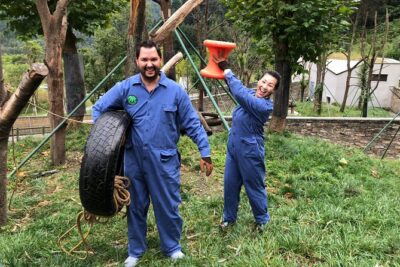
Visiting Dujiangyan Yaan Wolong Panda Base Optional Volunteering
Read our review →
Wolong Panda Base Private Day Tour Optional Volunteering
Read our review →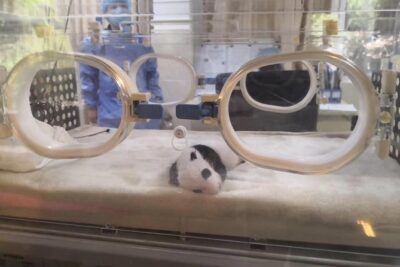
One Day Trip to Chengdu Panda Base and Leshan Buddha Tour
Read our review →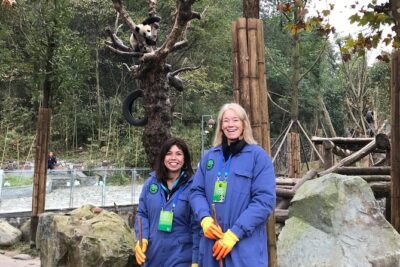
Private Dujiangyan Panda Base Panda Rescue Center Volunteer for a Day
Read our review →
All Inclusive Private Trip to Chengdu Giant Panda Base and Leshan Giant Buddha
Read our review →


Leshan Buddha + Panda Base or Old Tea House Private Day Tour
Read our review →Browse the lists this tour appears in