REVIEW · UBUD
Ubud Monkey Forest, Waterfall, Temple and Rice Terrace Tour
Ubud’s best-known sights come together in one long day, from macaques swinging through the Sacred Monkey Forest to the sunlit curtain of Tukad Cepung Waterfall. I like the private transport and the chance to shape meal or drink stops with your guide, rather than being tied to a large group schedule. I also like that the route includes both famous photo spots and a living Hindu temple.
The main catch is the tour description gives mixed information about entry fees. One section says tickets are included, while the inclusions list says they are not. The waterfall and coffee plantation also appear in the main description but not in the shorter stop list, so confirm exactly what your $35 covers before you pay.
Key points at a glance
- Private full-day transport: Pickup and return are offered from hotels in Ubud, Kuta, Seminyak, Canggu, Sanur, Nusa Dua, and Kintamani.
- Five Ubud-area sights: The advertised route includes the Monkey Forest, Tegallalang Rice Terrace, Tirta Empul, a coffee plantation, and Tukad Cepung Waterfall.
- A guide who helps shape the day: English and French guiding are available, and meal or drink breaks can be discussed during the tour.
- Good value at $35: Transport and bottled water are included, but food, personal spending, and possibly entrance tickets are extra.
- A physically active stop: Tukad Cepung requires a walk down several hundred stairs, so bring suitable clothing, a towel, and spare clothes.
- A long but useful schedule: Expect about 10 hours, with pickup generally between 8:00 and 9:00 in the morning.
Why this route works for a first day in Ubud

I like this trip because it gives you a quick but varied introduction to the Ubud area. You see monkeys, rice farming, Balinese Hindu ritual, coffee production, and a waterfall in one outing. These places feel quite different from one another, which keeps a long day from becoming a parade of similar viewpoints.
The private vehicle matters in Bali. Distances between sights can take time, and having hotel pickup and drop-off saves you from arranging several separate rides. You can start from one of seven listed areas, then return to Ubud, Kuta, Seminyak, Canggu, Sanur, Nusa Dua, or Kintamani.
Your pickup is scheduled between 8:00 and 9:00 a.m., depending on your hotel. You should wait in the lobby from 10 minutes before the agreed time. Since the full outing lasts about 10 hours, expect to return in the late afternoon or evening, depending on traffic and how long you spend at each stop.
The guide is there to explain the places and answer questions. English and French are available. The provider is I Ketut Armada, and the guide is described as friendly, helpful, good-humored, and willing to offer local tips and recommendations. That personal help is useful in Bali, where a short explanation can make a temple rule or farming practice much easier to understand.
More Monkey Forests in Ubud
- Ubud: Monkey Forest, Jungle Swing, Rice Terrace, and Water Temple
★ 5.0 · 7,160 reviews - Ubud: Full-Day Rice Terrace, Monkey Forest & Waterfall
★ 5.0 · 2,634 reviews - Hands-On Silver Jewelry Making Near Ubud’s Monkey Forest
★ 4.9 · 1,789 reviews
Sacred Monkey Forest and its macaque residents
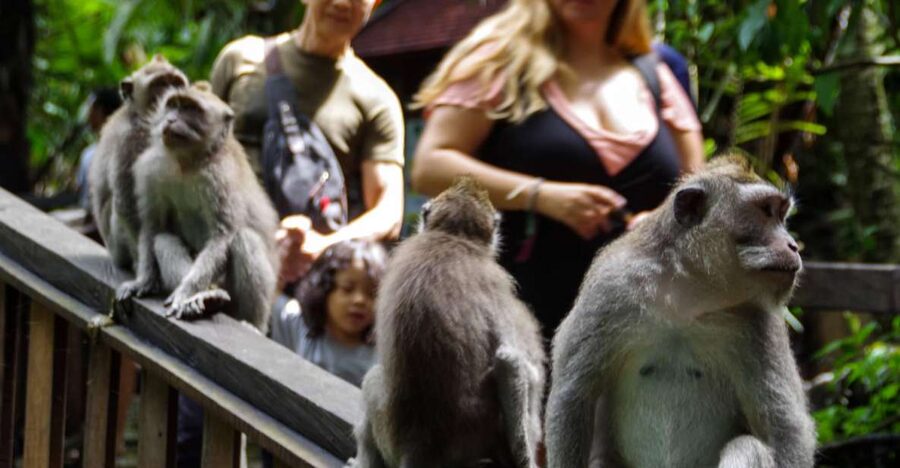
The Sacred Monkey Forest Sanctuary in Padangtegal is usually the liveliest start to the day. Around 1,260 Balinese long-tailed macaques live in the sanctuary, and the site receives roughly 10,000 to 15,000 visitors each month. You are not simply looking at a few animals in a small enclosure. The monkeys live among trees, paths, and temple grounds.
The one-hour guided visit gives you time to walk through the forest and hear about the setting. I would keep loose belongings secured and follow the guide’s instructions closely around the macaques. Monkeys are entertaining, but they are still wild animals, and a calm visitor has a better experience than someone waving food or reaching toward them.
This stop is a good match for families, photographers, and anyone who wants a gentle start to the day. It can also feel crowded, especially because the sanctuary is one of Ubud’s best-known attractions. The value of having a guide here is not just information. It is also knowing how to move through the grounds sensibly and where to pause without causing trouble.
Tirta Empul and Balinese purification
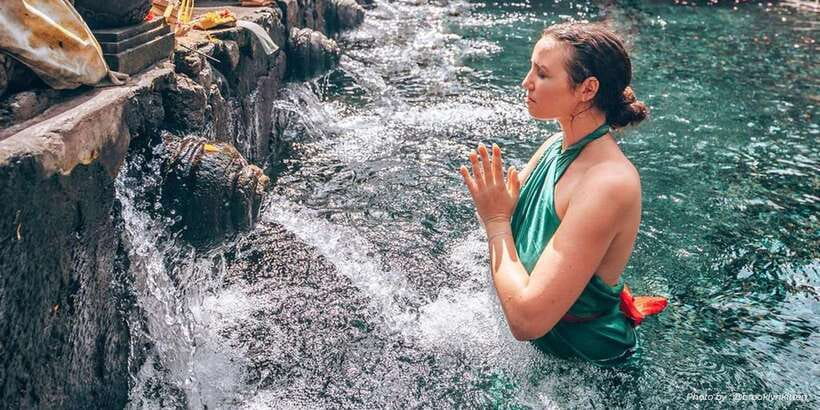
Tirta Empul is a Hindu water temple near Tampaksiring. Its central feature is a bathing structure fed by a spring that produces fresh water regularly. Balinese Hindus come here for ritual purification, so this is a functioning religious place, not just a decorative stop for photographs.
The planned guided visit lasts about an hour. That is enough time to see the temple compound, understand the role of the spring, and ask questions about the bathing area. You should treat the site with respect and pay attention to any clothing or behavior guidance given by your guide.
The temple adds something important to the day. The Monkey Forest is about wildlife and woodland, while Tirta Empul gives you a direct look at Balinese Hindu practice. I prefer this kind of stop to a schedule made only of scenic viewpoints because it helps explain how local life and tourism meet in Bali.
If you intend to enter a bathing area, bring a change of clothes and a towel. Those items are specifically recommended for this trip. The supplied information does not say that bathing is required or that ceremonial participation is included, so ask your guide what is appropriate when you arrive.
Tegallalang Rice Terrace and the walk below
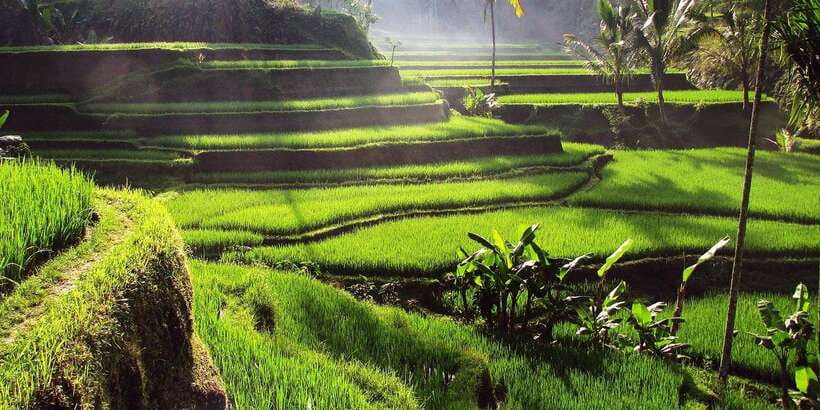
Tegallalang Rice Terrace is one of the most recognizable views near Ubud. From the upper viewpoint, you can look down across the stepped fields and the surrounding green hills. The one-hour guided stop is designed to give you time for photographs and a short look around.
You can do more than admire the view from above. The route information says you may cross a small stream and walk toward the rice fields on the opposite side. That makes the stop more than a quick photo break, though the ground may be uneven and conditions can vary.
Wear shoes you can walk in, especially if you plan to leave the main viewpoint. The tour description does not promise a long hike, so think of this as a scenic walk rather than a major trek. I would also keep your camera ready but give yourself a few minutes to look without a screen. The stepped fields are the point of the stop.
Tegallalang can feel more focused on views and photographs than on quiet rural life. That is not a flaw, but it is worth knowing. If your idea of rice terraces is a slow walk through an empty farming area, this may feel busier or more commercial than expected. The guide can help put the terraces in context and explain what you are seeing.
More Wildlife and Waterfall Day Trips in Indonesia
- Ubud Tour with Monkey Forest Waterfalls Temples and More
★ 5.0 · 495 reviews - From Bali: Saraswati Temple, Monkey Forest, Ubud Waterfalls
★ 4.9 · 263 reviews - Bali ATV Quad Adventure – Ubud Monkey Forest and Waterfall
★ 5.0 · 261 reviews - Ubud Tour with Swing, Temple, Monkey Forest, and Waterfall
★ 5.0 · 224 reviews
Coffee plantation tasting and a point to confirm
The main tour description includes a stop at a coffee plantation, with a chance to try Balinese coffee. This can be a pleasant change of pace after the temple and rice terrace. You get a look at local coffee production and a taste of one of Bali’s familiar drinks.
However, the shorter stop-by-stop schedule names the Monkey Forest, Tegallalang, and Tirta Empul, but does not list the plantation. The same schedule also leaves out Tukad Cepung Waterfall, even though both are described as part of the trip elsewhere. Ask your provider to confirm that the coffee stop is included on your departure date and whether tasting is complimentary.
That small check matters because a 10-hour day cannot always give every stop equal time. Traffic, queues, walking, and lunch can all affect the schedule. If coffee is a top reason for booking, put it in writing when you arrange the tour.
Tukad Cepung Waterfall inside the cliffs
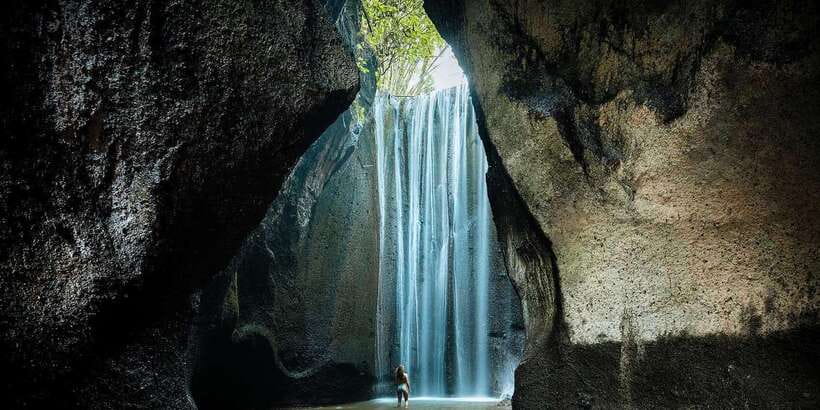
Tukad Cepung is the most unusual natural stop on the advertised route. The waterfall drops like a curtain inside a cave-like space in Tembuku village. An opening above lets daylight reach the falling water, creating the striking effect that makes this place so popular in photographs.
Getting there takes effort. The description notes a few hundred stairs down the cliff before you reach the waterfall. This is not a pull-up-by-the-car viewpoint. You should be comfortable with a substantial stair walk and bring a towel or spare clothes in case you get wet.
The circular rock walls make the site feel enclosed, but the open sky above keeps it from being a true cave. That contrast is the main attraction. At the right moment, light can make the waterfall look especially dramatic, though the experience depends on conditions and how many people are at the site.
The return walk is uphill, so save some energy. If you have limited mobility, a knee problem, or little time for stairs, ask about the current conditions before booking. The available information does not give an accessibility rating or promise an easy route.
What the $35 price really covers
At $35 per person, this tour can be a strong value if you want private transport and several major Ubud sights in one day. Hotel pickup and return are included, as is bottled mineral water. You also get a guide in English or French and the convenience of one arranged route.
Food, drinks beyond the supplied water, and personal expenses are not included. Lunch is also not listed as part of the price. You can discuss a lunch or drink stop with your guide, but plan to pay for it yourself.
The entrance-fee information needs careful attention. The highlights say all tickets are included, while the inclusion section specifically says entry fees are not included. Those statements conflict. Before booking, ask for the exact total cost, including the Monkey Forest, Tirta Empul, Tegallalang, coffee plantation, and Tukad Cepung if all five are part of your day.
That question is especially important for families or groups. A low advertised fare can change once several admission charges are added. The transportation and guide still provide real value, but you should compare the final price rather than relying only on the headline amount.
How to prepare for a 10-hour Bali outing
Pack for movement, heat, water, and a possible change of clothes. The recommended items are:
- Comfortable clothing and a change of clothes
- A towel
- Sunscreen
- Your camera
- Cash
- Shoes suitable for stairs and uneven ground
Wait in your hotel lobby 10 minutes before pickup. Since the pickup window depends on where you stay, avoid planning a tight morning appointment immediately afterward.
The tour is private, but the supplied information does not state the vehicle size or the maximum number of people. If you are traveling with a large family or group, confirm how many passengers the vehicle can hold. Also ask how much time is allocated to each of the five advertised places.
The free cancellation policy allows you to cancel up to 24 hours in advance for a full refund. You can also reserve now and pay later, which helps if your Bali plans are still changing. These policies are useful, but they do not remove the need to confirm the final route and admission costs.
Who will get the most from this tour
I would choose this trip if you want an easy, broad introduction to Ubud without arranging several drivers or negotiating each ride yourself. It suits first-time Bali visitors, couples, families, and anyone who wants a full day of major sights with a local guide.
It is also a good choice if you value flexibility around food and drink stops. You can discuss those pauses with the guide instead of following a fixed restaurant schedule.
I would think twice if you want a slow, quiet day at only one or two places. Five attractions, a possible coffee stop, traffic, and several hours in a vehicle make this an active schedule. The waterfall stairs are another consideration.
Should you book the Ubud day tour?
Book it if the confirmed final price still feels fair after entrance fees, and if you want private transport to cover several major sights in one day. The mix of monkey sanctuary, temple, rice terrace, coffee, and waterfall gives you a broad taste of Ubud, while the guide adds context and practical help.
Before paying, confirm two things: which stops are definitely included, and whether admission tickets are extra. If the full route is included and you are comfortable with the waterfall stairs, $35 is appealing value for a private 10-hour outing. If the route is shortened or tickets add a large amount, compare it with hiring a driver for a custom day.
FAQ
How long does the Ubud tour last?
The experience lasts about 10 hours. Pickup is generally scheduled between 8:00 and 9:00 a.m., depending on your hotel location.
Where can hotel pickup and drop-off be arranged?
Pickup and drop-off are listed for hotels in Kintamani, Ubud, Seminyak, Canggu, Kuta, Sanur, and Nusa Dua.
Is hotel transportation included?
Yes. Round-trip hotel transfers are included, with pickup and return to the listed Bali locations.
Which languages are available with the guide?
Guiding is available in English and French.
Is food included in the tour price?
No. Food is not included. You can discuss lunch or drink stops with your guide, but you pay for those yourself.
Are entrance tickets included?
The information is inconsistent. One section says tickets are included, while another says entry fees are not included. Confirm this directly before booking.
What should I bring?
Bring a change of clothes, a towel, a camera, sunscreen, and cash. Comfortable clothing and footwear are sensible because the tour includes walking and stairs.
Can I cancel the booking?
You can cancel up to 24 hours in advance for a full refund. The activity also offers a reserve-now, pay-later option.
More Rice Terrace and Wildlife Tours in Ubud
- Ubud: Monkey Forest, Ceking Rice Terraces and More– Full Day
★ 4.7 · 917 reviews - Ubud: Monkey Forest Sanctuary & Jungle Swing Tour
★ 4.8 · 360 reviews - Ubud:Monkey Forest, Rice Terraces, Water Temples, Waterfalls
★ 5.0 · 75 reviews - Ubud: Monkey Forest, Rice Terraces & Sacred Temples
★ 5.0 · 69 reviews
More Wildlife and Waterfall Day Trips in Ubud
- Ubud: Monkey Forest, Temple, Rice Terraces, Hidden Waterfall
★ 4.9 · 185 reviews - Bali Quad Bike Through Gorilla Cave – Monkey Forest and Waterfall
★ 5.0 · 146 reviews - Ubud: Waterfall, Rice Terraces, and Monkey Forest Private Tour
★ 5.0 · 108 reviews - Bali ATV Quad Bike with Monkey Forest and Tegenungan Waterfall
★ 5.0 · 91 reviews
Just added around Ubud
- Ubud :Monkey forest, Water Temple and waterfall Private Tour★ 5.0 · 2 reviews
- Ubud: Waterfalls, Temple, Monkey Forest Private Tour★ 4.8 · 22 reviews
- Ubud/Monkey Forest: Habitat Bistro Dining E-Voucher★ 4.8 · 3 reviews
- Ubud/Monkey Forest: Shichirin Japanese Grill E-Voucher★ 4.7 · 3 reviews
- Ubud: Waterfalls, Sacred Monkey Forest & Rice Terraces Tour★ 4.0 · 3 reviews
- Ubud: Waterfall, Water Temple and Monkey forest Private Tour★ 5.0 · 5 reviews
- Ubud: Sacred Monkey Forest, Barong Cave ATV & Waterfall Tour★ 4.9 · 7 reviews
- Ubud: Sacred Monkey Forest & Barong Cave ATV with Meal★ 4.7 · 3 reviews
Ubud Zoos, compared.
Ubud: Monkey Forest, Jungle Swing, Rice Terrace, and Water Temple
Read our review →
Ubud: Full-Day Rice Terrace, Monkey Forest & Waterfall
Read our review →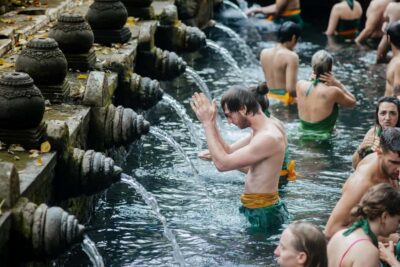
Ubud: Monkey Forest, Ceking Rice Terraces and More– Full Day
Read our review →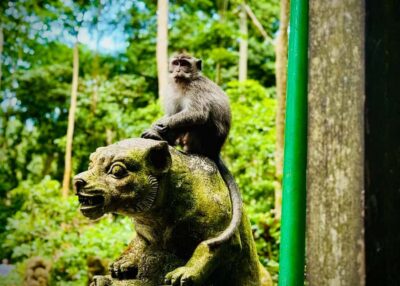
Ubud: Sacred Monkey Forest Sanctuary Ticket and Guided Tour
Read our review →
Ubud Tour with Monkey Forest Waterfalls Temples and More
Read our review →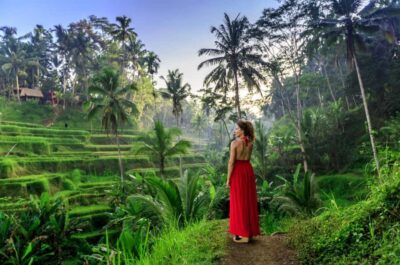
Ubud: Monkey Forest Sanctuary & Jungle Swing Tour
Read our review →