
REVIEW · SOUTH AFRICA
Jukani Wildlife Sanctuary Admission with Guided Tour
Jukani Wildlife Sanctuary is at its best when a guide helps you understand the stories behind the animals. You may see lions, tigers, leopards, jaguars, cheetahs, and pumas, but the real point is learning why these animals need a permanent home after rescue or rehoming. I especially like the 90-minute walking route and the chance to see big cats from viewing decks and close vantage points.
I also like the small group limit of 16, which gives you room to ask questions instead of trailing behind a large crowd. Guides such as Xola, Elvis, Riko, and Bazil have been praised for their warmth and animal knowledge, though your guide will depend on the day. The main drawback is timing: on hot mornings, many animals rest in shade or shelters, so you may see less activity.
What makes this visit worth your time
- Rescued big cats in permanent homes: Lions, tigers, leopards, jaguars, cheetahs, and pumas are the main attraction.
- A guide-led walk, not just a viewing circuit: You get explanations about animal behavior, biology, rescue, and conservation.
- A useful 16-person maximum: Small enough to hear clearly and ask questions without shouting.
- Late afternoon can be the smarter choice: Cooler conditions may bring more animals into view, and feeding may take place around 3:30 to 4:00 p.m.
- More than big cats: Look for spotted hyenas, caracals, honey badgers, raccoons, zebras, and springbok.
- A practical short activity: The tour lasts about 90 minutes, making it easy to fit into a day around The Crags and the Western Cape coast.
Meeting rescued animals at Jukani
Jukani Wildlife Sanctuary is in The Crags, beside the N2 in South Africa’s Western Cape. The visit begins at reception, where you check in, show your mobile ticket, and sign an indemnity form before joining the walk.
The sanctuary’s main purpose is to provide long-term care for animals that cannot return to the wild. Some have been rescued from places that could no longer care for them. Others have been rehomed after living in conditions that left them unable to survive independently.
That background changes the way I would approach the visit. This is not a safari reserve where you hope to catch a wild predator hunting. It is a sanctuary visit, and the animals are in enclosures designed around their needs. You are there to see them, learn their individual stories, and think about the difficult choices involved in caring for large predators that have been humanized, domesticated, or mistreated.
The setting is designed to give the animals room to move and places to rest. Several enclosures have viewing points that help you see the cats without a vehicle between you and the habitat. That can make for strong photographs, although fencing can still affect shots. If photography matters to you, manual focus may help prevent your camera from locking onto the fence instead of the animal.
More Wildlife Sanctuaries in South Africa:
- Pilanesberg Nature Reserve & Safari Park Lion Private
★ 4.0 · 4 reviews - Port Elizabeth:2-Day Schotia Safaris & Addo Wildlife Reserve
★ 4.0 · 4 reviews - De Wildt Cheetah and Wildlife Centre Private Safari (Private)
★ 4.0 · 3 reviews
The 90-minute walking safari
The core experience is a guided walk through the sanctuary. You move from enclosure to enclosure while the guide identifies the animals and explains their biology, behavior, and conservation status.
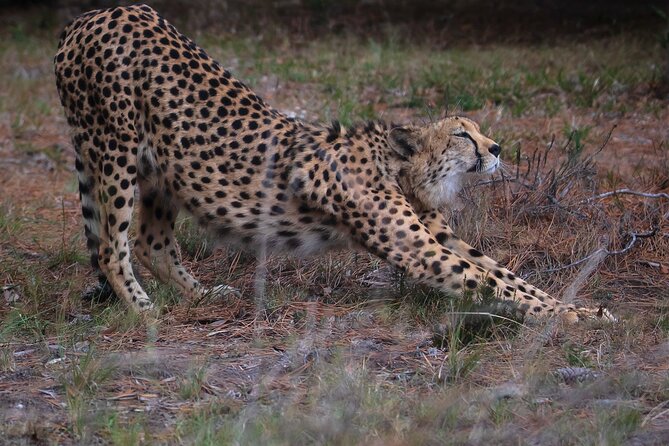
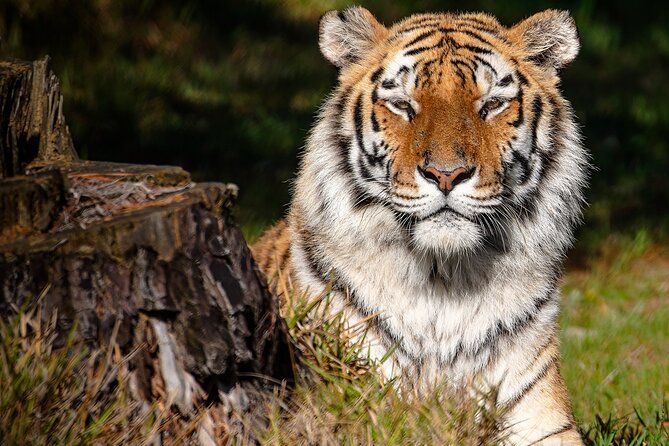
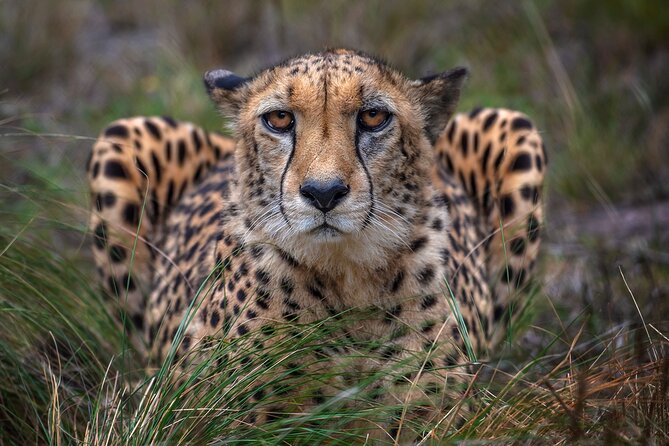
The big cats receive most of the attention. Lions bring the familiar presence of a social apex predator. Tigers and leopards offer a different look at solitary cats, while jaguars can be especially striking when they come close to the viewing area. Cheetahs are known for speed, and pumas often attract attention with their agility and ability to climb.
You should not expect every animal to perform for the group. A hot day may leave the cats sleeping, lying in shade, or staying inside sheltered areas. That is normal animal behavior, not a failed visit, but it is important to set your expectations. You may see many animals clearly without seeing much movement.
The guide helps here. Instead of simply pointing out a cat behind a fence, the tour explains what you are looking at and why the animal lives at Jukani. Guides have also been praised for patiently helping people locate animals in larger enclosures. That matters when a leopard blends into shade or a puma is higher up than you first expect.
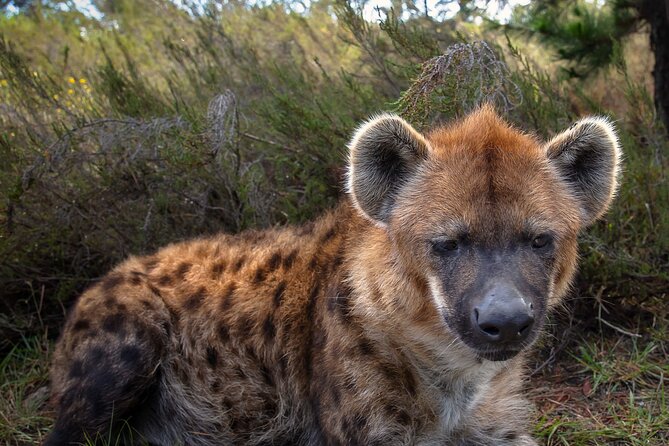
The route also includes animals that are easy to overlook if you visit without guidance. Raccoons, honey badgers, caracals, zebras, springbok, and spotted hyenas add variety to the walk. The result is not only a big-cat viewing session, although the cats are clearly the stars.
Why the guide makes a difference
I would choose the guided tour rather than treating admission as a self-guided stroll. The guide gives the visit structure and adds the context that makes a sanctuary meaningful.
The best guide reports highlight staff members such as Xola, Elvis, Riko, and Bazil. Their names are not a promise that one of them will lead your group, but they show the kind of personal, enthusiastic guiding the sanctuary can offer. The guides have been praised for explaining the animals clearly, answering questions, and showing genuine care for the work.
The group limit helps. With no more than 16 people, you should be able to hear the commentary and ask about individual animals. That is particularly useful for families, photographers, and anyone who wants more than a quick look.
Tours are in English. Afrikaans tours can be arranged, according to the supplied information, so you should ask the sanctuary about that option if it matters to your group.
Choosing the right time of day
Timing may be the most important practical choice you make. Several visits point to late afternoon as a strong option, particularly around 3:00 p.m. onward. Feeding may occur around 3:30 to 4:00 p.m., though you should not treat that as a guarantee of an exact schedule.
A cooler afternoon can improve your chances of seeing animals away from their shelters. The difference may be noticeable. In late morning heat, cats can retreat to shade, leaving you with limited views of animals that are otherwise present.
That said, the sanctuary operates in all weather, and conditions can change. Bring protection from the sun on warm days. One useful tip from the experience details is to bring an umbrella if the forecast is hot, since parts of the walking route may offer little relief.
If you have flexibility, I would avoid planning the visit at the hottest part of the day. If your schedule only allows a morning tour, you can still see plenty, but go in expecting resting animals rather than constant action.
More Guided Tours in South Africa:
- Hartbeespoort: Lion and Safari Park Guided Tour
★ 4.8 · 99 reviews - Private Guided Cultural Day Tour of Zulu Village & PheZulu Safari Park
★ 5.0 · 3 reviews - Phuket: Elephant Sanctuary Guided Tour with Hotel Transfers
★ 4.8 · 2,020 reviews - Bali Zoo: Guided Ethical Elephant Care Experience
★ 4.7 · 2,019 reviews
The value of the $24.73 admission
At $24.73 per person, this is a reasonable short activity if you want a guided wildlife visit rather than a full-day excursion. The fee includes admission and the professional local guide, so you are not paying separately for the basic tour experience.
The value depends on what you want. If your priority is to see big cats up close and learn about rescued animals, the price makes sense, especially because the walk lasts about 90 minutes and includes more species than the headline cats. If you are looking for a safari with open-range wildlife, dramatic drives, or a full-day outing, this is not that kind of experience.
I also like the way the fixed duration fits into a wider Western Cape itinerary. You can visit Jukani without giving up an entire day. It works as a planned stop near The Crags or as a short activity between other outings.
Food and drinks are not included. There is a cafe at the property, but the supplied information does not include meal prices. I would treat food as an optional extra and avoid building a tight schedule around eating there.
Transportation is also not included. You need to reach Jukani Wildlife Sanctuary at the N2, The Crags, 6600, on your own. The activity ends back at the same meeting point.
What families and photographers should know
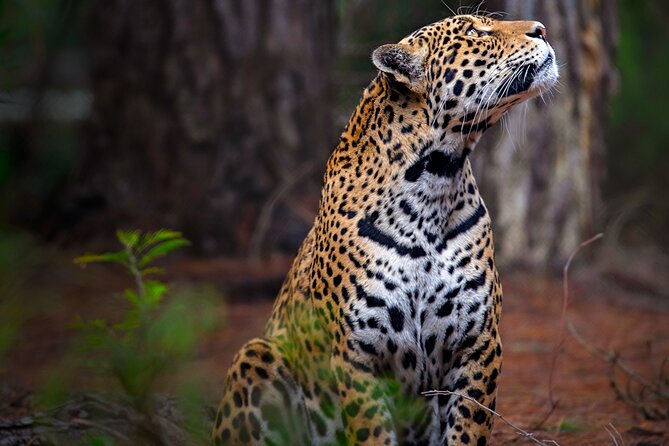
This is a good fit for families because the walk is short enough to hold a child’s attention, yet substantial enough to feel like a real activity. Children must be accompanied by an adult. The supplied information says most people can participate, but it does not provide detailed mobility guidance, so you should contact the sanctuary directly if your group has specific access needs.
Young children may enjoy the visible size and variety of the animals, while older children can take more from the conservation discussion. A guide who explains why some animals cannot return to the wild gives the visit more substance than a simple animal display.
Photographers will find plenty to work with, especially when a cat approaches the viewing area. The viewing decks can help provide clearer angles, but fences remain part of the setting. A camera may focus on the wire, so manual focus can be useful.
Do not judge the experience only by the number of perfect photographs you take. Cats may turn away, sleep, or stay behind cover. The guide’s explanations and the chance to watch natural resting behavior are part of the visit too.
The conservation message behind the visit
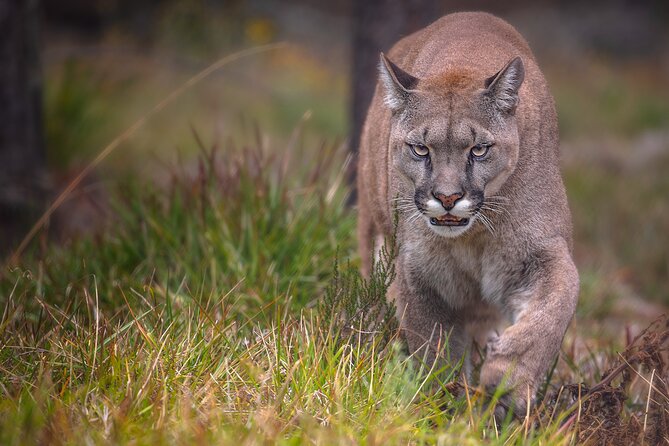
Jukani raises an uncomfortable but important question: what should happen to large predators that have lived in captivity and can no longer cope in the wild?
The animals here are described as rescued or rehomed, and some have been permanently affected by earlier treatment. An animal that has been domesticated, humanized, or physically abused may not have the skills needed to hunt, avoid danger, or live safely in a natural environment.
That means release is not always the kindest answer. A well-designed permanent home may give the animal a safer life, even though it cannot offer the freedom of a wild habitat. The guide helps you understand that difference and consider the responsibilities that come with private ownership, zoos, rescue centers, and wildlife tourism.
I appreciate that this makes the visit more thoughtful than a quick animal encounter. You can admire the cats while also asking hard questions about how they came to be there. The sanctuary does not turn those questions into an afterthought.
What could disappoint you
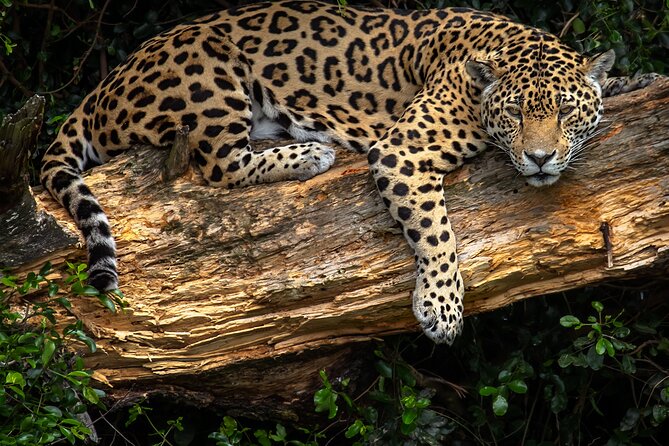
The biggest risk is animal visibility. On a hot day, you may see fewer active cats, and some animals may be inside shaded areas. One particularly disappointing visit involved seeing only a limited selection of the cats before the hour was over because the animals had taken cover.
You should also keep the scale in mind. A 90-minute tour is useful, but it is not an all-day attraction. One person considered it a good filler activity rather than a main event. I think that is fair advice for some itineraries.
The experience also depends on your view of captive wildlife facilities. If you want to see animals only in the wild, a sanctuary may feel uncomfortable. If you accept that some rescued animals need permanent care, the visit can be a valuable chance to learn about that reality.
Finally, the tour is in English unless an Afrikaans arrangement is made. That may affect how much you get from the commentary if English is not comfortable for everyone in your group.
Booking, cancellation, and basic planning
Your confirmation is issued when you book, and the mobile ticket helps you avoid buying admission at the entrance. Tours are offered at several times during the day, with a maximum of 16 people.
Children need an accompanying adult. Dress for the weather, since the tour runs in all conditions. Comfortable walking clothes, sun protection, and an umbrella on a hot day are sensible choices.
Free cancellation is available up to 24 hours before the start time for a full refund. Changes or cancellations made within 24 hours are not accepted and are not refunded. Cut-off times use the local time in South Africa.
Should you book the Jukani tour?
I would book this if you want a short, guided encounter with rescued big cats and prefer learning about the animals rather than simply photographing them. The small group, strong guide reports, variety of species, and 90-minute route give it solid value at $24.73.
Choose a late afternoon time if you can, especially on warm days. That may improve animal visibility and can place you near the usual feeding period. If you need an all-day wildlife adventure or wild animals in open country, choose something else. For families, animal lovers, photographers, and anyone curious about rescue work, Jukani is a worthwhile Western Cape stop.
FAQ
Where is Jukani Wildlife Sanctuary located?
Jukani Wildlife Sanctuary is at the N2, The Crags, 6600, in South Africa’s Western Cape.
How long does the guided tour last?
The walking tour lasts about 90 minutes. The overall activity is listed as approximately one to two hours.
What animals can I see?
The sanctuary is home to lions, tigers, leopards, jaguars, cheetahs, pumas, raccoons, honey badgers, caracals, zebras, springbok, and spotted hyenas.
Is admission included?
Yes. The admission fee is included with the guided activity, and the mobile ticket helps you avoid buying the ticket at the entrance.
How large is the tour group?
The tour has a maximum of 16 participants.
What language is the tour given in?
All tours are in English. Afrikaans tours can be arranged.
Does the tour operate in bad weather?
Yes. The tour operates in all weather conditions, so you should dress appropriately.
Can I cancel for a refund?
You can cancel at least 24 hours before the experience start time for a full refund. Cancellations or changes made less than 24 hours before the start time are not refunded.
Just added around South Africa
- Half-Day Lion and Safari Park Tour★ 5.0 · 5 reviews
- Lion & Safari Park★ 5.0 · 26 reviews
- Lion and Safari Park tour.Pick up and drop off Privately★ 4.5 · 2 reviews
- De Wildt Cheetah and Wildlife Centre Private Safari (Private)★ 4.0 · 3 reviews
- Pilanesberg Nature Reserve & Safari Park Lion Private★ 4.0 · 4 reviews
- Lion safari park tour(Half-day)★ 5.0 · 4 reviews
- Elephant Sanctuary Tour From Johannesburg★ 4.0 · 4 reviews
- Full-Day Safari to Tala Game Reserve, Phezulu Safari Park and Natal from Durban★ 5.0 · 2 reviews
South Africa Zoos, compared.
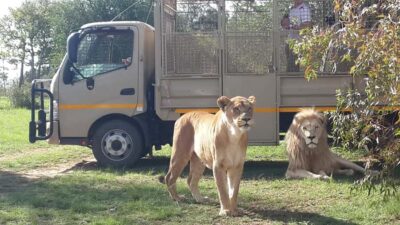
Johannesburg: Lion & Safari Park Half-Day Tour
Read our review →

Schotia Safaris: Best Wildlife Encounters in Port Elizabeth
Read our review →
Hartbeespoort: Self-Drive Lion and Safari Park Tour
Read our review →
Durban: Phezulu Cultural Village & Reptile Park Tour
Read our review →
Phezulu Cultural Village & Reptile Park Day Tour from Durban
Read our review →Browse the lists this tour appears in